
 1 month ago
63
1 month ago
63
Kyoto is Japan’s cultural heart and one of the country’s most captivating destinations. From bright red torii gates and centuries-old temples to imperial palaces, Zen gardens, traditional wooden machiya, and bustling food markets, it’s a city where Japan’s rich history and modern culture exist side by side.
This article may contain affiliate links where we make a small commission for purchases you make from links that you click from this article. By purchasing through our links, you support us at no additional cost. Thank you for your support ❤️. For more details, read our disclosure page.
Whether you’re visiting for the famous cherry blossoms, historic temples, or incredible food scene, choosing the right area to stay can completely shape your trip. While Kyoto isn’t as overwhelming as Tokyo, it’s spread across several distinct neighborhoods, each with its own atmosphere, level of convenience, and style of accommodation.
Some areas place you within walking distance of Kyoto’s most famous sights, while others are better suited for catching the Shinkansen, taking day trips to Osaka or Nara, or enjoying the city’s lively dining and nightlife after dark. With buses, trains, and subway lines connecting much of the city, staying in the right neighborhood can save you valuable sightseeing time.
In this guide, we’ll break down the best areas to stay in Kyoto based on your travel style, whether you’re visiting for the first time, looking for a traditional ryokan experience, travelling as a family, or simply want to be close to the city’s best restaurants and attractions. We’ll also share our top hotel recommendations to help you find the perfect base for your trip.
If you’re planning a wider adventure around Japan, don’t miss our 4-day Kyoto itinerary, Tokyo travel guides, and Shikoku itinerary, which can all be easily combined into an unforgettable Japan itinerary.
What You’ll Get Out Of This Article
- Discover which Kyoto neighborhood best matches your travel style, whether you’re visiting for temples, food, nightlife, or cherry blossoms.
- Compare the pros and cons of each area before you book your accommodation.
- Find the best places to stay for first-time visitors, families, couples, and JR Pass users.
- Learn which neighborhoods offer the easiest access to Kyoto’s main sights and day trips.
- Get insider tips for visiting during cherry blossom season and autumn foliage, including where to stay and when to book.
- Browse hand-picked hotel recommendations in every neighborhood to help you book with confidence.
The Japan Planning Toolkit

Flights → Budget → Itinerary, Sorted
With multiple trips stamped in my passport I’ve tried and tested the best way to plan a trip to Japan and created something really helpful.
This is the system we use to plan Japan trips properly – step-by step – without being overwhelmed.
🎟️ Best Places To Visit – Fushimi Inari Taisha, Kiyomizu-dera, Arashiyama Bamboo Grove, Kinkaku-ji (Golden Pavilion), Gion, Nishiki Market
🍴Where To Eat –Nishiki Market, Pontocho Alley, Gion’s traditional restaurants, Kyoto ramen shops, kaiseki restaurants
🏨 Best Hotels – Mitsui Garden Hotel Kyoto Station, Mitsui Garden Hotel Kyoto Kawaramachi Jokyoji, Cross Hotel Kyoto, Hotel The Celestine Kyoto Gion, Park Hyatt Kyoto, Higashiyama Shikikaboku
🛫 Next nearest city or airport – Kansai International Airport (KIX)
🌤️ Best time to visit – March–April and October–November
🗣️ Language – Japanese
💰 Currency – Japanese Yen (¥)
Best Areas To Stay In Kyoto

- Best For First-Time Visitors ⭐ → Downtown Kyoto (Kawaramachi)
- Best For Traditional Kyoto → Gion
- Best For Historic Temples → Southern Higashiyama
- Best For Convenience & Day Trips → Kyoto Station
- Best For Families & Quiet Streets → Northern Higashiyama
- Best For Food & Nightlife → Pontocho / Kawaramachi
- Best For Nature & Scenic Views → Arashiyama
Don’t worry, there’s no wrong answer. Kyoto’s excellent public transport makes it easy to explore the city from any of these neighborhoods. The key is choosing the area that best matches your travel style.
TOP TIPS FOR TRAVELING TO KYOTO
- Where to Stay: We use Booking.com for all of our stays and use the Genius discount to get great deals on our hotel bookings. Alternatively, you can always see if hotel corporate codes might work for you.
- Must pack item: Between Google Maps, translating signs and menus, and taking hundreds of photos, your phone battery won’t last all day. Bring a Portable power bank to keep charged on the go.
- Car rentals: You likely won’t need a car in Tokyo as public transport is great, but if you do want to rent a car make sure you know about ways to save money with car rental coupon codes and always start your search with Discover Cars and RentalCars so you know what the best deals are.
- Flights: If you are flying in from elsewhere use the Skyscanner “Everywhere” feature to find the best deals from your local airport. Check how much it would be for you to get to Japan!
- Insurance: Not always required but always recommended! Make sure you’re covered with the best travel insurance. Our go to is always HeyMondo.
- Hottest deals: Never be without our frequently updated travel deals page.
Planning More Than Just Your Hotel?
Choosing the right neighborhood is only the first step. Once you’ve picked where to stay, use our detailed 4-Day Kyoto Itinerary to plan the perfect mix of temples, food, gardens, and hidden gems.
The Ultimate Kyoto 4 Day ItineraryKyoto Neighborhood Map
The below is a map of all the major neighborhoods of Kyoto.
 Image via misstourist.com by Kate Fletcher
The neighborhoods below are the ones we recommend for most travelers, each offering something different depending on your travel style and what you want to get out of your time in Kyoto.
Understanding The Different Neighborhoods Of Kyoto
- Downtown Kyoto (Kawaramachi) – The lively city center heart and the best base for first-time visitors, with shopping, restaurants, nightlife, and excellent transport connections.
- Gion – Kyoto’s famous geisha district, known for its traditional wooden machiya, historic streets, and timeless atmosphere.
- Southern Higashiyama – Home to many of Kyoto’s most iconic temples, preserved streets, and some of the city’s best cherry blossom and autumn foliage views.
- Kyoto Station – The city’s main transport hub and the ideal base for day trips to Osaka, Nara, Hiroshima, and beyond.
- Pontocho / Kawaramachi – Perfect for food lovers, with atmospheric alleyways, riverside dining, traditional izakayas, and Kyoto’s best nightlife.
- Arashiyama – A peaceful district on Kyoto’s western edge, famous for its Bamboo Grove, scenic river, monkey park, and seasonal beauty.
- Northern Higashiyama – A quieter neighborhood with leafy streets, beautiful temples, the Philosopher’s Path, and a relaxed local feel that’s ideal for families.
How To Choose The Right Area
Still not sure which part of Kyoto is right for you? Here’s a quick guide based on your travel style.
🏯 If you only have 2–3 days: Stay in Downtown Kyoto (Kawaramachi) to maximise your sightseeing time and stay close to restaurants, shopping, and public transport.
⛩️ If you love temples and traditional streets: Choose Southern Higashiyama or Gion for easy access to Kyoto’s most iconic historic sights.
🍣 If food and nightlife are your priority: Stay around Pontocho / Kawaramachi, where you’ll find Kyoto’s best restaurants, izakayas, cocktail bars, and evening atmosphere.
🚄 If you’re using the JR Pass or planning day trips: Kyoto Station is the easiest access to the Shinkansen and trains to Osaka, Shikoku, Hiroshima, and beyond.
👨👩👧 If you’re travelling with children: Northern Higashiyama is a quieter atmosphere, spacious accommodation, parks, and beautiful walking trails away from the busiest tourist crowds.
🌸 If you’re visiting during cherry blossom season: Gion, Southern Higashiyama, and Northern Higashiyama provides easy access to famous sakura spots like Maruyama Park and the Philosopher’s Path. Book accommodation several months in advance, as these areas sell out quickly.
🍁 If you’re visiting for the autumn colors: Arashiyama and Southern Higashiyama are among Kyoto’s most spectacular neighborhoods for vibrant autumn foliage, while Northern Higashiyama is beautiful along the Philosopher’s Path.
Kyoto Neighborhood Highlights And Where You Should Stay
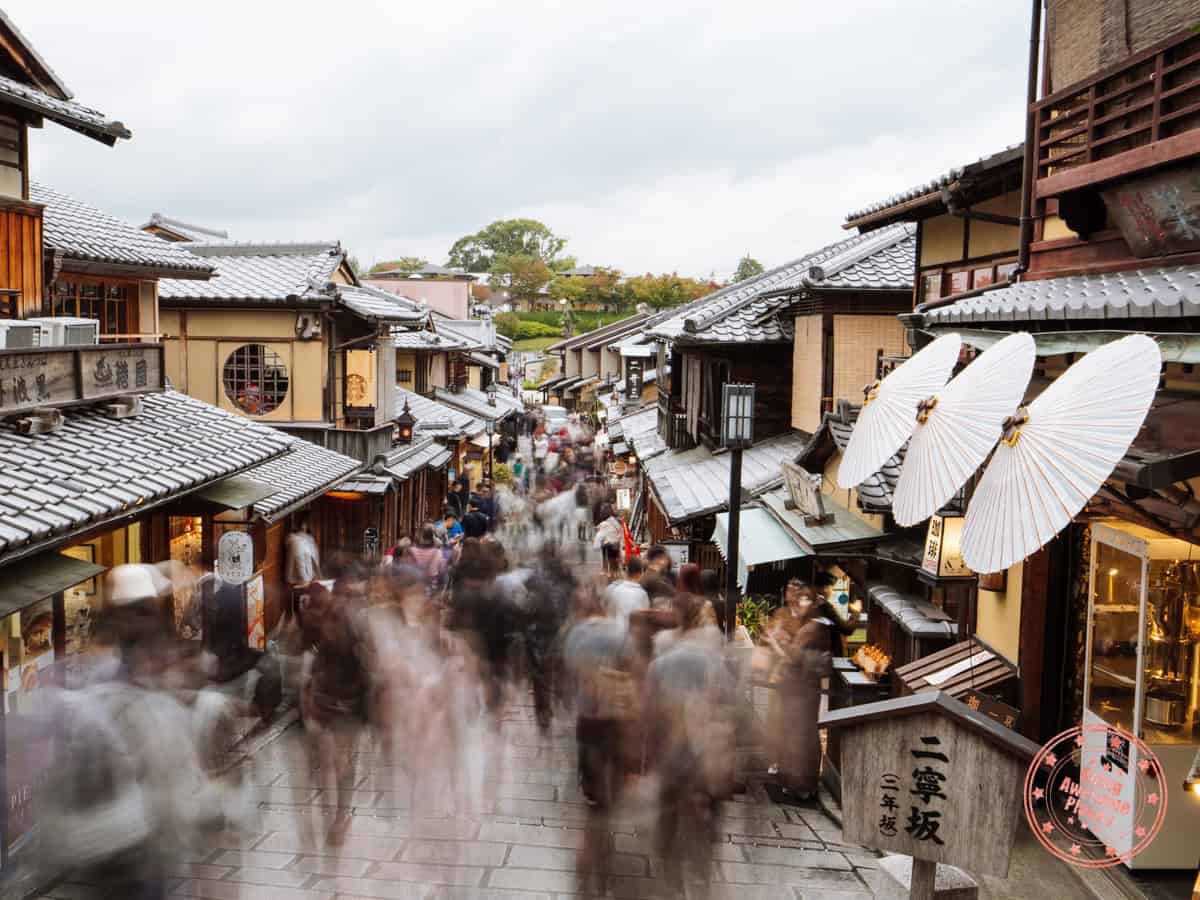
Now it’s time to break down where to stay in Kyoto (hotels and a feature on ryokans) and what to expect in each of the neighborhoods.
Trust me, you need a JR Pass
If you’re planning a trip to Japan, and going to be spending time in Kyoto, Osaka, Hiroshima and Tokyo, I highly recommend getting the JR Pass to make things a lot easier like I did back in 2012 with my 12 Day Japan Itinerary.
Grab your passDowntown Kyoto (Kawaramachi) — Best For First-Time Visitors
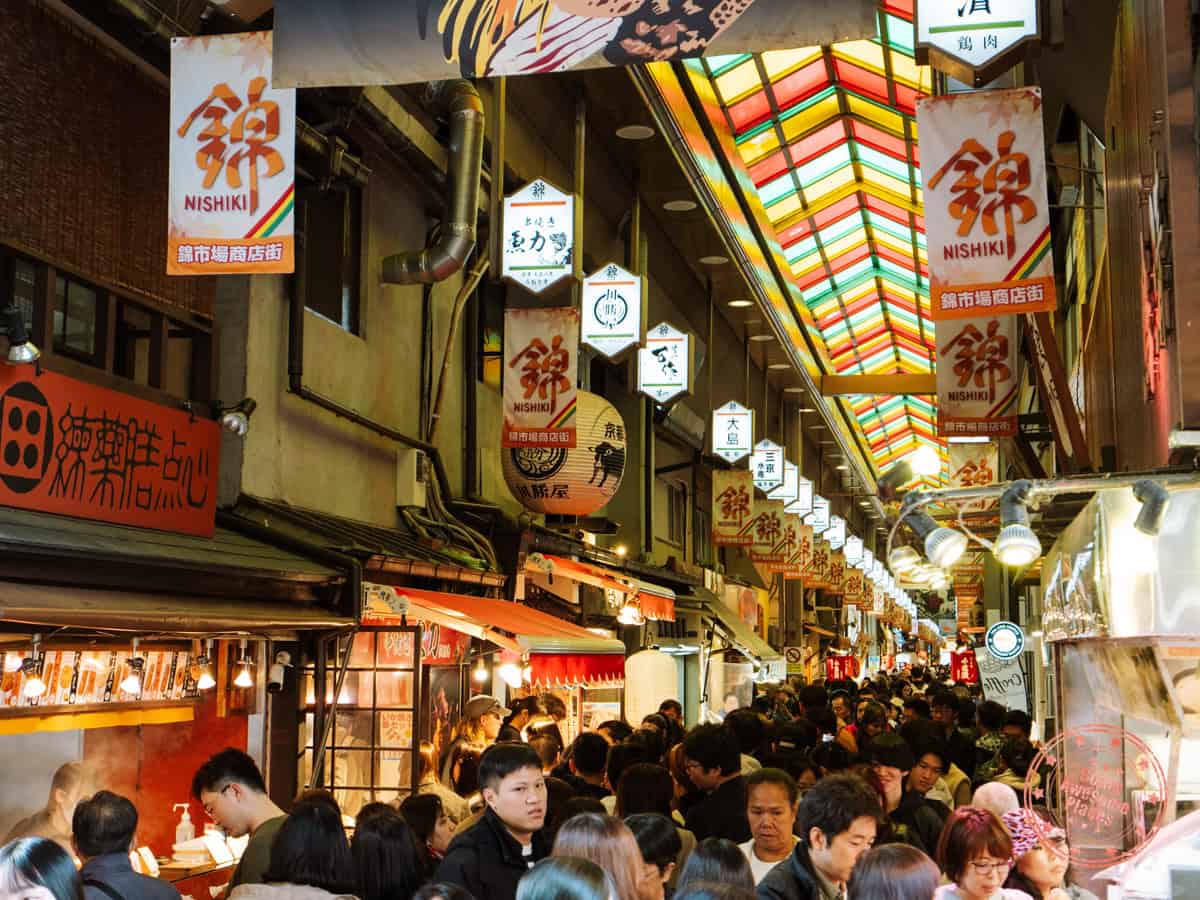
Best for: First-time visitors who want to be close to Kyoto’s top attractions, shopping, restaurants, and transport.
If you’re visiting Kyoto for the first time, Downtown Kyoto is hard to beat. Centered around Kawaramachi and Shijo Street, this lively district puts you within easy reach of many of the city’s biggest attractions while surrounding you with fantastic shopping, restaurants, cafés, and nightlife. It’s the perfect base if you want to experience a little bit of everything without constantly relying on public transport.
The area is incredibly well connected by buses, subway lines, and train stations, so it is an excellent location for reaching attractions across the city as well as day trips to Osaka or Shikoku. After a day of sightseeing, you’ll find everything from traditional izakayas and ramen shops to stylish cocktail bars, while nearby Pontocho offers one of Kyoto’s most atmospheric dining experiences.
During cherry blossom season, Downtown Kyoto is particularly convenient thanks to its central location, giving you easy access to famous Sakura spots across the city. As one of Kyoto’s most popular areas to stay, hotels book up quickly between late March and early April, so reserve your accommodation well in advance.
- Why stay here: You’re within walking distance of Nishiki Market, shopping streets, restaurants, and many of Kyoto’s top attractions, making it the ideal base for first-time visitors.
- Things to consider: This is one of Kyoto’s busiest neighborhoods, so expect plenty of activity into the evening and higher hotel prices during cherry blossom and autumn foliage seasons.
- Nearby attractions: Nishiki Market, Teramachi Shopping Arcade, Pontocho Alley, Nijo Castle, Kyoto International Manga Museum
- Activities:
- Kyoto Cooking Class – In this 1.5 hour cooking class, learn to cook a ‘obanzai’ vegetarian meal or a teriyaki chicken dish with soup and salad from a local in a traditional Kyoto wooden house.
- Nishiki Market and Gion Cultural Walking Food Tour – This is a small group walking tour where you’ll walk through the 400 year old Nishiki Market where you’ll get to sample foods followed by a visit to a shrine dedicated to the god of education.
- Private Walking Tour with a Local – Get orientated in Kyoto with a friendly and passionate walking tour with a local resident. Through your guide, learn the secrets about where to buy groceries, how to get around and much more.
Visit Kinkaku-ji and Fushimi Inari Taisha
Downtown Kyoto is also well connected by bus to famous sights such as Kinkaku-ji and Fushimi Inari Taisha.
The strikingly beautiful Kinkaku-ji, Golden Pavilion has delicate architecture, reflection lake, green leaves, moss gardens, and balanced rocks, get a full 360 degree view of the villa that was built as a retirement villa for a shogun. Nearby is Ryaon-ji which has 15 carefully placed rocks on a perfectly raked sea of gravel – a must-see rock zen garden.
Best Places To Stay In Downtown Kyoto (Kawaramachi)
Budget Ryokan
Daiya Ryokan
A 5 minute walk from Kyoto Station and offers traditional Japanese-style accommodation with a public bath and laundry. Rooms are tatami flooring and futon bedding. Bicycle rental is available. Public bath means shared bathroom and can be reserved for private use.
Mid-Range Hotel
Mitsui Garden Hotel Kyoto Kawaramachi Jokyoji
This is a stylish, modern hotel in the heart of Downtown Kyoto that’s within walking distance of Nishiki Market, Gion, and the city’s best shopping and dining. Comfortable rooms, an excellent public bath, and a prime location make it one of the best-value stays for first-time visitors.
Luxury Ryokan
Nazuna Kyoto Gosho
A luxurious ryokan with a modern spin on a luxurious traditional Japanese Ryokan. The traditional breakfast is cooked in front of you so make sure you opt for that and they also provide a complementary matcha tea ceremony and sake tasting.
Gion — Best For Traditional Kyoto
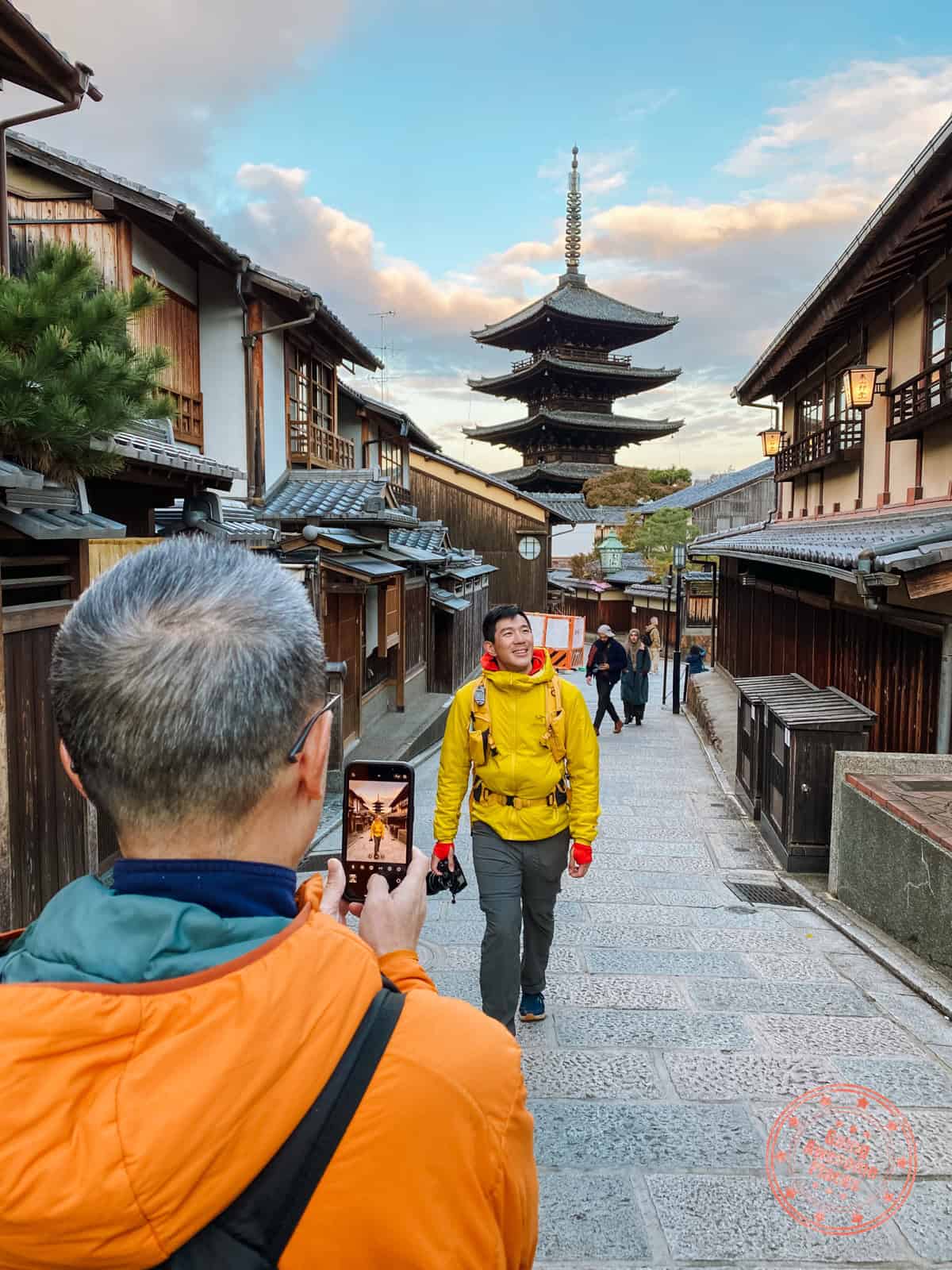
Best for: Experiencing Kyoto’s traditional atmosphere, historic streets, and iconic geisha district.
If you’ve always imagined staying among traditional wooden buildings, lantern-lit streets, and centuries-old tea houses, Gion is Kyoto at its most iconic. As the city’s famous geisha district, it’s one of the most atmospheric places to stay and offers an unforgettable glimpse into historic Japan.
The heart of Gion is Hanamikoji Street, where beautifully preserved machiya houses sit alongside traditional restaurants, boutique hotels, and ryokans. While it’s possible to spot geiko and maiko making their way to appointments, the real magic comes from wandering the quiet streets in the early morning or evening after many of the day-trippers have left.
The area is also home to Yasaka Shrine and borders the beautiful Maruyama Park, making it easy to combine historic sightseeing with leisurely evening walks.
Gion is one of Kyoto’s best neighborhoods during cherry blossom season. Maruyama Park is one of the city’s most famous hanami spots, while the surrounding historic streets become even more picturesque beneath blooming sakura. Because of its popularity, accommodation here is among the first to sell out each spring.
- Why stay here: Stay in Kyoto’s most historic neighborhood, where traditional streets, famous temples, and beautiful evening walks are all right on your doorstep.
- Things to consider: Gion is one of Kyoto’s most expensive areas to stay, and the narrow streets become very busy during the daytime, especially in spring and autumn.
- Nearby attractions: Hanamikoji Street, Yasaka Shrine, Maruyama Park, Kennin-ji Temple, Gion Corner
- Activities:
- Night Walk in Gion – Gion is best seen at night and with your local guide, learn about the history of and lives of the geisha. This a best-seller you don’t want to miss.
- Maiko Performance with Kaiseki Dinner – Maiko’s are apprentice geisha and this is your chance to have an exquisite evening of watching traditional performances and traditional ‘kaiseki’ cuisine.
Experience Kyoto Beyond The Sights
Staying in Gion puts you in the heart of traditional Kyoto. Discover the best cultural experiences, from tea ceremonies and kimono rentals to Zen temples and historic districts.
Immerse Yourself in Japanese Culture in KyotoBest Places To Stay In Gion
Budget Hotel
Hotel Sasarindou
A great-value stay in the heart of Gion, just steps from Yasaka Shrine and Hanamikoji Street. Its spacious rooms, traditional touches, and unbeatable location make it an ideal budget-friendly base for exploring Kyoto’s historic geisha district.
Mid-Range Hotel
Hotel The Celestine Kyoto Gion
A refined hotel that blends modern comfort with traditional Kyoto design, just a short walk from Kiyomizu-dera and Gion’s charming streets. Elegant rooms, a relaxing public bath, and a peaceful atmosphere make it a fantastic mid-range choice for experiencing old Kyoto.
Modern Luxury
Rc Hotel Kyoto Yasaka
A gorgeous beautifully restored hotel with mountain views in a great location. Each room has free wifi, A/C, fridge, and private bathroom. Attention to detail is amazing, with subtle, tasteful finishes throughout the property.
Southern Higashiyama — Best For Historic Temples
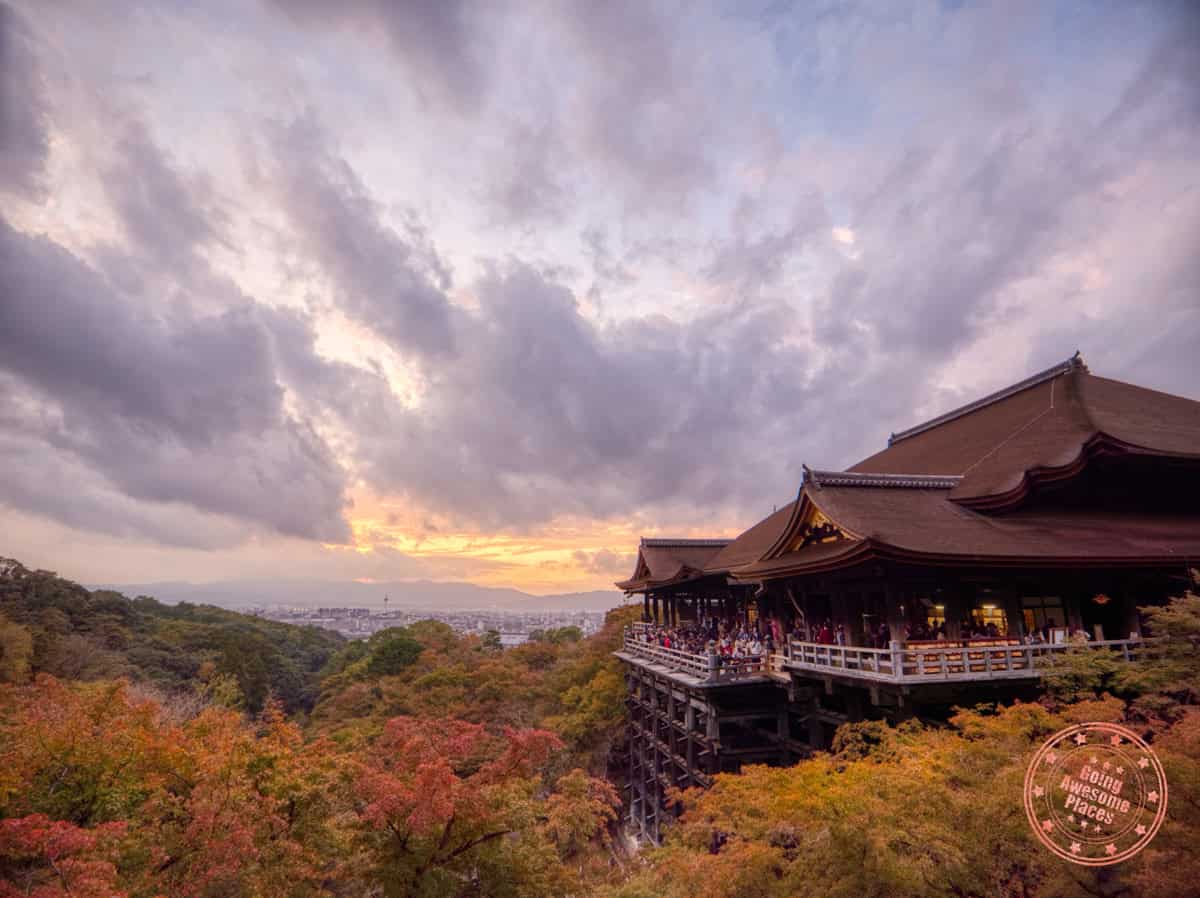
Best for: Temple lovers, photographers, and anyone wanting to immerse themselves in Kyoto’s historic heart.
If your dream trip to Kyoto is filled with ancient temples, traditional streets, and postcard-perfect views, Southern Higashiyama is one of the best places to stay. Home to some of the city’s most famous landmarks, this historic district feels like stepping back in time, with beautifully preserved lanes, wooden buildings, and countless cultural treasures waiting to be explored.
One of the biggest advantages of staying here is being able to explore before the crowds arrive. Early mornings are especially magical as the stone-paved streets of Ninenzaka and Sannenzaka are still quiet, allowing you to experience one of Kyoto’s most photographed areas at its best.
Kiyomizu-dera is just a short walk away, while nearby temples such as Kodai-ji and Chion-in make it easy to spend an entire day exploring Kyoto’s cultural heart on foot.
Southern Higashiyama is particularly stunning during cherry blossom season, when the historic streets and temple grounds are framed by blooming sakura. It’s equally spectacular in autumn, when brilliant red and golden maple leaves transform the surrounding hillsides into one of Kyoto’s most beautiful landscapes.
While Fushimi Inari Taisha is just outside the district, it’s easy to combine with a day exploring Southern Higashiyama’s temples and historic streets.
- Why stay here: You’re surrounded by Kyoto’s most iconic temples, historic streets, and traditional atmosphere, making it ideal for culture lovers and photographers.
- Things to consider: The area is quieter after dark and has fewer transport connections than Downtown Kyoto, while the steep, historic streets may not be ideal if you’re travelling with heavy luggage.
- Nearby attractions: Kiyomizu-dera, Ninenzaka, Sannenzaka, Kodai-ji Temple, Yasaka Pagoda, Chion-in Temple, Kyoto National Museum
- Activities:
- Samurai Performance – This is a 1-hour Kembu show where you’ll learn the art of the samurai. See the intricate movements of a sword performance and hear the stories of Japan’s feudal period.
- Half Day Small Group Cultural Tour – In this 3.5 hour tour, you’ll see everything from Tofukuji, Fushimi Inari-Taisha, and Gion.
Best Places To Stay In Southern Higashiyama
BUDGET RYOKAN
OHTO Ryokan
An affordable Japanese-style room featuring tatmi flooring and good basic amenities. One minute from Keihan Shichijo Train Station and 15 minutes from Kyoto Station.
FRIENDLY RYOKAN
Kamoya Ryokan
This is a traditional ryokan with tatami flooring, TV, and private bathroom. There is wifi in public areas and bikes are available to rent. The location is incredibly convenient and has a friendly host who will make you feel at home.
Luxury Hotel
Park Hyatt Kyoto
Perched on the historic streets of Southern Higashiyama, Park Hyatt Kyoto offers an unforgettable luxury experience with elegant Japanese-inspired design and breathtaking views of Yasaka Pagoda. Its exceptional service, world-class dining, and unbeatable location just steps from Kiyomizu-dera and Gion make it the ultimate splurge for a truly memorable stay.
Kyoto Station — Best For Convenience

Best for: Travelers using the JR Pass, taking day trips, or wanting the easiest transport connections.
If you’re planning to explore more than just Kyoto, staying around Kyoto Station is one of the most practical choices. As the city’s main transport hub, you’ll have direct access to the Shinkansen, JR trains, buses, and subway lines, making it incredibly easy to reach Osaka, Shikoku, Hiroshima, and other destinations across Japan.
The area itself is modern rather than historic, with large hotels, department stores, restaurants, and shopping malls all centered around the impressive Kyoto Station building.
While it lacks the traditional charm of Gion or Higashiyama, you’ll appreciate the convenience after a long day of sightseeing or if you’re arriving with luggage.
During cherry blossom season, Kyoto’s transport network becomes especially busy. Staying near Kyoto Station means you can catch early trains to popular attractions before the biggest crowds arrive or continue your journey through Japan with ease.
- Why stay here: Direct access to the Shinkansen, airport transfers, and local transport makes this the most convenient base for exploring Kyoto and beyond.
- Things to consider: The area feels much more modern than the rest of Kyoto and doesn’t offer the same traditional atmosphere as the historic districts.
- Nearby attractions: Kyoto Station Building, Kyoto Tower, Higashi Hongan-ji Temple, Kyoto Railway Museum
- Activities:
- Kyoto Cultural Forest, Shrine and Temple Tour with Options – A guided tour that takes you to all of the most popular sights in a span of up to 11 hours where you’ll be shuttled around in an air-conditioned and wifi-included coach. Highlights include Kinkaku-ji, Kiyomizu-Dera Temple, Fushimi Inari Shrine, Sagano Bamboo Forest, and Tenryuji Temple. The benefit is that admission is included and guaranteed skip-the-line access.
- Full Day Kyoto Private Walking Tour – Take control of your Kyoto sightseeing and only see the things you want to in this private walking tour. You can customize a 2, 4, or 7 hour tour and put together a package of places that can include the Golden Pavilion (Kinkaku-ji), Fushimi Inari Shrine, Nijo Castle, or elect to see something off-the-beaten-path.
- Kyoto Sake Brewery Tour with Lunch and Fushimi Walking Tour – Start your tour with a visit to Kizakura Kappa Country Sake Brewery where you’ll be able to sample a variety of sakes. Visit the Gekkeikan Okura sake museum to learn more about the brewing process. A yakitori lunch is included and close off with a stroll in the Fushimi area in Southern Kyoto.
Best Places To Stay In Kyoto Station
Budget Hotel
Stay Inn KOTO
This is not a hostel but in fact a pretty comfortable inn to stay at especially in larger groups. Less than 1 km from the shrine, you’ll find this affordable stay quite comfortable here, but be mindful that it is a shared kitchen, lounge, and bathroom.
MID-RANGE HOTEL
Mitsui Garden Hotel Kyoto Station
A stylish and modern hotel just a few minutes’ walk from Kyoto Station, making it perfect for travelers planning day trips or arriving by shinkansen. Comfortable rooms, thoughtful amenities, and an unbeatable location offer excellent value without sacrificing convenience.
LUXURY HOTEL
Inari Ohan
This traditional Japanese holiday home is located 9 minutes away from Fushimi Inari-Taisha. Every unit is a full 2-story holiday home with AC, TV, kitchenette and baby cots if required. They also won a Good Design Award in 2018!
Arashiyama — Best For Nature

Best for: Nature lovers, repeat visitors, and anyone looking for a quieter stay.
For a quieter side of Kyoto, Arashiyama offers a completely different experience. Located on the western edge of the city, this scenic district is famous for its bamboo grove, peaceful temples, forested hills, and the picturesque Katsura River. Surrounded by mountains, cherry blossoms, and beautiful walking trails, it’s the perfect place to slow down and experience a more tranquil side of Kyoto.
While many visitors only spend a few hours here, staying overnight lets you enjoy Arashiyama after the tour groups have left. Early mornings are especially peaceful, whether you’re walking through the Bamboo Grove, crossing Togetsukyo Bridge, visiting Tenryu-ji before the crowds arrive, or simply soaking up the calm atmosphere along the river.
You can also rent a rowboat on the Katsura River, visit Iwatayama Monkey Park, or enjoy a traditional Buddhist vegetarian meal at Shigetsu inside Tenryu-ji Temple.
Arashiyama is particularly beautiful during cherry blossom season, when the riverside and surrounding mountains burst into color. It’s equally spectacular in autumn, making it one of Kyoto’s most scenic neighborhoods throughout the year.
- Why stay here: Beautiful scenery, peaceful surroundings, and easy access to some of Kyoto’s most iconic natural attractions.
- Things to consider: It’s around 30–40 minutes from Downtown Kyoto, so you’ll spend more time travelling to many of the city’s historic sights.
- Nearby attractions: Arashiyama Bamboo Grove, Togetsukyo Bridge, Tenryu-ji Temple, Iwatayama Monkey Park
- Activities:
- Try traditional Buddhist shojin-ryori – Within the Tenryu-ji Temple, is Shigetsu restaurant which is the place to try Japanese Buddhist cuisines. Make reservations online and try the 5,000 JPY set meal.
- Arashiyama and Sagano Walking Food Tour – Get to know Kyoto by spending some time in both Arashiyama and Sagano with this small group tour. Along the way you’ll be able to try rice crackers, fried Yuba cake, Yuba soup, leek pancakes, and traditional Japanese sweets.
- Arashiyama Rickshaw Tour with Japanese Foot Massage Combo – You’ll see these ninjas with rickshaws on the street of Kyoto but perhaps the best place to do it is in Arashiyama where the crowds are a bit more thin which really allow you to see Kyoto’s elegant temples, quiet gardens, and serene shrines. When you’re done, soak your aches away at a Japanese foot soak and massage where a drink is included as well.
- Private Highlights of Kyoto Tour – Looking for a tour that covers everything in Kyoto including Arashiyama, this is a well-packaged private tour that allows you to see everything in the short span of a day. It includes, lunch, snacks, drinks, admission, and also a one day city bus pass after you’re done the 7 hour tour.
Visit Fushimi Inari Taisha
Staying near Kyoto Station also puts you just one JR stop from Fushimi Inari Taisha, making it easy to visit early in the morning before the crowds arrive.
This is an important Shinto shrine that is perhaps the most photogenic spot in the city with its tunnel of torii gates that straddle a network of trails that lead up a mountain. Memoirs of a Geisha was also filmed here.
Best Places To Stay In Arashiyama
COMFY HOSTEL
Mulan Hostel
This is a great basic hostel option. Close to Arashiyama Station, with modern and clean rooms. Bathrooms are shared and WiFi is available throughout.
BOUTIQUE HOTEL
Homm Stay Nagi Arashiyama Kyoto By Banyan Group
Renowned for its tranquil and nostalgic ambience, Homm Stay Nagi Arashiyama Kyoto features Japanese-style rooms that provide an exquisite and comfortable residential retreat. Each room is equipped with luxurious Simmons beds and cosy duck down comforters.
LUXURY
Suiran, a Luxury Collection Hotel
Set along the peaceful Hozu River with a harmonious blend of a relaxing haven and the modern conveniences of a vibrant city. There are 39 rooms, including six specialty rooms, this retreat is inspired by traditional Japanese touches and culture.
Pontocho / Kawaramachi — Best For Food & Nightlife

Best for: Food lovers, couples, and travelers who enjoy nightlife.
If your evenings revolve around discovering incredible food, hidden bars, and lively streets, Pontocho and Kawaramachi are the perfect place to stay. This central neighborhood comes alive after sunset, with narrow lantern-lit alleys filled with traditional izakayas, riverside restaurants, cocktail bars, and some of Kyoto’s best dining experiences.
Pontocho Alley is one of Kyoto’s most atmospheric streets, especially at night when the restaurants open onto the Kamo River. It’s a fantastic area for couples, food lovers, and anyone wanting to experience Kyoto beyond its temples.
Despite its vibrant nightlife, you’re still within walking distance of Gion, Nishiki Market, and many of Kyoto’s major attractions. During cherry blossom season, it’s also an excellent base for evening walks through Gion or visits to nearby Maruyama Park.
- Why stay here: Kyoto’s best restaurants, bars, and evening atmosphere are all right on your doorstep.
- Things to consider: Hotels here can be more expensive, and the area stays lively well into the evening.
- Nearby attractions: Pontocho Alley, Kamo River, Nishiki Market, Gion
- Activities:
- Gion & Pontocho Food Tour with 13 Dishes – Discover Kyoto’s legendary food scene on this small-group evening walking tour through Gion and Pontocho. Visit two local eateries, sample up to 13 traditional dishes paired with drinks, and learn about Kyoto’s geisha culture and history as you explore atmospheric streets with a knowledgeable local guide.
- Kyoto Local Bar Crawl in Gion & Kawaramachi – Experience Kyoto after dark as a local on this guided bar crawl through the lively Gion and Kawaramachi districts. Visit hidden izakayas and neighborhood bars, enjoy drinks with fellow travelers, and discover places you’d likely never find on your own while learning about Kyoto’s nightlife culture.
Best Places To Stay In Pontocho / Kawaramachi
BUDGET HOTEL
Hotel Forza Kyoto Shijo Kawaramachi
A modern, budget-friendly hotel in the heart of Kyoto’s shopping and dining district. Its central location puts you just minutes from Pontocho Alley, Nishiki Market, and Gion, making it an excellent value for travelers who plan to spend most of their time exploring.
MID-RANGE HOTEL
Cross Hotel Kyoto
A stylish and spacious hotel just a short walk from Pontocho and the Kamogawa River. With larger-than-average rooms, modern amenities, and an unbeatable location, it’s one of the best all-around choices for first-time visitors staying in downtown Kyoto.
LUXURY HOTEL
Fauchon Hotel Kyoto
An elegant five-star hotel blending Parisian luxury with Japanese hospitality, just steps from the Kamo River and Pontocho. Chic rooms, exceptional dining, and refined service make it an ideal splurge for travelers looking to indulge while staying in the heart of Kyoto.
Northern Higashiyama — Best For Families & Quiet Streets

Best for: Families, slower-paced trips, and travelers seeking a quieter neighborhood.
If you’re looking for a slower pace and a more residential feel, Northern Higashiyama is an excellent choice. This peaceful neighborhood is home to leafy streets, beautiful temples, museums, and charming cafés, making it ideal for families or travelers wanting to escape Kyoto’s busiest tourist areas.
One of the area’s highlights is the Philosopher’s Path, a picturesque canal-side walk that’s beautiful throughout the year but especially stunning during cherry blossom season when hundreds of Sakura trees bloom overhead.
It’s also close to Ginkaku-ji and Nanzen-ji, offering plenty of cultural attractions without the crowds found elsewhere.
Accommodation here tends to be quieter and more spacious, while still providing straightforward access to Downtown Kyoto by bus or taxi.
- Why stay here: Peaceful surroundings, beautiful walking trails, and easy access to temples without the crowds.
- Things to consider: There are fewer restaurants and nightlife options, and you’ll rely more on buses or taxis to reach some attractions.
- Nearby attractions: Philosopher’s Path, Ginkaku-ji, Nanzen-ji, Kyoto Municipal Museum of Art
- Activities:
- Private Rickshaw Tour of Gion & Higashiyama – See Northern Higashiyama from a unique perspective aboard a traditional rickshaw as your knowledgeable guide pulls you through Kyoto’s beautifully preserved historic streets. Pass centuries-old wooden machiya, hidden temples, and scenic lanes while learning about the area’s history and culture, with plenty of opportunities to stop for photos.
- Kyoto Gion & Higashiyama Historical Walking Tour – Discover the history and culture of Northern Higashiyama on this guided walking tour through some of Kyoto’s most iconic landmarks. Visit Chion-in Temple, Maruyama Park, Yasaka Pagoda, Ninenzaka, and Kiyomizu-dera while your expert guide shares fascinating stories about Kyoto’s traditions, architecture, and religious heritage.
Want An Authentic Kyoto Stay?
If you’re dreaming of tatami rooms, futon beds, and traditional Japanese hospitality, check out our favorite budget-friendly ryokans that deliver an authentic experience without the luxury price tag.
Best Budget Ryokans in KyotoBest Places To Stay In Northern Higashiyama
BUDGET RYOKAN
Ryokan Tori
A charming, traditional ryokan offering an authentic Kyoto experience at an affordable price. Its peaceful location near the Philosopher’s Path and Ginkaku-ji makes it a great choice for travelers wanting a quieter stay away from the crowds.
MID-RANGE HOTEL
Higashiyama Shikikaboku
A beautiful boutique hotel blending contemporary comfort with traditional Japanese design. Located near Heian Shrine and the Philosopher’s Path, it’s a peaceful retreat with spacious rooms and thoughtful hospitality, perfect for exploring Northern Higashiyama at a relaxed pace.
LUXURY HOTEL
Hotel Chourakukan
Set beside Maruyama Park in a beautifully restored historic mansion, this elegant luxury hotel offers old-world charm, exceptional service, and refined rooms. It’s an unforgettable stay for travelers seeking a unique blend of Kyoto history and five-star hospitality.
Kyoto Travel Tips To Know Before You Go
Before you start exploring Kyoto, there are a few practical things worth knowing that will make your trip much smoother.
- Tipping isn’t expected: As with the rest of Japan, tipping isn’t part of the culture and can even create confusion, so keep your change.
- Carry your trash with you: Public trash cans can be surprisingly hard to find in Kyoto, so bring a small bag and hold onto your rubbish until you find somewhere suitable to dispose of it.
- Keep left: Pedestrians generally keep to the left on sidewalks and escalators. If you stop, move to the side so people can pass.
- Stay connected: Having data makes Kyoto much easier to navigate, especially when using maps, checking train routes, or translating addresses for taxi drivers. Get a pocket WiFi like NinjaWifi
- Dress respectfully: Kyoto is home to many temples, shrines, and traditional neighborhoods, so comfortable but respectful clothing is a good idea.
- Save your hotel address: Keep your hotel name and address saved in Japanese on your phone. It’s especially useful for taxis or if you get turned around.
- Carry some cash: Kyoto is increasingly card-friendly, but local markets, food stalls, smaller restaurants, and temples may still prefer or require cash.
- Use 7-Eleven ATMs: Convenience store ATMs are usually the easiest option for foreign cards, especially at 7-Eleven.
Map Of Kyoto Accommodations
Choosing where to stay in Kyoto can be overwhelming, especially for first-time visitors. To make planning easier, we’ve created this interactive map highlighting each neighborhood covered in this guide, along with our recommended hotels. Use it to compare locations, see what’s within walking distance, and find the area that best fits your travel style before booking your stay.
To make the most of the interactive map, you can actually create a copy on your own Google account. First, maximize the map above. From there you can click on the 3 vertical dots on the top right of the red menu. Select “Copy Map”. At this point, you’ll be able to give it your own name and then it’ll be saved onto your own account so you can edit the map as you please. When you open up the Google Maps app, you can recall the map under the “You” tab and at the very bottom the button “Maps”.
Getting Around Kyoto
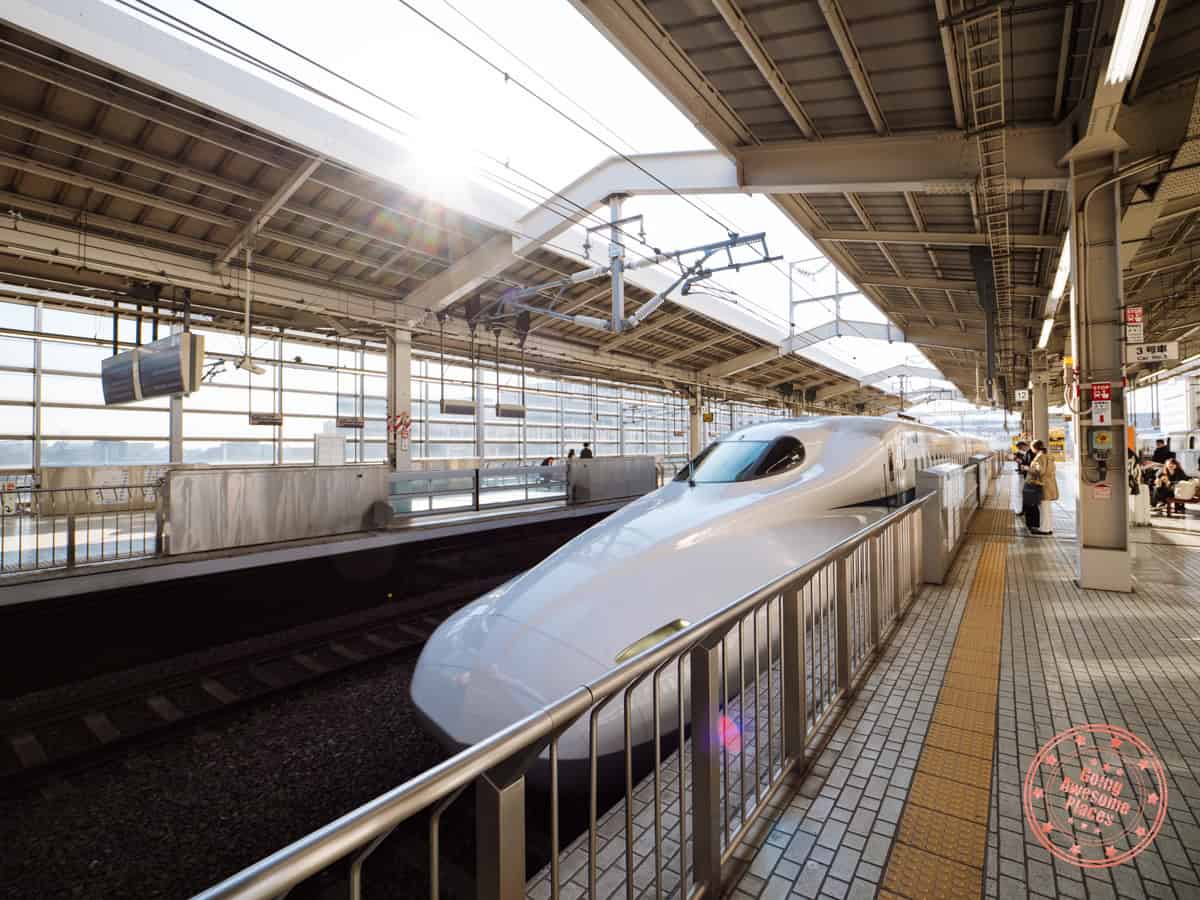
Kyoto has an excellent public transport network, so it is easy to explore the city’s temples, historic neighborhoods, and shopping districts without needing a car. While some attractions are within walking distance of each other, you’ll likely use a combination of buses, trains, subways, and the occasional taxi to make the most of your visit.
Kyoto’s transit system is definitely not as overwhelming as what I detailed in Tokyo’s neighborhood guide which is a good thing. The railway and subway lines are going to be the simplest ways to get around but it is not as comprehensive as you’d think so that’s where the bus system will come into play and worst-case the cab as well.
We’re not going to focus as much on how to get into Kyoto but if you are looking to figure out a way to get here from another part of Japan, the JR Shinkansen is going to be your best bet and that is why the JR Pass is so critical in making your life easier since a 7-day Japan Rail Pass costs about the same as regular round trip tickets.
- Walking
- Many of Kyoto’s most popular neighborhoods, including Gion, Southern Higashiyama, and Downtown Kyoto, are best explored on foot. Wandering the historic streets is part of the experience, allowing you to discover hidden temples, traditional tea houses, and local cafés along the way. Just remember that walking between different districts can take longer than it looks on a map.
- Buses
- Kyoto’s bus network reaches almost every major attraction and is often the easiest way to get to famous sights like Kiyomizu-dera, Kinkaku-ji, and Ginkaku-ji. However, buses become extremely busy during cherry blossom season and autumn foliage, so allow extra travel time and be prepared for queues during peak hours.
- If you’re unsure which bus to catch, Kyoto Station is the easiest place to get your bearings. It’s well signposted in English, has helpful information desks, and you’ll usually find plenty of other travelers heading to the same attractions.
- A handy tip to remember is that on most Kyoto city buses you board through the rear door and exit through the front, paying your fare as you leave. Using an IC card such as ICOCA or Suica makes this process much quicker and saves you from needing exact change.
Personal tip: We found the bus to be the easiest way to reach Kinkaku-ji (the Golden Pavilion), as there isn’t a convenient train or subway line that goes directly there.
- Train & JR Lines
- Kyoto’s rail network is the fastest way to reach destinations outside the city centre and is especially useful if you’re planning day trips or travelling with a JR Pass. Most train lines connect through Kyoto Station, making it the city’s main transport hub.
- If you’re using a JR Pass, you’ll most likely use the JR Sagano Line to reach Arashiyama and the JR Nara Line for Fushimi Inari Taisha and Nara. Private railway companies such as Hankyu, Keihan, and Kintetsu also provide excellent connections to Osaka and other parts of the Kansai region, often giving you more flexibility depending on where you’re staying.

Personal tip: We found the train to be the quickest and easiest way to reach both Arashiyama and Fushimi Inari Taisha. For most other attractions within Kyoto itself, you’ll usually rely on buses or the subway.
- Subway
- Kyoto has just two subway lines, making the network much simpler than Tokyo’s. While they’re useful for getting between key areas of the city, you’ll probably find yourself relying on buses and JR trains more often, depending on your itinerary.
- An IC card such as ICOCA, Suica, or PASMO is the easiest way to pay for buses, trains, and subways throughout Kyoto and much of Japan. Simply tap on and off instead of buying individual tickets, and if you’re arriving from Tokyo, your existing Suica or PASMO card will work perfectly in Kyoto.
- There’s a special pass called the Kansai One Pass specifically for tourists. It gives you discounts at various attractions (i.e. Kyoto International Manga Museum). They are for sale at the Kansai Airport and major railway stations in the region including Kyoto Station. That said, it doesn’t provide any transit discounts and really just acts as a regular IC card.
Personal tip: We only used the subway a handful of times, mainly for quick journeys around the city. For most sightseeing, we found ourselves using buses and JR trains far more often.
- Cycling
- Renting a bicycle is a fantastic way to explore neighborhoods like Arashiyama, Northern Higashiyama, and the Kamo River at your own pace, with rental shops available across the city, including near Kyoto Station.
- Keep in mind that central Kyoto can become busy with pedestrians and traffic, especially around popular attractions. While cycling is a great way to explore local neighborhoods, some destinations, such as Kinkaku-ji, are farther away than they appear on a map, so plan your route accordingly.
- If you’d rather leave the navigation to someone else, a guided cycling tour is an excellent way to discover Kyoto’s quieter streets and hidden corners. This tour is also a good one.
- Taxis
- Taxis in Kyoto are clean, reliable, and easy to find, making them a great option if you’re travelling with luggage, visiting attractions that aren’t well connected by public transport, or simply want a door-to-door journey after a long day of sightseeing. That said, they are a last minute resort kind of thing because they are very expensive, but short journeys can be good value if you’re travelling as a group.
Personal tip: Keep your destination saved in Japanese on your phone. Showing the address or location in Google Maps makes things much easier than trying to pronounce the name, especially if there is a language barrier.
Timing Can Change Your Entire Kyoto Experience
Cherry blossoms, fiery autumn leaves, festivals, and fewer crowds—every season offers something different. Find out the best time to visit Kyoto based on what you want to experience.
When Is The Best Time To Go To Kyoto?What To Pack For Kyoto
Kyoto is a city best explored on foot, whether you’re wandering bamboo forests in Arashiyama, temple hopping through Higashiyama, or browsing Nishiki Market. Comfortable shoes and layers are your best friends, especially if you’re visiting in spring or fall when temperatures can change throughout the day. Here’s what we’d recommend:
- Comfortable walking shoes: You’ll easily clock 20,000+ steps a day exploring Kyoto’s neighborhoods, temples, and gardens, so supportive footwear is a must.
- Day backpack or crossbody bag: Perfect for carrying your camera, water bottle, snacks, and any souvenirs you pick up while wandering Kyoto’s markets and shopping streets.
- Weather-appropriate layers: Spring and autumn mornings can be cool while afternoons warm up quickly. A light sweater or packable jacket will keep you comfortable throughout the day.
- Compact umbrella or rain jacket: Kyoto sees rain throughout the year, and sudden showers are common, especially during the rainy season.
- Portable power bank: Between Google Maps, translating signs and menus, and taking hundreds of photos, your phone battery won’t last all day.
- Reusable water bottle: There are plenty of places to refill your bottle, helping you stay hydrated while reducing plastic waste.
- Camera: From iconic temples and bamboo groves to hidden alleyways and seasonal cherry blossoms or autumn foliage, Kyoto is one of Japan’s most photogenic cities.
- Small cash wallet: While credit cards are widely accepted, some smaller temples, food stalls, traditional shops, and local restaurants still prefer cash.
- Universal travel adapter: Japan uses Type A and B plugs with 100V electricity, so don’t forget an adapter if you’re traveling from abroad.
- Travel eSIM or pocket Wi-Fi: Staying connected makes navigating Kyoto’s trains and buses, finding restaurants, and translating Japanese much easier.
Travel Tips For Staying In Kyoto
A little planning can make a huge difference to your time in Kyoto, especially if you’re visiting during the city’s busiest seasons. Keep these practical tips in mind before booking your accommodation.
- Book accommodation early for cherry blossom season. Hotels in the most popular neighborhoods, particularly Gion and Southern Higashiyama, can sell out six months or more in advance for late March and early April.
- Autumn is almost as busy as spring. Kyoto’s spectacular autumn foliage attracts huge numbers of visitors throughout November, so expect higher hotel prices and larger crowds.
- Choose accommodation near a train or subway station for day trips. If you’re planning to visit Osaka, Shikoku, or Hiroshima, staying close to Kyoto Station or a major transport hub will make travelling much easier.
- Expect buses to be crowded around major attractions. Popular routes serving Kiyomizu-dera, Kinkaku-ji, and Ginkaku-ji can become extremely busy during peak sightseeing hours, particularly in spring and autumn.
- Traditional ryokans often have earlier check-in and curfews. Many include set meal times and have more structured arrival procedures than standard hotels, so check the details before you book.
- Book Gion well in advance if it’s your dream location. As Kyoto’s most iconic historic district, accommodation here is limited and consistently among the first to sell out during peak travel periods.
Which Area In Kyoto Is Right For You?
Choosing where to stay in Kyoto comes down to the type of trip you want to have. If it’s your first visit, Downtown Kyoto (Kawaramachi) offers the perfect balance of sightseeing, transport, shopping, and restaurants. For a truly traditional experience, Gion and Southern Higashiyama immerse you in Kyoto’s historic streets, temples, and timeless atmosphere. Meanwhile, Kyoto Station is ideal for travelers planning day trips, Arashiyama provides a peaceful escape surrounded by nature, Pontocho is perfect for food lovers, and Northern Higashiyama offers a quieter base for families and slower-paced itineraries.
Whichever neighborhood you choose, you’ll never be far from Kyoto’s incredible temples, gardens, and cultural landmarks. The city is well connected by buses, trains, and subways, making it easy to explore beyond your immediate surroundings.
If you’re visiting during cherry blossom season or the spectacular autumn foliage, be sure to book your accommodation as early as possible. These are Kyoto’s busiest times of year, and the best hotels, especially in Gion and the historic districts, often sell out months in advance.
With the right neighborhood as your base, you’ll be perfectly placed to experience one of Japan’s most beautiful and unforgettable cities.
Is Kyoto or Osaka Better To Stay In?
One of the biggest decisions when planning a trip to Japan’s Kansai region is whether to base yourself in Kyoto or Osaka. The good news is that the two cities are only around 30 minutes apart by train, making it easy to visit either as a day trip.
If you’re visiting Japan for historic temples, traditional neighborhoods, beautiful gardens, and a slower pace of travel, Kyoto is the better choice. Staying in Kyoto means you can explore popular attractions like Fushimi Inari Taisha, Gion, and Kiyomizu-dera early in the morning before the biggest crowds arrive, while also enjoying the city’s peaceful atmosphere in the evenings.
Osaka, on the other hand, is ideal if you’re looking for vibrant nightlife, world-class street food, shopping, and a more energetic city experience. Accommodation is often a little more affordable, and it’s an excellent base if you plan to spend more time exploring the wider Kansai region.
For most first-time visitors, we recommend staying in Kyoto for at least two or three nights before continuing on to Osaka. This gives you the chance to experience both cities while making the most of Kyoto’s unique atmosphere, which is at its best after many day-trippers have left.
Frequently Asked Questions
What is the best area to stay in Kyoto for first-time visitors?
Downtown Kyoto (Kawaramachi) is the best area for first-time visitors as it is really central, has excellent public transport, and easy access to Kyoto’s top attractions. You’ll be within walking distance of Nishiki Market, great restaurants, shopping streets, and popular neighborhoods like Gion and Pontocho, making it an ideal base for exploring the city.
Is Kyoto Station a good place to stay?
Yes, Kyoto Station is an excellent choice if you’re planning day trips or travelling around Japan by train. It offers direct access to the Shinkansen, JR lines, buses, and subway services, so it is especially convenient for visiting Osaka, Nara, Hiroshima, and Kansai International Airport.
Is Gion the best place to stay in Kyoto?
Gion is one of the best places to stay if you’re looking for Kyoto’s traditional atmosphere. Its historic streets, wooden machiya houses, tea houses, and proximity to attractions like Yasaka Shrine and Kiyomizu-dera make it incredibly memorable. However, accommodation is generally more expensive than other neighborhoods and books up quickly during cherry blossom season.
What is the best time of year to stay in Kyoto?
The best times to visit Kyoto are during spring (March to April) for the famous cherry blossoms and autumn (October to November) for spectacular fall colors. These are also the busiest seasons, so it’s important to book accommodation several months in advance, particularly in popular areas like Gion and Southern Higashiyama.
How many days should you stay in Kyoto?
Most visitors should spend at least three days in Kyoto to experience its temples, historic districts, gardens, and food scene without feeling rushed. If you also plan to visit nearby destinations like Shikoku or Arashiyama, four or five days allows for a more relaxed itinerary.
Is Kyoto easy to get around without a car?
Yes. Kyoto has an excellent network of buses, subways, and JR trains, while many of the city’s most popular neighborhoods are easy to explore on foot. Renting a car isn’t necessary for most visitors and can actually make parking more difficult, especially in the historic districts.
Is it worth staying in a traditional ryokan?
Yes, staying in a traditional ryokan is one of the most memorable experiences you can have in Kyoto. Many ryokans feature tatami mat rooms, futon bedding, peaceful gardens, and exceptional Japanese hospitality, with some also offering kaiseki dinners and on-site hot baths. While they’re typically more expensive than standard hotels and often have earlier check-in times and set meal schedules, they provide an authentic glimpse into Japanese culture that’s well worth considering, especially for one or two nights of your trip.
Japan Trip Planning Essentials And Discounts
If you’re in the middle of booking your trip to Japan, here are the most important places you need to go to book:
The Japan Planning Toolkit
Flights → Budget → Itinerary, Sorted
With multiple trips stamped in my passport I’ve tried and tested the best way to plan a trip to Japan and created something really helpful. This is the system we use to plan Japan trips properly – step-by step – without being overwhelmed.
JR Pass
The two most reliable places we always check are JRailPass and JRPass. If you are taking long distance Shinkansen across multiple region, get the full JR Pass. If you’re focusing on one specific area, you only need a JR regional pass. The official booking platform is Smart-Ex.
Shinkansen
The JR Pass prices have gone up and for many of you, it’ll make more sense to book tickets individually. The secret is that when you buy your Shinkansen tickets through Klook offers special vouchers for Don Quijote and BIC when booking. Their tickets are super easy to redeem as well. Right now, use code SKS10OFF to save $10 USD off.
Tours
While Viator and GetYourGuide are our go-to’s, Klook and KKDay are much popular in Asia so it’s always worth comparing across all of them to make sure you get the best price. With Klook, use code GOINGAWESOMEPLACES to save up to 8% for new users and 3% for existing users.
Pocket Wifi

While we do love eSIMs, having a pocket wifi is great for sharing data with a large group. The most popular is NinjaWifi which is easy to pick up at the airport. Use code AWESOME15 to save 15% (automatically applied). Alternatives are offered by JRPass and JRailPass but they aren’t as cheap. For a more global solution, consider Solis and PokeFi.
Car Rental
Big companies such as Budget, Avis, and Enterprise operate in Japan but they’re usually the most expensive. The best companies are the local Japanese ones such as Toyota, Nippon, Orix, Nissan, and Times Car Rental. To make things easier, use Booking’s car rental platform and Klook to compare prices all in one place. Don’t forget, you need an IDP to drive in Japan so get one before you leave your home country.
Learn Japanese
It helps to know even a bit of the language before you go. Start your learning with Rosetta Stone Japanese.
Cash or Credit
Cash is still very important to have in Japan but when you use credit cards, make sure you’re not getting charged those extra exchange rate fees. The best card right now is the Wise Multi-Currency Card which is actually a debit card where you can convert at favorable rates beforehand. This cuts out any sneaky transaction fees.
Travel Insurance
Make sure you’re covered in case something happens. Get quotes from HeyMondo where booking through our link gets you 5% off automatically and if you’re from Canada, get quotes from RATESDOTCA.
Shopping
Discovering Don Quijote is a quintessential part of the Japan experience. The secret for tax-free shopping is that they have a coupon that can help you save 10% off + additional 5% off if you spend ¥10,000 or more. If you’re interested in coupons like this, we have them stored on our Goodies page that Insiders can access. Join today!












 English (US) ·