
 4 weeks ago
98
4 weeks ago
98
If you’re planning a trip to Barbados and wondering what there is to do on this beautiful island, then you have come to the right place. Jess and I have been lucky enough to visit and explore all around this beautiful Caribbean island, and in this guide we’re going to share with you all our favorite things to do in Barbados.
Barbados has plenty to offer the visitor, beyond the obvious of beaches, crystal clear waters, and warm weather!. Of course, the beaches are spectacular and those seeking the sun aren’t going to be disappointed. But there is plenty more to explore and discover, from delicious seafood to historic rum distilleries to a variety of cultural attractions.
Whether you plan to spend the majority of your time on the beach or you want to learn more about the history of this beautiful island and its people, this guide should give you plenty of ideas for what to do. Let’s get started!
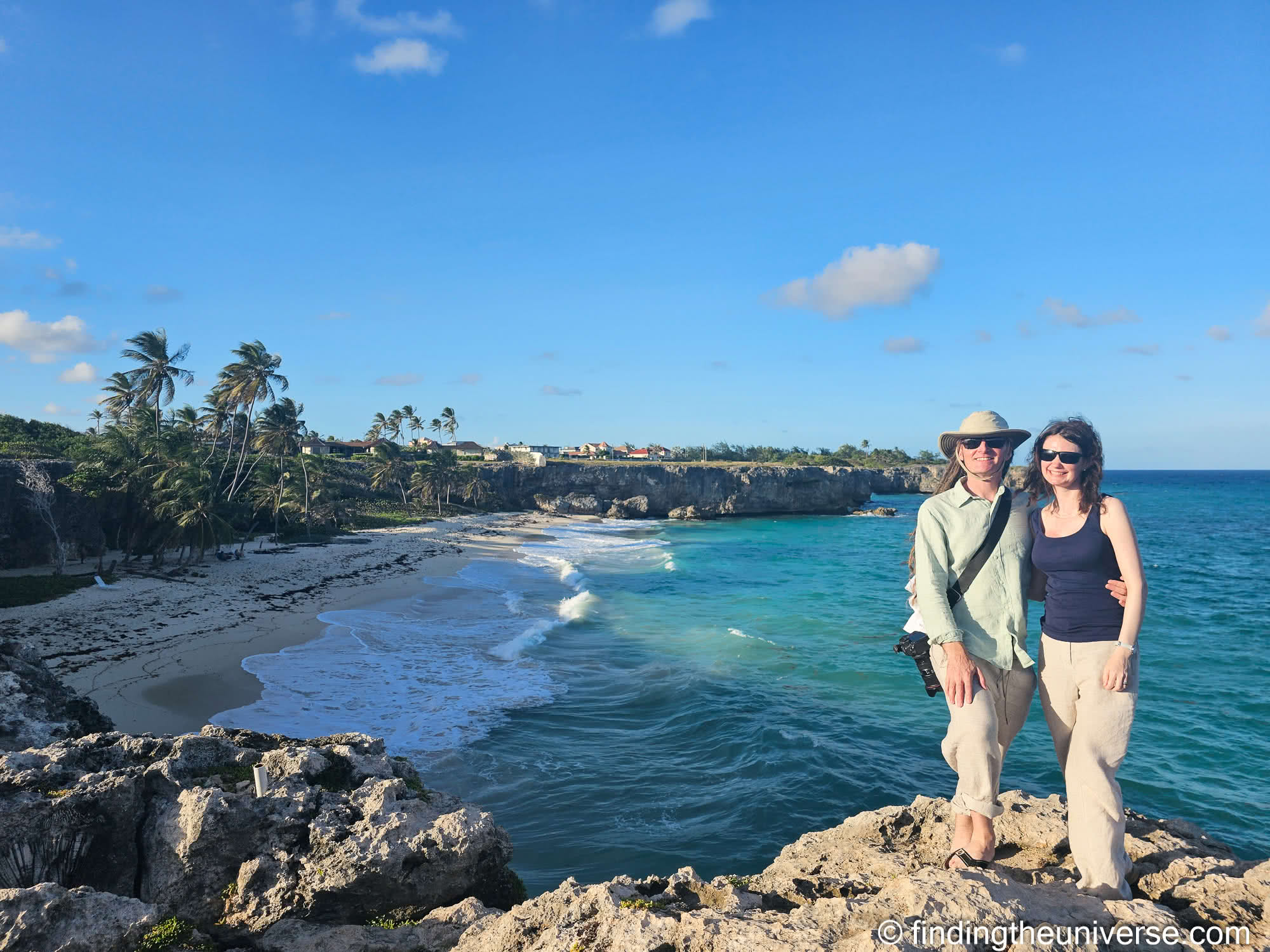
Table of Contents:
- Things to do in Barbados
- Go to the Beach
- Take a Rum Tour
- Go to the Oistins Fish Fry
- Go Shopping
- Take a Catamaran Tour
- See the Horses at Pebbles Beach
- Play Golf
- Try Bajan Food & Drink
- Go Surfing
- Visit Museums, Historical Homes, & Cultural Sites
- Explore a Cave
- Meet the Wildlife
- Wander Tropical Gardens
- Cricket
- Where to Stay in Barbados
- How to Get to Barbados
- How to Get Around Barbados
- Tours in Barbados
- Further Reading
Things to do in Barbados
We’re now going to go through everything we can think of when it comes to things to do in Barbados. As you’ll discover, there’s quite a bit to see and do here!
Go to the Beach
Probably the most popular activity in Barbados is to visit one of the many beautiful beaches. There are a variety of beaches across the island with soft white, brown, and coral pink sands. Many are postcard-perfect, fringed with palm trees and surrounded by warm turquoise waters.
There are many beaches to choose from around the island. Those on the southwest and west coasts tend to be the most popular as they generally offer the safest swimming and that quintessential palm-fringed sandy beach vibe.
Beaches on the east coast are much rockier, and swimming is not advised at most of these due to the rocks and dangers of rip currents. However, these east coast beaches are often good surf spots for more experienced surfers (more on this later on in our guide), or for those looking for a nice walk on the beach.
If you are traveling with kids, most families recommend the West or South coast beaches for the safest swimming and most facilities. Follow local and lifeguard advice as even safer beaches can have more dangerous areas.
Beaches in Barbados are free and open to the public. Services like umbrella, chair, and sun lounger rental are available for a fee at many of the larger and more popular beaches.
If you’re wondering which beach is the best in Barbados, then we’ve put together a list of our favorite beaches for you to check out. Honestly though, it’s hard to go wrong with a beach choice, they’re all pretty excellent.
- Dover Beach (South) – Located on the south coast in the popular Saint Lawrence Gap neighborhood, this stretch of white sandy beach offers safe swimming. Parts of the beach have lifeguards on duty, and loungers and umbrellas are available to rent. There are also many bars and restaurants here. We actually stayed at an apartment just off this beach for a few days and very much enjoyed having it on our doorstep. Great place for families.
- Enterprise Beach / Miami Beach (South) – This lovely beach is actually along 2 bays separated by a bit of land and a lifeguard station. Popular place for swimming, snorkeling, picnicking, and relaxing. The western side is calmer and more safe for swimming. The path to the beach is located behind the Oistins Post Office. Very popular spot for locals from the Oistins area, especially on the weekends.
- Pebbles Beach / Brownes Beach (Southwest) – This long stretch of beach along Carlisle Bay is the main beach in Bridgetown, and it’s a popular spot for snorkeling as turtles are often found in the waters here. There are also a number of shipwrecks just offshore. The beach itself is very nice, although does have limited shade. There’s free public parking at various locations along the beach here. The southern stretch of the beach is known as Pebbles Beach, and is where you can come to see the horses swimming in the mornings (more on this later in the guide). A great beach if you are staying in downtown Bridgetown as you will probably be able to walk here.
- Paynes Bay Beach (West) – This is one of the more famous beaches in Barbados, largely due to its proximity to One Sandy Lane, a prestigious accommodation which is home to celebrities. The beach itself is certainly very nice, although access and parking can be a little tricky, especially on the weekends. When we visited, we came early on a Sunday and had no problem finding parking. Another popular beach for families.
- Mullins Beach & Gibbes Beach (West) – These are two popular Platinum Coast soft sandy beaches outside of Speightstown. Mullins is a popular place for swimming and snorkeling. Mullins Beach has more facilities, including rentals and a beach bar, while nearby Gibbes has almost no services and is generally quieter. Gibbes has some steep drop offs, so Mullins is a safer bet for families.
- Bathsheba (East) – If you prefer a beach to walk on rather than to swim in and like your beaches more wild, we’d recommend this one. The currents and riptides make it dangerous to swim here; however, if you like your beaches of the wild, untamed variety, with crashing surf, gorgeous views, and few people, then a trip to Bathsheba beach is highly recommended. It’s a lovely beach for a walk, and to enjoy a wilder ocean view. It’s also one of the best spots in Barbados to surf (if you know what you’re doing), or to watch surfers who know what they are doing.
- Crane Beach (Southeast) – This beach is located below the historic and sprawling Crane Resort and is very convenient for anyone staying or eating here. Being on the southeastern side of the island the beach does get slightly larger waves and is particularly popular with those looking to boogie board. Just note that seaweed can be an issue here at certain times of the year (as it can be on many southern and western beaches).
- Bottom Bay (Southeast) – If you’re looking for a quieter beach with minimal development, then the beautiful Bottom Bay beach might be just the ticket. Found on the south east coast of the island, this beach is partially enclosed by high coral cliffs, and accessible by a stone staircase. As you walk down there are loads of coconut trees and there are often men here selling coconuts and drinks. The beach is smaller and waters can be a bit rough and the currents strong, so swimming here is only recommended if you are a very confident swimmer.
There are by some counts over 80 beaches in Barbados, so there are loads more of them all around the island. But the above are some of the most popular and picturesque ones to get you started.
One thing to be aware of is that at times some of the beaches in Barbados can be affected by seaweed, particularly Sargassum seaweed. This can sometimes be quite thick, and can be both an eyesore as well as smell fairly bad.
Generally, beaches on the south and east coasts of Barbados are more likely to have seaweed and it’s mostly likely to occur between March and October. But it depends on prevailing currents and winds. The western beaches tend to get much less seaweed so you can almost always find a seaweed free beach on the island.
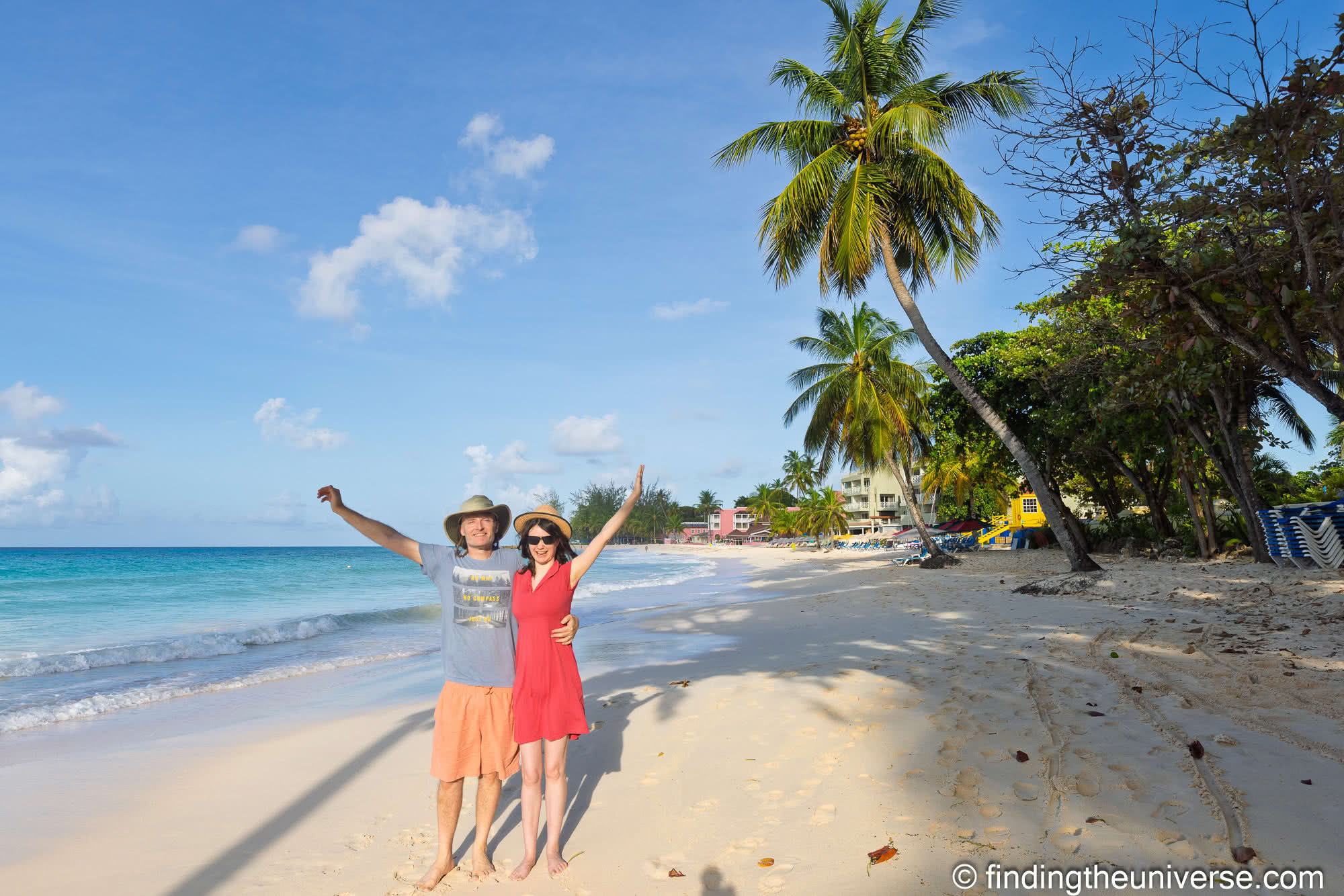 Dover Beach
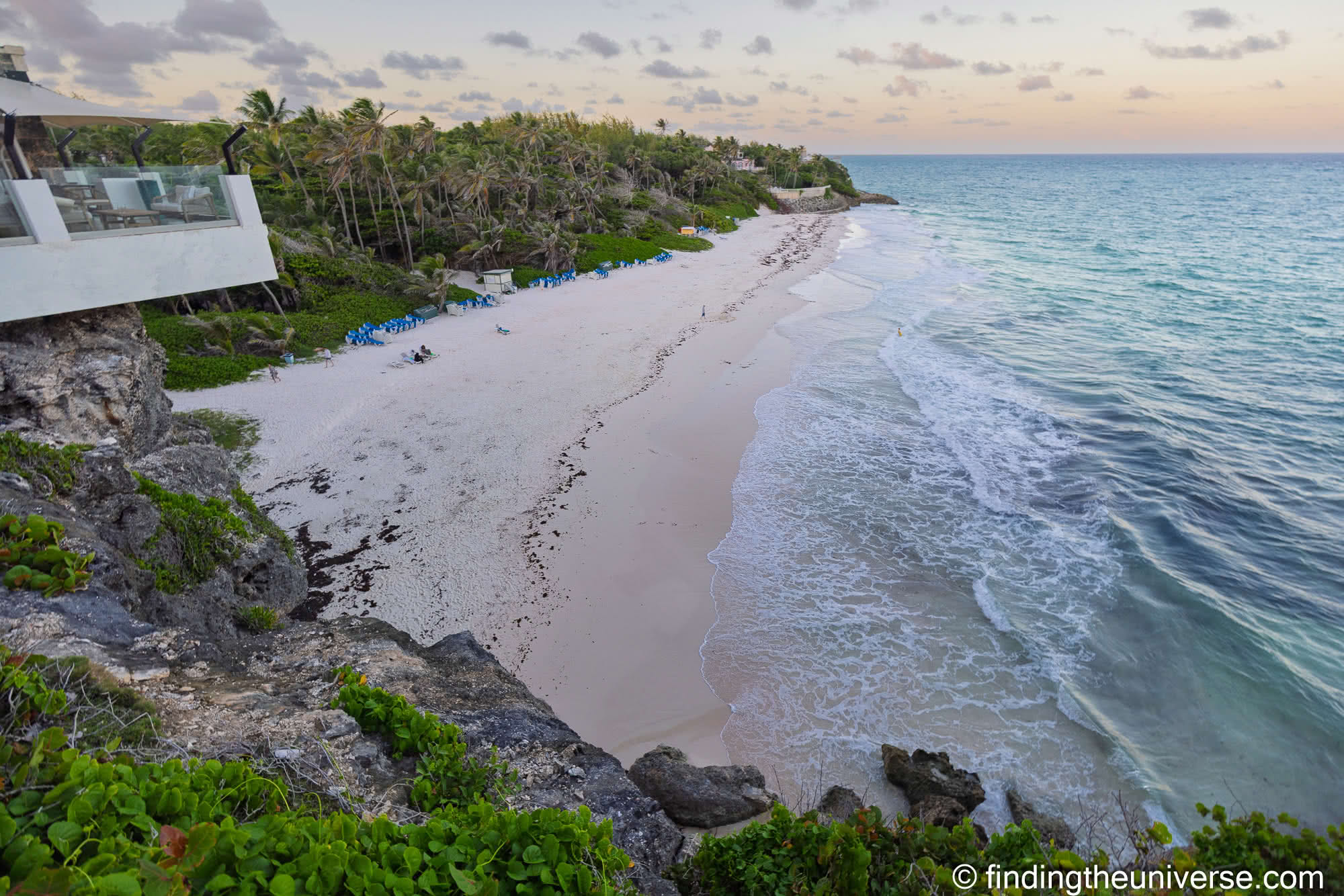 Crane Beach
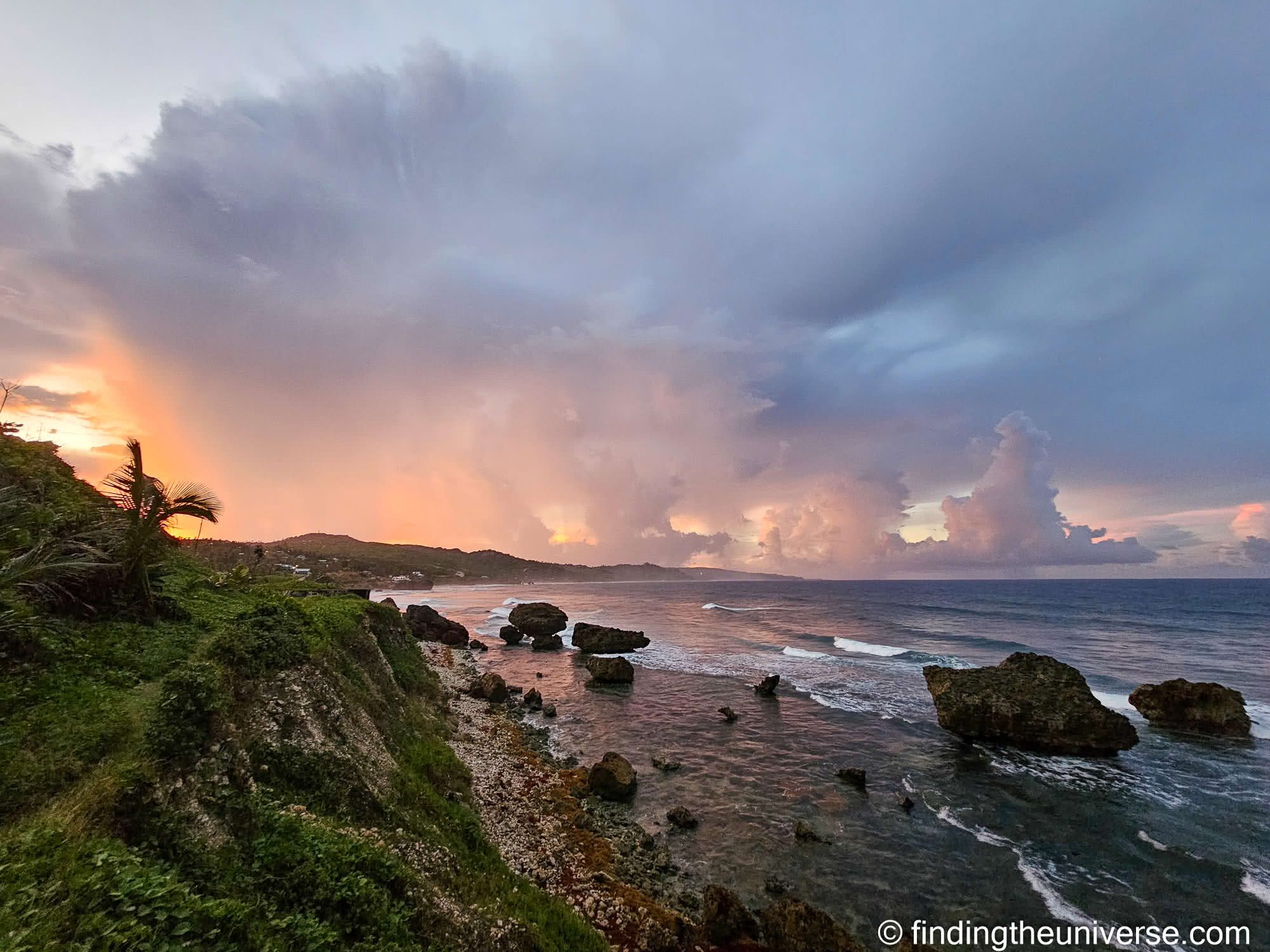 Bathsheba
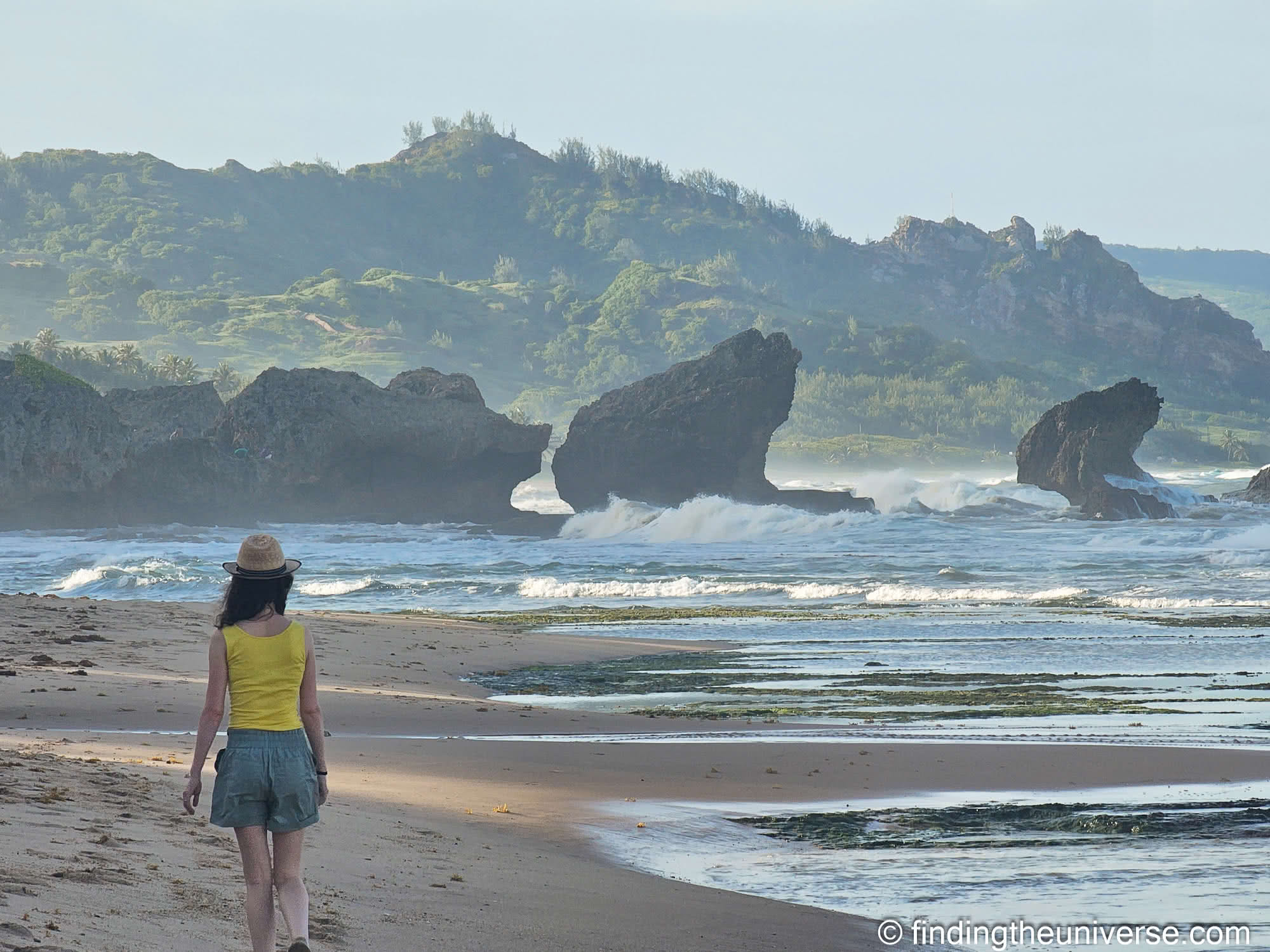 Bathsheba
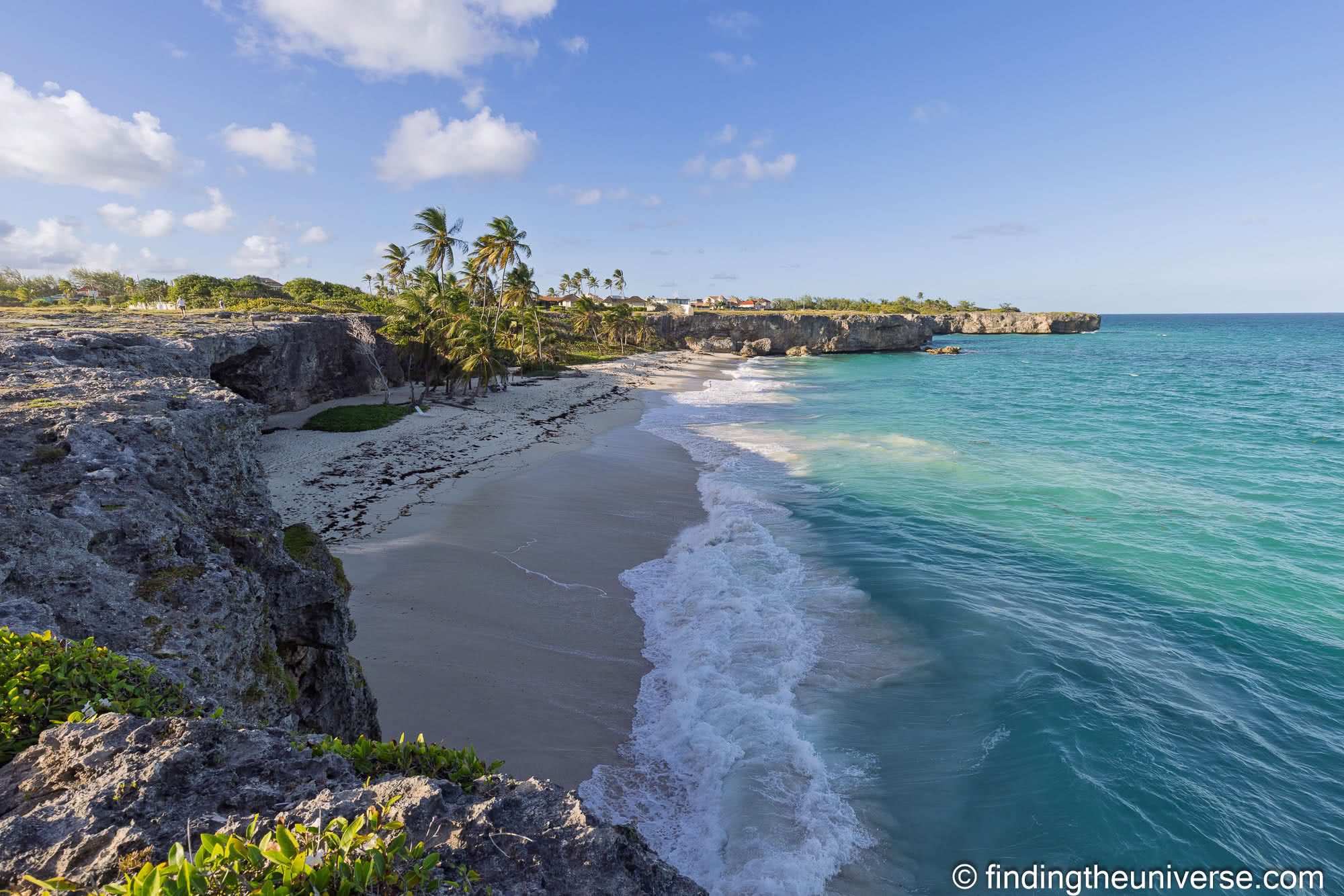 Bottom Bay
Take a Rum Tour
The history of the origins of rum are much debated, with competing theories as to how and where it was first invented. But generally it is believed that it likely originated in the West Indies, probably Barbados, in the 17th century.
What is known for certain is that, like many islands in the Caribbean, Barbados has been a major producer of sugar cane for centuries. And to make the most money from their plantations, plantation owners used enslaved people for labor.
It is believed that these enslaved people fermented molasses, a sugarcane processing byproduct, to create an alcoholic beverage the locals referred to as “Kill-Devil”. Realizing the commercial potential, plantation owners quickly started to produce this drink on a wider scale for export, and by the 1650s the drink was widely known as rum.
So whilst fermented drinks made from sugarcane byproduct likely were created at various points throughout history, Barbados certainly has a good claim on creating and commercializing the drink we know today as rum.
The good news for you as a visitor to Barbados is that rum is widely available to taste and you can learn all about the production of rum by taking a tour. This is one of the most popular tourist activities on the island.
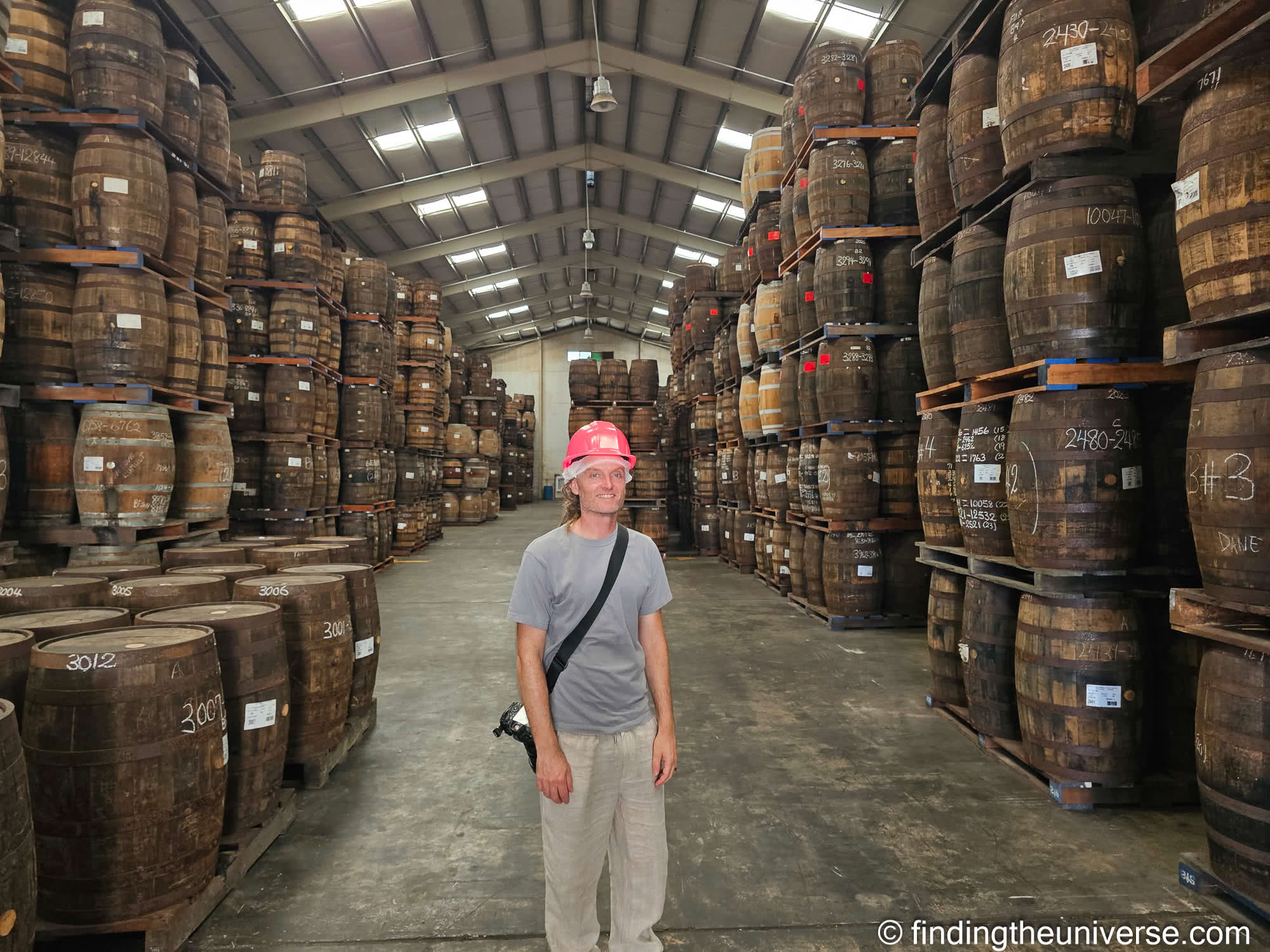
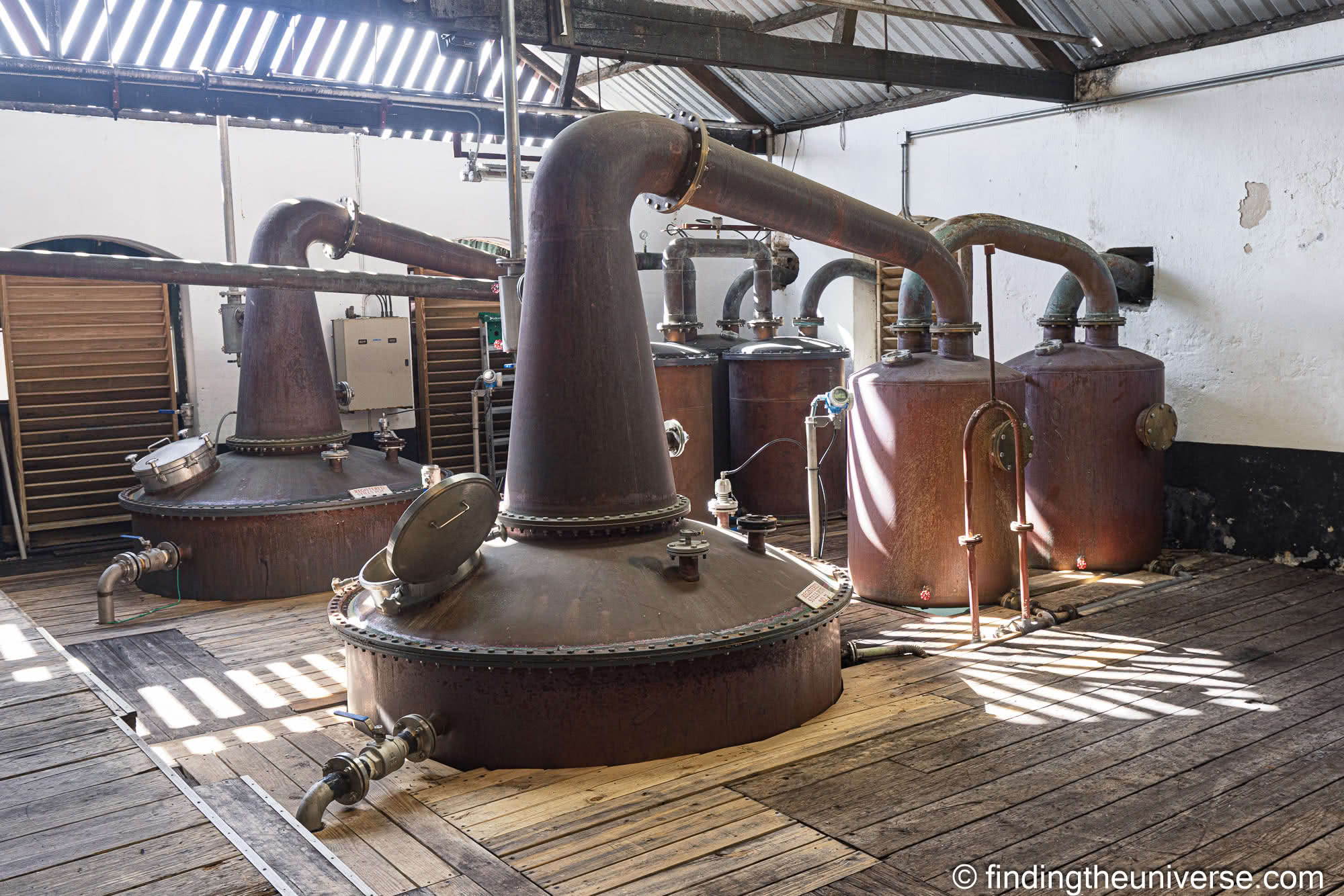
We visited the Mount Gay Distillery, which has been producing rum since at least 1703, making it the oldest rum distillery in the world! The distillery is located in the far north of the island, in the St. Lucy parish around a 45 minute drive from Bridgetown.
We took the two-hour tour which takes you around the distillery and walks you through how rum is produced. There’s also tasting.
Note that most of the tour is in very old buildings which are generally not air-conditioned. You also absolutely need to pre-book this tour, you can’t just turn up as there’s no office on site to receive visitors.
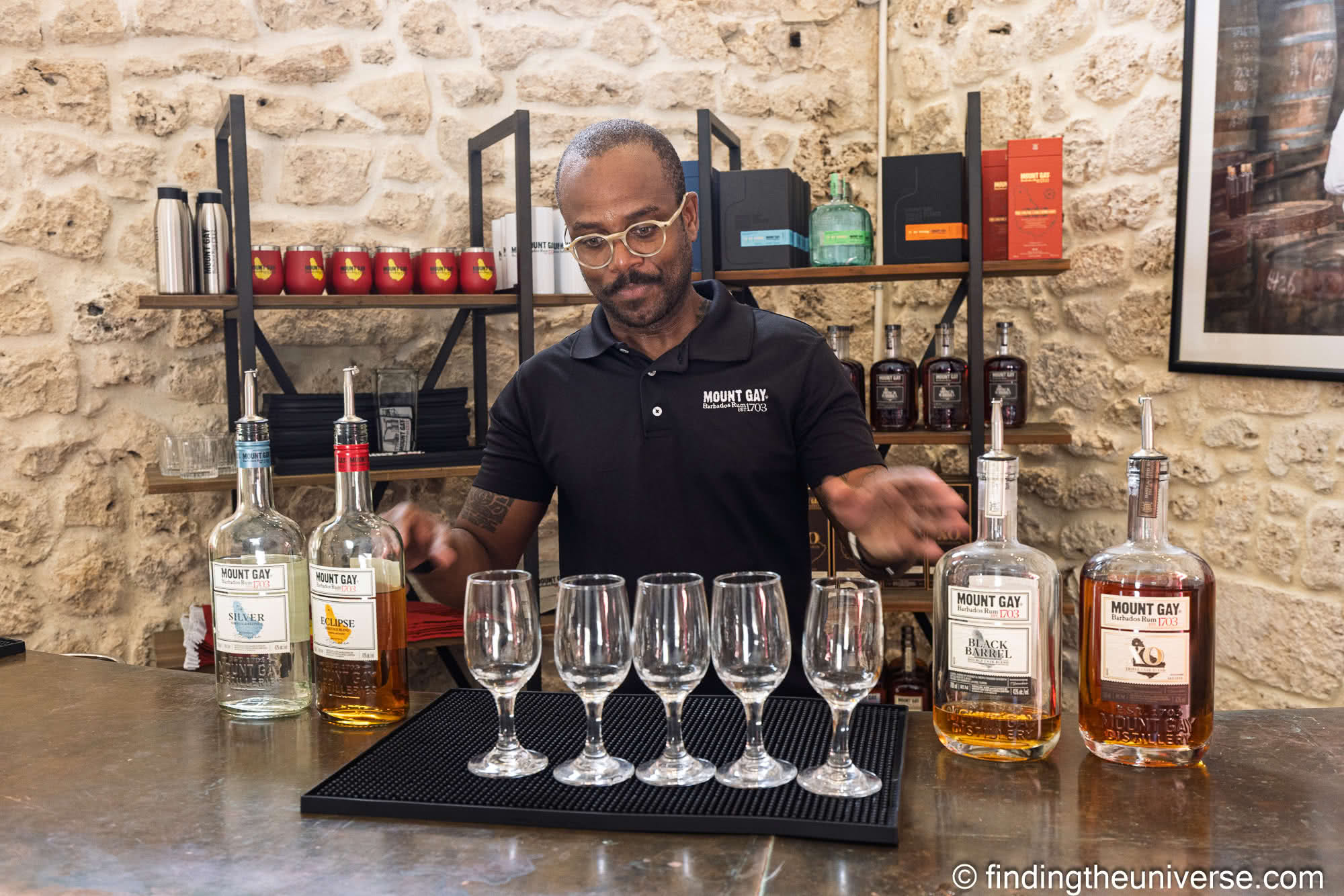
We also visited the Mount Gay Distillery visitor center in Bridgetown. Here you can also learn about the history of rum production on the islands through a small exhibit and informative video. Various tours are available, which include tastings of course, and there’s also a full bar.
Honestly, both locations are interesting, although I’d recommend picking one or the other. Unless you are super interested in the history of rum production and absolutely must see the world’s oldest working rum distillery, I’d say that most people would be happy with the more easily accessible tour at the visitor center.
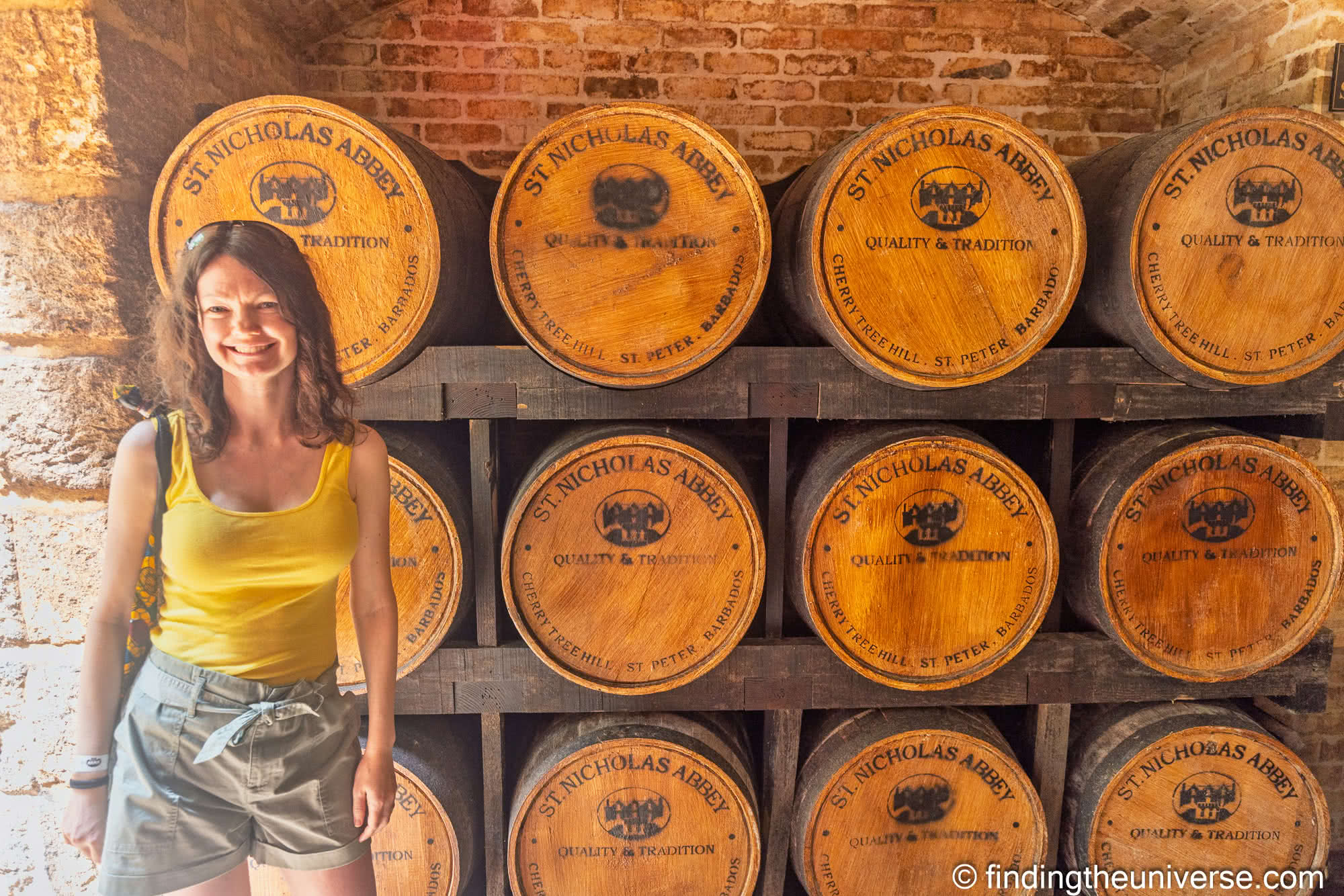
There are also a number of other rum distilleries on the island that you can visit, including the Foursquare Rum distillery, Stade’s Rum Distillery, and St. Nicholas Abbey. If you visit St. Nicholas Abbey, there is a short rum distillery tour and tasting included if you book tickets for the house tour.
In general based on our experience, we’d recommend most people take the Mount Gay Distillery tour and tasting at the visitor center in Bridgetown. It is a great tour for anyone interested in learning about rum and having a chance to taste it afterwards. It is also conveniently located for most visitors.
For those really interested in the making of rum, then we’d also recommend the 2 hour pre-booked distillery tour at the Mount Gay Distillery at St. Lucy parish or the distillery tour at Foursquare Rum Distillery. Just be sure to take into account travel time.
Go to the Oistins Fish Fry
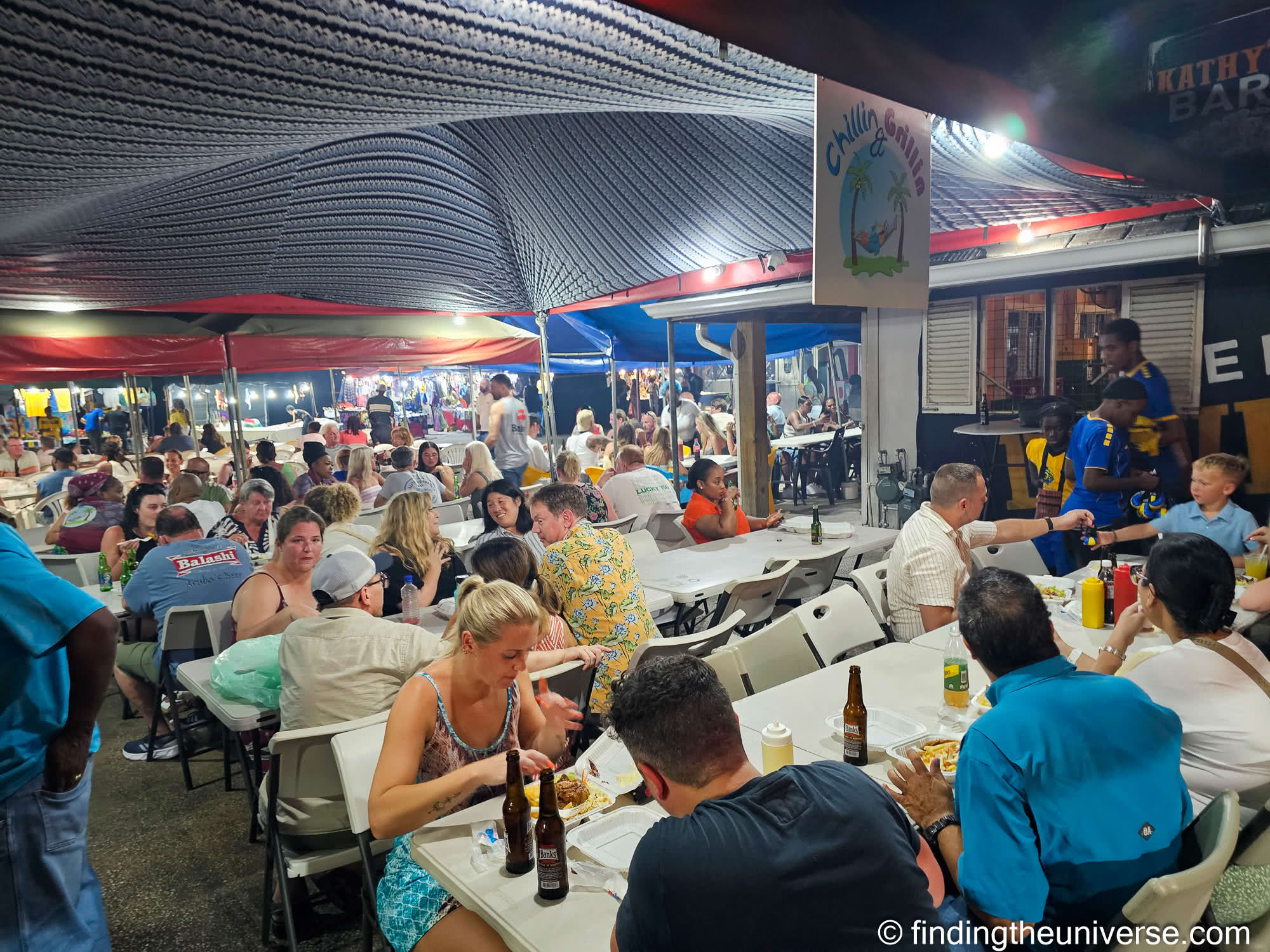
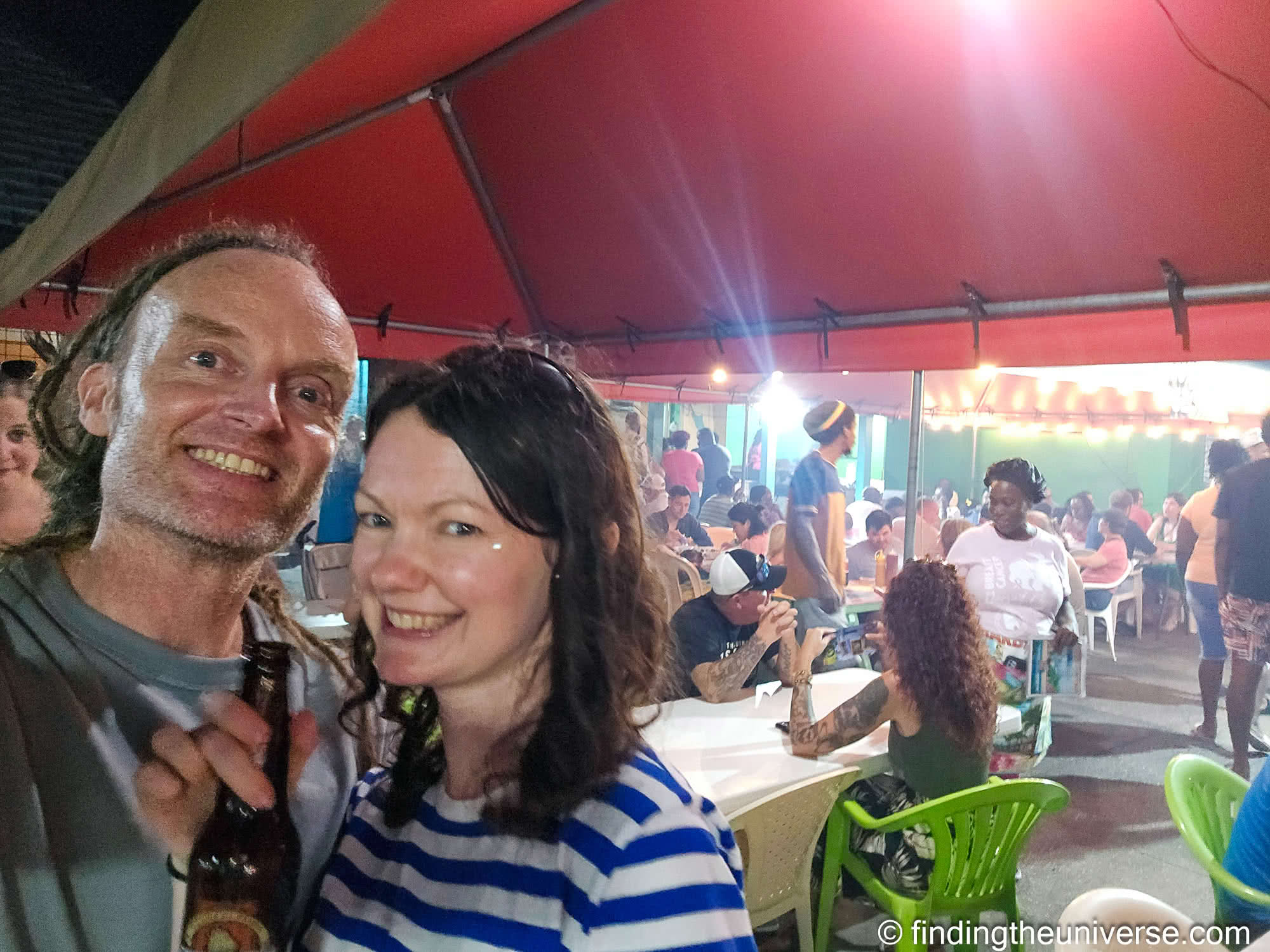
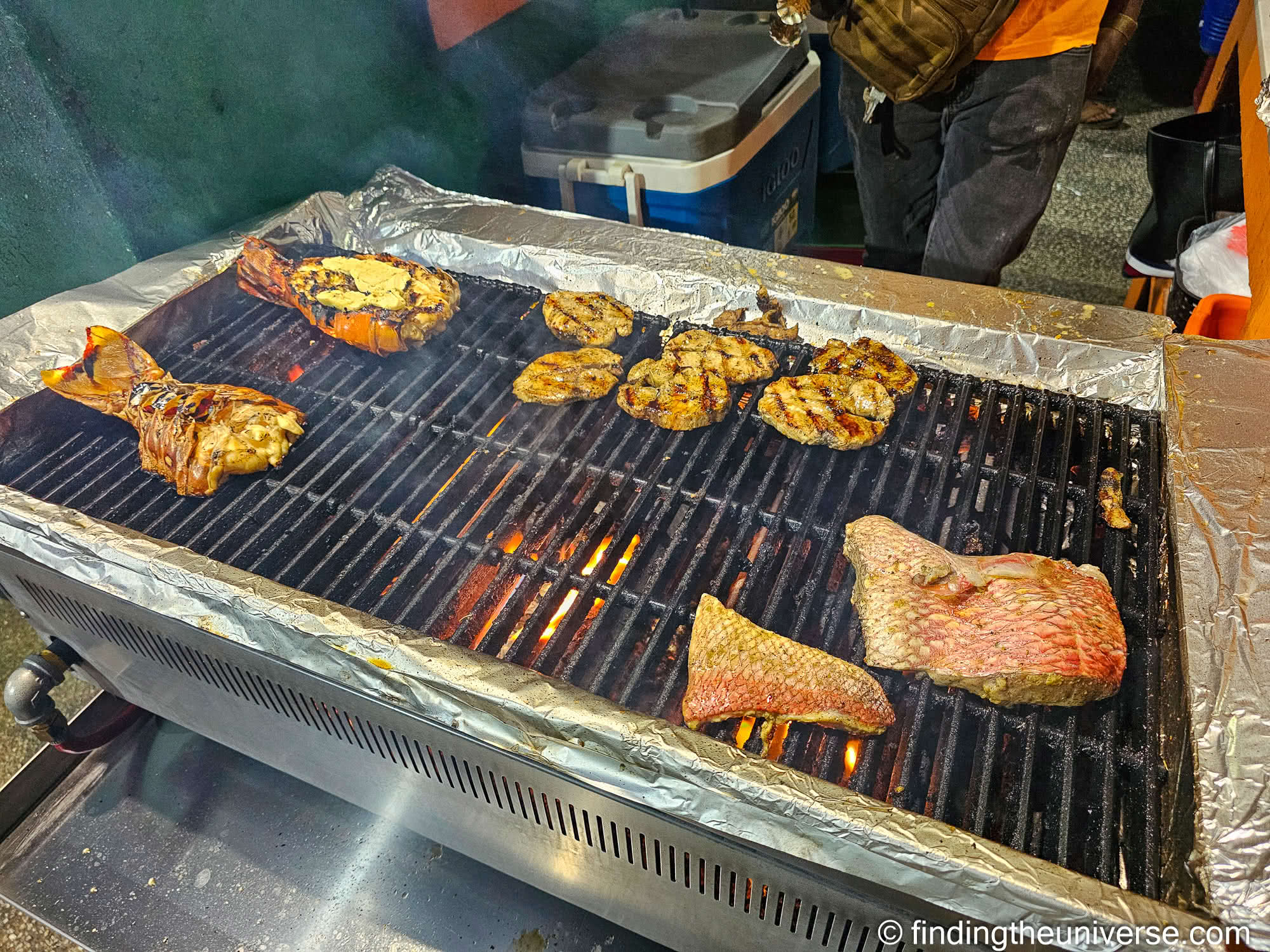
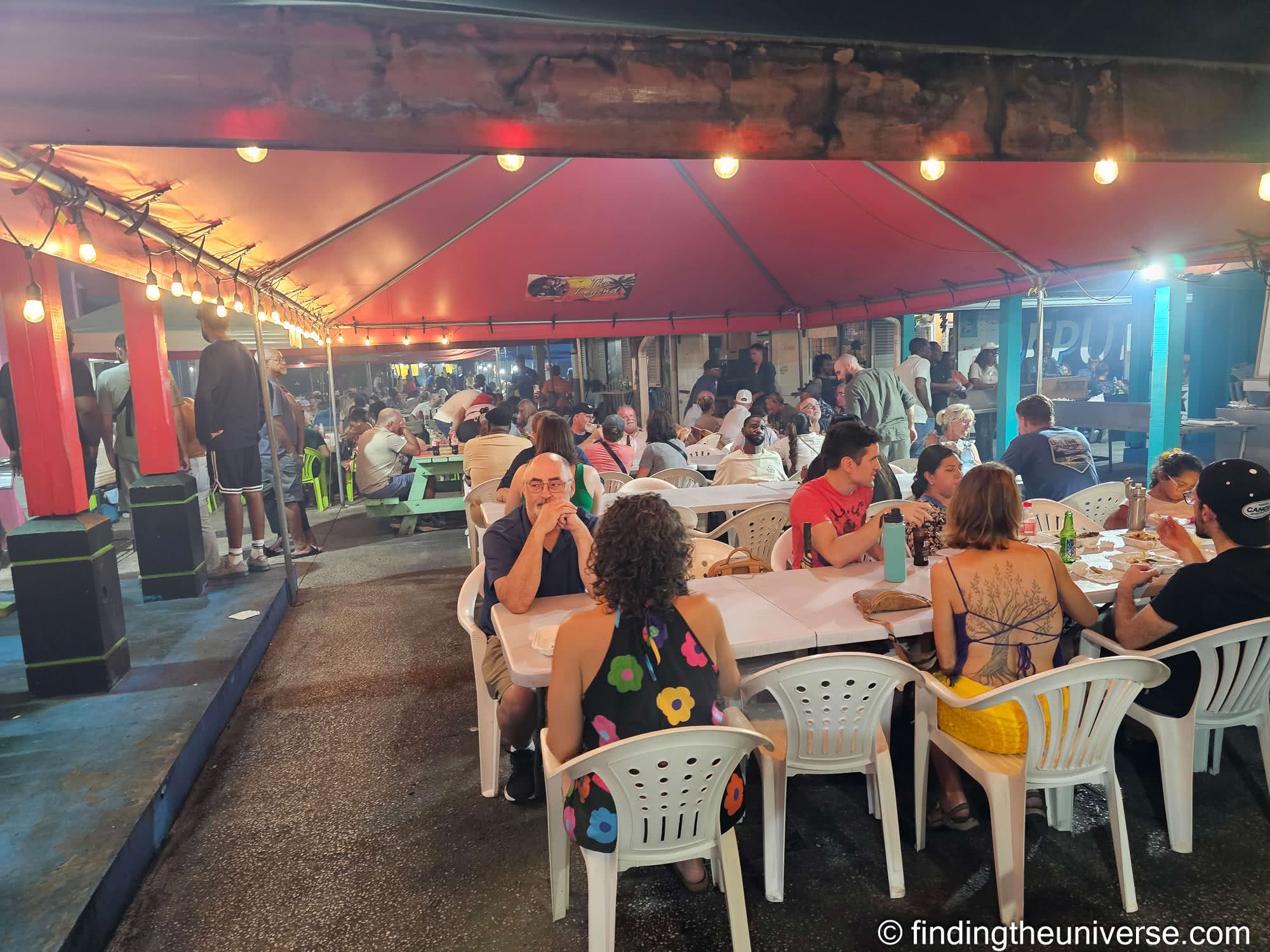
One activity you shouldn’t miss in Barbados is the Oistins Fish Fry. This takes place at Bay Gardens by the fish market in Oistins on the south coast. Every Friday night, a large street party brings local and tourists together and it transforms into the liveliest place on the island.
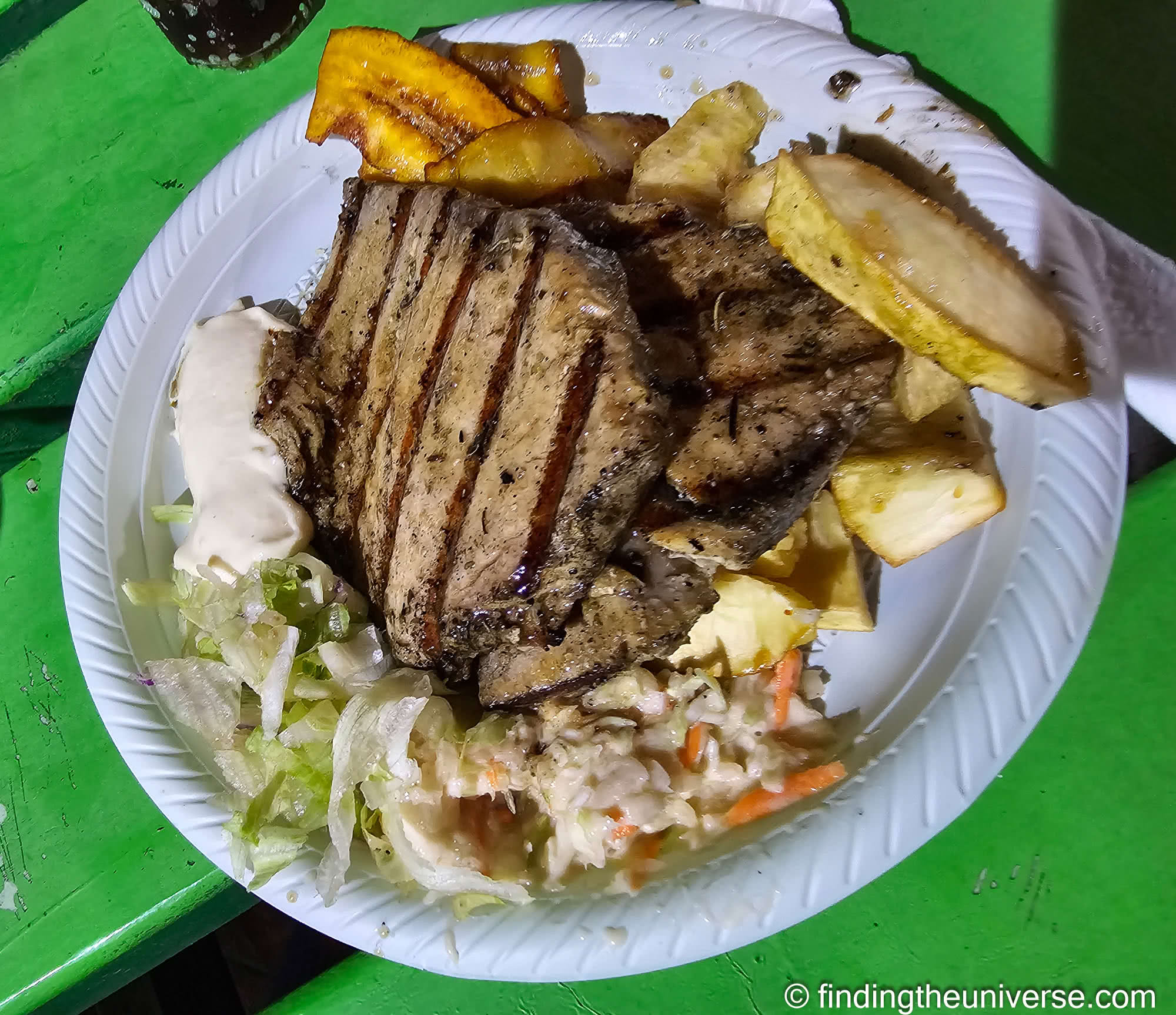
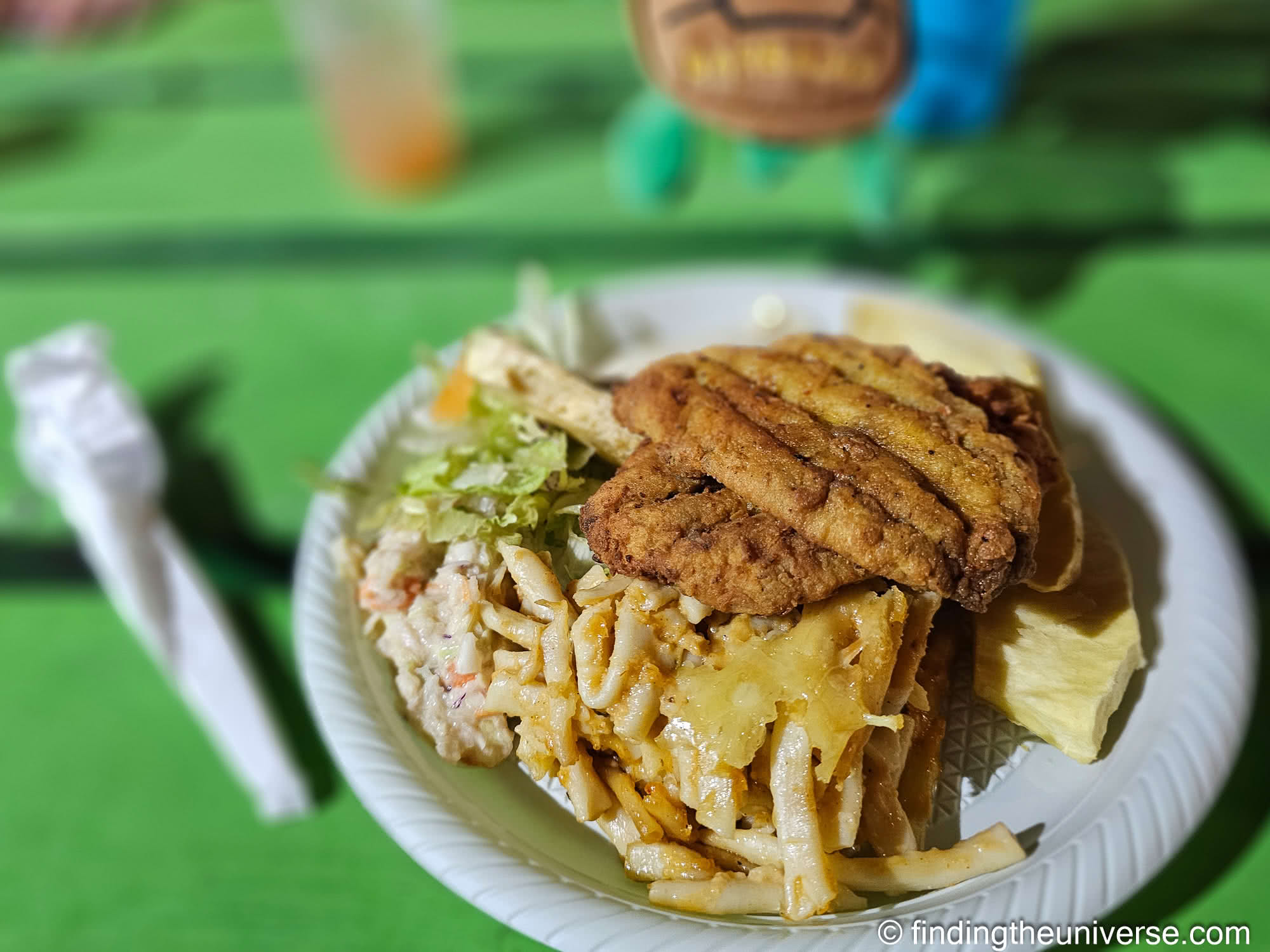
There are a great many food stands here, the majority of which take advantage of the proximity of the fish market to serve up delicious seafood. The main fish you’ll find served includes flying fish, mahi mahi (also called dolphin locally), red snapper, yellowfin tuna, barracuda, swordfish, kingfish (wahoo), and marlin. You’ll generally be asked if you would like it grilled or fried, and this is done to order.
Most stalls focus on fish but you can find other options as well, you just may have to look a little bit harder. Other mains include chicken, lobster, pork chops, shrimp, hamburgers, pork ribs, and pig feet. Popular sides (typically a meal comes with choice of 2 sides) include baked macaroni pie, peas, sweet potatoes, fried plantains, steamed vegetables, seasoned rice, breadfruit, French fries, and tossed salad.
Whilst you can come any day of the week and find a vendor serving food, the main night that most people aim to come here is on Friday night. This is the busiest night where you’ll find a large crowd of people, live entertainment on the big stage, stalls selling all kinds of souvenirs and local arts and crafts, and a wide selection of food stalls to choose from.
The entertainment changes and may include DJs, karaoke, steel pan bands, calypso, reggae, and more. People often dance near the stage as the night progresses.
If you aren’t super excited about crowds, you can still come here on another day, you just won’t have quite the same full on party experience of a Friday night. Saturday night is the other main night people visit, but expect a more low-key atmosphere and mostly local patrons. This can be a good time to visit for those wanting a quieter evening to enjoy and those with families.
Despite the party atmosphere on Fridays, it can still be a family friendly event. We’ve visited with friends who had young kids and they enjoyed it, although do note the music can get quite loud, and can be too loud for young sensitive ears. So we’d recommend finding a table a bit away from the music and coming early so you can leave before it becomes louder and more adult oriented.
Note that food service can be slow as most food is cooked to order and it will get slower as crowds build up over the night. Another reason to come early if with kids who may not have a lot of patience!
The food is usually being served at most stalls by 5:30pm or 6pm and they are open until around midnight. Music starts around the same time with the live entertainment on the main stage usually starting around 8pm.
While some stalls will accept credit cards, most are cash only. It is highly recommened to bring plenty of Barbados dollars (BBD) to cover all your food costs, although many stalls will also accept U.S. dollars (USD).
To get an idea of food prices, I’d probably estimate around $40 BBD per person for a plate of food (fish or chicken and 2 sides) and a drink (beer, soda, or rum punch). When we visited in late 2025, most meals with a main and two sides were $35 to $50 BBD ($17.50 to $25 USD) with drinks costing $6 to $12 BBD ($3 to $6 each). But note you’ll pay a lot more for pricier items like lobster or fancy cocktails.
It’s worth wandering around a bit to check out the various stalls to see what’s on offer and at what prices as there was a lot more variance in price than we expected. You’ll often find better prices at the small stalls and ones along the street and further from the big stage. There is a good amount of seating, but expect to share a table if you are in a smaller group.
There is no entrance fee to visit. Getting here is quite easy, you can drive or you can take public transport (bus) or a taxi. There’s also this reasonably priced round-trip transfer service you can book. Note that parking can be tricky, especially later on in the evening and if you plan to drink, it’s going to be best to get a taxi or bus.
Many hotels, resorts, and tour companies arrange transport for their guests to the Oistins Fish Fry on Friday night so you should check with your accommodation and/or tour company.
Also we should note that if you are looking for a quiet dinner and drink out on a Friday night along the South coast, this is the night to go out. St. Lawrence Gap and similar tourist hotspots are pretty dead on Friday nights as almost everyone is at Oistins!
Go Shopping
If you’re looking for a souvenir to take home or just seeking a bit of general retail therapy during your time in Barbados, there are plenty of options. Here are some suggested locations to go shopping in Barbados.
- Hayman’s Market in St Peter’s parish – this former sugar mill is not only a good place to eat and relax, but it’s also a good place to shop. There are a variety of boutique shops, including those featuring locally made art, pottery, and crafts.
- Earthworks Pottery – started in 1983, Earthworks Pottery is the place to come if you’re looking for something truly handmade in Barbados. They make a wide variety of pottery products, from dinnerware and vases through to custom signs. You can also wander the workshop and see the products being made. It’s a really neat place to visit, and we enjoyed chatting with the owner David and learning about the process.
- Barbados Art Council Art Gallery – Located right next to Earthworks Pottery, this art gallery features a number of local artists selling original art, such as paintings and photographs, as well as prints and small souvenirs. Definitely worth a visit if you are planning to visit Earthworks Pottery.
- Best of Barbados – these gift shops have been around since 1975 and sell a variety of Barbados souvenirs and local art. They sell art from founder Jill Walker as well as clothing, decor, art, crafts, jewelry, postcards, and souvenirs. There are several locations on the island.
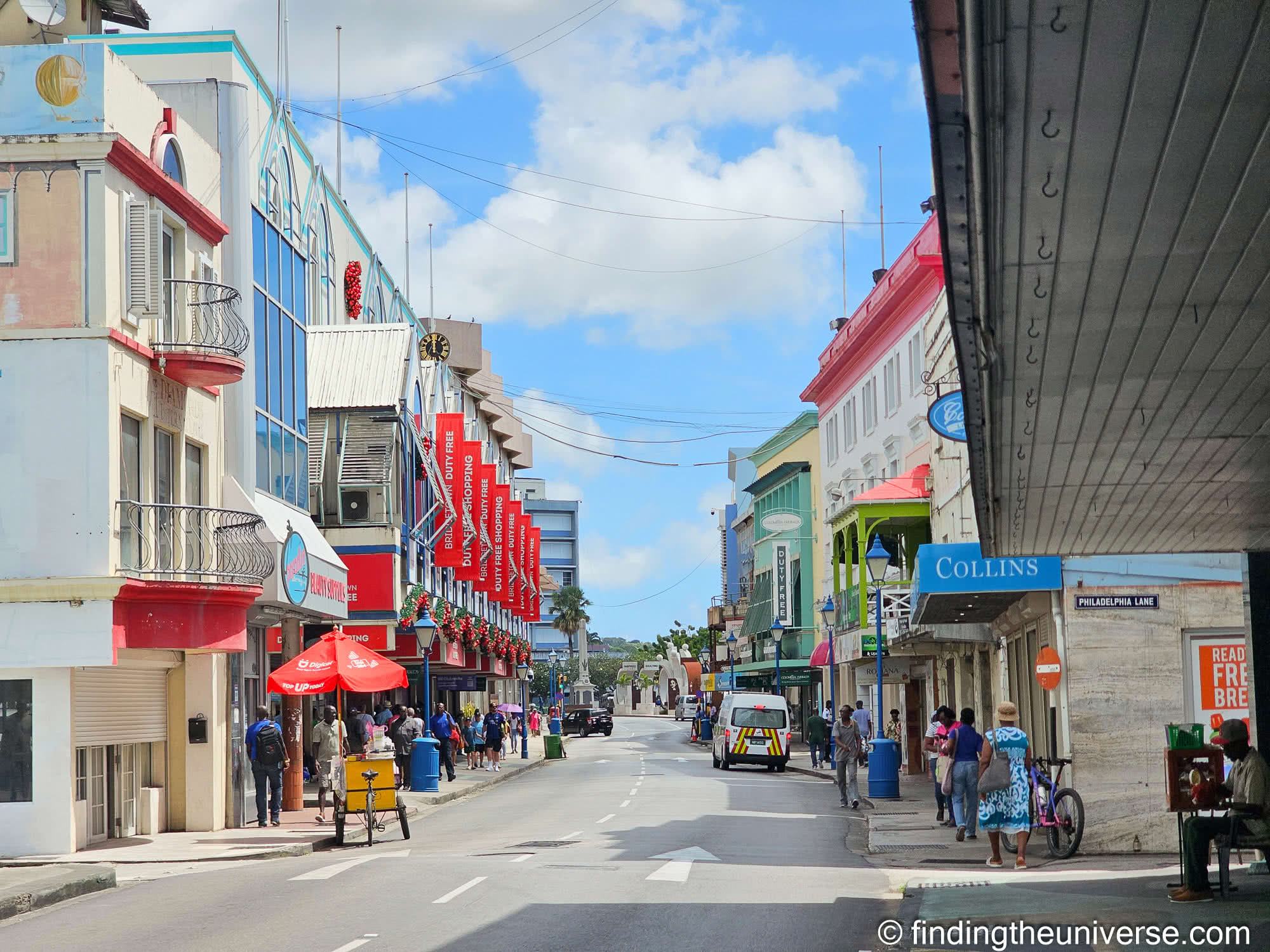
- Broad Street, Bridgetown – lined with duty free shops selling all kinds of things, from jewelry to luxury items, and including stores like the Bridgetown Duty Free department store, Diamonds International, and The Royal Shop. Broad Street is also lined with historic buildings and is well worth a wander down even if you aren’t shopping
- Limegrove Lifestyle Center, Holetown – this high-end mall in Holetown offers duty-free shopping across a range of goods. It’s right in the heart of Holetown, and is also home to a number of restaurants.
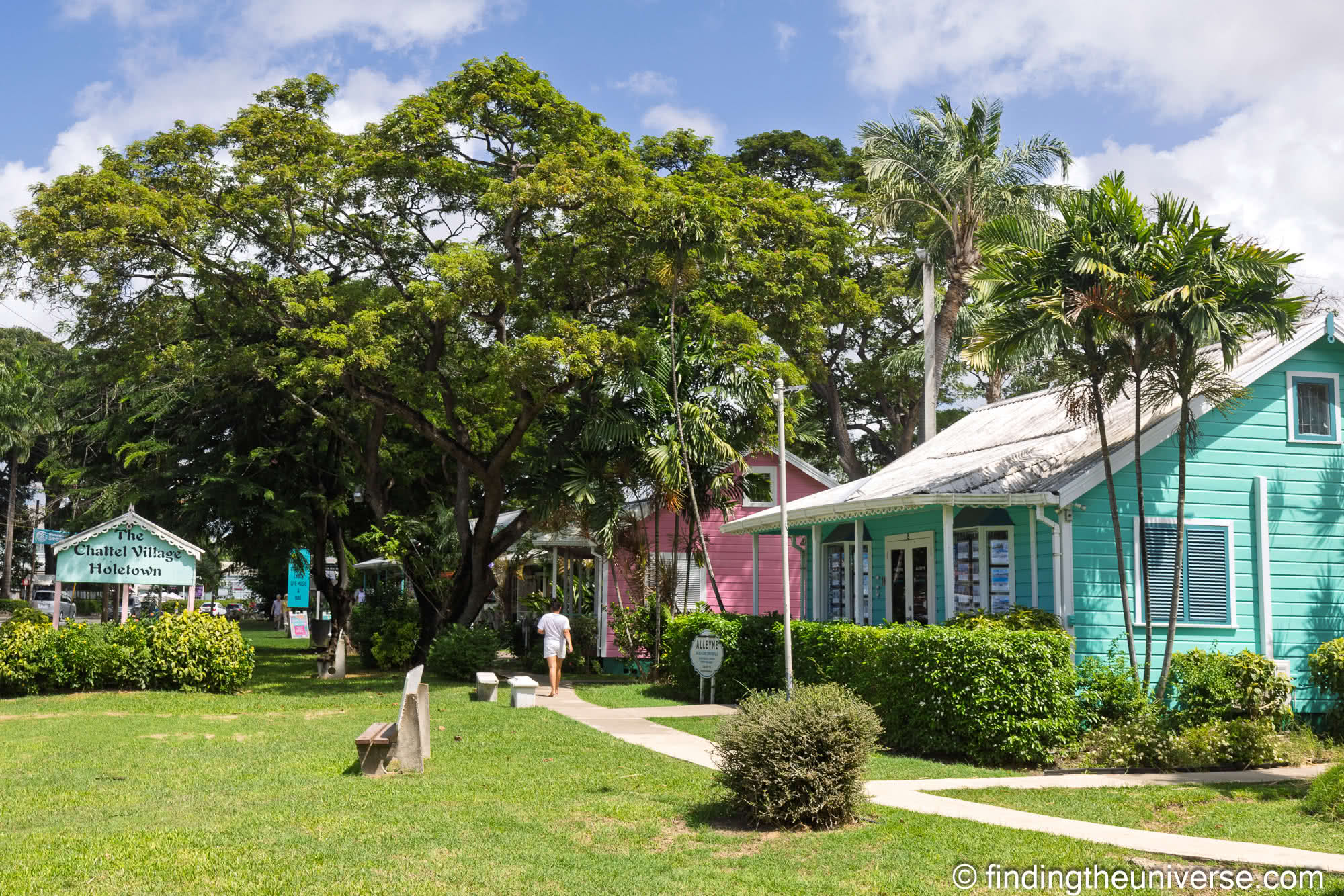
- Chattel Village, Holetown – this collection of shops is set within a number of “Chattel” houses. Traditionally, these were moveable wooden structures that were used by workers (often freed slaves) who were able to move them from job location to job location with relative ease. In the Chattel Village, they’re set up as a series of eateries and shops, selling food, clothing, arts, crafts, souvenirs, and more.
- Chattel Village, St. Lawrence Gap – Similar to the one in Holetown, this grouping of chattel house shops also has food and drink options as well as places to buy souvenirs and local crafts.
- Hamilton’s Pottery, St Thomas parish – a family potter business that offers pottery for sale as well as pottery classes and workshops. The founder’s son was a contestant on the UK’s Great Pottery Throwdown in 2020. Located near Harrison’s Cave.
- Barbados Museum gift shop in Bridgetown – If you are visiting the Barbados Museum make sure to leave a little time to stop at its gift shop which has a curated selection of souvenirs, local crafts, art prints, rum, books, and children’s items.
- Pelican Craft Center (also called Pelican Village), Bridgetown – a collection of shops located near the Bridgetown cruise terminal selling souvenirs, art, clothing, leather goods, crafts, and more. Handy for those arriving by cruise ship.
There are of course many more opportunities for shopping in Barbados that you will come across, but these should give you some good options to start from.
 Broad Street
 Chattel Village Holetown
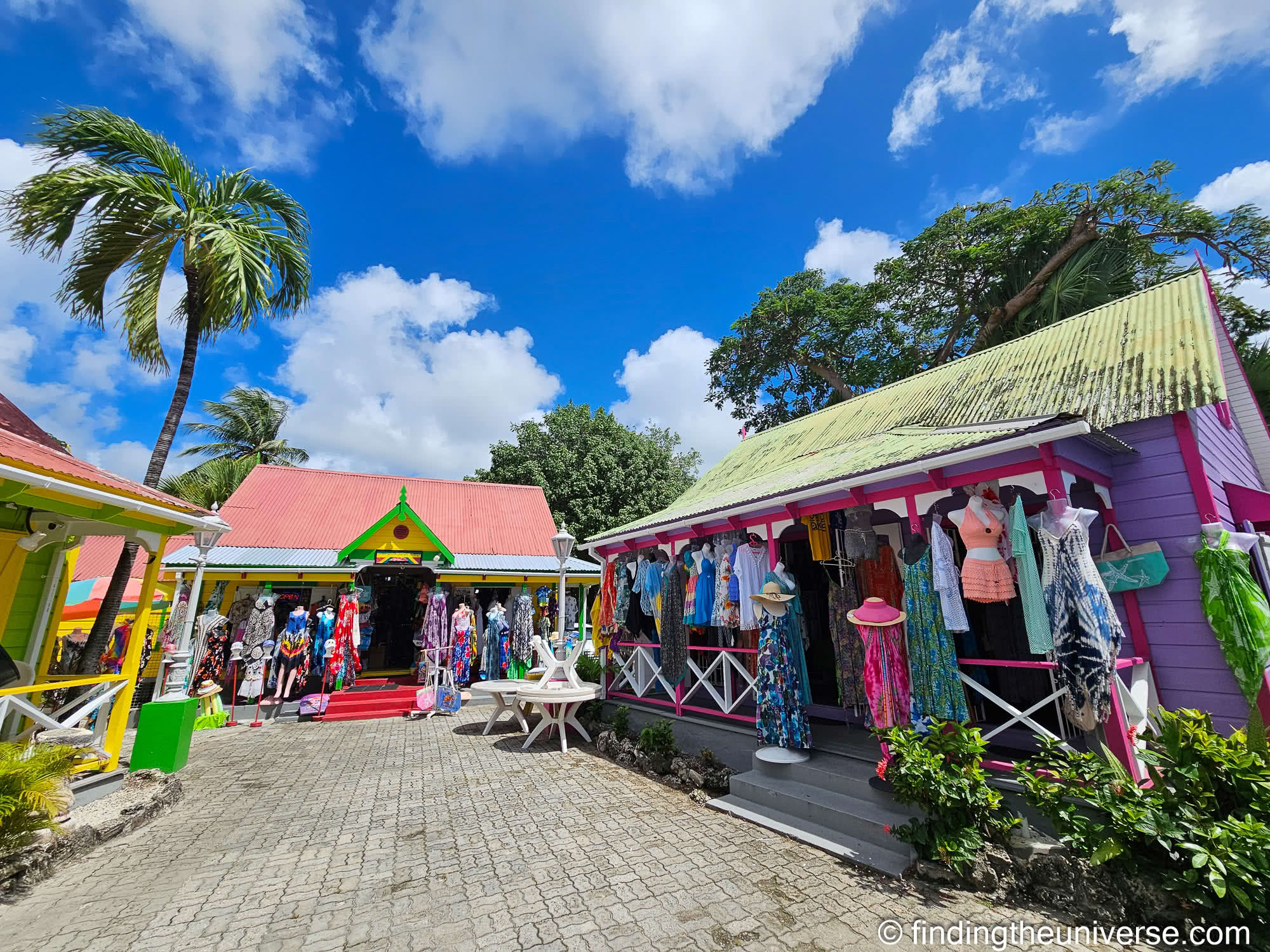 Chattel village Saint Lawrence Gap
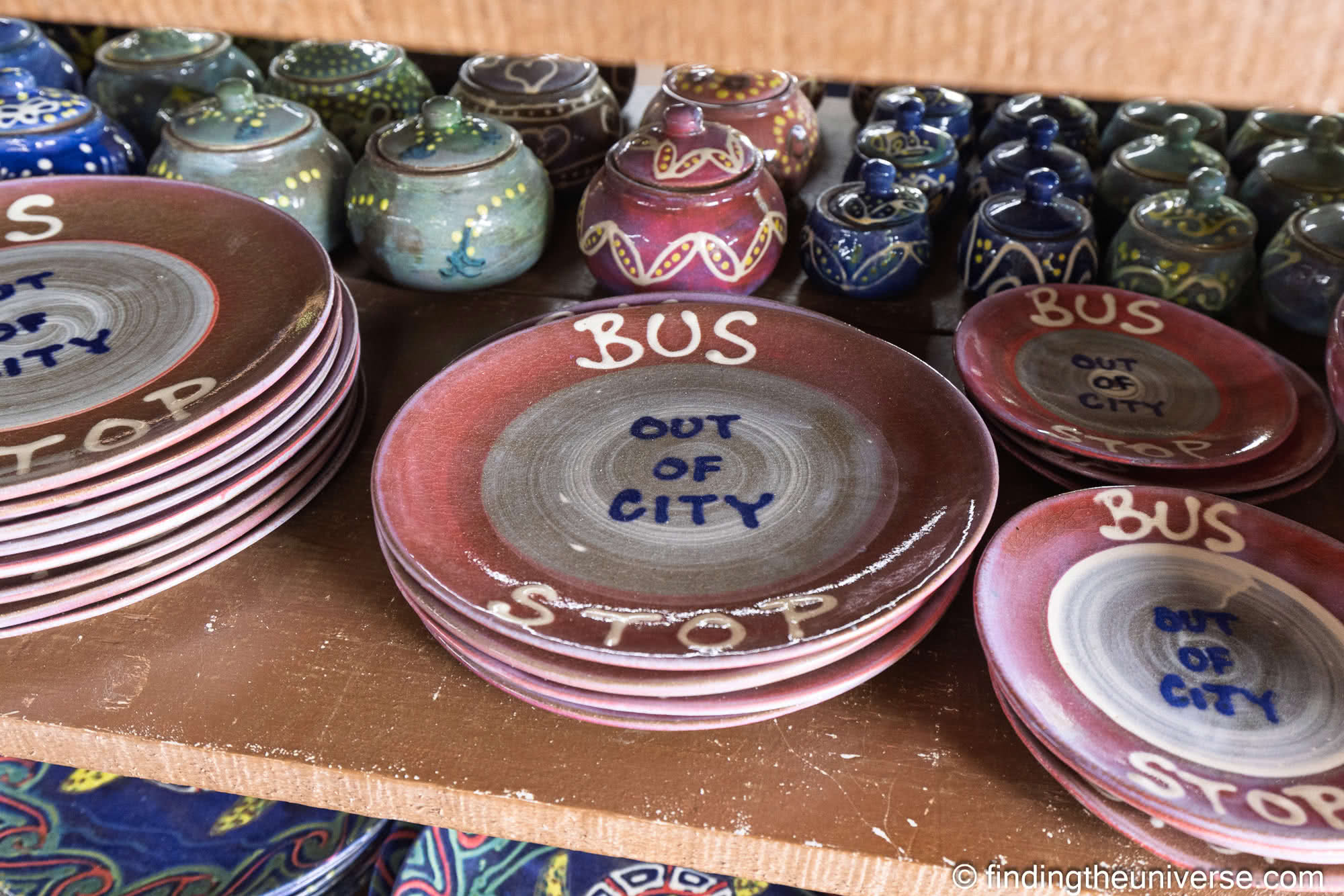 Earthworks pottery
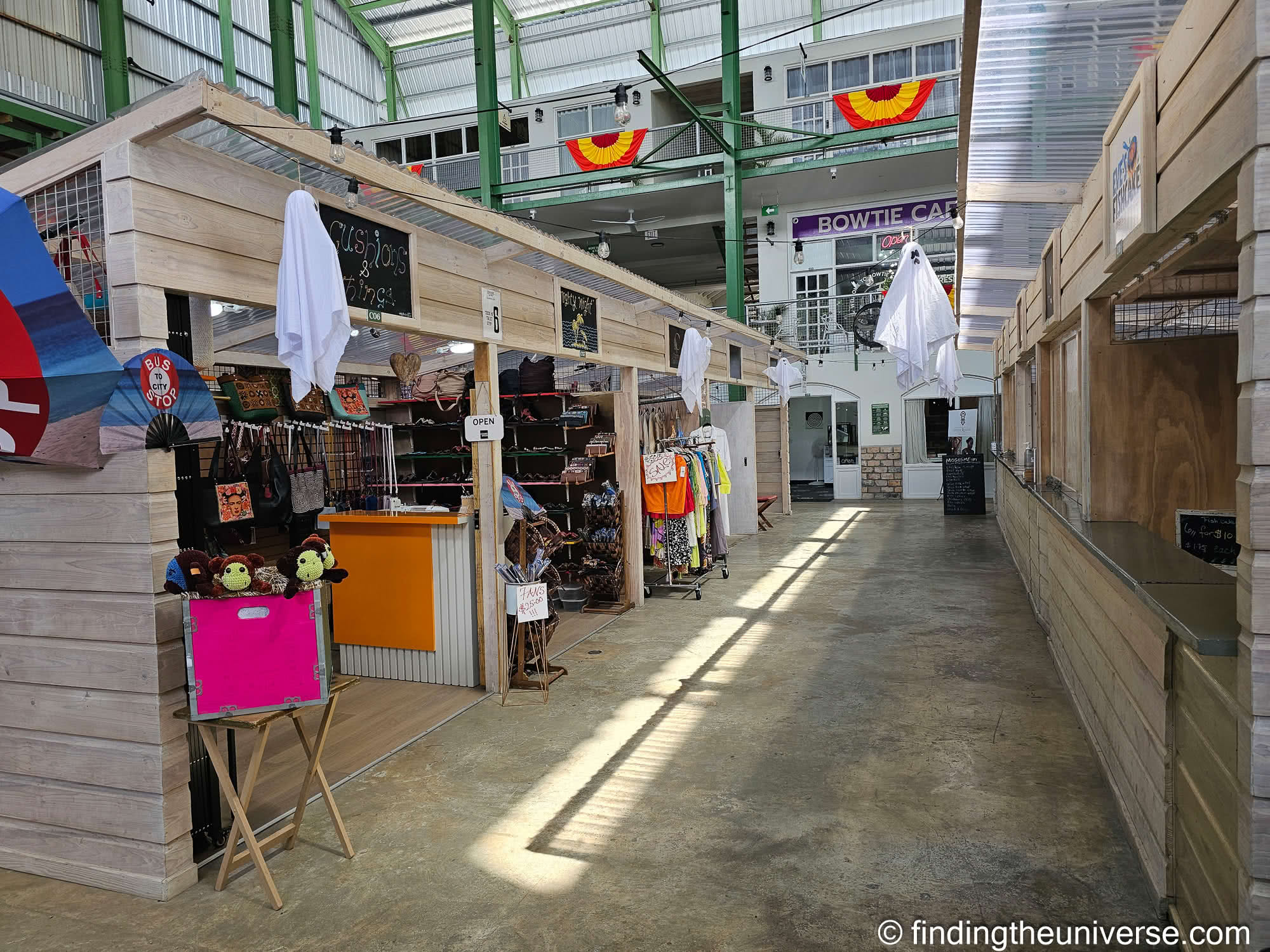 Haymans Gallery
Take a Catamaran Tour
One of the most popular activities to do in Barbados is to take a boat tour. Even if you plan to spend the majority of your vacation lying on a beach, we still highly recommend setting some time aside to enjoy a boat trip in Barbados.
There are a great many operators available, but generally most offer a similar itinerary, with morning, afternoon, and sunset options available.
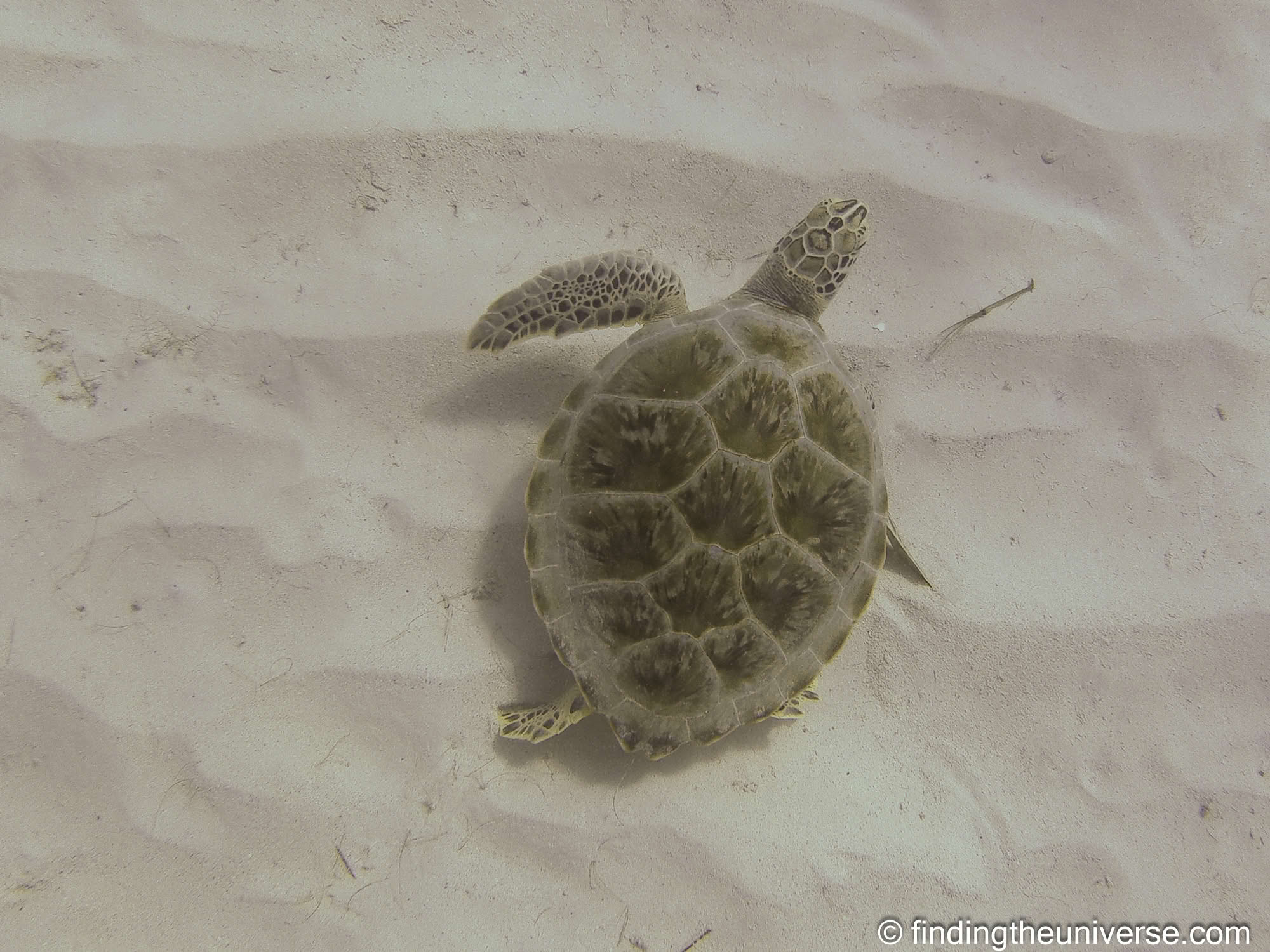
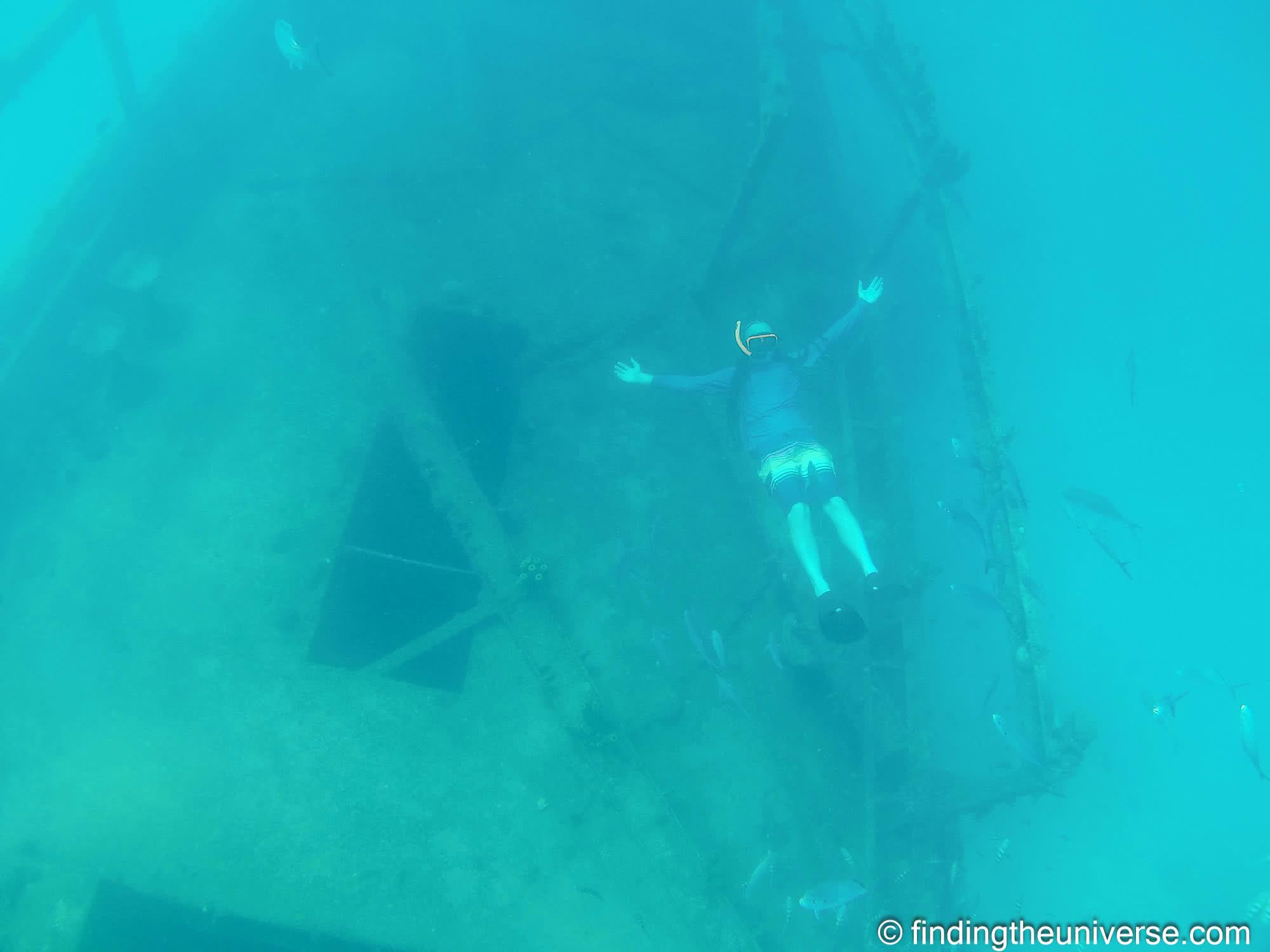
In most cases the boat will depart from Bridgetown and you will have two or three snorkeling stops. One of these stops will be a popular turtle spotting stop, and the other will be at a set of shipwrecks. If you choose a morning tour, these generally last 4 – 5 hours and include a buffet style Bajan lunch. The majority of boat tours also include unlimited drinks, including alcoholic beverages.
It is worth noting that the majority of boats visit the same snorkeling locations and depart at a similar time, so whichever option you go for, the snorkeling parts will be pretty similar.
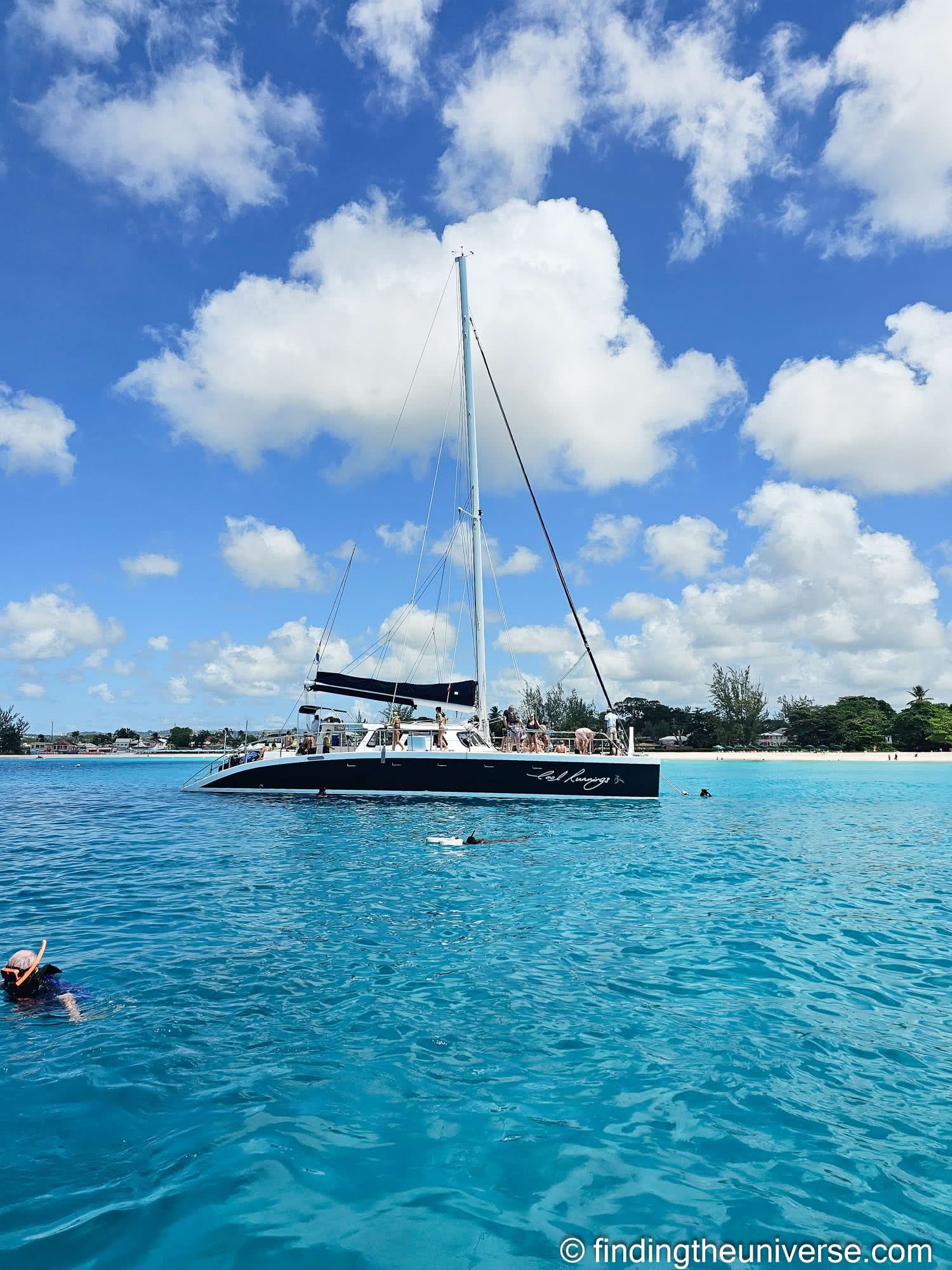
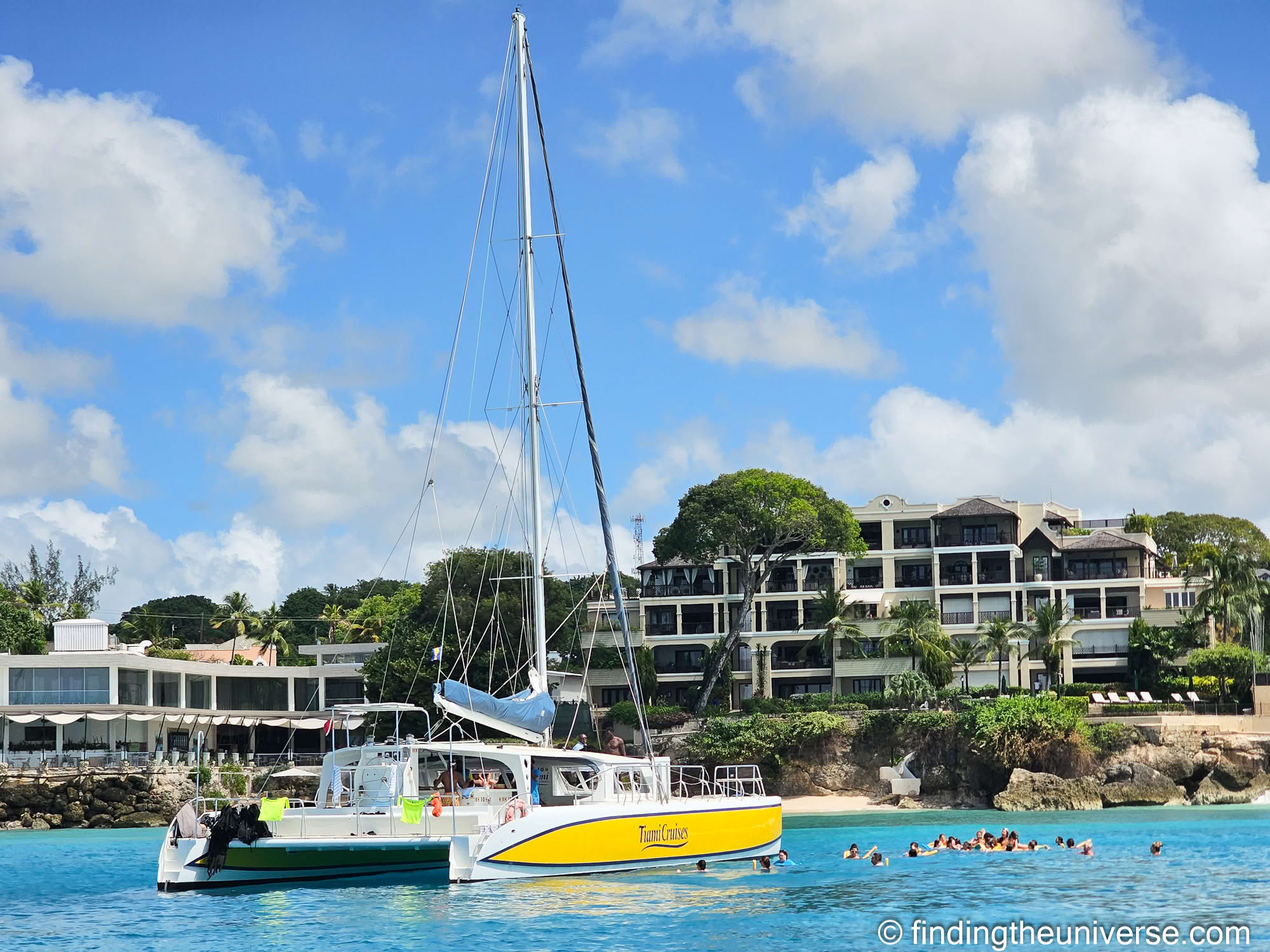
The main decision you will have to make is going to be the size of the boat you take, which will have the most impact on your experience. The majority of the vessels are catamarans, with smaller catamarans taking up to 12 guests, and the larger catamarans taking up to around 40 guests. Some companies also offer private cruises if you have a bigger budget.
Of course, how many people are actually on the boat will depend on how many book the trip, but these are popular activities so tend to be fairly busy. This is especially true if there are large cruise vessels in port.
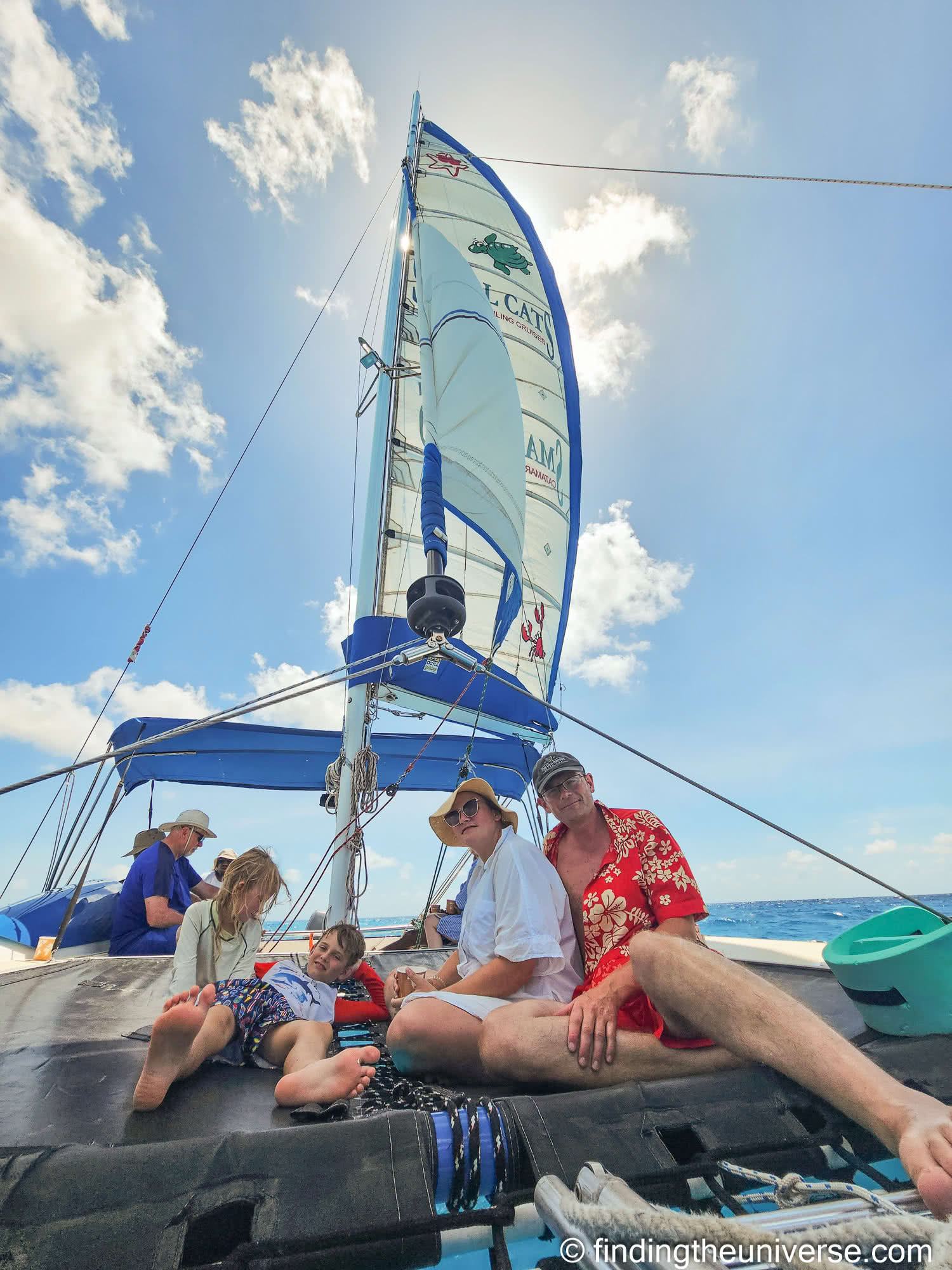
We’ve taken two boat cruises in Barbados, one on a larger boat like this one and one on a smaller boat like this one. Both were fairly full – the larger catamaran had around 30 people on it, and the smaller catamaran had 9 of us.
In our experience the larger catamaran offered more of a party experience, with lots of music, people jumping into the sea and general frivolity. There was more choice of seating due to it being a larger vessel, however as there were more people there were fewer shady spots. The toilets were proper toilets with electric flush and door. Some of the larger boats may also offer slides and more activities.
The smaller catamaran was a more intimate experience with only 9 of us, we actually got to chat with everyone on board and there were only two crew members. There was actually plenty of seating despite it being a fairly small boat, although had it been at the capacity of 12 there wouldn’t have been shade for everyone. The toilet was the main downside – being a pretty tight affair that required climbing into the hull and then hand pumped to empty.
The food on both was very good and the unlimited beverages were certainly taken full advantage of. Both tours also included pick up and drop off at our hotel.
Overall both experiences were worth doing. We saw turtles on both trips, and snorkeling around the wrecks was a lot of fun. I personally saw a great many fish as well as a large sting ray.
Jess and I personally leaned towards the smaller boat as more our preference, but if you prefer a party experience (with a better toilet!) then we’d suggest the larger boat. The steps on the back of the larger boat also made getting in and out of the water easier than the ladder on the smaller boat.
You’ll want to bring your own suncream, the higher SPF the better, and beach towels. We also recommend packing a hat, sunglasses, swimsuit coverups, and a UV rashguard for swimming. We have a rashguard like this as well as this lower cost one, they both work well in our experience.
Mosquitoes are an issue in Barbados pretty much year round, but we weren’t bothered by them on our boat trips. But you may want to bring along some insect repellent just in case.
Although goggles and swimming gear are provided, bringing your own swimming goggles or snorkeling mask, if you own them, can also be helpful if you need a special size or have prescription goggles.
Despite taking precautions, both Jess and another member of our party got sunburnt on the trips, which was not a fun experience. The sun in Barbados is very strong, and sunburn is something to be avoided where possible!
Popular boat companies in Barbados include Elegance, El Tigre, Small Cats, Tiami, Cool Runnings, Calabaza, and Silver Moon. Many of these companies offer very similar sailing experiences at similar prices, but I would read descriptions, tour inclusions, and recent reviews to book the one that best suits what you are looking for.
Here are some boat trips options you can compare:
- This five-hour tour on a larger catamaran includes hotel pick up, drinks, lunch, snorkel equipment, two snorkel stops and a swimming stop.
- This five-hour tour on a smaller catamaran includes hotel pick up, drinks, lunch, snorkel equipment, two snorkel stops and a swimming stop.
- This three-hour sunset cruise on a larger catamaran includes hotel pick up, two snorkel stops, drinks, snorkel equipment and canapes
- This is another five-hour tour on a smaller catamaran which includes hotel pick up, two snorkel stops, drinks, snorkel equipment and lunch
- This is a private 3 hour cruise on a smaller boat where you get to snorkel and enjoy light refreshments. They can take groups up to 5 people.
There are of course many more options to choose from. You can see a selection on GetYourGuide here and on Viator here.
Note that there are lots of other boat and tour operators on the island offering up other water based experiences if you are looking for more options. These include fishing, stand-up paddleboarding, windsurfing, Scuba diving, and more
See the Horses at Pebbles Beach
Barbados as a nation is passionate about horse racing, something which became popular during colonial times. Horses were originally brought to the island to work on the plantations and as a means of transporting people and goods. However, give a person a means of going faster than another person, and naturally races will be held to see who has the fastest means of transport.
To begin with, horse racing in Barbados was an informal affair, but over time events became more structured. Organized events on specific days became popular as early as the 19th century, and today horse racing is a part of the culture of the island. The Garrison Savannah in Bridgetown is the main circuit, with the Barbados Gold Cup the main event of the season.
If you are in Barbados during racing season you can of course go to see a horse race. These take place at the Barbados Turf Club in the heart of Bridgetown, and you can see the racing schedule here.
So that was a brief history of horses in Barbados, and if you are in Barbados when a race is on it is worth going to experience it. However, this entry is about seeing the famous Barbados beach horses.
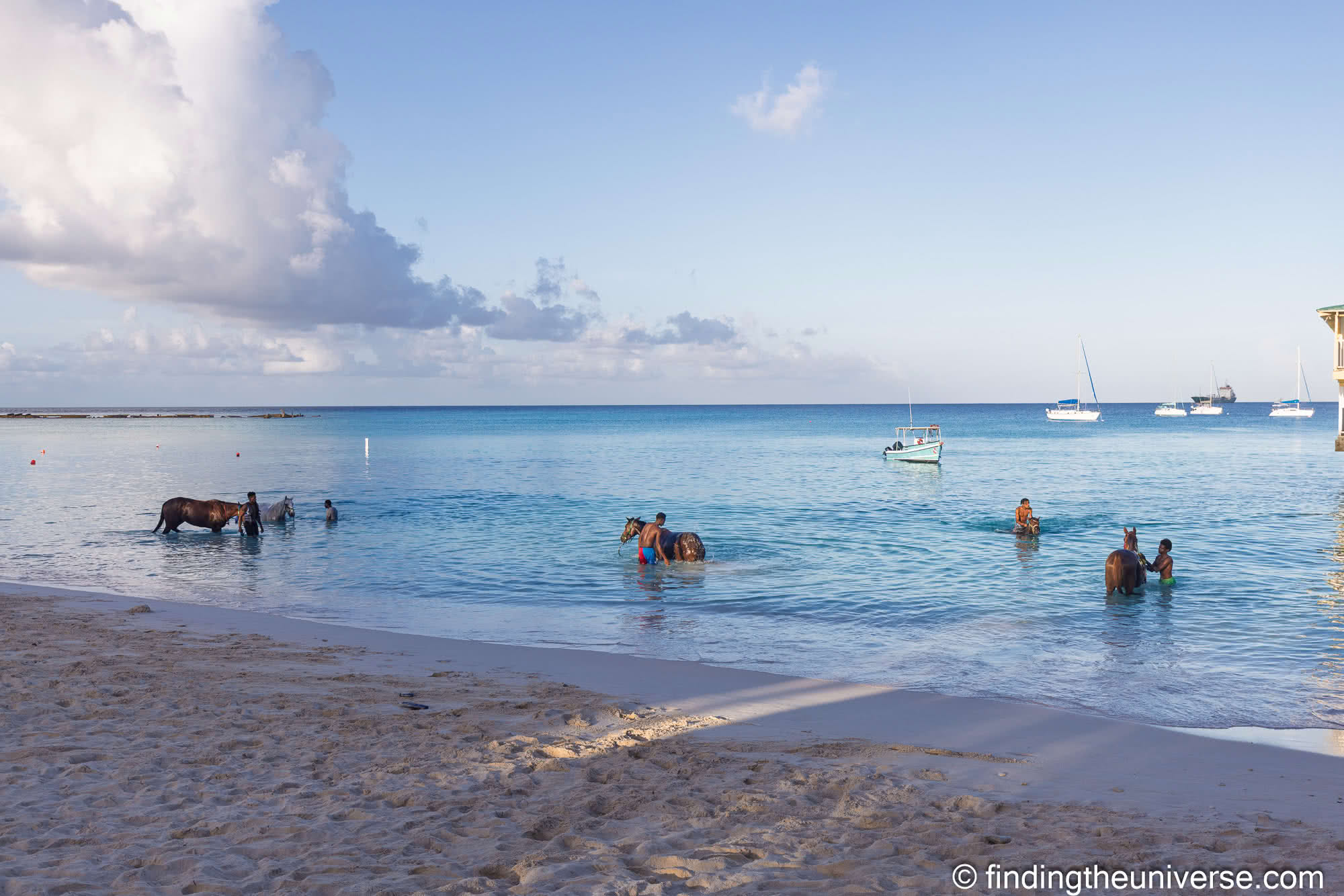
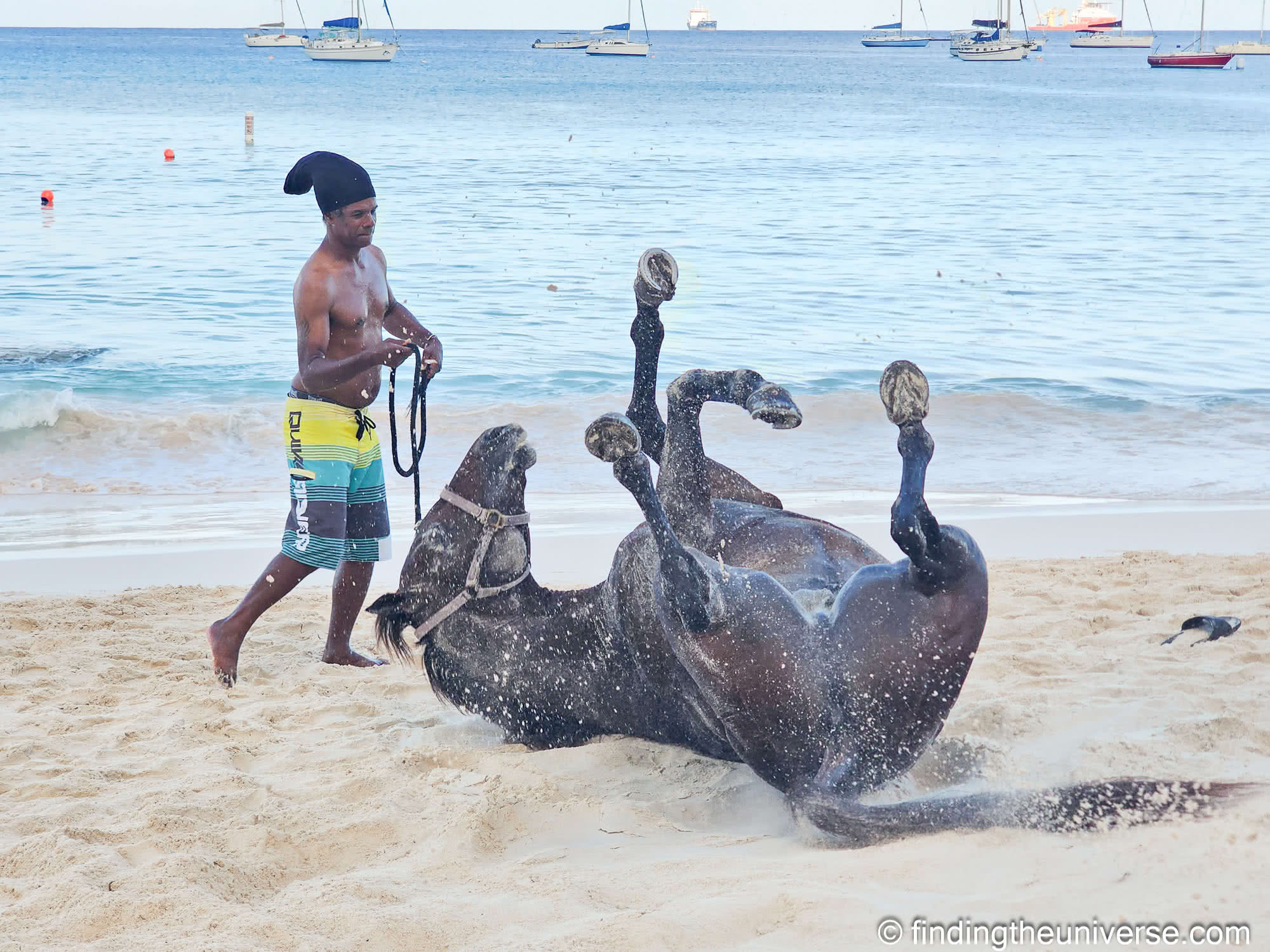
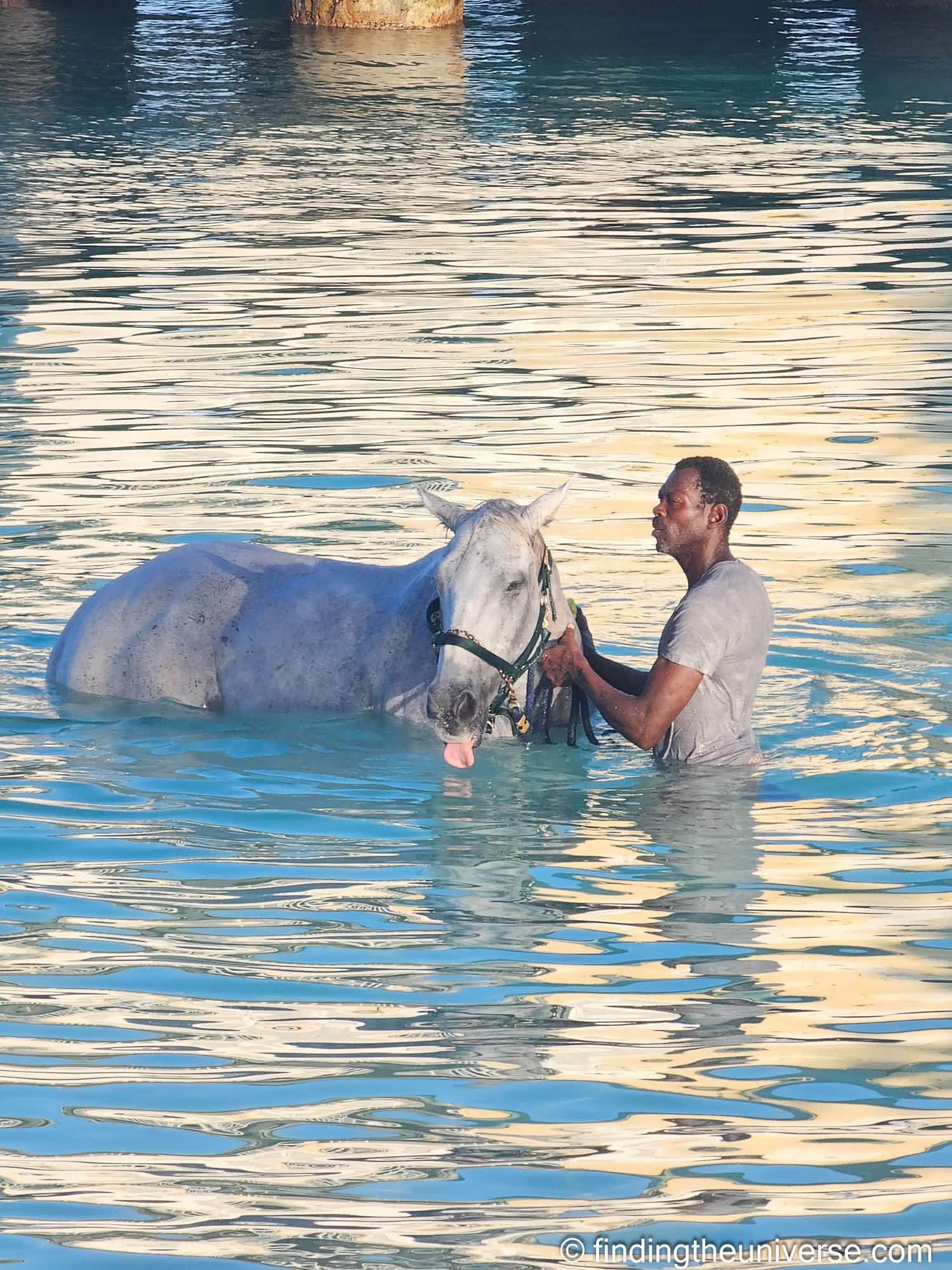
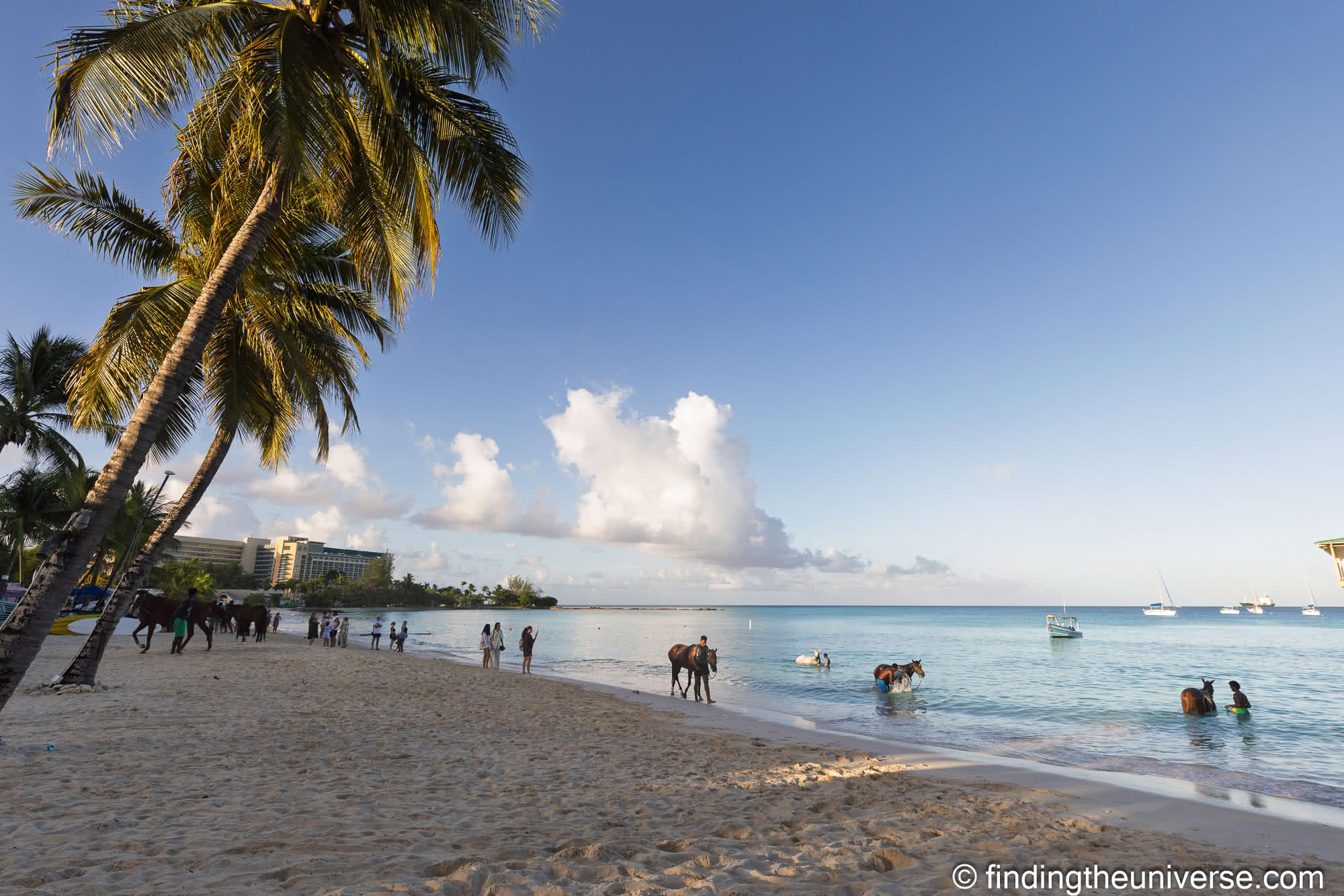
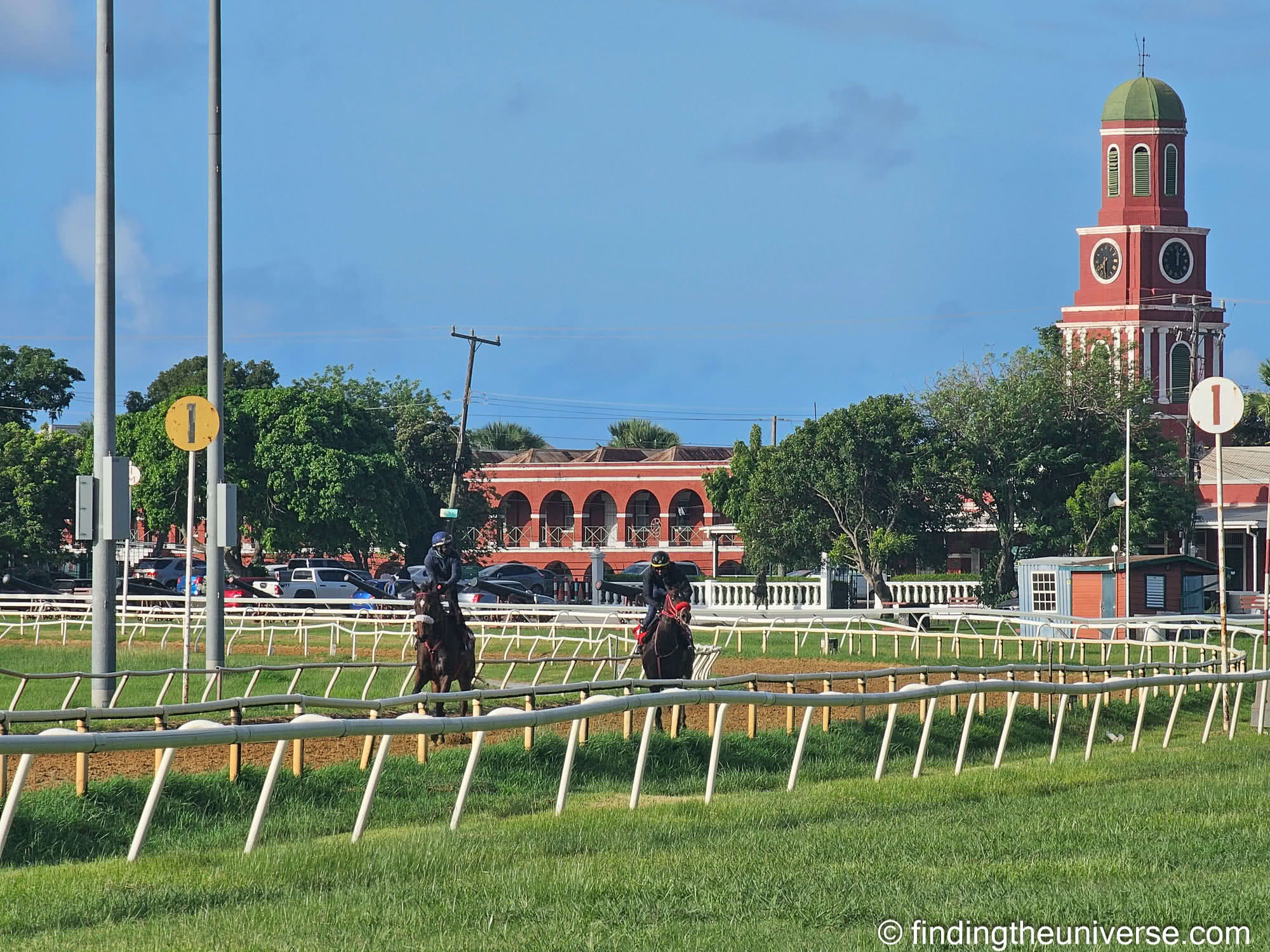
You see, the horses in Barbados have a fairly unique training ritual. Every day, between around 4am and 7am, a steady stream of horses and their trainers walk down Garrison Road from their stables to Pebbles Beach. Here, they enjoy rolling in the sand followed by a nice long swim in the bay as well as bit of a rinse. This regime gives them a good workout (as well as a nice clean!).
As a visitor to the islands, you are welcome to watch this experience, although you’ll want to get up early. Most people come down between 6am and 7am when it’s light. There’s free parking right by the beach (here on Google Maps), although go slowly on the road as there will be horses going back and forth! There’s even a pop up coffee stand serving hot and cold drinks.
It is free to watch the horses and take photos. There are also some horses that you can ride or have your photo taken with, but these aren’t active racehorses (which can be a bit highly strung!), and there is a fee for doing this. You’ll need to negotiate a price with the individuals down at the beach.
I really enjoyed seeing the horses on the beach, and even had a good chat with famed Barbadian jockey and horse trainer Sean Hall who was at the beach with horse Paper Trail. I also had a nice hot cup of coffee from the coffee stand!
Finally, if you love equestrian sports, in addition to horse racing, you’ll also find polo events on the island in season. Polo was first played by British calvary officers and grew into a local sport, especially among British expats. You can check out upcoming polo games by checking out schedules and updates from the Barbados Polo Club.
Play Golf
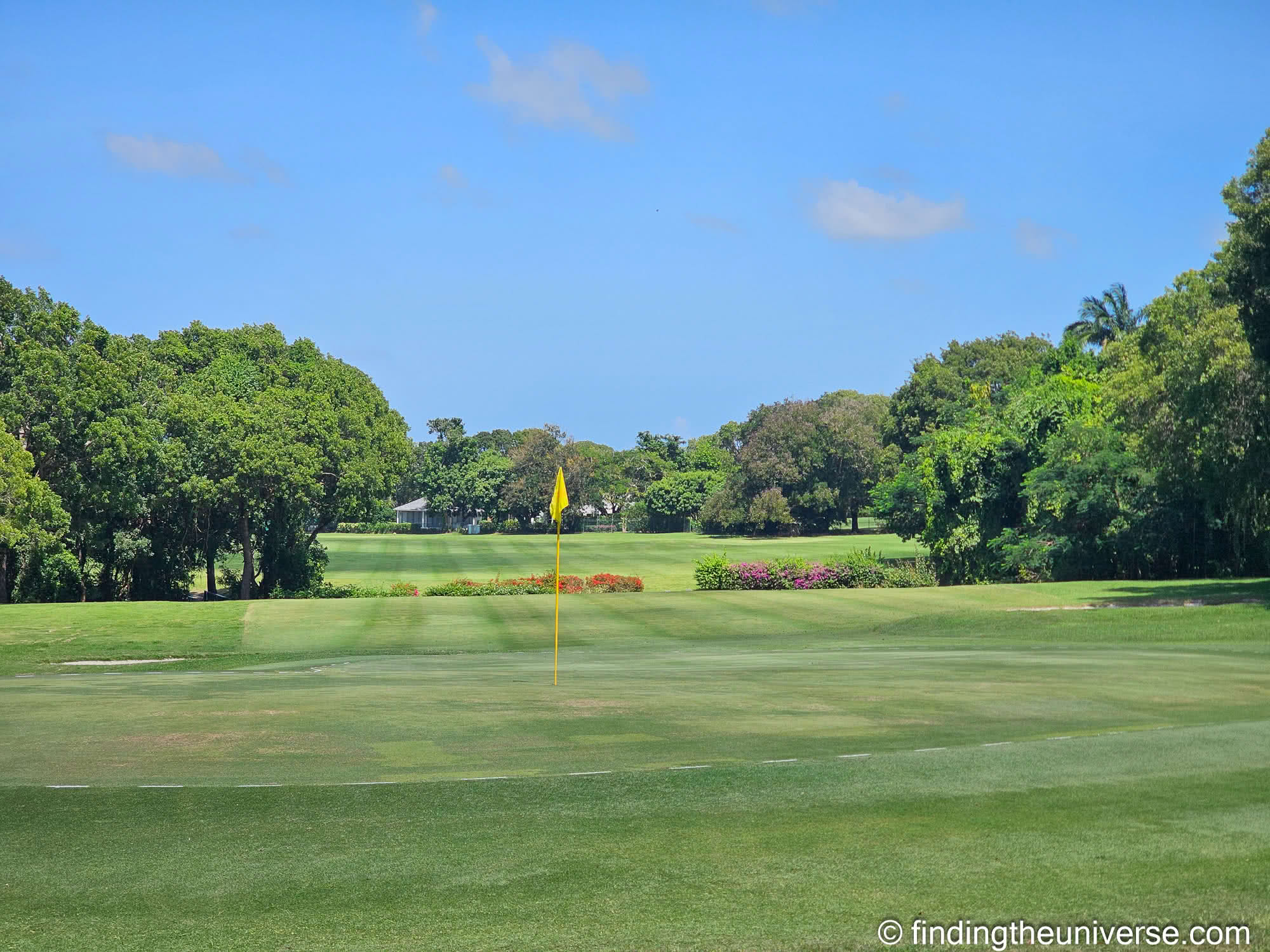
During our time in Barbados, we met a few people who had come to the island primarily for the golfing opportunities. Jess and I don’t play golf (unless it’s the mini variety!), but having lived in Scotland for a number of years, we are certainly more than aware that golf makes for a popular destination activity.
Barbados is actually a very popular golfing destination, with five main golfing locations to choose from as follows:
- Royal Westmoreland course – this is a 72 par 7,045-yard course designed by Robert Trent Jones. It is primarily available to guests staying at a Royal Westmoreland villa on site, however limited tee times are available for visiting golfers.
- Rockley Golf Club – dating back to the 1920s, this is the oldest golf course in Barbados. The 9-hole course is one of the better value golfing options for visitors to Barbados. There are also alternative tees for a back 9 so you can play a full 18 holes if you wish). If you play all 18 holes, it’s a par 70 5,610 yard course.
- Sandy Lane – the luxury Sandy Lane Resort is home to not one, but three golf courses. The most exclusive of these is the 18-hole Tom Fazio designed Green Monkey course, which spans 22 acres and offers a par 72, 7,389 yard course. It’s only available to resort guests and there are only 10 tee-times per day. If you aren’t staying at Sandy Lane, you can play on either The Country Club or The Old Nine courses. The Country Club is a 72 par, 7,060 yard course, also designed by Tom Fazio. The Old Nine is a nine-hole par 36 3,345 yard course, and is part of the original 1933 course.
- Apes Hill Club – opened in 2022, this is the newest golf course in Barbados. It offers an 18-hole par-71 7,041 yard course designed by Ron Kirby. There’s also a 9-hole course designed for kids (the Little Apes par 3 course) or family groups. Finally, for fun, there’s a thrilling 19th hole option.
- Barbados Golf Club – this is an 18-hole par 72 6,805 yard course designed by Ron Kirby. If you’re staying on the south of the island, then this is a good option. It partners with a number of hotels on the south coast to offer packages which include hotel transfer and green fees.
The majority of the courses offer club hire as well as trolleys or carts, and some also have caddy services. Some courses also offer coaching, driving ranges, shops and dining facilities.
It’s highly recommended to book your tee time and any equipment in advance to avoid delays when you arrive. Also be aware that most courses have a dress code, normally golf attire and golf cleats.
Try Bajan Food & Drink
We highly recommend seeking out some local Bajan dishes and trying local drinks while in Barbados. While you can find loads of international dishes across the island, from sushi to British fry up breakfasts to pizza, we wanted to try to give you some suggestions for popular Bajan foods and drinks that you should consider trying during your visit.
We will also give you a list of restaurants that serve Bajan food, most of which we visited during our time on the island. You can research them online and make a list of places you want to try yourself.
Also if you want a good introduction to Bajan cuisine, taste some popular dishes, and get some good local recommendations for the rest of your trip, consider taking this popular walking food tour in Bridgetown.
Here are some food and drinks we’d recommend trying while in Barbados if you have a chance:
- Flying Fish – probably the most iconic dish in Barbados is flying fish, which is served either fried, steamed, or grilled. The fish gets its name from its ability to glide above the water using its long fins, a technique that is believed to help it to escape from predators. Often served with sides such as cou-cou, chips (fries), and rice and peas.
- Cou-cou – a popular side dish in Barbados, cou-cou is a dish traditionally made with yellow cornmeal and okra. It is similar to other cornmeal based sides such as grits and polenta
- Local fish – flying fish may be the fish most associated with Barbados but there are lots of other local fish you’ll want to taste. Other popular fish you can try include mahi-mahi (also known as dolphin or dorado), kingfish (wahoo), yellowfin tuna, blue marlin, barracuda, and red snapper. Almost all restaurants across the island will have at least one fish dish on the menu. You will find them prepared in a number of ways, including grilled, fried, blackened, steamed, and turned into ceviche, fish cakes, and fish balls. If you have your own kitchen, you can buy fresh local fish at one of the country’s fish markets (there is one in about every town) and prepare it yourself.
- Chicken, lamb, and pork dishes are also very popular proteins in Barbados. You’ll find commonly find baked chicken, fried chicken, Blackbelly lamb stew, lamb chops, chicken soup, pudding & souse, pork chops, and BBQ pork. Beef dishes are also available, but the beef is normally imported so is less common in Bajan cooking. Shrimp dishes are also common but most shrimp is imported.
- Macaroni Pie – another very popular side-dish in Barbados is the very filling macaroni pie. It’s essentially a twist on macaroni and cheese, with the addition of evaporated milk and mustard. It is also baked, to give a firmer texture that is served just like a pie, in slices. You’ll find this as a side dish served in many food stands and restaurants across the island.
- Peas and rice – another very popular side dish you’ll find eaten in Barbados is peas and rice. Seasoned rice is mixed with peas for a filling side dish that goes well with any protein. Often pigeon peas are used but you’ll also find split peas and black eyed peas. So if you order rice and find something green, yellow, or brown mixed in it, its probably peas!
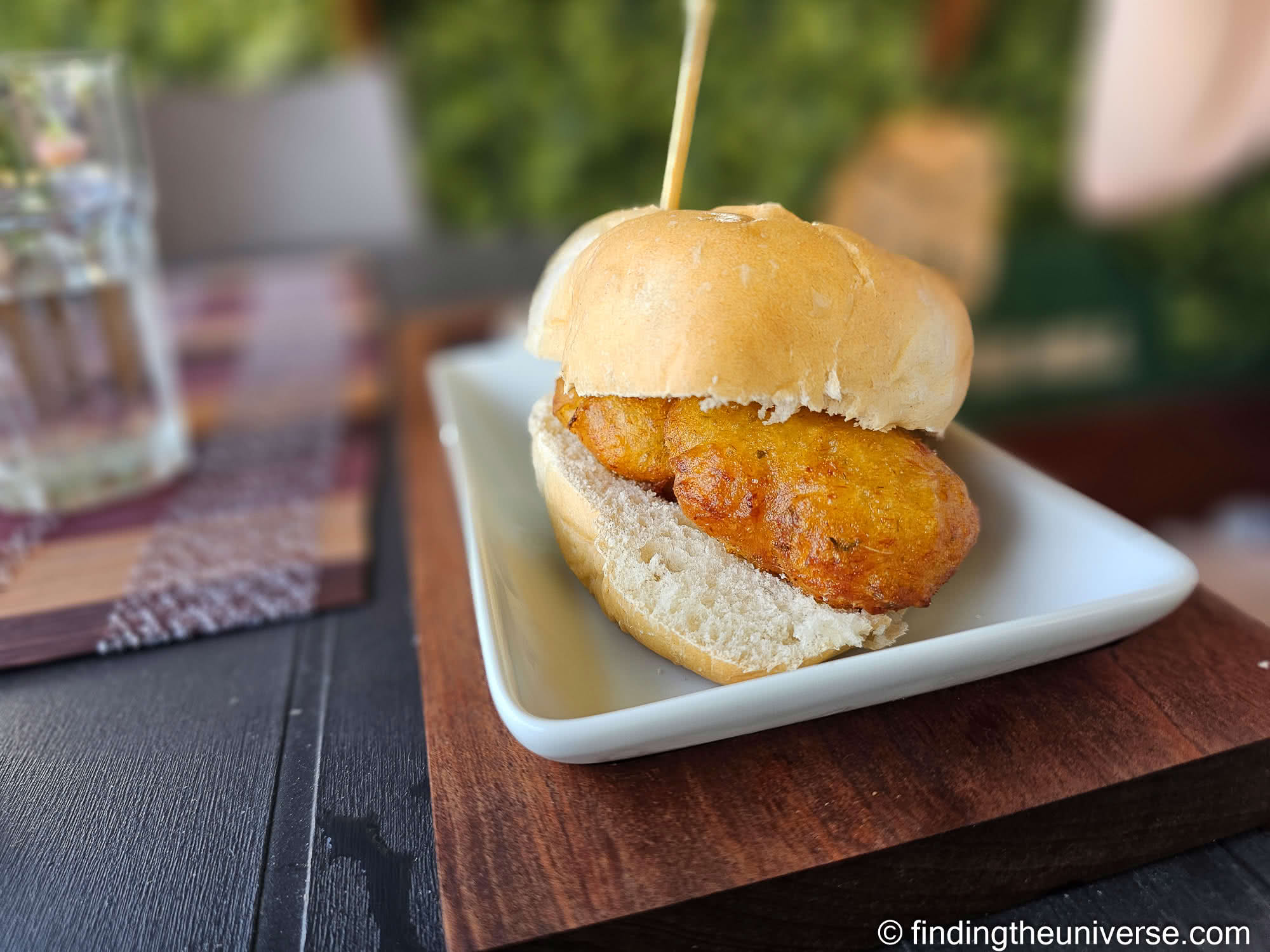
- Cutters – if you’re looking for good food on the go, then you’re going to want to try a cutter. Essentially the Barbadian equivalent of a sandwich, a cutter is traditionally made with a fresh salt bread roll, into which various fillings are inserted. Popular fillings include fried fish, ham, cheese, liver, or fried eggs. The fried fish cutter was our favorite.
- Local fruits and vegetables – Seasonal fruits and vegetables grown in Barbados include bananas, mangoes, tomatoes, avocadoes, cucumbers, plantains, breadfruit, Bajan cherries, pumpkin, grapefruit, soursop, cabbage, sweet potatoes, carrots, lettuce, beets, okra, carambola (starfruit), golden apples, cassava, and guava.
- Pudding & souse – this is a traditional savory dish, typically eaten on Saturdays. Pudding in Barbados refers to a dish made either from steamed sweet potato or pigs blood (like black pudding in the UK), and souse is pickled pork meat. The souse is eaten cold, and the pudding is normally hot. If you want to try this, look for it at Bajan restaurants on Saturdays.
- Roti – a roti is basically a flatbread wrap filled with either a curried vegetable or meat. These originated in India but are popular to-go lunch options here. It’s delicious and portable. We recommend grabbing one from the Roti Den if you’re on the west coast, but you can find them across the island, including at Chefette locations.
- Sweet dishes/desserts – in a country known for sugar cane, it is not surprising that many Bajans enjoy a sweet treat. Coconut bread, guava cheese (chewy fudge like treat), tamarind balls, sugar cakes, nut brittles and cakes, pone (baked sweet bread usually made with cassava and coconut), and rum cake are more traditional treats. Many dessert options in restaurants are heavily influenced by the British and you’ll also find bread pudding, baked custard, sticky toffee pudding, and fruit flavored ice creams as common dessert options.
- Seasonal foods – You’ll find different foods available seasonally or around certain holidays. For instance if visiting in November look for conkies, cornmeal based stew dumplings wrapped in banana leaves, and in December look for jug jug, a meat and pea holiday stew, and Black Cake or Bajan fruitcake.
- Rum – we’ve already covered rum but there are many rum brands made in Barbados, including Mount Gay, Foursquare, Malibu, Cockspur, St Nicholas Abbey, Planteray, and Old Brigand. If you enjoy rum, you should have plenty of opportunity to sample many brands and kinds to find your favorite.
- Rum Punch – you can’t talk about Bajan drinks without mentioning the iconic rum punch. It’s traditionally made with a 1:2:3:4 ratio, which means 1 part sour, 2 parts sweet, 3 parts strong and 4 parts weak. An example would be 1 oz of lime juice, 2 oz of sugar syrup, 3oz rum and 4oz of water. It is sometimes made with other juices but the tradition is for lime juice. It’s also sometimes garnished with cinnamon or nutmeg. If you like variety, you’ll also find about a hundred other rum cocktails served on the island, including corn n’ oil, rum sours, dark ‘n’ stormy, Mai Tai, planter’s punch, mojitos, and daiquiris.
- Banks beer – Banks beer, a pale lager, is known as the beer of Barbados and is brewed at the Banks Barbados Brewery, which brews Banks Beer. They also produce Banks Amber Ale, as well as a non-alcoholic malted drink called Tiger Malt. The brewery sometimes does guided visitor tours but these weren’t being offered when we visited.
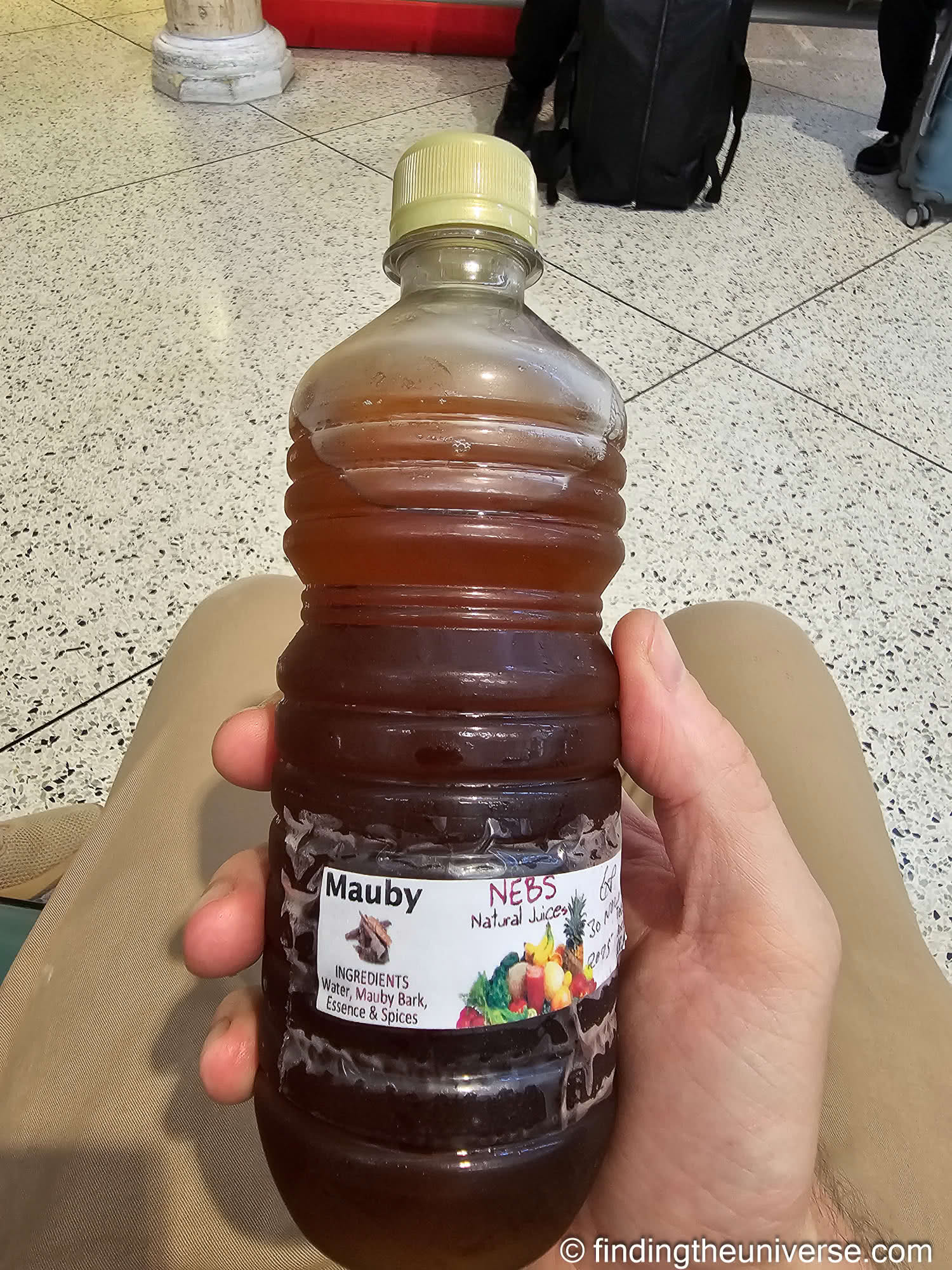
- Mauby – if you’re looking for a traditional soft drink in Barbados then you should definitely try Mauby. It’s made from tree bark and sugar, and predominantly sold as a syrup in grocery stores. To drink, you just mix the syrup with water. It definitely has a unique taste, the initial profile is sweet and not dissimilar to root beer (or Irn-Bru, if you’ve had that!), but there’s then an odd bitter aftertaste. I thought it was delicious, but it can be a bit of an acquired taste!
- Local juices – A fruit juice is a good way to sample some of the in-season local fruits. You may also come across drinks using sorrel, fresh sugar cane juice, or hibiscus. Jess definitely preferred local juices like soursop or Bajan cherry to mauby. Coconut juice fresh from a coconut can often be found sold by vendors on beaches and near tourist hotspots.
Now, of course there are loads of great places to eat in Barbados. Barbados has loads of good quality, well-rated restaurants however, most restaurants cater to tourists and are more geared to international travelers’ tastes serving a wide range of global dishes. So finding more traditional Bajan dishes can be tricker, especially if you are staying in a resort.
So here are some suggestions for various places to try Bajan food. We’ll try to share a range of places across the island and across budgets so you can find some places that work for you. But most places focuses on Bajan food are in the low to moderate range in terms of prices, and typically offer a good value.
Some restaurants that focus primarily on more traditional Bajan dishes include Mustor’s Restaurant (Bridgetown), Fisherman’s Pub (Speightstown, west coast), The Village Bar (St. John’s parish, central), Atlantis Historic Inn‘s Sunday West Indian buffet lunches (Bathsheba, east coast), and Sandy Dunes (Windy Hill, east coast).
More good options for local dishes (as well as internationally inspired food using local ingredients) include Dis Ole House (Long Bay, southeast), Animal Flower Cave restaurant (St. Lucy parish, north coast), Atlantis Historic Inn restaurant (Bathsheba, east coast), Round House (Bathsheba, east coast), PEG Farm and Nature Reserve (Easy Hall Plantation, east coast), Zemi East Coast Cafe (Bathsheba, east coast), Morgan Lewis Wind Mill cafe (Shorey Village, east), Daddy’s Restaurant & Bar (Dover Beach stall, south coast), Cocktail Kitchen (St. Lawrence Gap, south coast), The Fish Pot (Shermans, west coast), and the food stalls at Hayman’s Market (St. Peter’s parish, west).
As discussed earlier, we highly recommend trying to make it to the Oistins Fish Fry on Friday evening (or Saturday evening). Here you’ll find lots of fresh fish dishes prepared fresh as well as lots of side dish options, local beer, rum punch, etc.
For cutters, especially fish cutters, you’ll often find these at food stands and food trucks near beaches. Our favorite was Cuz’s fish stand at Pebbles Beach in Bridgetown. Other good options include The Caboose (Speightown, west coast), Mr Delicious Snack Bar (Enterprise Beach, south coust), and Cutters of Barbados (near Craine Resort, southeast).
If you are looking for a fast food option, the Barbados equivalent to a McDonald’s or KFC is Chefette. It is popular with locals and vistors, especially those with kids as some have big play areas. They serve broasted chicken, chicken nuggets, rotis, hamburgers, veggie burgers, pizza, and ice cream. Chefette has several locations across the island. Rihanna is a fan and often stops here when she visits.
If you are here for a shorter time, I’d highly recommend considering this 3-hour walking food tour in Bridgetown that has multiple stops at markets, eateries and restaurants across the capital to try a number of Bajan foods and give you a history of Bajan cuisine.
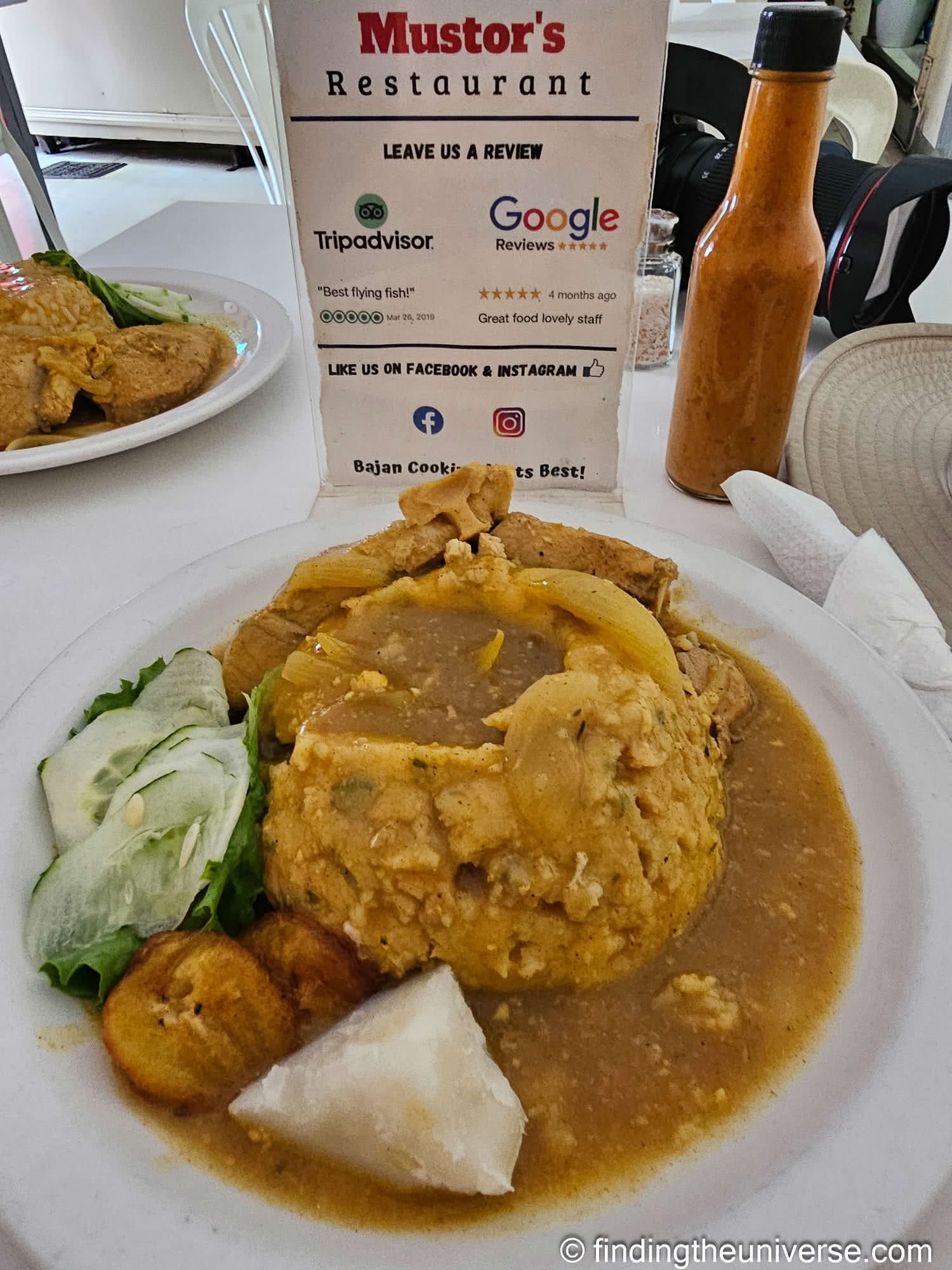
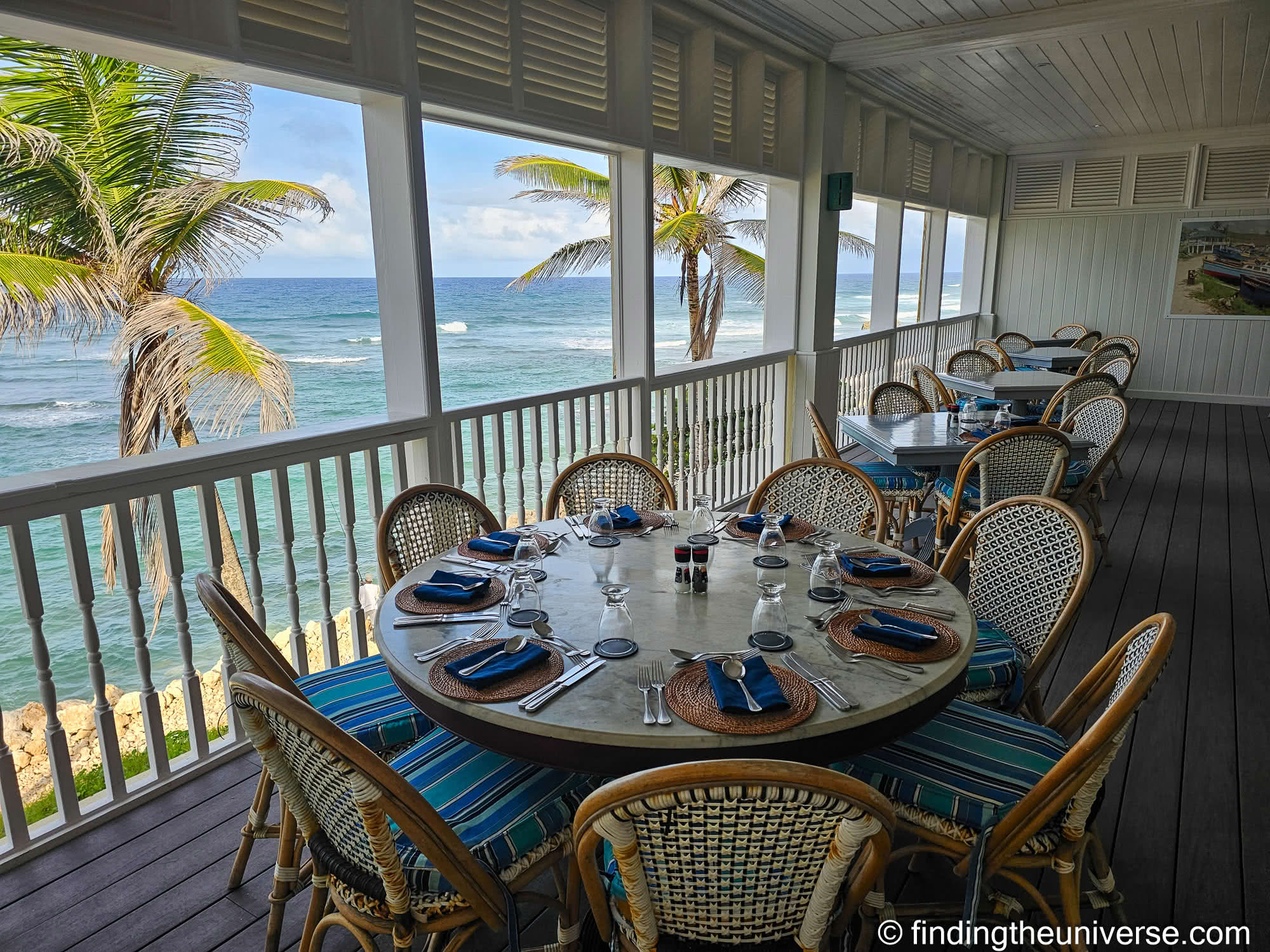 Atlantis Historic Inn
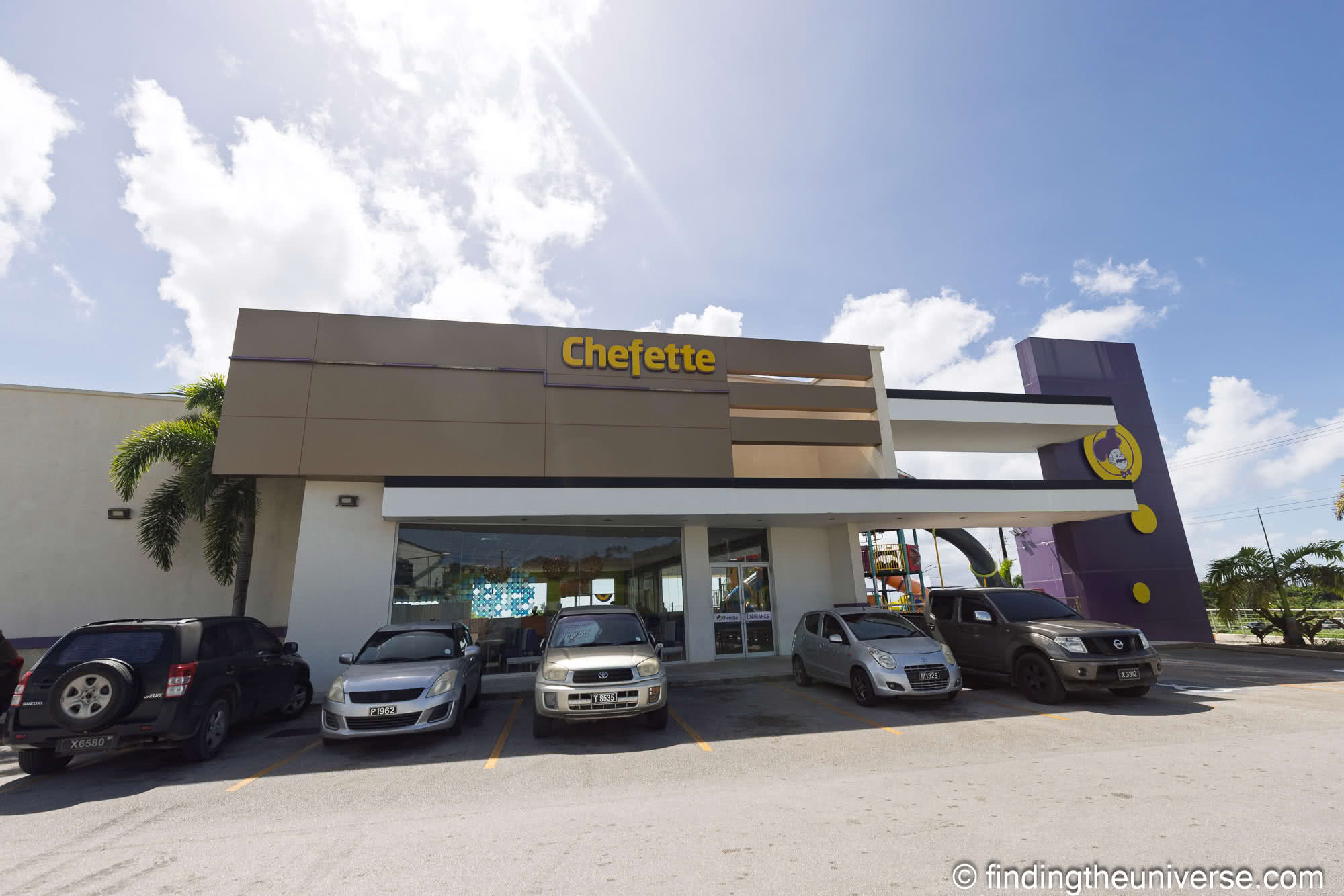 Chefette
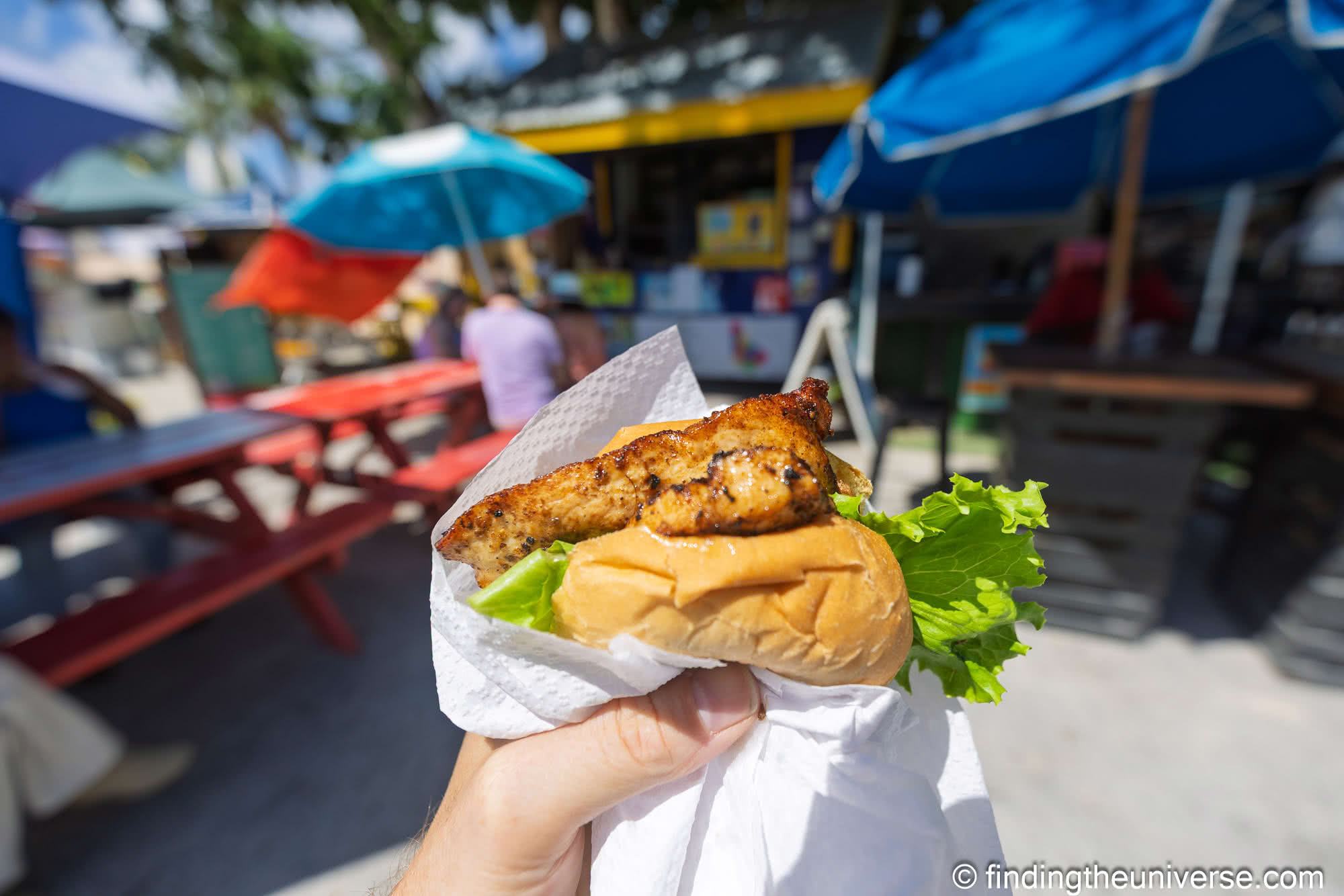 Fish Cutter Cuz’s Fish Stand
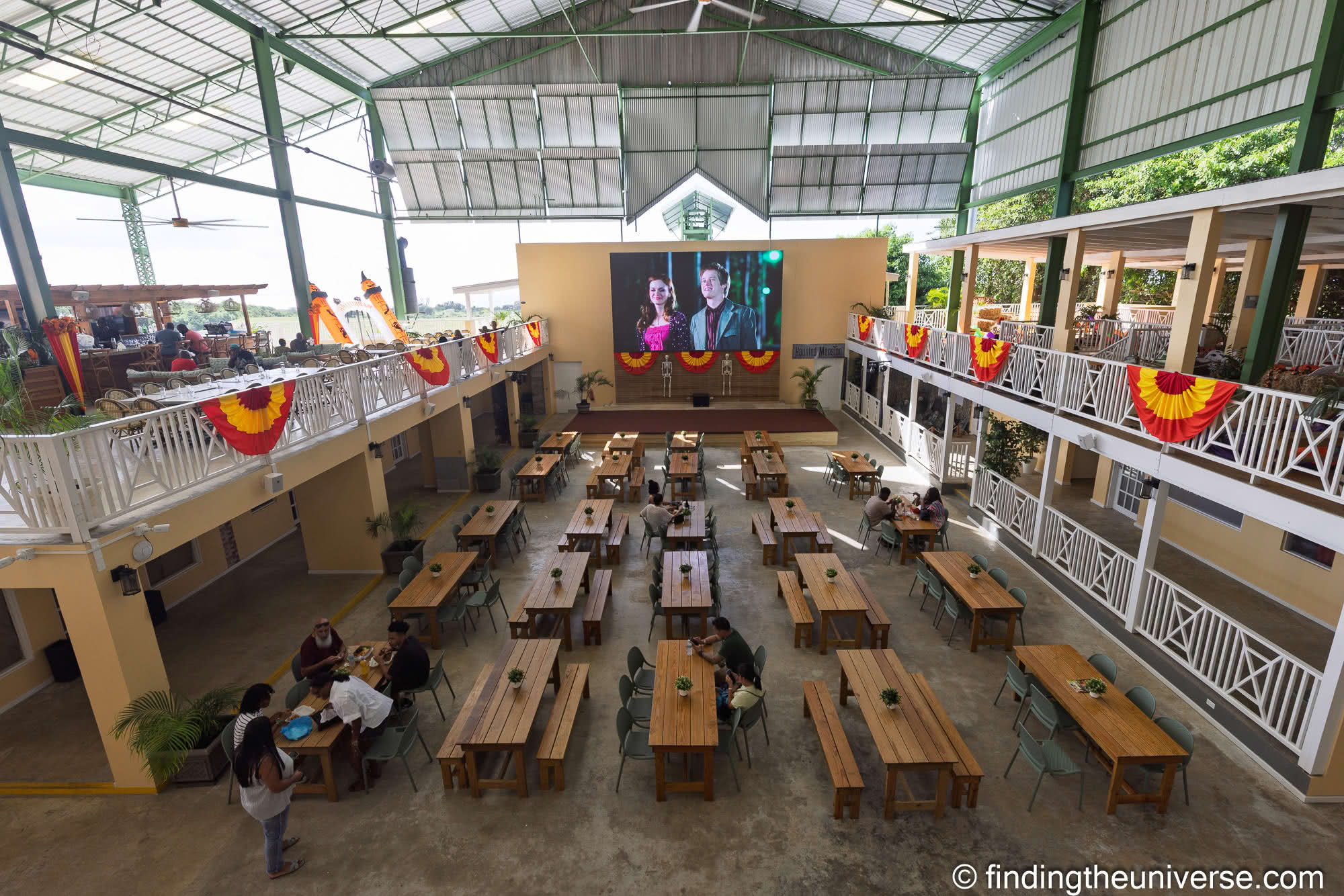 Haymans Market
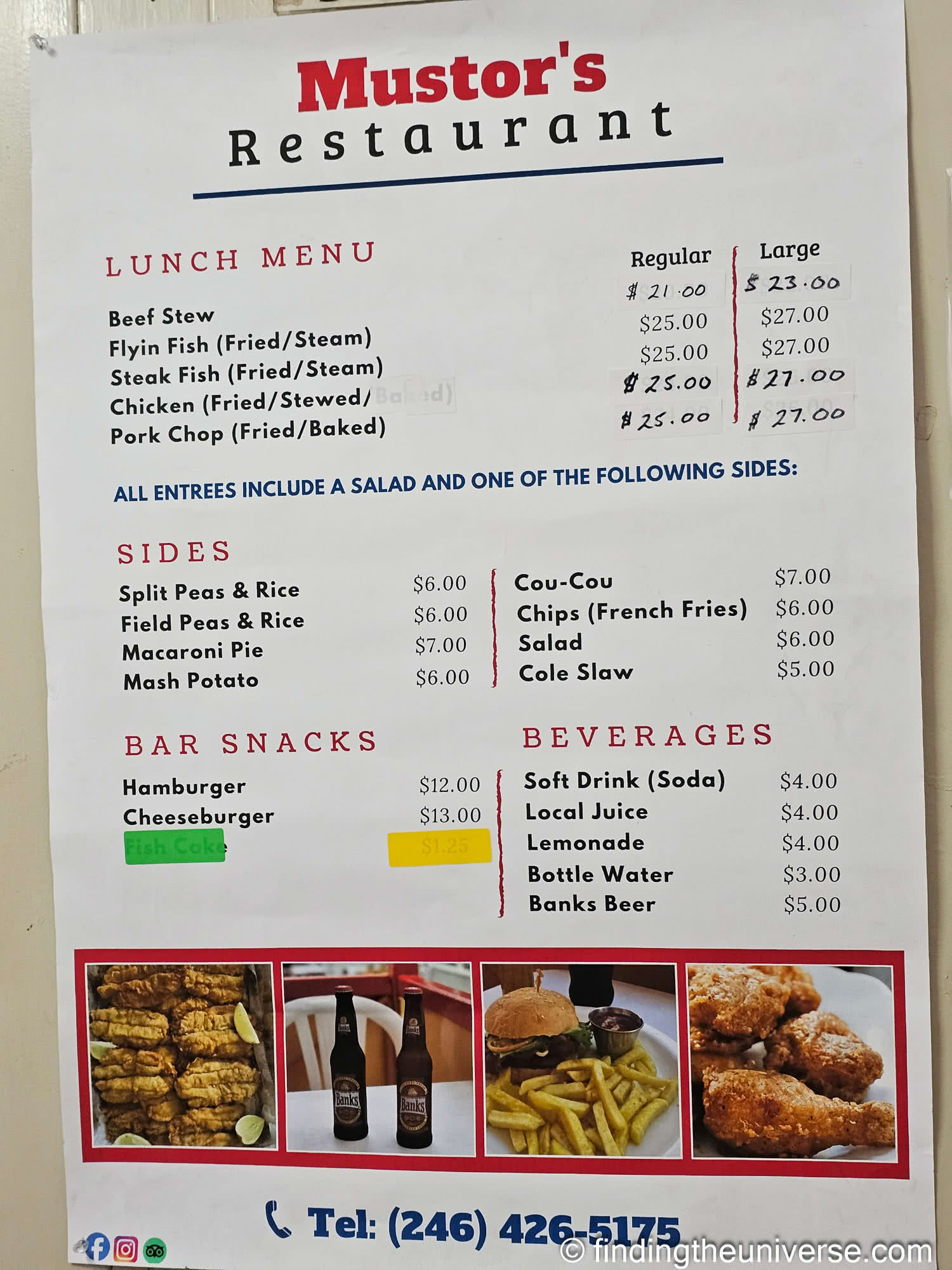 Musters Restaurant
Go Surfing
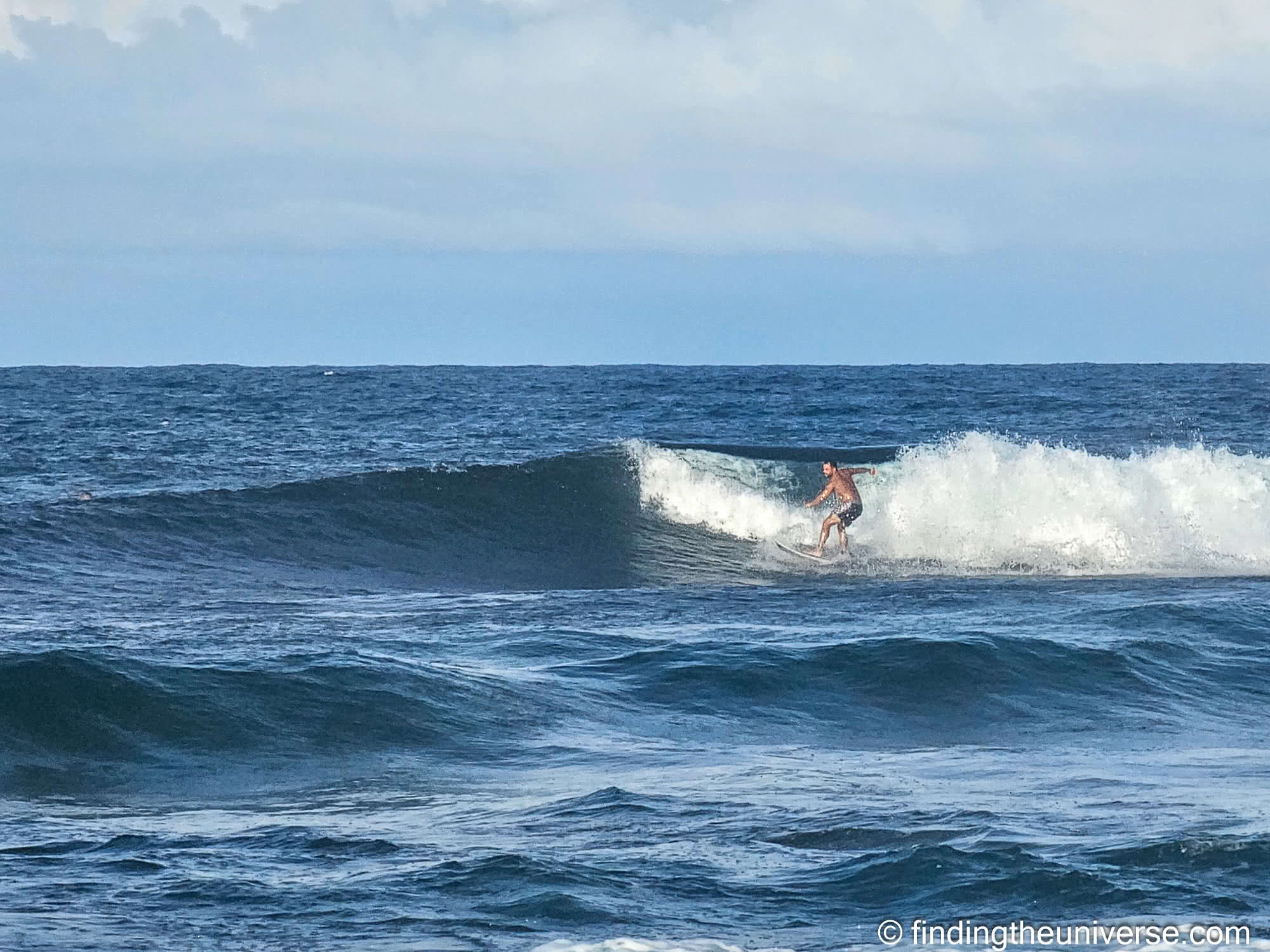
With so much coastline to choose from, it shouldn’t be a surprise that surfing is a fairly popular activity in Barbados. Whilst it may not have the acclaim of other popular surfing spots around the world, Barbados does have something to offer everyone. Even pro surfer Kelly Slater has surfed here.
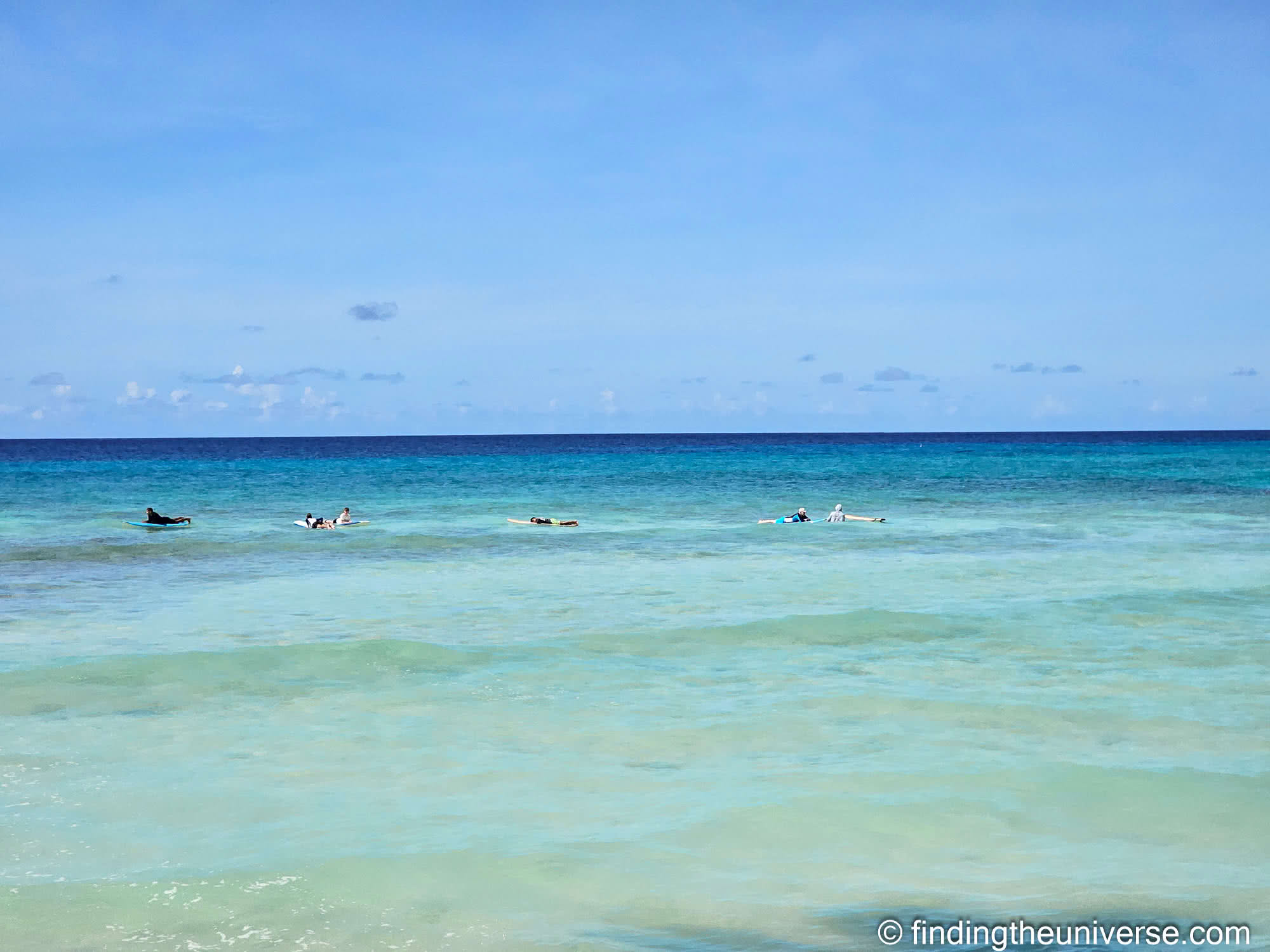
On the southwest coast between Bridgetown and the airport there are a number of surf schools offering surf lessons on beginner friendly waves. Most offer a range of experiences from 2-hour group surf lessons to one week multi-course packages with board rentals. We watched lots of folks, children and adults, learning to surf on Dover Beach.
Surfers can find a number of locations to catch a wave in the south and west coasts. For more experienced surfers, the east coast is where the action is, with popular locations like the Soup Bowl at Bathsheba and Duppies in the northeast. Just be cautious as these spots can be dangerous for inexperienced swimmers and surfers.
So whatever level of surfing you are at, Barbados should have something to offer you!
Visit Museums, Historical Homes, & Cultural Sites
Barbados has a fascinating history. It was first inhabited by the Arawak and Kalinago people, an indigenous people of the Caribbean. European settlers claimed ownership of the islands as part of their colonization of the Americas, resulting in the death or enslavement of the majority of the local population.
The first colonizers to claim ownership were the Spanish in the late 15th century, followed by the Portuguese (1532 – 1620), and finally the British empire took possession from 1625 until independence in 1966.
After colonization by the British in 1625, Barbados became a plantation colony. Initially, indentured Irish servants provided the labor, but this was supplanted by enslaved Africans until slavery was abolished in the 19th century.
There are a number of locations you can visit in Barbados today to learn about various parts of its history, from the plantations and slavery through to the military, cultural and religious history of the islands. Here are a few stops we suggest considering for your visit.
Garrison Historic Area
The Garrison Historic Area, also known as St. Ann’s Garrison or just “The Garrison”, is an area of Bridgetown a little south of the center which includes multiple historic buildings and sights of interest.
These include many original British military buildings, a historic horse racing track, the home where George Washington is said to have stayed during his visit to Barbados, the National Barbados Museum, and the St Ann & Charles forts.
It is part of the only listed UNESCO world heritage site in Barbados (which also includes historic parts of the city), and there are a number of locations that you can visit.
We highly recommend taking a bit of time to explore this part of the city, which you can easily do on foot. The area is not huge, so you could easily visit all the sights in about half a day of sightseeing. Read more about some of these sights in the sections below.
Museums in Barbados
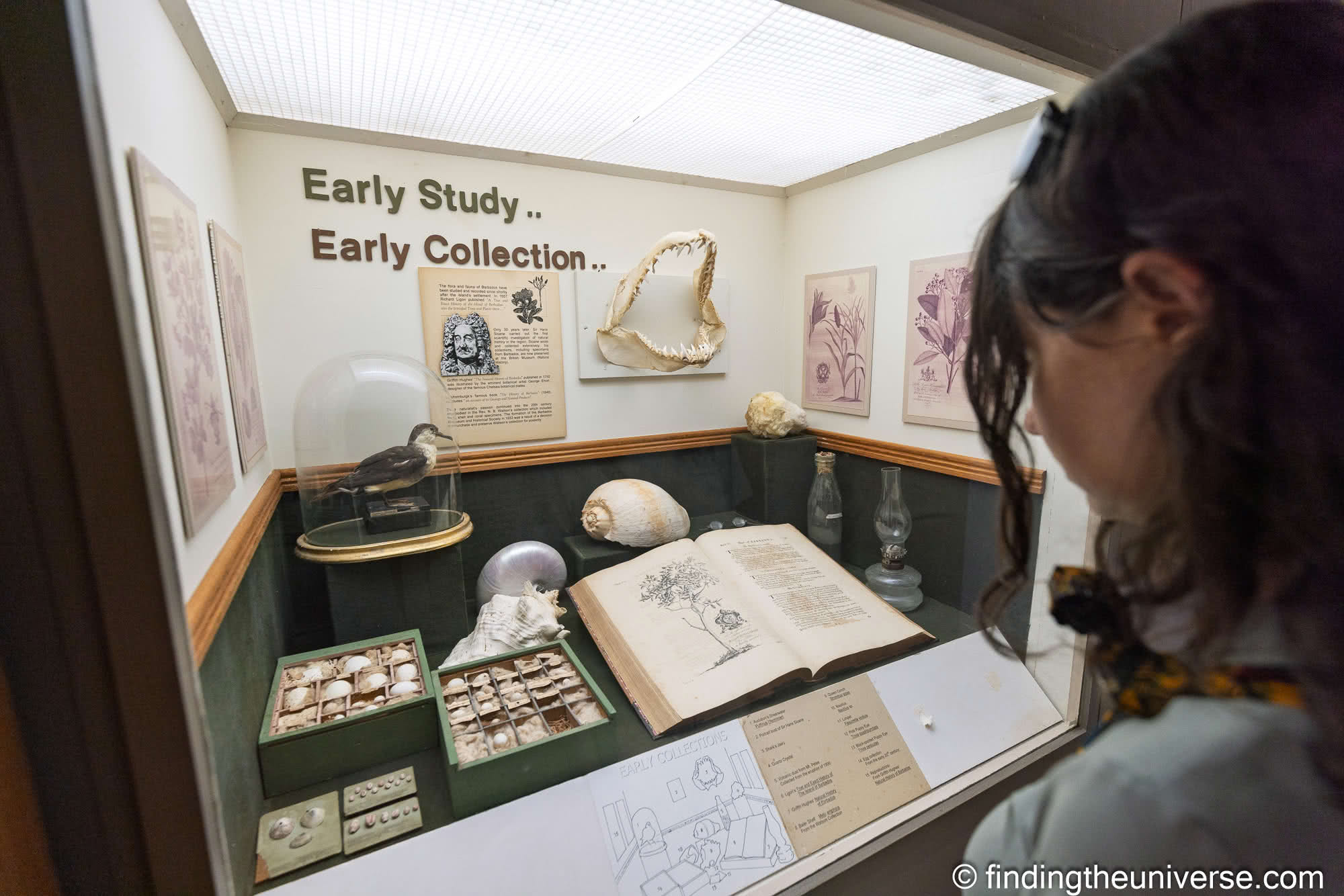
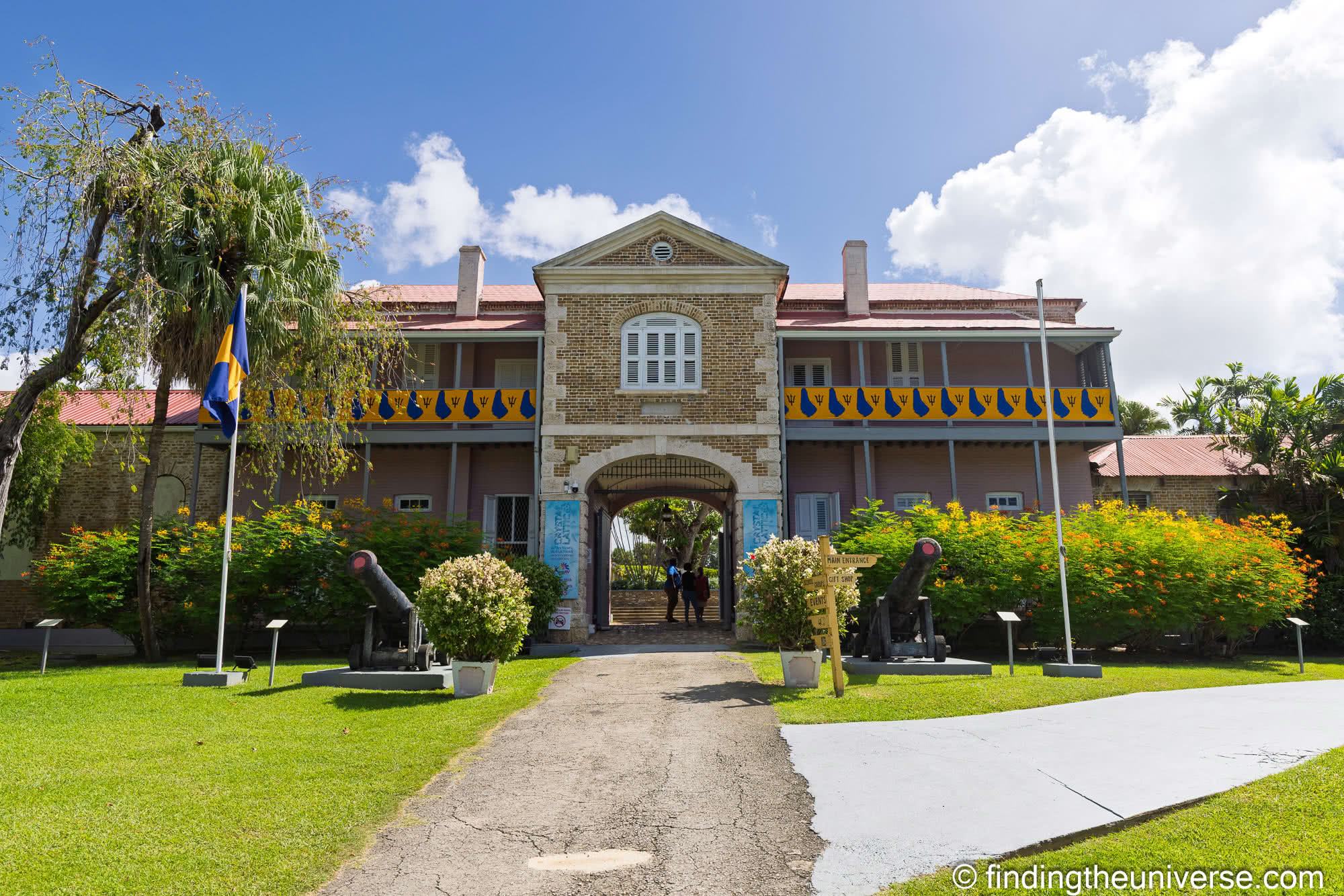
- Barbados Museum, Garrison Historic Area, Bridgetown – This tells the story of Barbados across over 4,000 years of history. It covers geology, the early inhabitants of the islands, colonization and slavery, the military history of the nearby garrison, and much more. This is probably the best place to come to learn about the island and its people, and it was by far our favorite museum on the island. The only downside is that the majority of it wasn’t air-conditioned when we visited, so it can be a bit hot. An entry fee applies.
- Barbados National Armory Museum, Garrison Historic Area, Bridgetown – found in the former powder store underneath St. Ann’s Fort, this museum is home to many original cannons. You will want to contact the National Cultural Foundation for information on visiting, as it is not always open.
- The Exchange Interactive Centre, Garrison Historic Area, Bridgetown – this interactive museum focuses on the history of commerce, education and finance in Barbados. An entry fee applies.
- Nidhe Israel Synagogue & Museum, Synagogue Historic District, Bridgetown – dating from 1654, this is the only synagogue in Barbados, and is one of the oldest synagogues in the western hemisphere. Today you can visit the Nidhe Israel Museum to learn about the history of the synagogue and Jews in Barbados. An entry fee applies.
- Museum of Parliament and National Heroes Gallery, Parliament building, Bridgetown – this museum inside the Barbados parliament tells the story of democracy in Barbados from 1629 to the present day. It also hosts the national heroes gallery, a list of Barbadians who are deemed to represent the best of the country. An entry fee applies. Directly opposite the parliament you will also find the National Heroes Square, which also honors these people.
- Cricket Legends of Barbados, Bridgetown – this museum focuses on some of the key cricket players from Barbados, as well as information on cricket in Barbados in general. A must visit for cricket fans. An entry fee applies.
- Arlington House Museum, Speightstown – found in a restored eighteenth century building, this museum tells the history of the port of Speightstown as well as the plantations on the island. We did enjoy our visit and specifically learning about the port history of the town, just be aware it’s quite a small museum with a fairly specific focus. An entry fee applies.
- Carribean Wax Museum, Bridgetown – in a mall on Broad Street, this museum has wax figures representing notable Carribean figures, both present-day and historic. This is definitely a bit of a niche museum, but a fun one nonethless! An entry fee applies.
- Mallalieu Motor Collection, Hastings, Bridgetown – classic car lovers will definitely want to visit this museum, a passion project of the owner Bill Mallalieu. This museum showcases his private car collection which consists of around 20 vehicles, some of which are very rare indeed. There’s also memorabilia on the walls of historic vehicular events in Barbados. An entry fee applies.
 Barbados Museum
 Barbados Museum
Historic Homes in Barbados
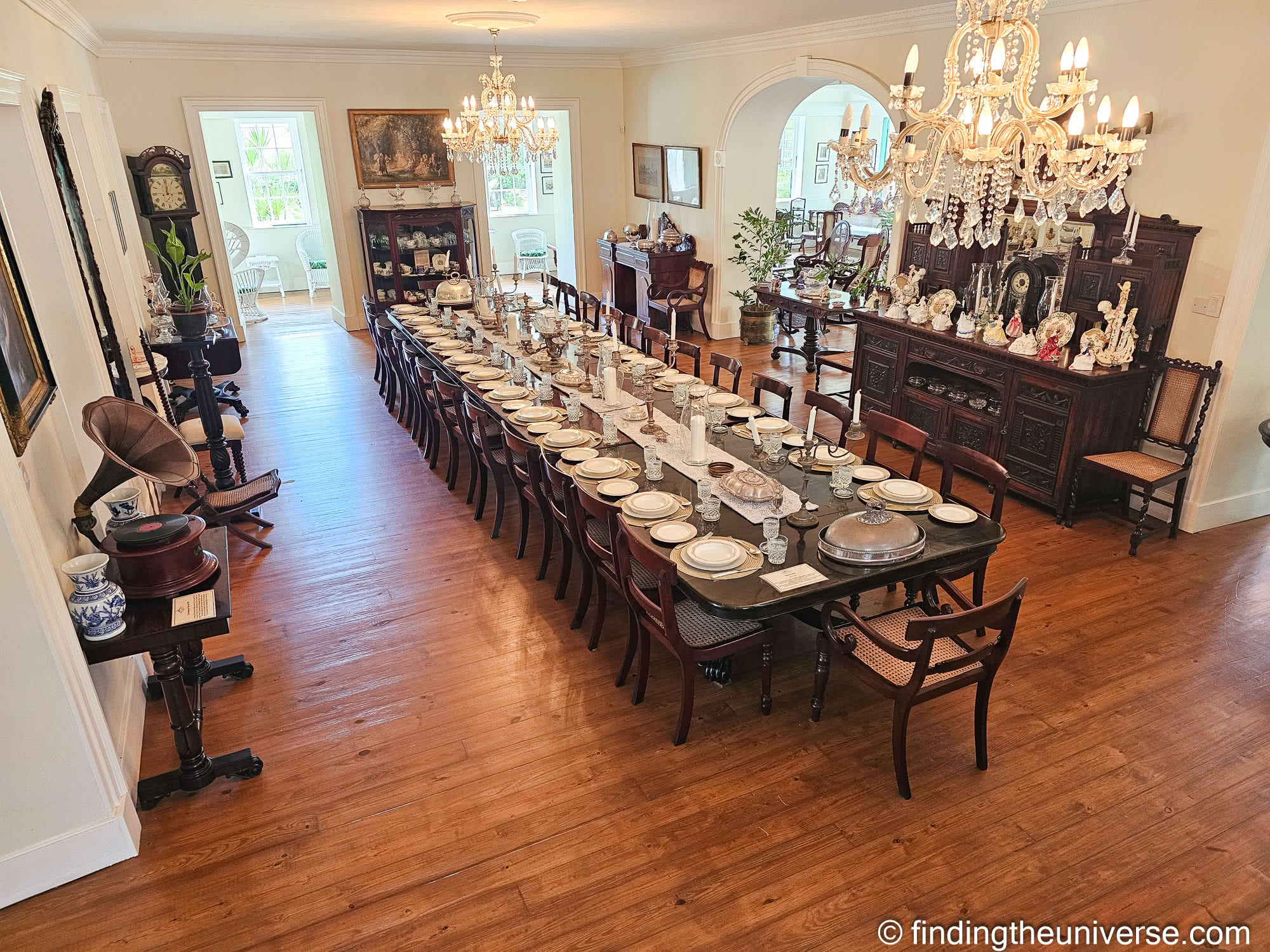
Sunbury Plantation, Saint Philip
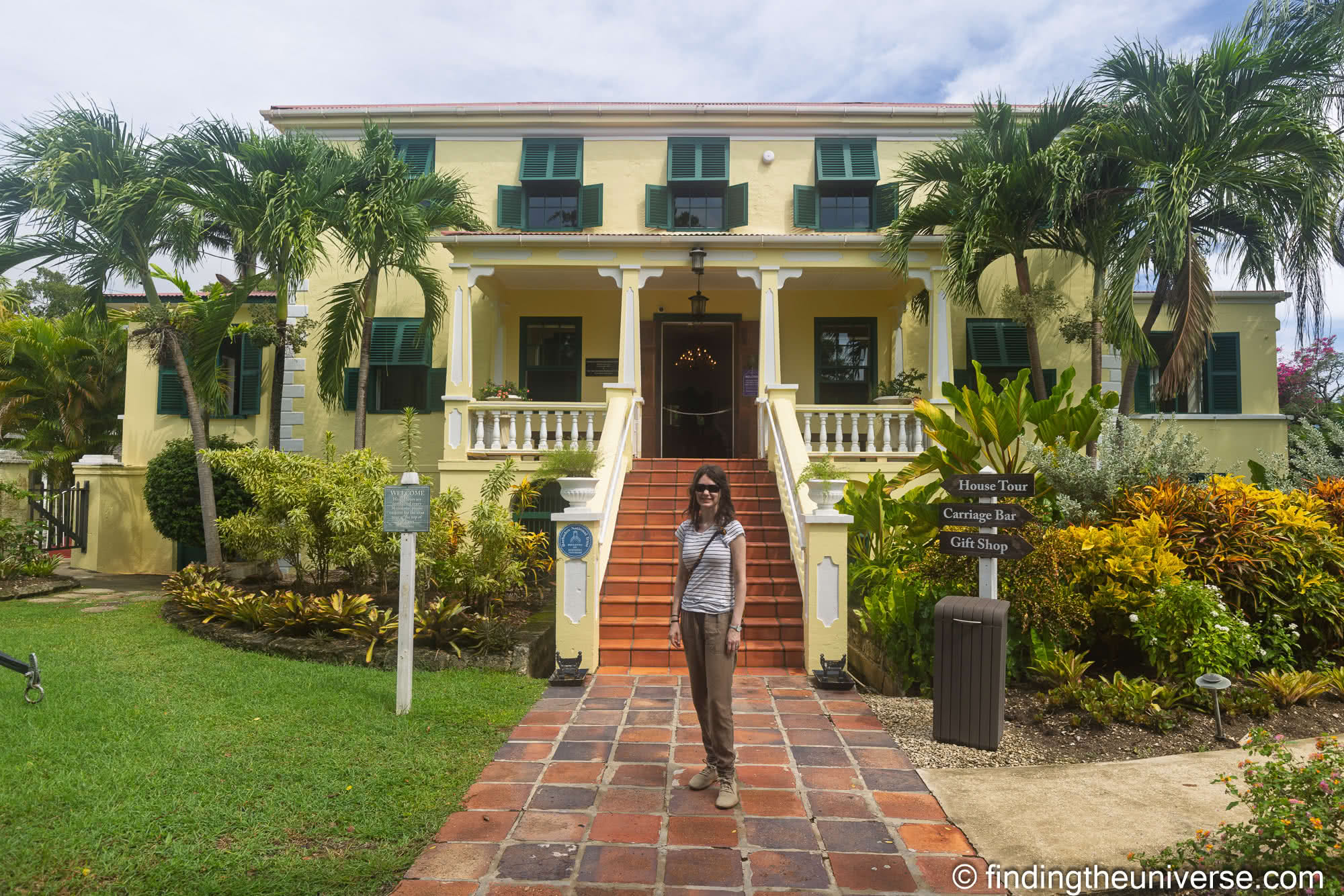
Found in the south-east of the island and dating from the 1600s, Sunbury Plantation is one of the oldest surviving plantation homes on the island.
It is filled with beautiful antique furniture and artefacts. Guided tours tell the story of life for those living in the house, and when we visited a rum punch was also included.
We enjoyed our tour, largely because the guide was great at bringing things to life. However, there are a couple of things to note – it is popular with cruise ship tours, so can be busy on those days. The day we visited we were the only two people during our visit, which was nice.
Additionally, it should be noted that there is minimal information on the life of the enslaved workers who created the wealth that has allowed the plantation to endure.
An entry fee applies. When we visited the on-site restaurant was only available for pre-booked groups rather than individual visitors.
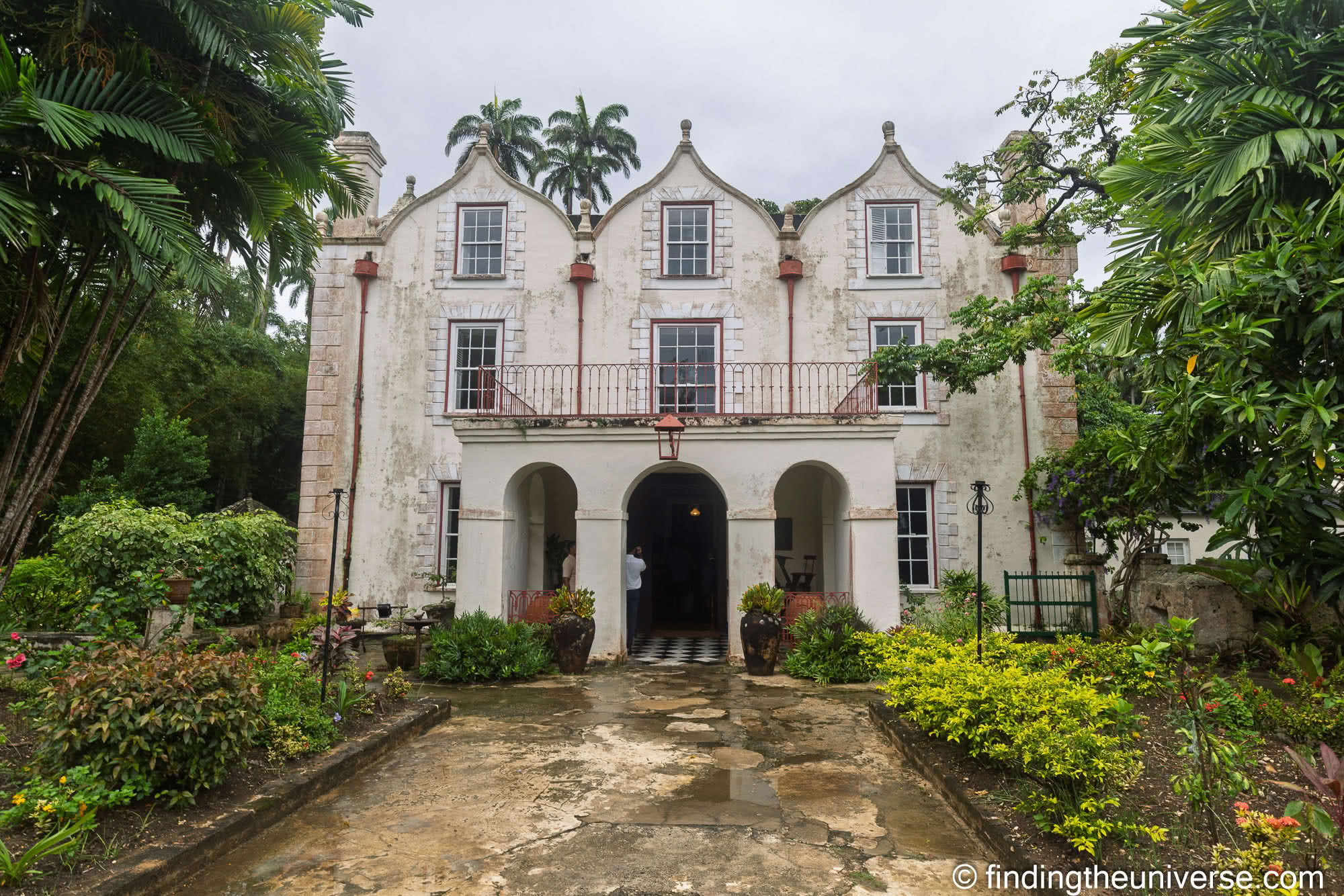
St Nicholas Abbey & Heritage Railway, Saint Peter
Found towards the northern end of the island, this 1658 plantation house is one of only three Jacobean mansions still surviving in the western hemisphere.
Despite the name, it has no religious significance or affiliation, the name is just a quirk of history.
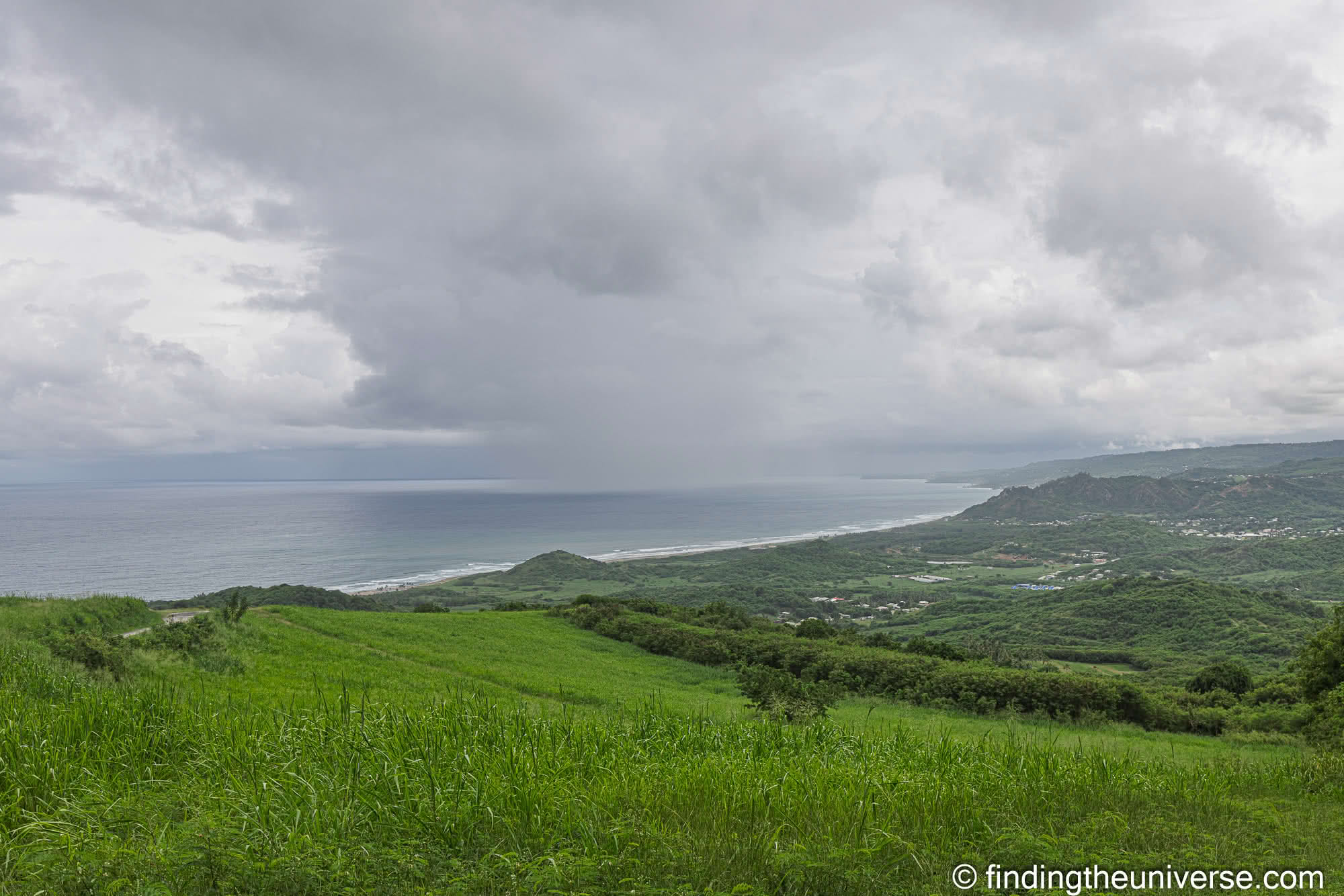
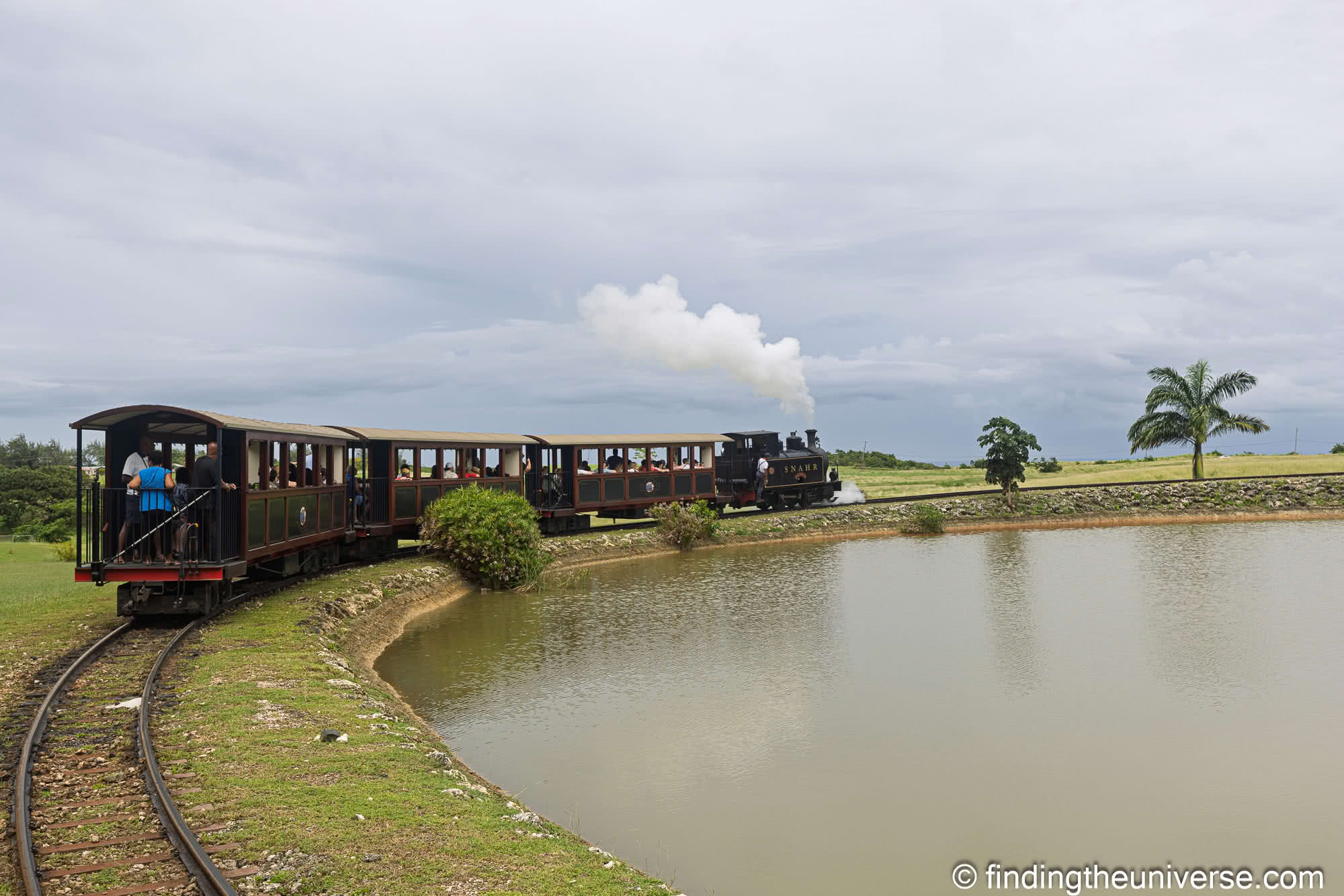
A visit here gives you the opportunity to explore the grounds, have a brief rum tasting, take a short tour of the ground floor rooms and watch a video of Barbados from the early 20th century.
There is also a short train ride on a restored steam train to a viewpoint. Personally we enjoyed watching the train go by and then we walked the five minutes from the house to the viewpoint, but the folks on the train looked to be enjoying themselves.
This is a popular sight in Barbados and if you don’t have your own transport you can book a tour which includes a visit to abbey like this one or this one.
Many people enjoy the visit. In our mind it is a little pricey for what you get. There is also minimal mention of the enslaved workers as part of the tour, you would want to head to Barbados Museum and Historical Society for more information on that part of Barbadian history.
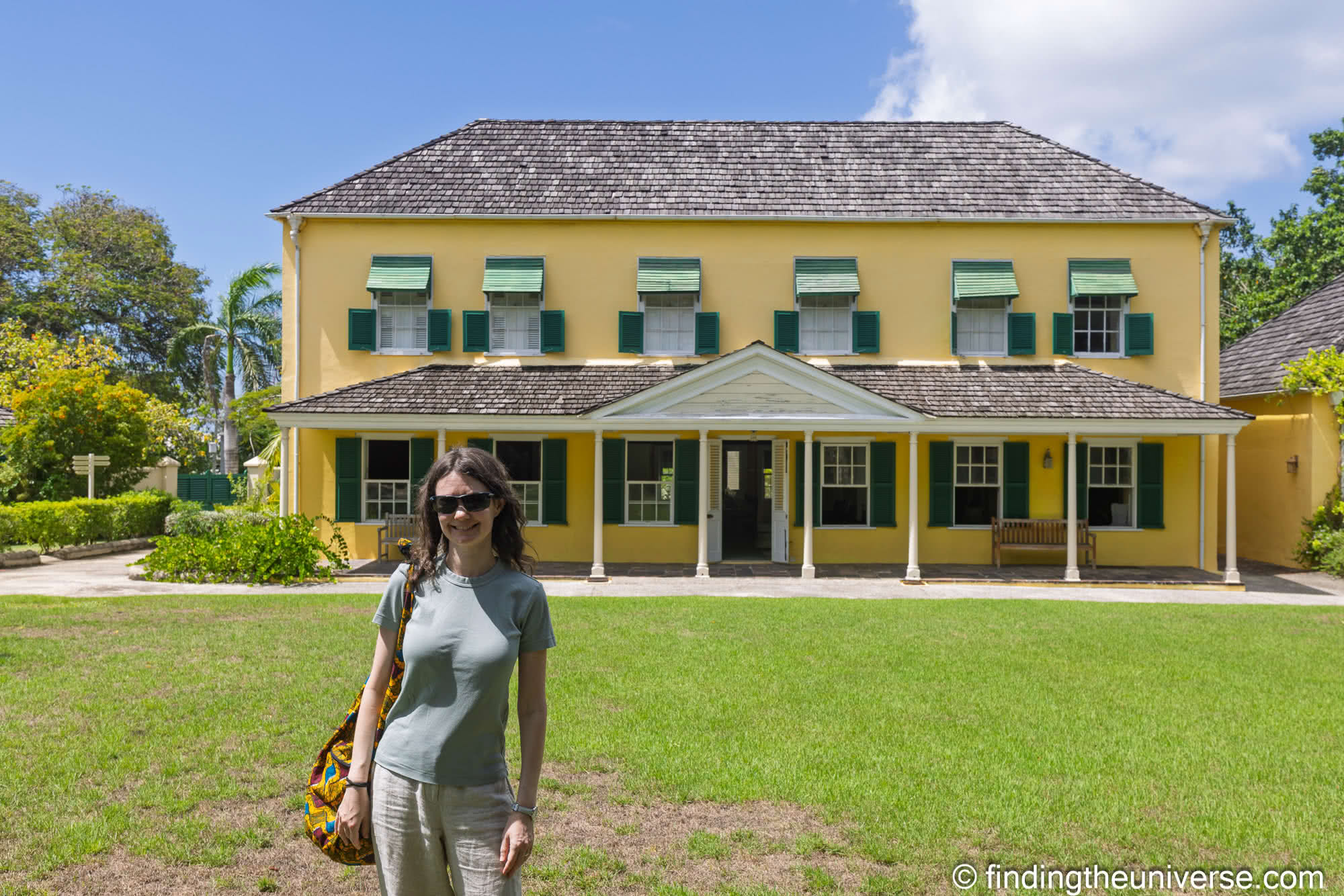
George Washington House, Garrison Historic Area, Bridgetown
Not far from the Barbados Museum is the George Washington House. Barbados is the only country outside of the USA that the first president of the United States visited, and this house is where you can learn all about his visit.
Whilst historians think it is unlikely he stayed in this specific property during his 1751 trip to the island, it is in the right general area. It’s also an interesting place to see and the best place on the island to learn all about his visit.
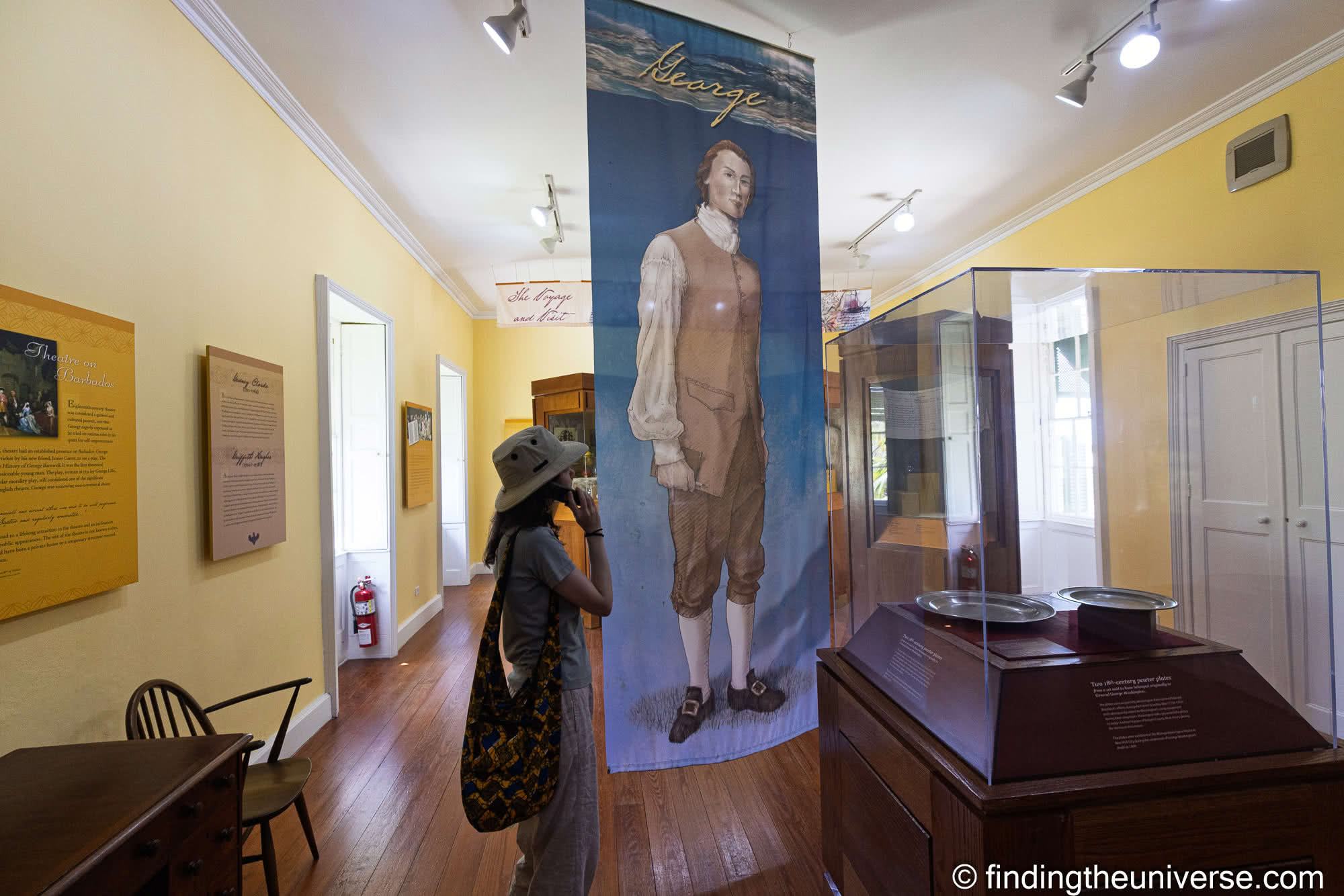
The house has been beautifully restored recently, and there’s an interesting video you can watch which tells the story of his time in Barbados.
There’s also an excellent museum room with a number of exhibits which cover a number of aspects of life in Barbados including the plantations and slavery.
Finally, there are a number of tunnels below the grounds which were formerly a part of an extensive network of tunnels used by the nearby garrison. A short stretch of these historic tunnels can be visited.
An entry fee applies, cafe on site serving refreshments.
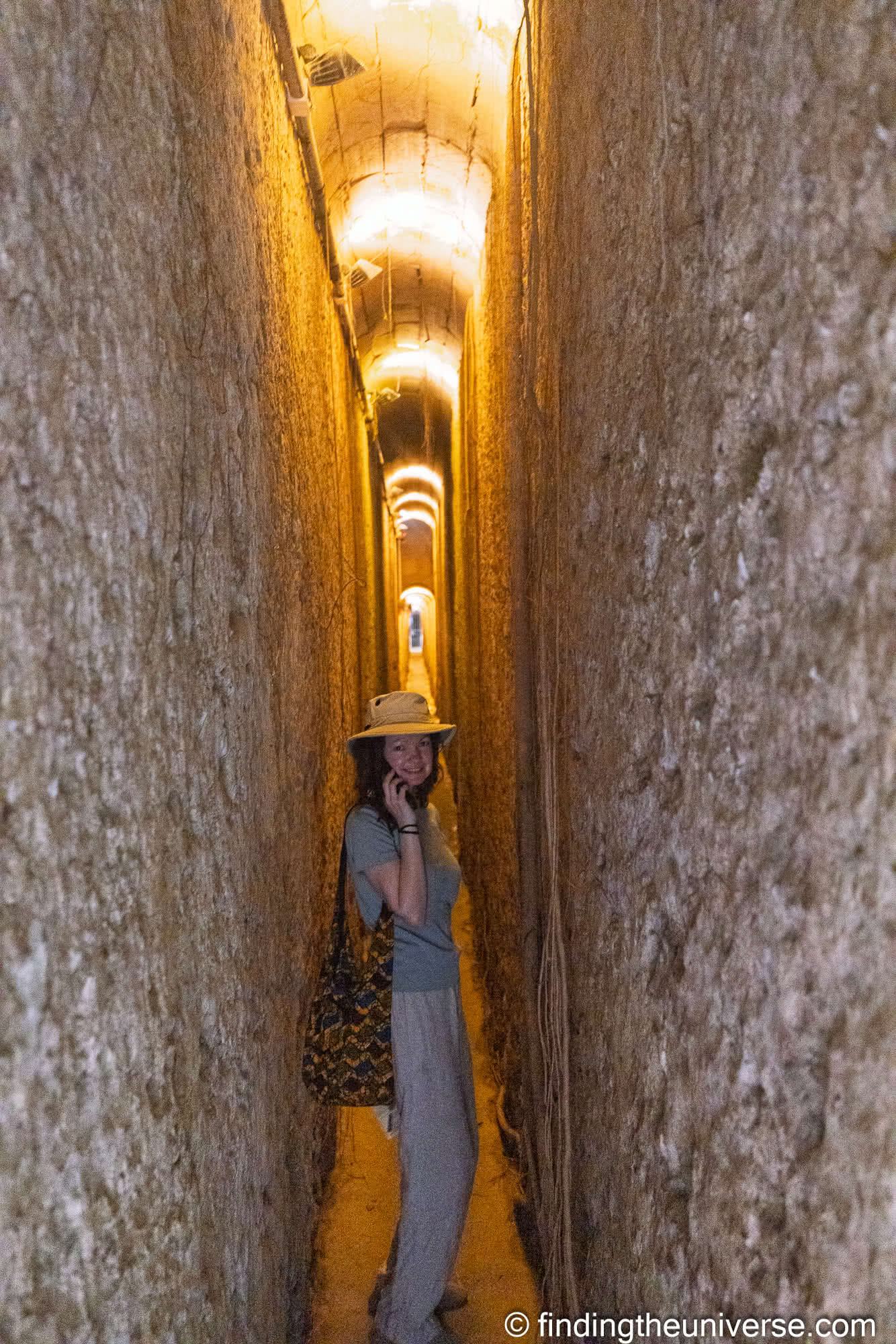
Clifton Hall Great House, St. John
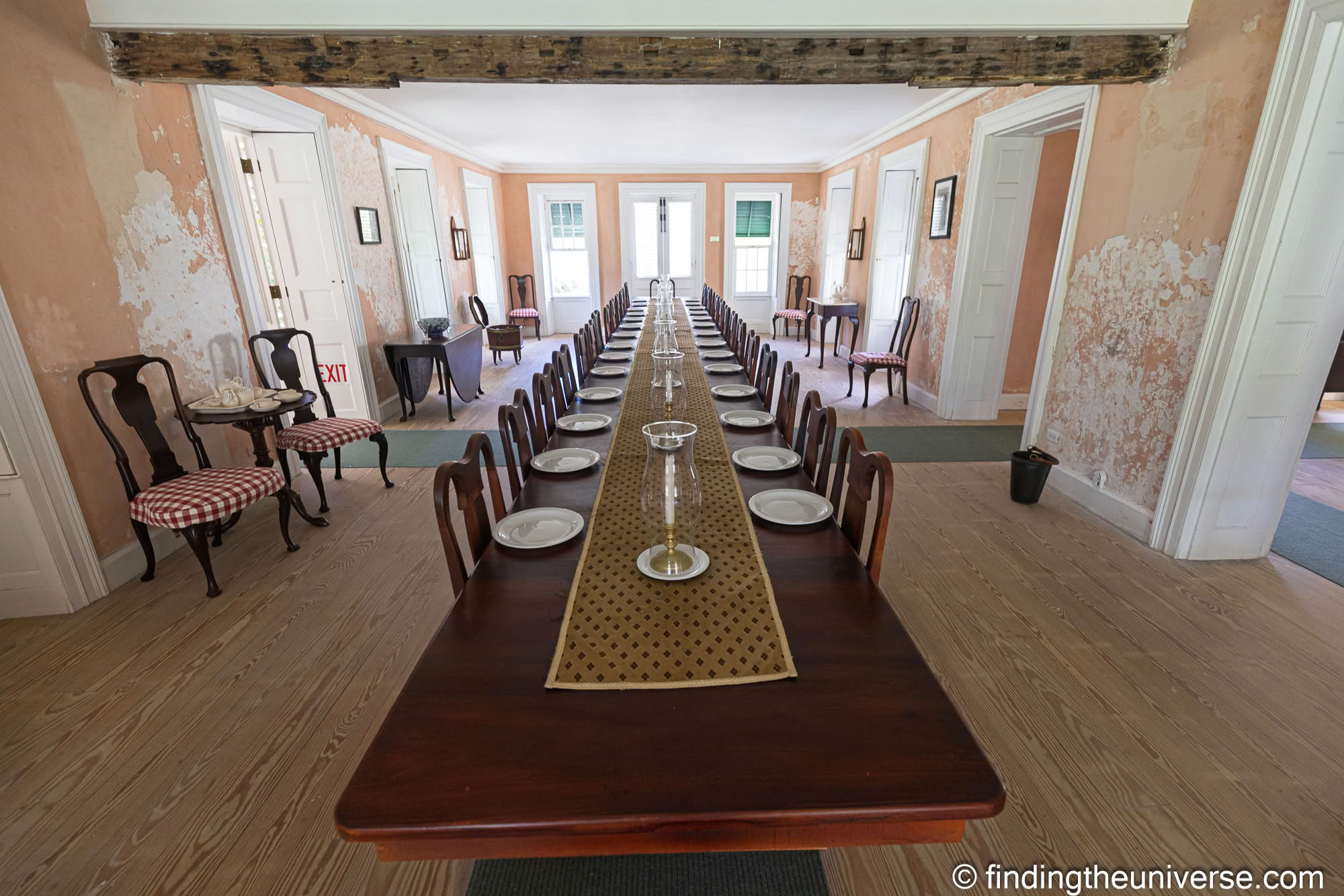
Found in the north east of the island, this beautiful pink mansion dates from 1656, making it one of the oldest homes on the island. Whilst is it primarily used for events such as weddings, you can also book a tour of the house.
Tours take you through the restored house and grounds, including the grand hall, drawing rooms and gardens.
The house also hosts musical concerts and events.
Farley Hill National Park, Benny Hall
When we visit a country, we always try to find films or TV shows set or filmed in the destination. Our research into Barbados didn’t yield a great many options, but one of the films we did find was the 1957 movie Island in the Sun.
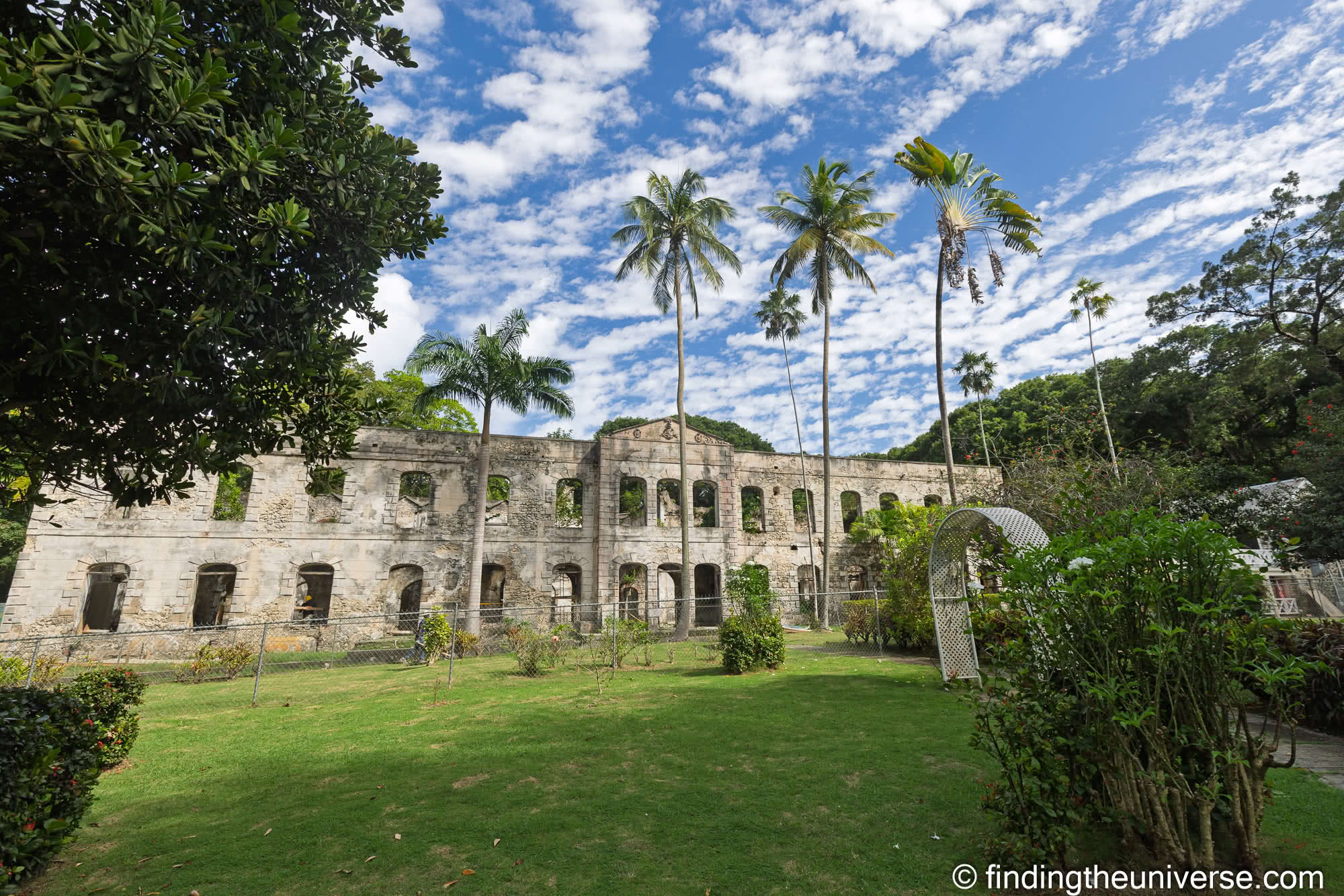
This movie was set on the fictional island of Santa Marta, but was primarily filmed in Barbados and Grenada. One of the key filming locations used was the Farley Hill mansion, which stood in for a fictional country estate in the film.
Unfortunately, this beautiful mansion was entirely gutted by fire in the 1960s, and all that remains today are the walls. However, you can still visit the grounds, which are a popular picnic destination, and which form the Farley Hill National Park.
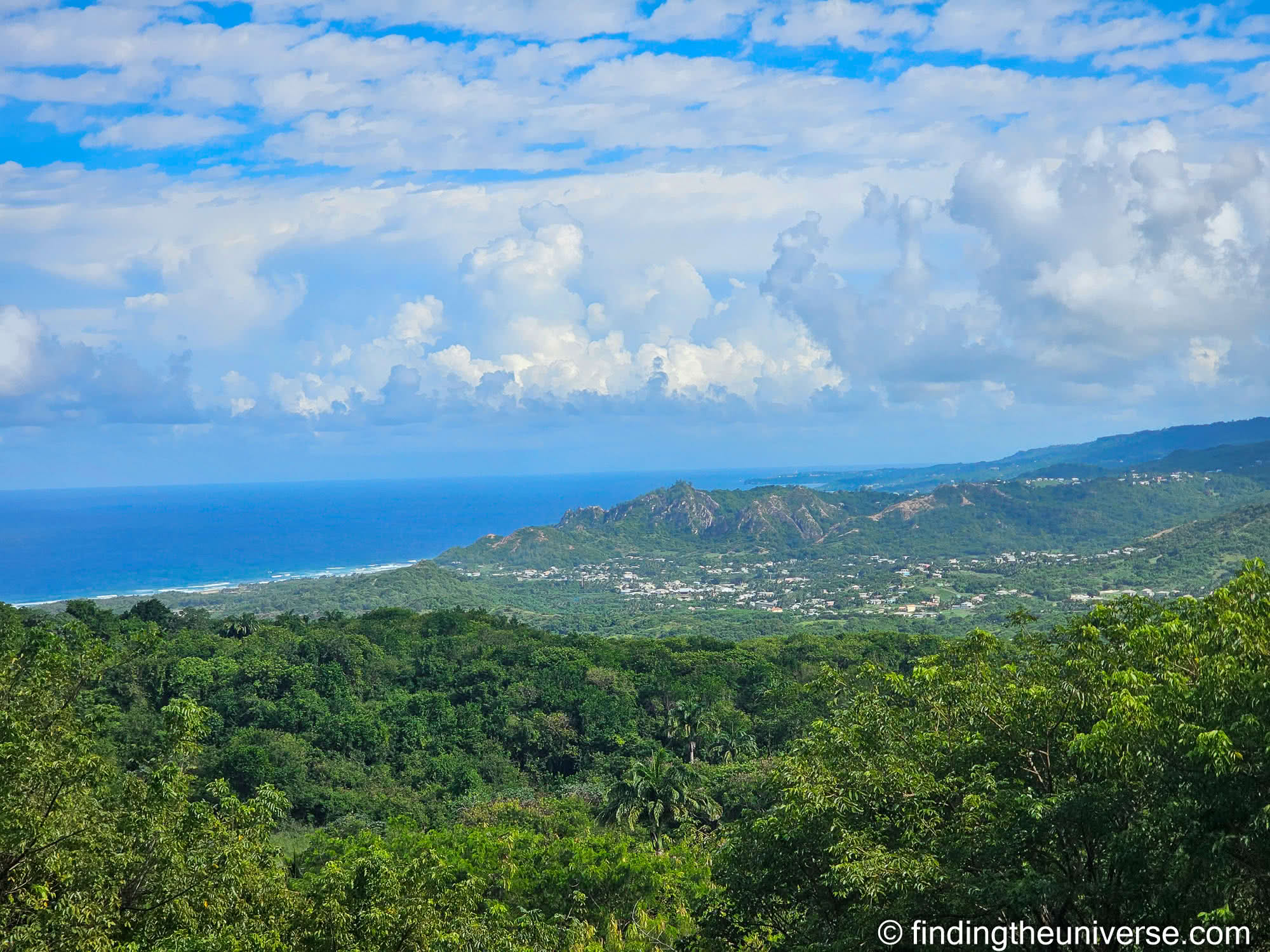
There are excellent views across the north part of the island from the hill, and it’s a lovely spot for a quiet walk in nature. It also regularly plays host to musical events. An entry fee applies.
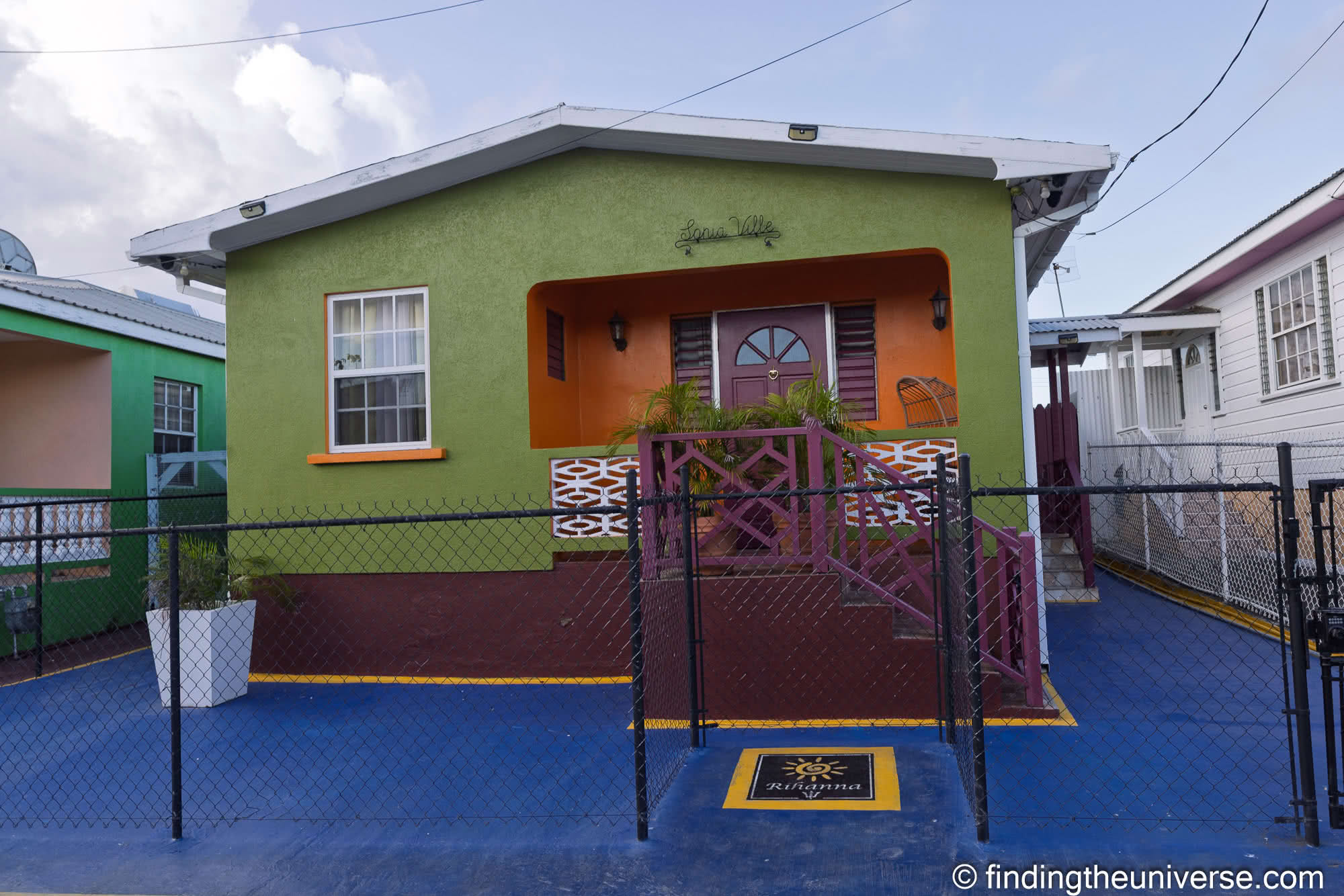
Rihanna’s Childhood Home, Bridgetown
Not all the historic homes in Barbados are ancient! One of Barbados’ most famous cultural icons is the singer Rihanna, who is in the top ten of the world’s top selling artists of all time. She was the first female artists to become a billionaire, and also only the second woman to be named a National Hero in Barbados.
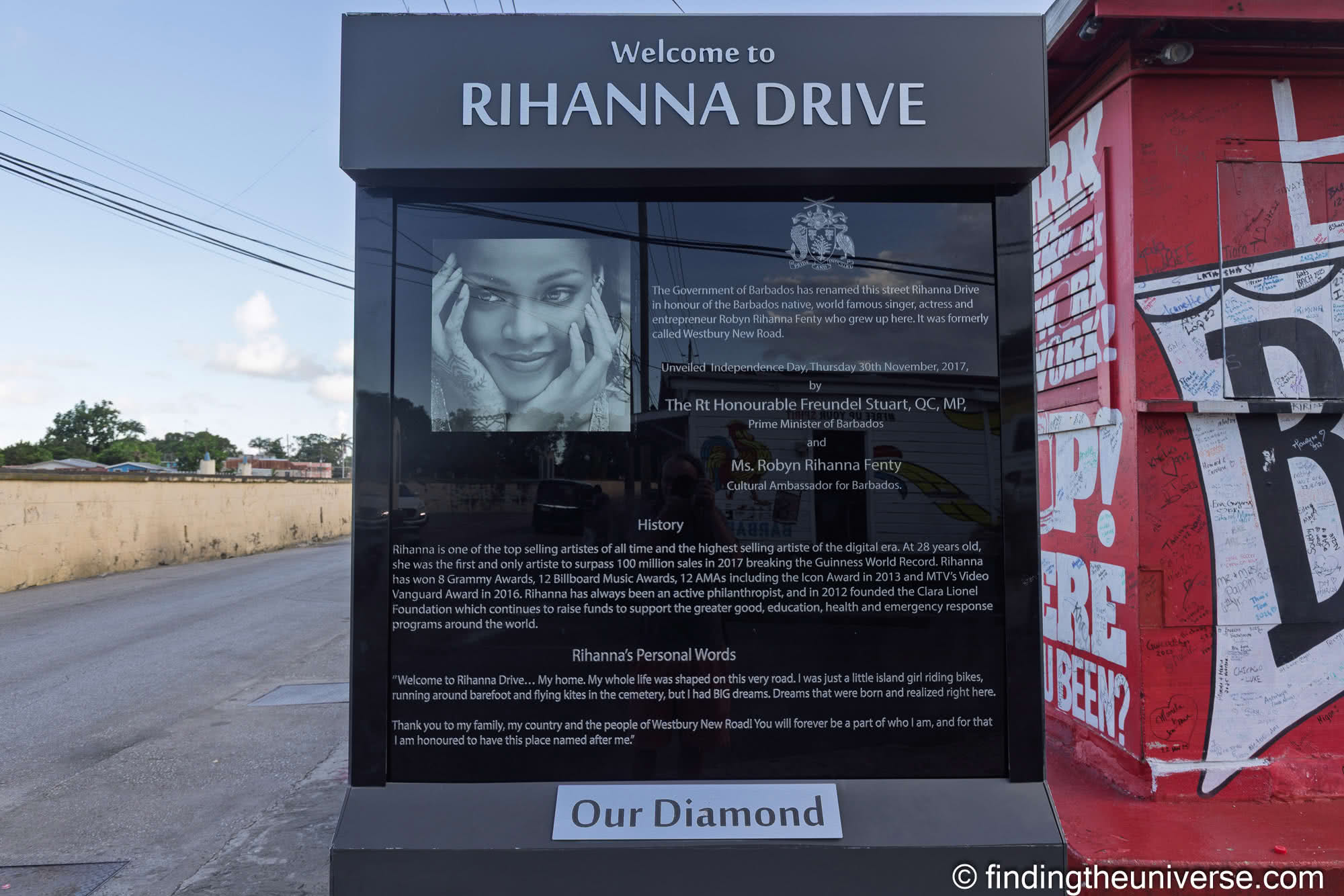
Rihanna grew up in a three-bedroom bungalow in Bridgetown, on a street which has been renamed Rihanna drive in her honor. Today, the house is a popular pilgrimage for fans, who stand outside for a photo. There’s also a sign at the end of the road with some information. Just be aware that as of the time of writing, you can’t visit inside the house.
Churches, Synagogues, & Cathedrals
The majority religion in Barbados is Protestant Christianity, and specifically Anglicanism, although many religions can be found on the island.
There are a huge number of churches across the island, although we would suggest that if you plan on visiting a church or churches, that you head for the Parish Churches. Other than Christ Church, each parish in Barbados is named for a saint, and each Parish has its own primary parish church. Christ Church, being the capital, has St. Michael’s Cathedral.
The churches in Barbados are, as you would expect, very Anglican in style, and as someone who grew up in the UK, they were very similar to the stone-built churches I saw all across the UK. Of course, the stone is a bit different, being coral stone, but other than that the style is very similar!
Ages vary, but the majority of the parish churches date from the 17th, 18th and 19th centuries. We visited a number of the parish churches across the island, and they were very pretty. St. Michael’s cathedral in particular is lovely, with gorgeous stained glass as well as a wooden ceiling.
The parish churches are free to visit although donations are of course accepted. They are also of course working churches, so you can also visit for a service if you like.
In addition to the Anglican cathedral and churches you can also visit St. Patrick’s Cathedral in Barbados (Catholic). There is also one synagogue, the Nidhe Israel Synagogue in the Synagogue Historic District of Bridgetown. This has a museum, and there is an entry fee.
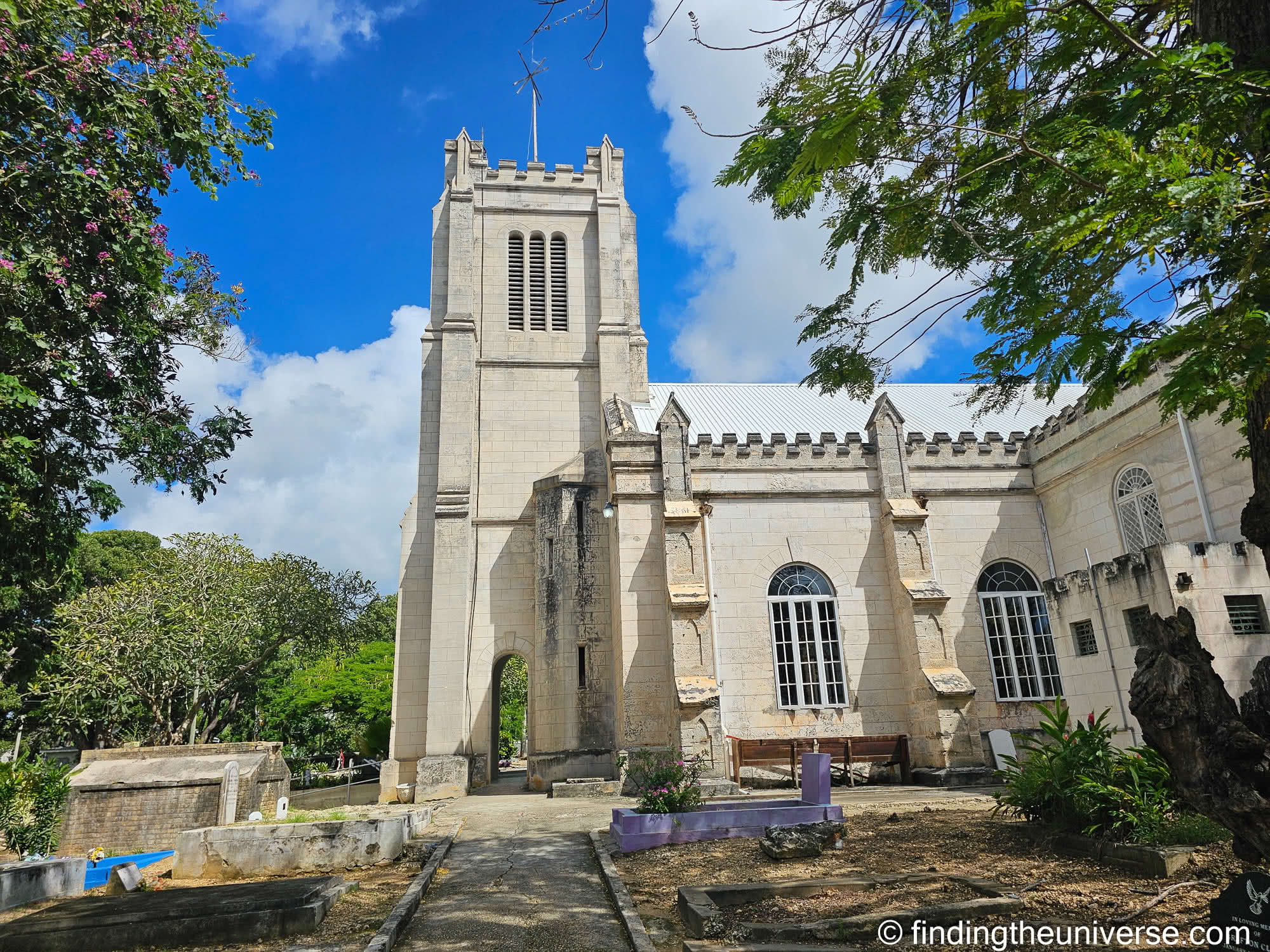 St George Parish Church
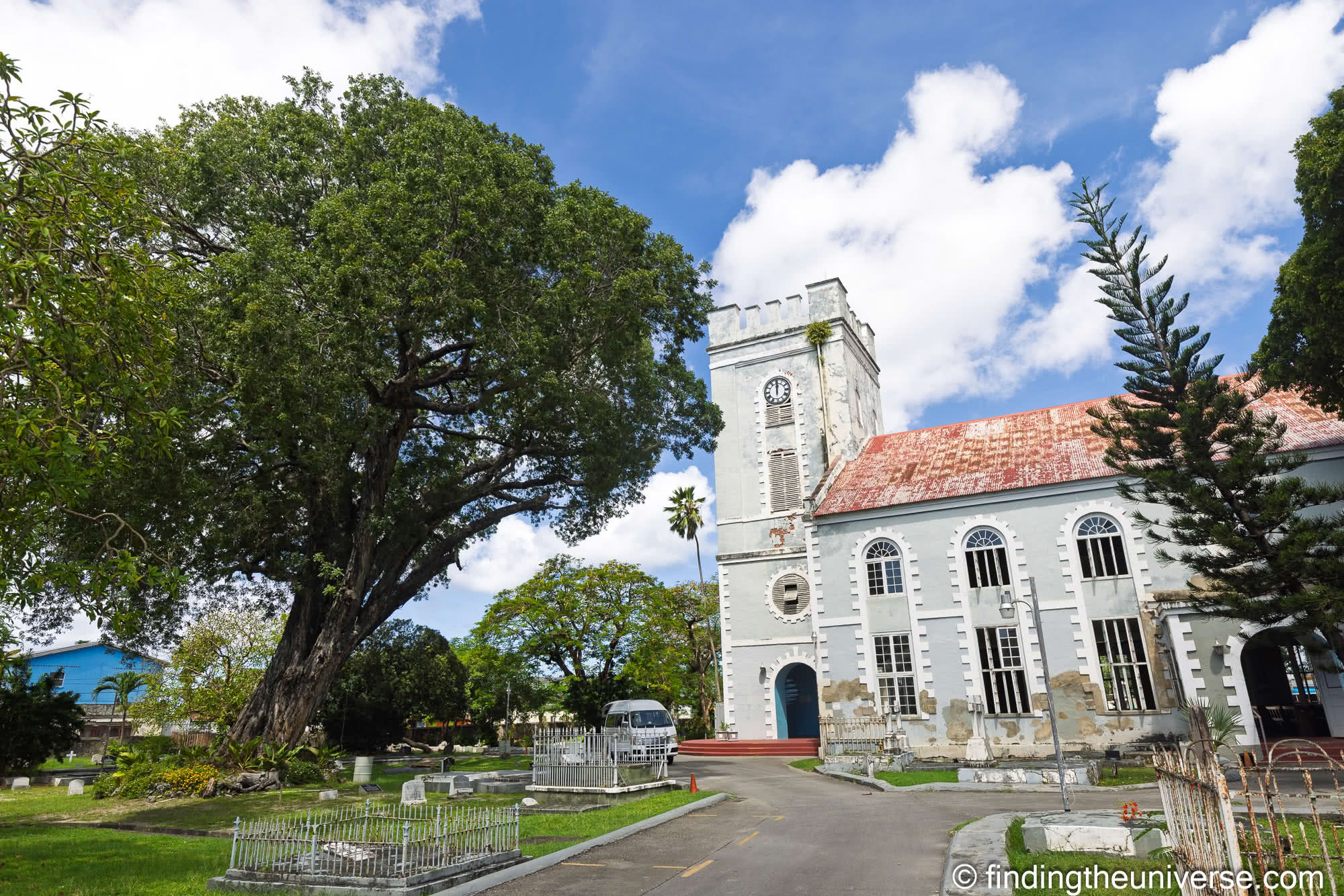 St. Mary Parish Church
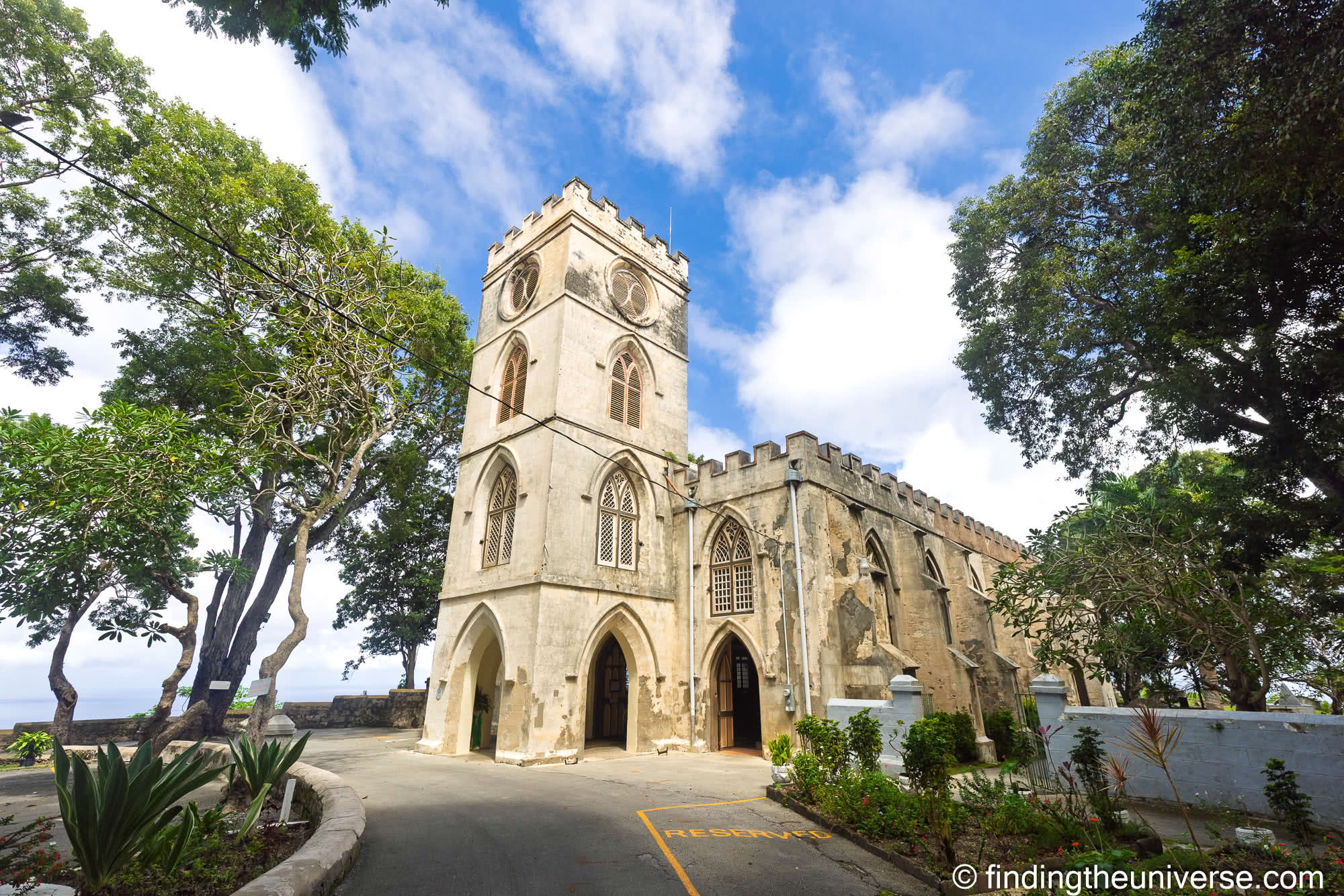 St John Parish Church
Signal Stations
In the early nineteenth century, getting messages between locations in Barbados often involved a rider and a fast horse.
However, following the slave rebellion of 1816, a faster means of communication was desired by plantation owners and the wealthier population.
They wanted to be able to monitor and communicate about future such uprisings, as well as be warned of approaching ships and fires in the cane fields.
The solution was a series of six signal stations which were built on high points across the island. These allowed for messages to be conveyed, normally by flag (in the daytime) or by flashing a light (in the nighttime).
Between 1818 and 1883, these signal stations allowed for messages to be transmitted around the island with much greater speed than before. From 1883, when the telephone arrived on the island, they became somewhat superfluous to requirements, and by 1887 they were all closed.
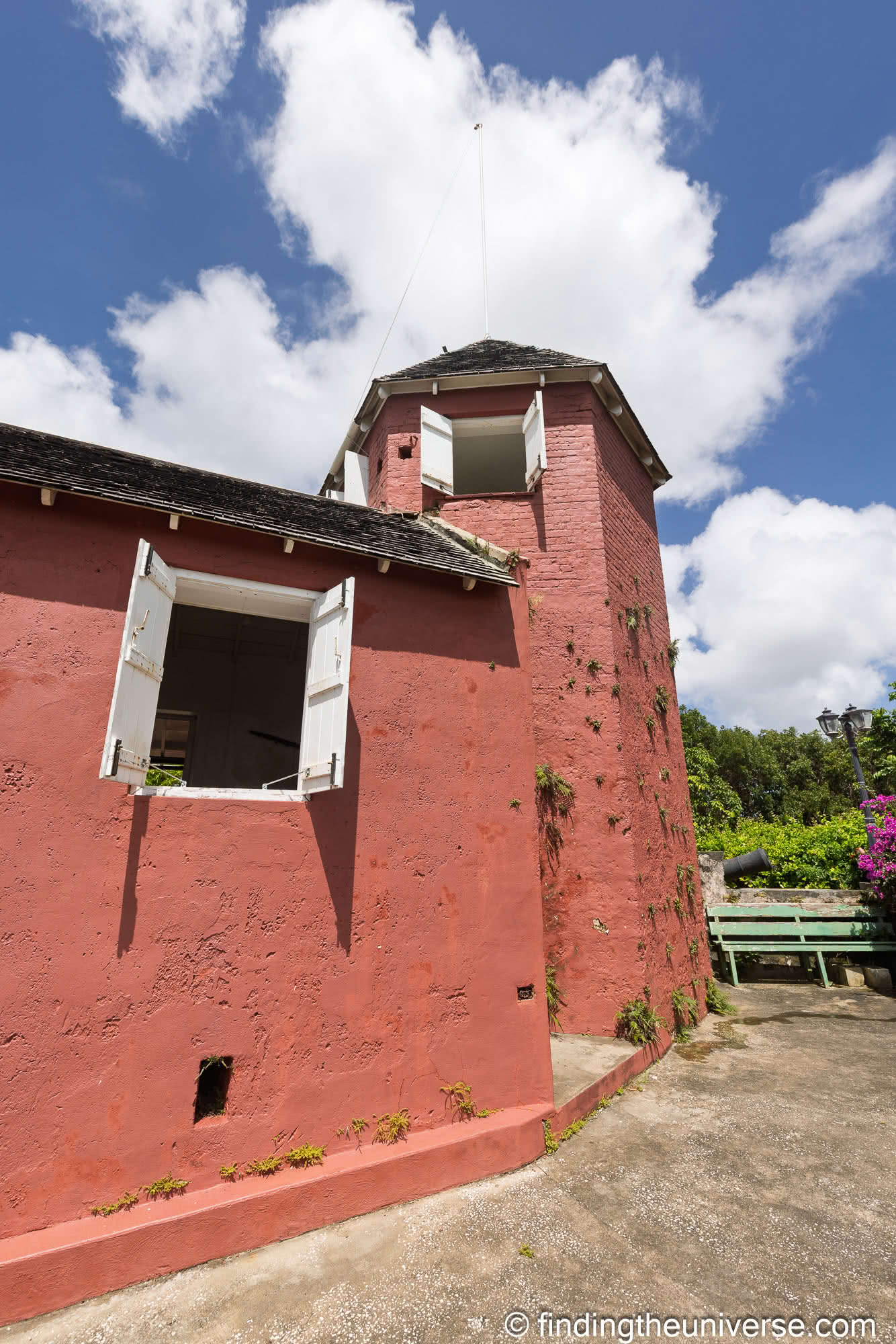
The good news as a visitor is that two of the signal stations have been restored and are now open for visitors in Barbados: Grenade Hall Station and Gun Hill Signal Station. Cotton Tower Signal Station is still standing but has not as yet been restored.
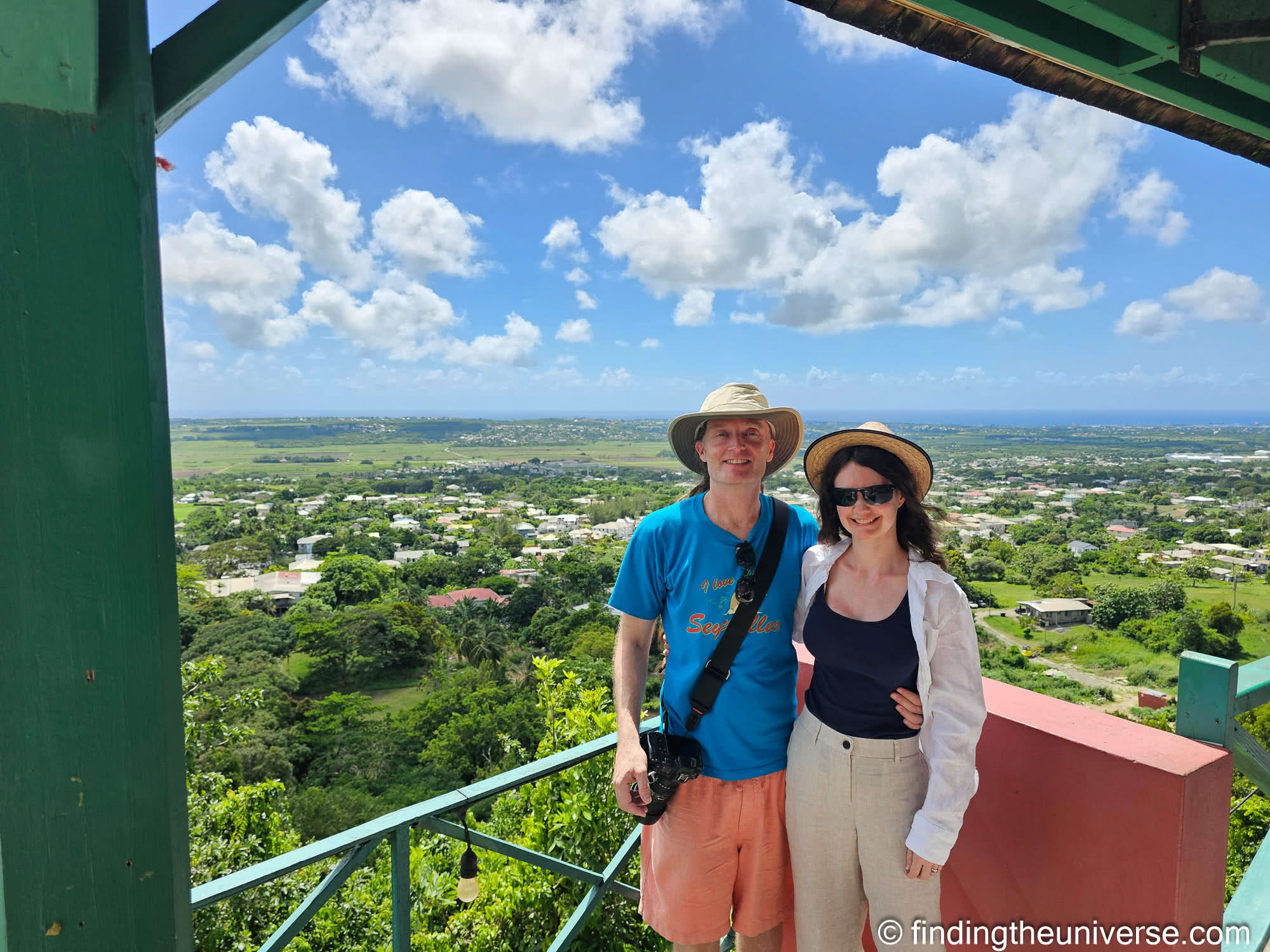
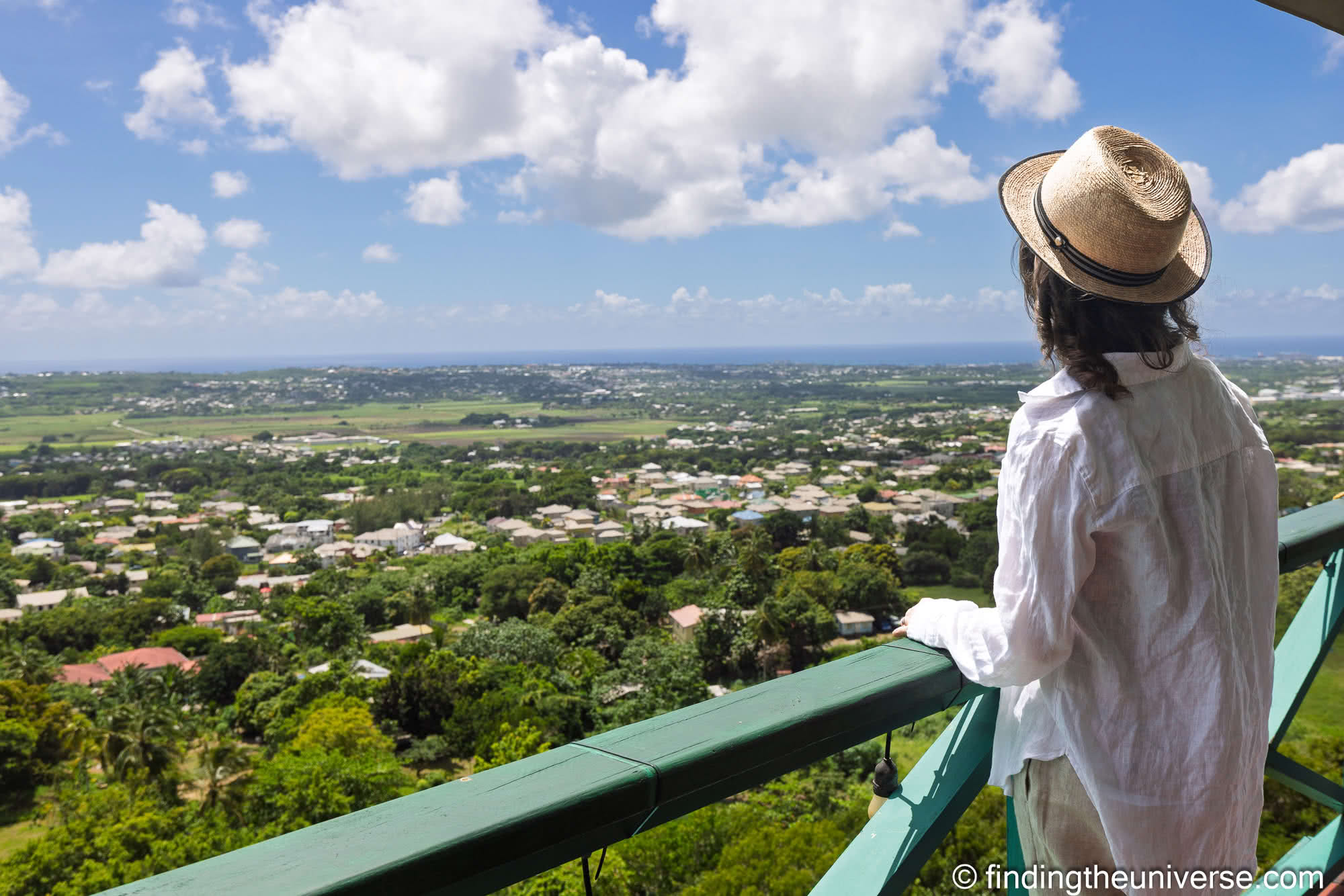
Our favorite of the two we visited was Gun Hill Signal Station. Found high up in St. George parish, the signal station has a spectacular view across the south west side of the island. All the main parts of the station are open for visitors, including the top of the signal tower itself.
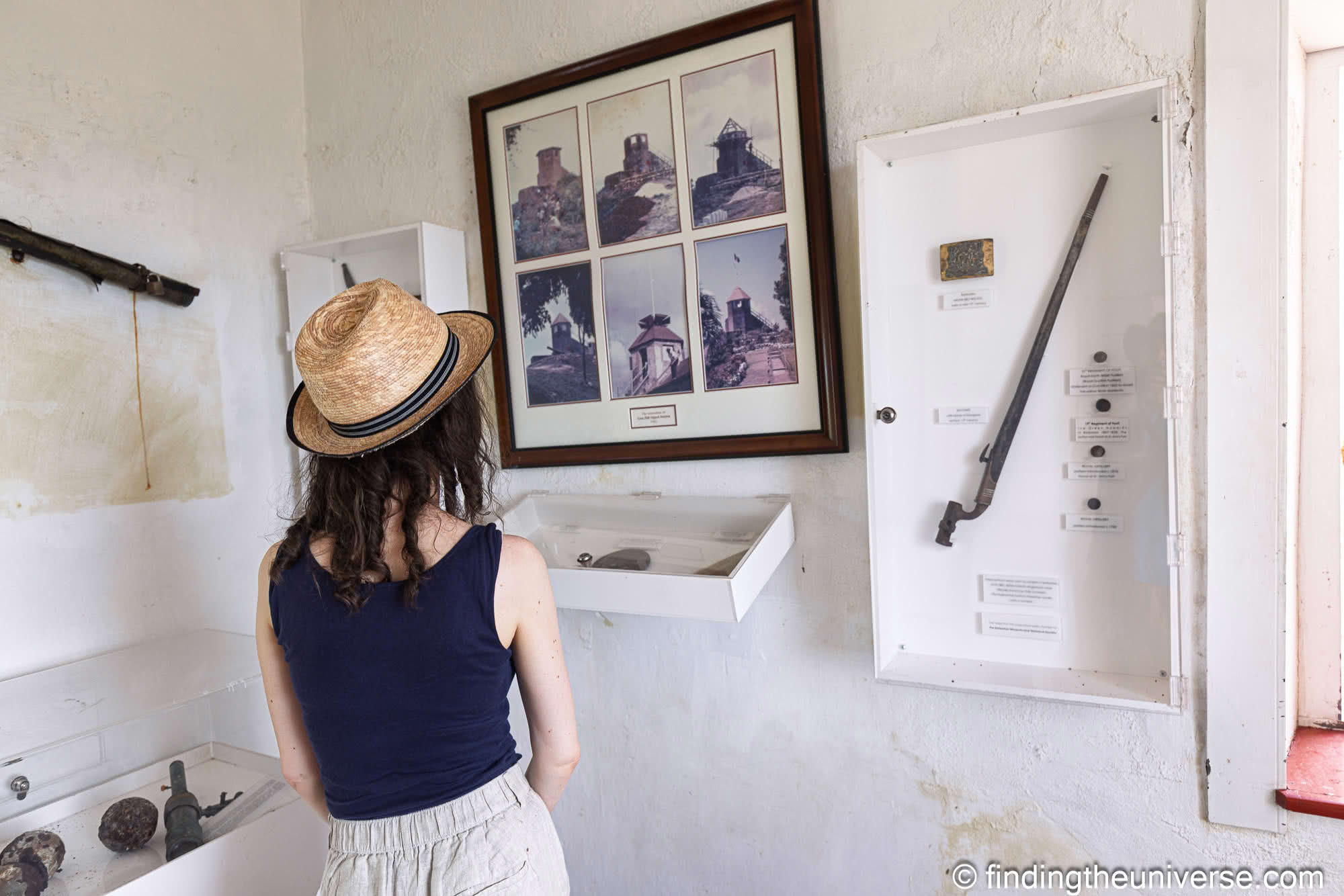
There’s also a lot of information about the history of the signal station, as well as a history of the military in Barbados, which was for a long time the headquarters of the British military in the Caribbean. Note that a small entry fee applies and there is a cafe on site.
We also visited Grenade Hall Station, which is part of the Grenade Hall Forest & Signal Station attraction. As well as the signal station this is also a forest and wildlife reserve, and your entry fee gets you access to everything. This is a good option if you also want to see some wildlife and enjoy a forest walk, but if you just want to see a signal station then Gun Hill is going to be a better option as it has more information and better views.
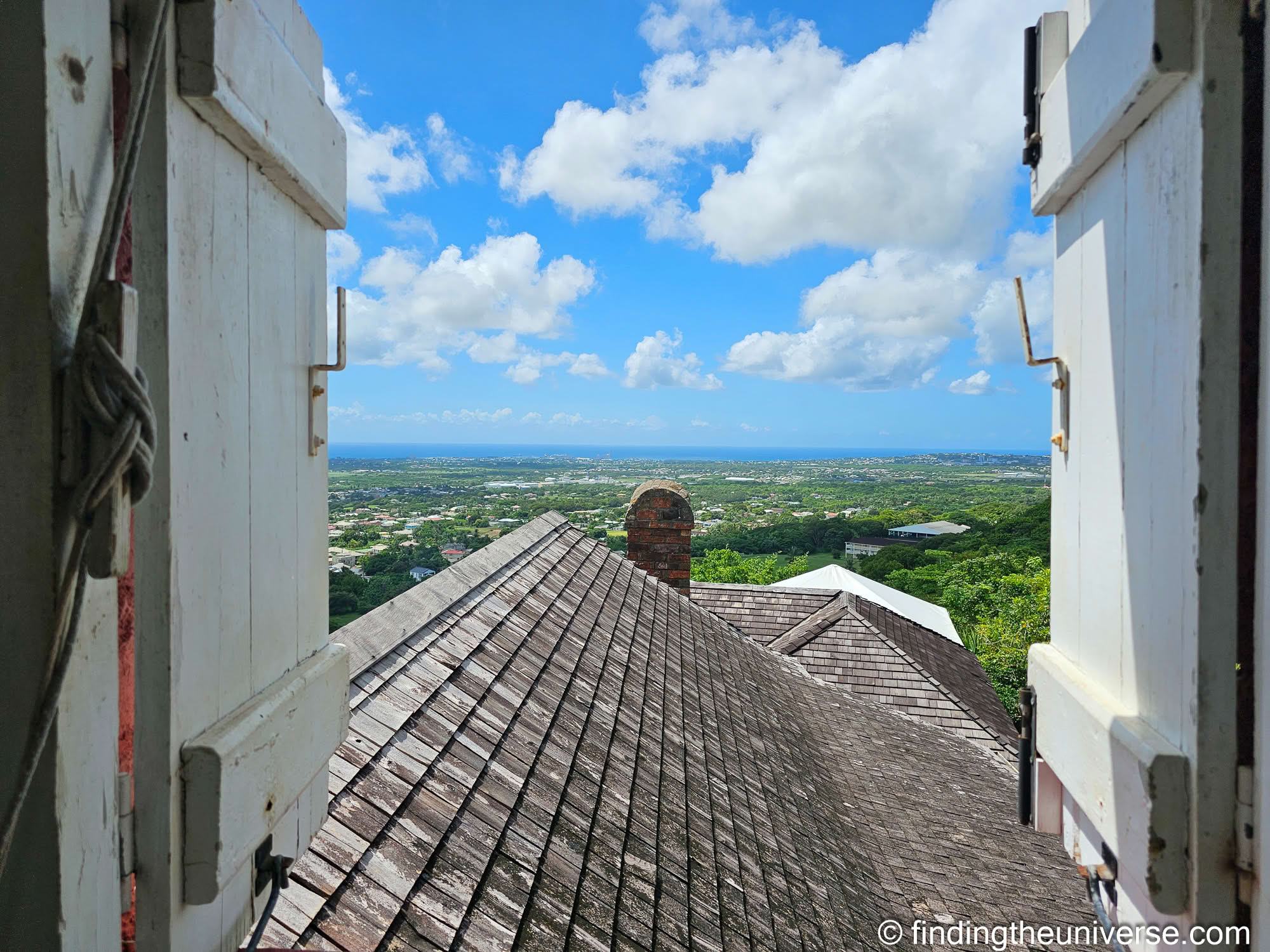
Windmills, Lighthouses, and Forts
In addition to the signal stations, you’ll also find historic windmills, lighthouses, and forts in Barbados. While none of these are main attractions, history seekers may want to seek some of these out. The Morgan Lewis Sugar Mill was a particular highlight for us.
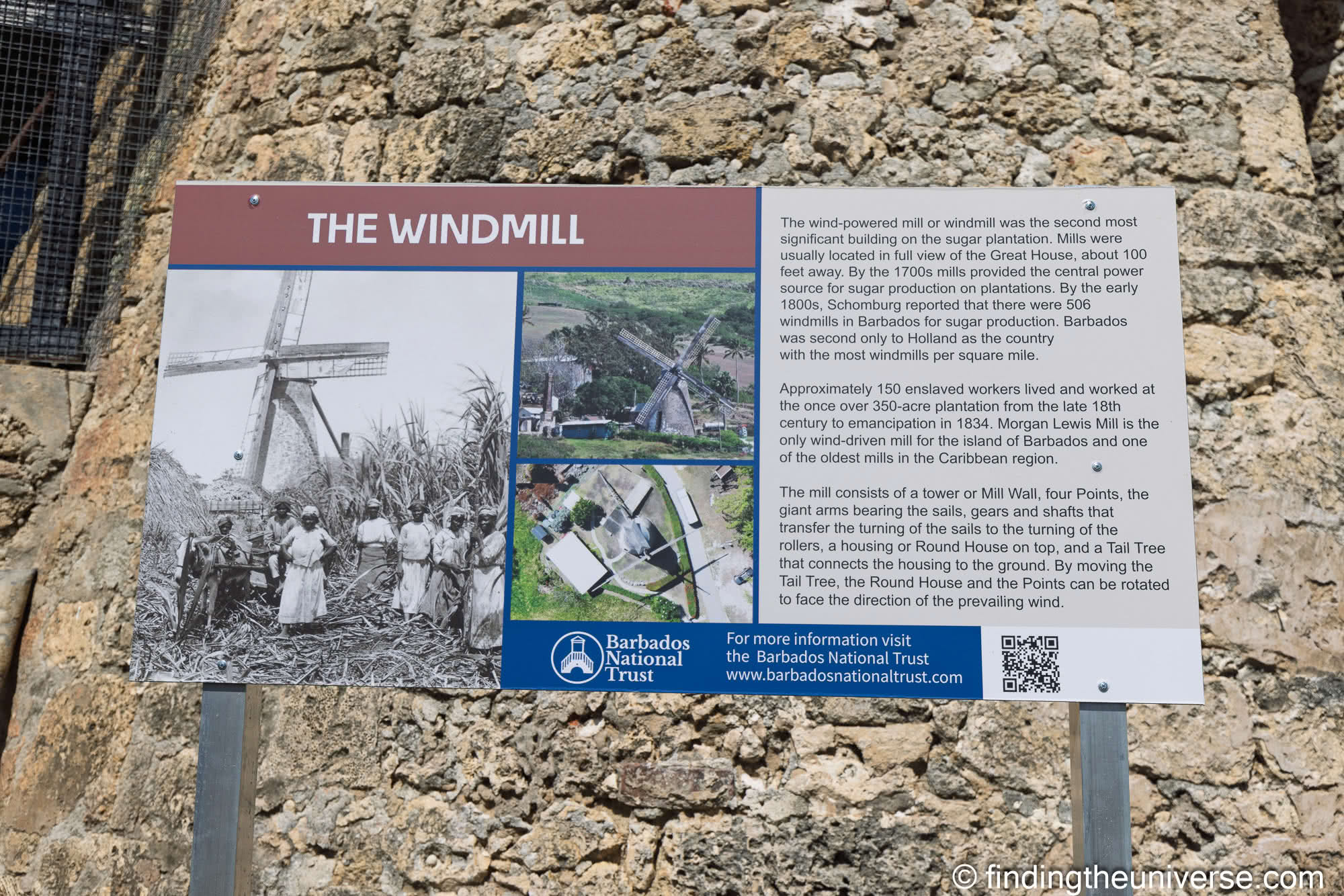
Morgan Lewis Windmill
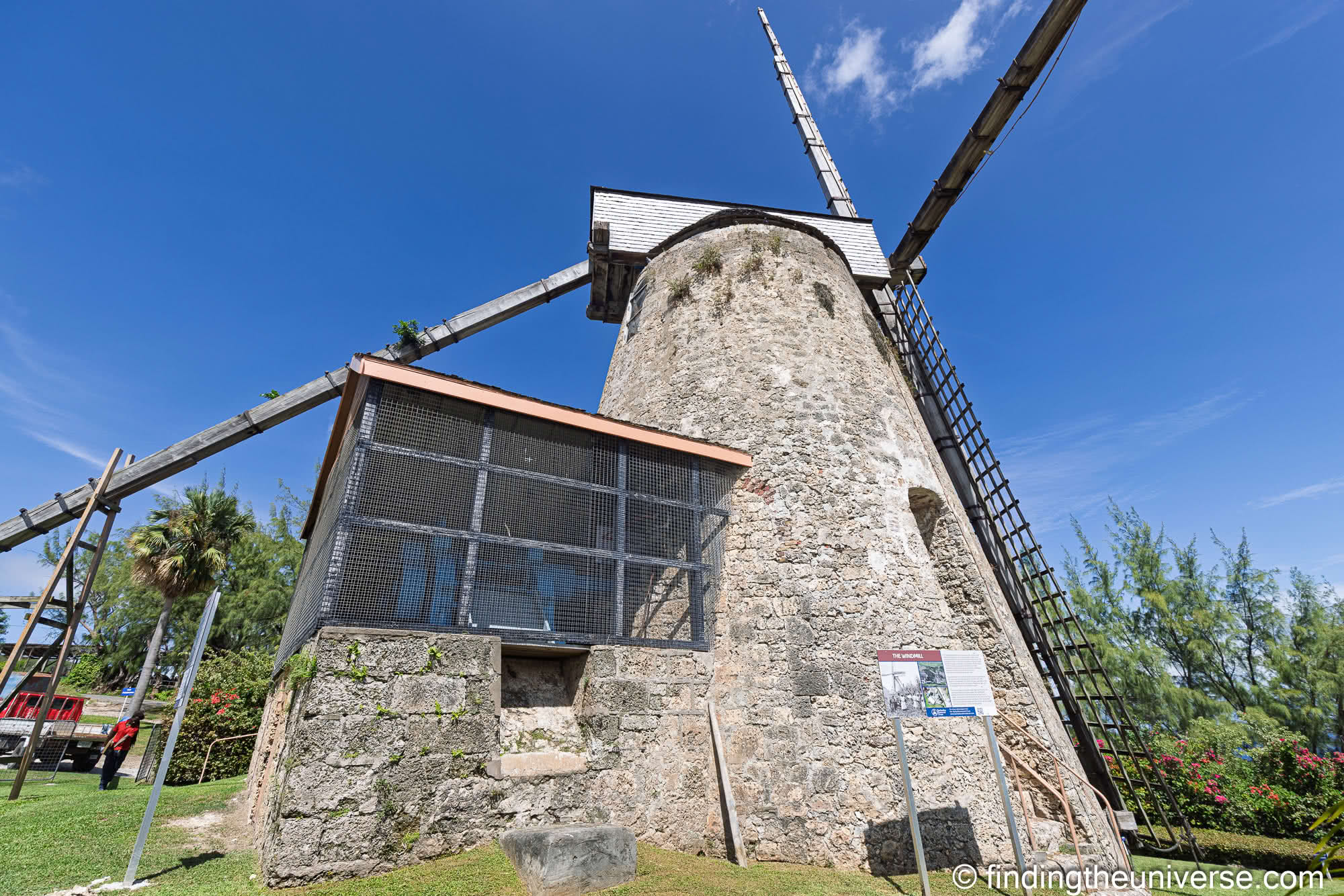
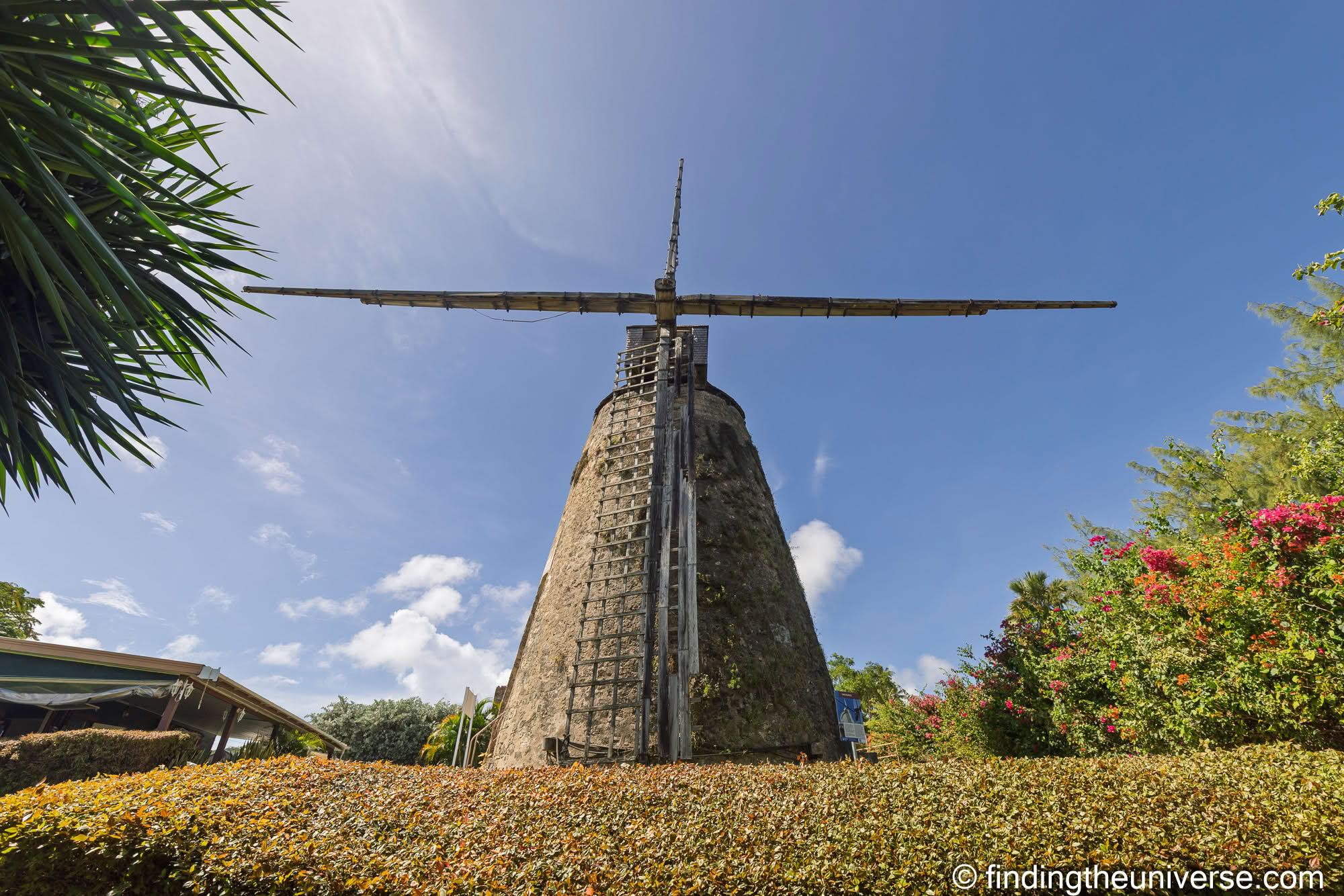
One unexpected delight for us in Barbados was our visit to the Morgan Lewis Windmill, which is in the northeast of the island. Windmills were for a long time a common sight in Barbados. They were crucial to the sugar industry, as the wind powered the mills which crushed the juice out of the sugar cane.
By the middle of the 19th century it’s estimated that there were over 500 stone windmills on the island – three per square mile. That made it second only to the Netherlands in terms of windmill density!
Of course, the march of progress was inevitable. The industrial revolution, the rise of steam power and the abolition of slavery combined to sound the death-knell for the windmill in Barbados.
Today, while a number of ruined mills can still be seen dotted around the island, only one windmill survives in working condition. This is the Morgan Lewis Windmill, which ceased commercial operation in 1946. It’s the largest surviving complete windmill in the Caribbean, and is well worth visiting.
The mill is absolutely massive, and you can either take a self-guided tour or a guided tour to learn about it. We opted for the guided tour, which was well worth the fee, with the knowledgeable guide bringing the site to life for us. We were able to go right up inside the windmill and see the massive machinery that converted wind power to the task of crushing the sugar cane to extract the sweet juice.
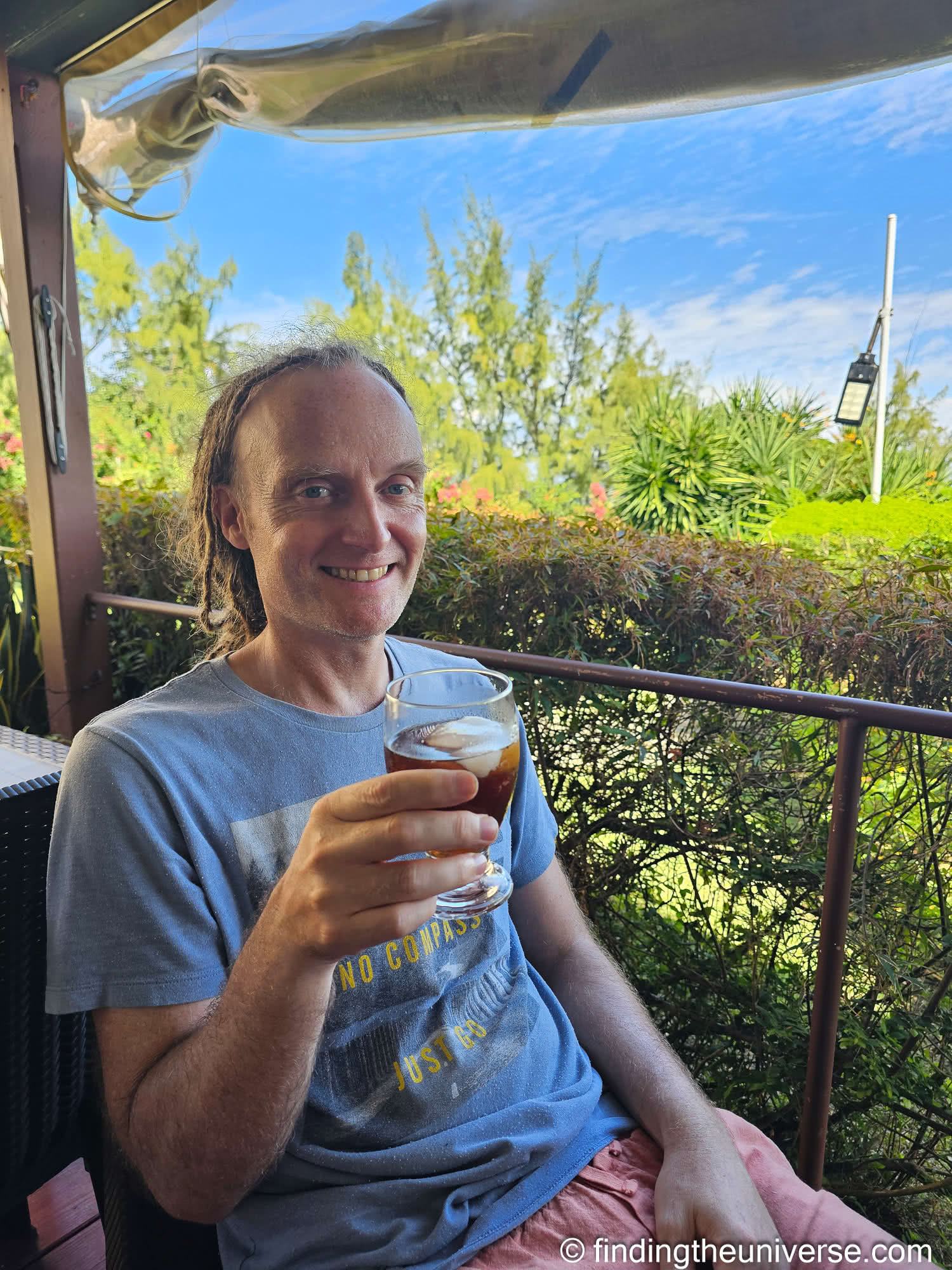
After the tour we took advantage of the on-site cafe, which we can highly recommend. They serve a number of Barbadian specialties, and the view is also very nice. This was the first place I got to try Mauby, which was quite the experience!
Lighthouses
Barbados features four historic, 19th and early 20th-century lighthouses—South Point, Needham’s Point, Ragged Point, and Harrison Point—designed to guide ships around the island’s treacherous coral reefs.
While largely decommissioned, these sites offer scenic coastal views and, in some cases, exterior access for visitors.
Here are the key lighthouses in Barbados which you can visit today:
- South Point Lighthouse (1852): The island’s oldest, this cast-iron structure was originally displayed at London’s Great Exhibition in 1851 before being moved to Christ Church.
- Needham’s Point Lighthouse (1855): Located on the grounds of the Hilton Barbados Resort in Carlisle Bay, this structure is known for having a stationary light.
- Ragged Point Lighthouse (1875): Positioned on a cliff on the southeast coast in St. Philip, it offers dramatic ocean views.
- Harrison Point Lighthouse (1925): The youngest and tallest, located in St. Lucy on the northwest coast.
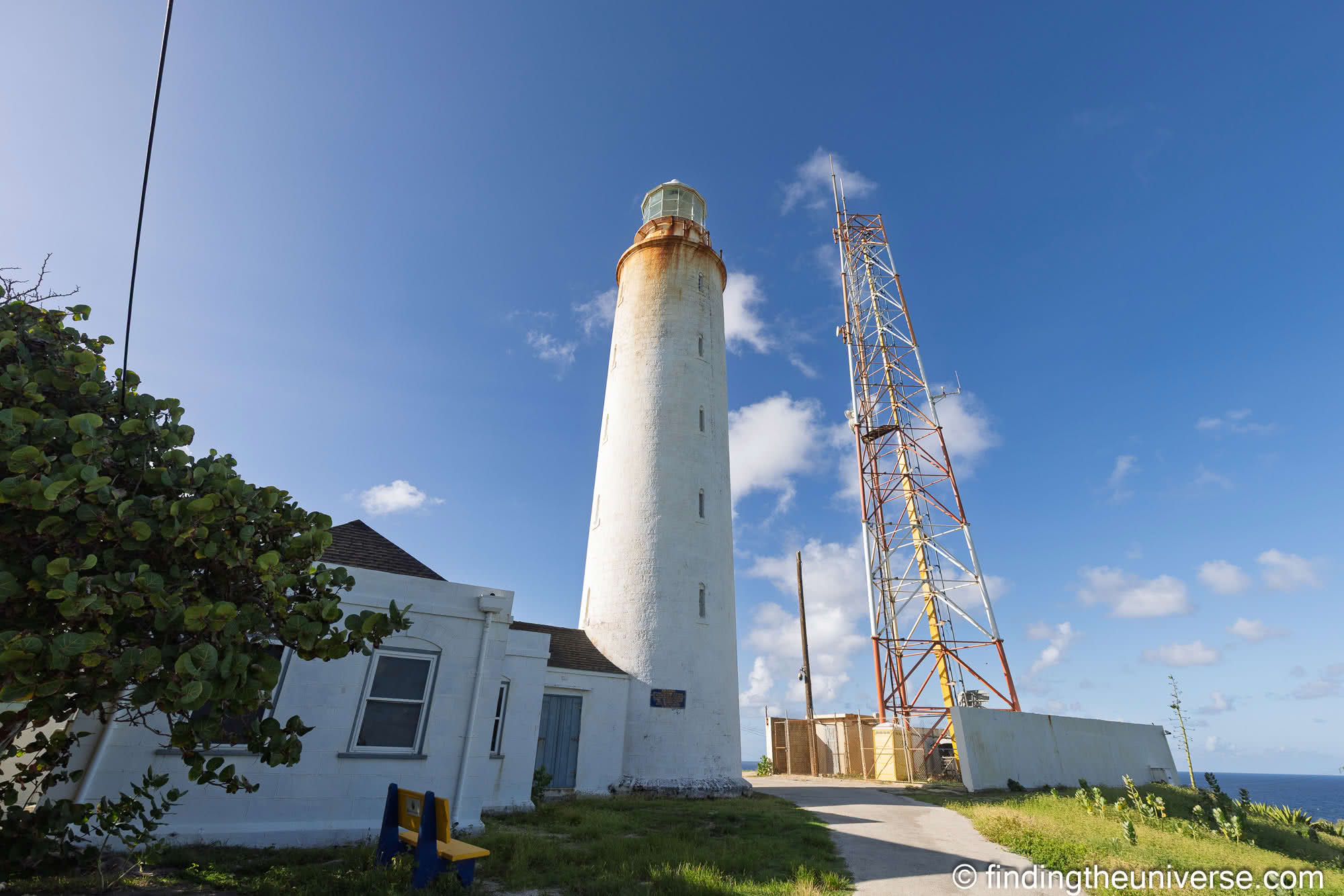 Ragged point lighthouse
Forts
There are two forts surviving in Barbados today, a remnant of the British military presence on the islands. They are both in the Garrison Historic Area of Bridgetown.
St. Ann’s Fort, built in 1705, is today home to the Barbados Defence Force, and is where you will also find the previously mentioned Barbados National Armory Museum, home to a number of historic cannons.
Charles Fort was built in 1650 at Needham Point, primarily to defend against the British. Whilst Barbados was under British rule at the time, the English Civil War had just ended, and Barbados was loyal to the exiled King. It fulfilled its function in 1651, successfully repelling an attack. When King Charles II was restored to the throne in 1660, the fort was renamed in his honor.
Today you can visit Charles Fort, you just have to go through the Hilton hotel to get to it. It’s a solid structure with lovely coastal views. There are also many cannon on display, as well as a huge number rusting away in the waters around the fort.
There are also some very ruined forts on the island, such as Maycocks Fort in the north-west, but these are quite ruined with not so much to see.
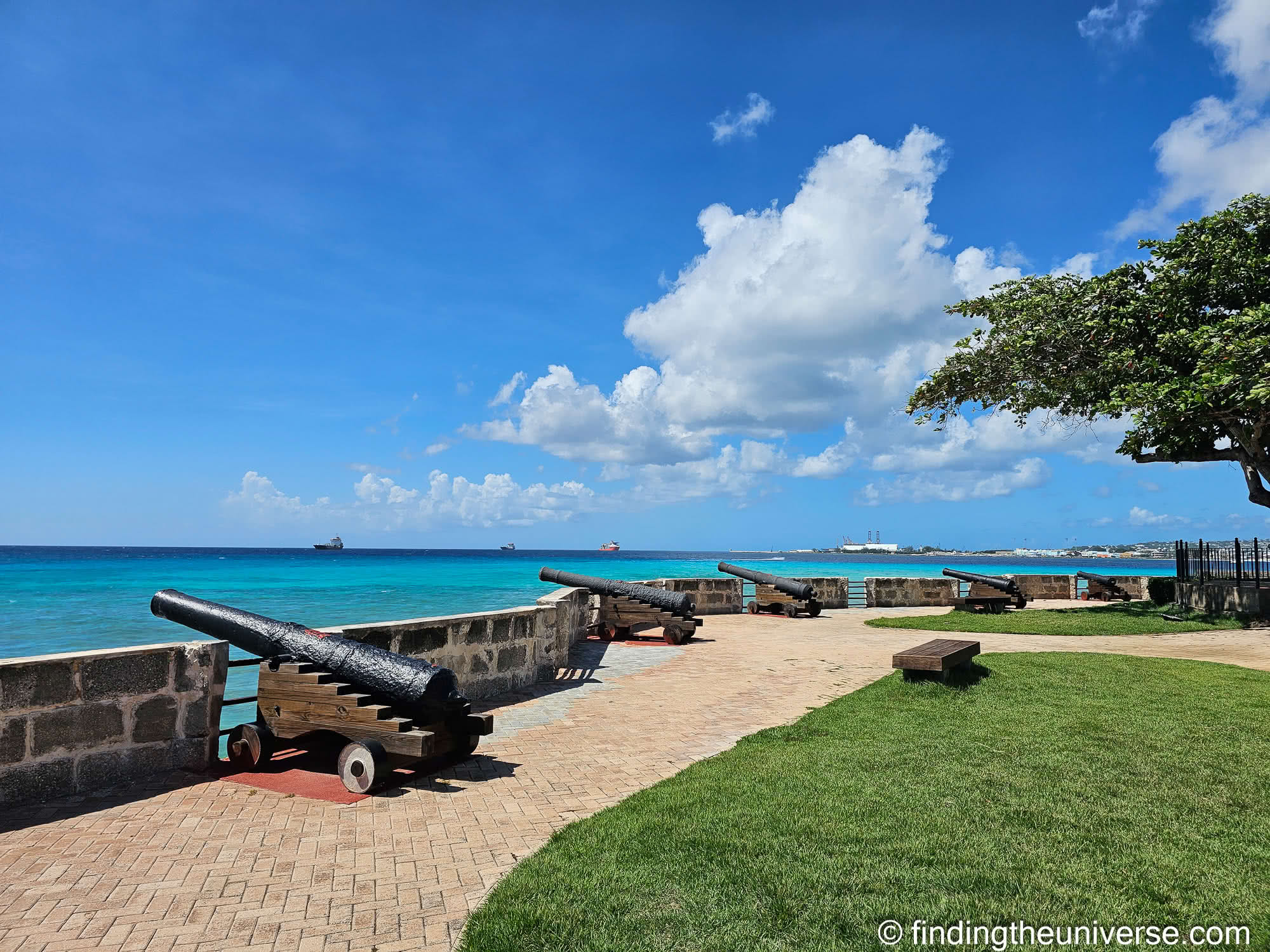 Charles Fort
Explore a Cave
The majority of the surface of Barbados is coralline limestone, which is basically a stone formed from coral. In places, this limestone has been eroded by the action of either rainwater or seawater to form caves.
There are a number of caves you can visit on Barbados. We recommend the following three. Two of these are commercially operated, and one we would recommend visiting on a guided tour with a professional.
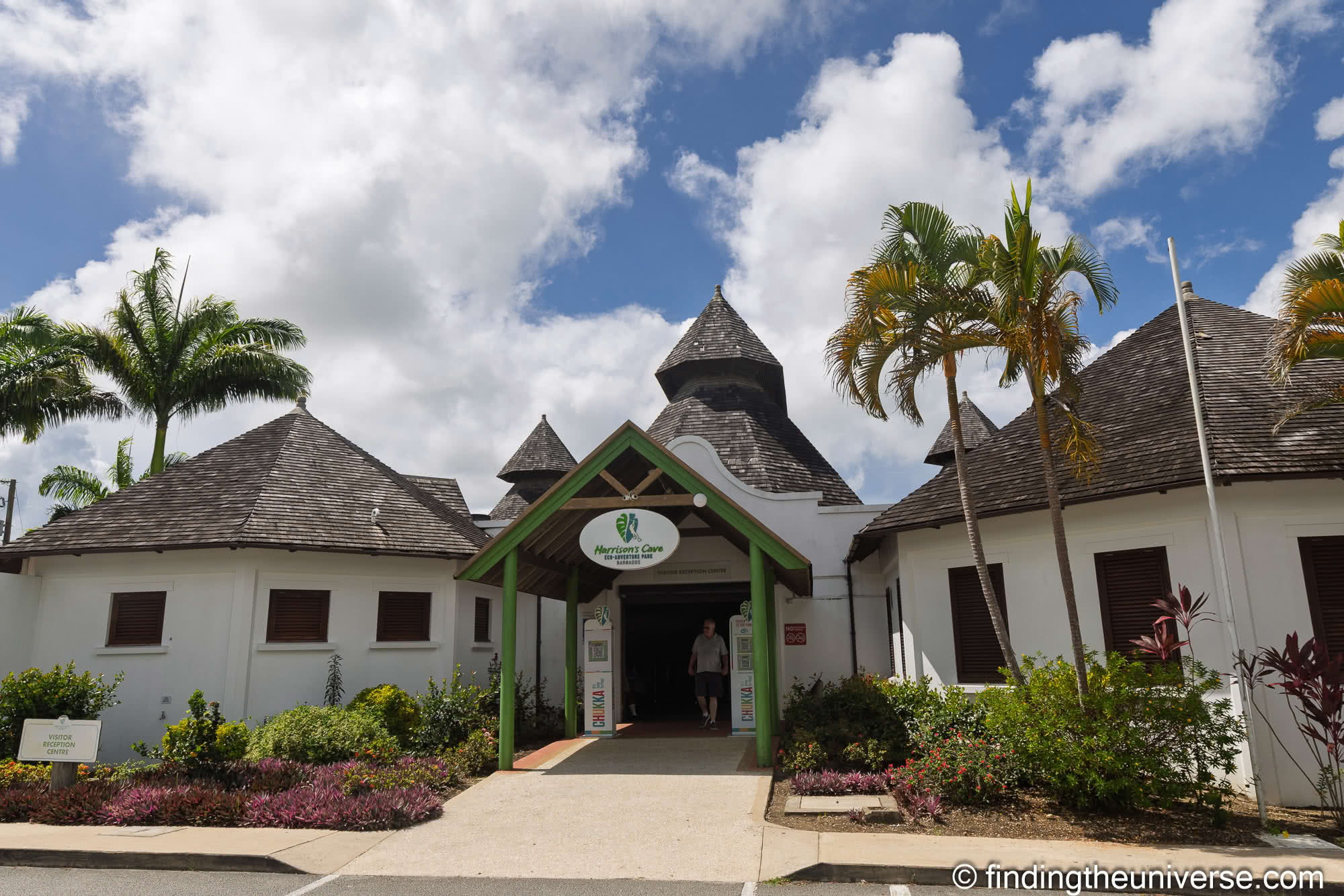
Harrison’s Cave
Harrison’s Cave has been a popular visitor attraction on Barbados since 1981. The cave is part of the Harrison’s Cave Eco-Adventure Park, where there are a number of activities available including zip-lining, a nature trail and bird aviary.
The cave is the main draw for most visitors. Formed by rainwater, the cave is visited on a small open tram, which whisks you from the visitor center into and around the cave itself.
There are stopping points along the route where you can get out of the tram for photos, but the majority of this tour is pretty relaxing and has you sitting down as your guide explains the geology of the cave and the various formations you see.
This is a pretty popular experience in Barbados in terms of easily accessible caves. You can buy tickets on site for just the cave, or you can buy an all inclusive ticket like this which includes other activities like zip-lining and rum tasting, as well as hotel pickup.
There are also a number of tours of the island which include Harrison’s Cave, such as this one which also visits Hunte’s Garden and includes pickup.
The Animal Flower Cave
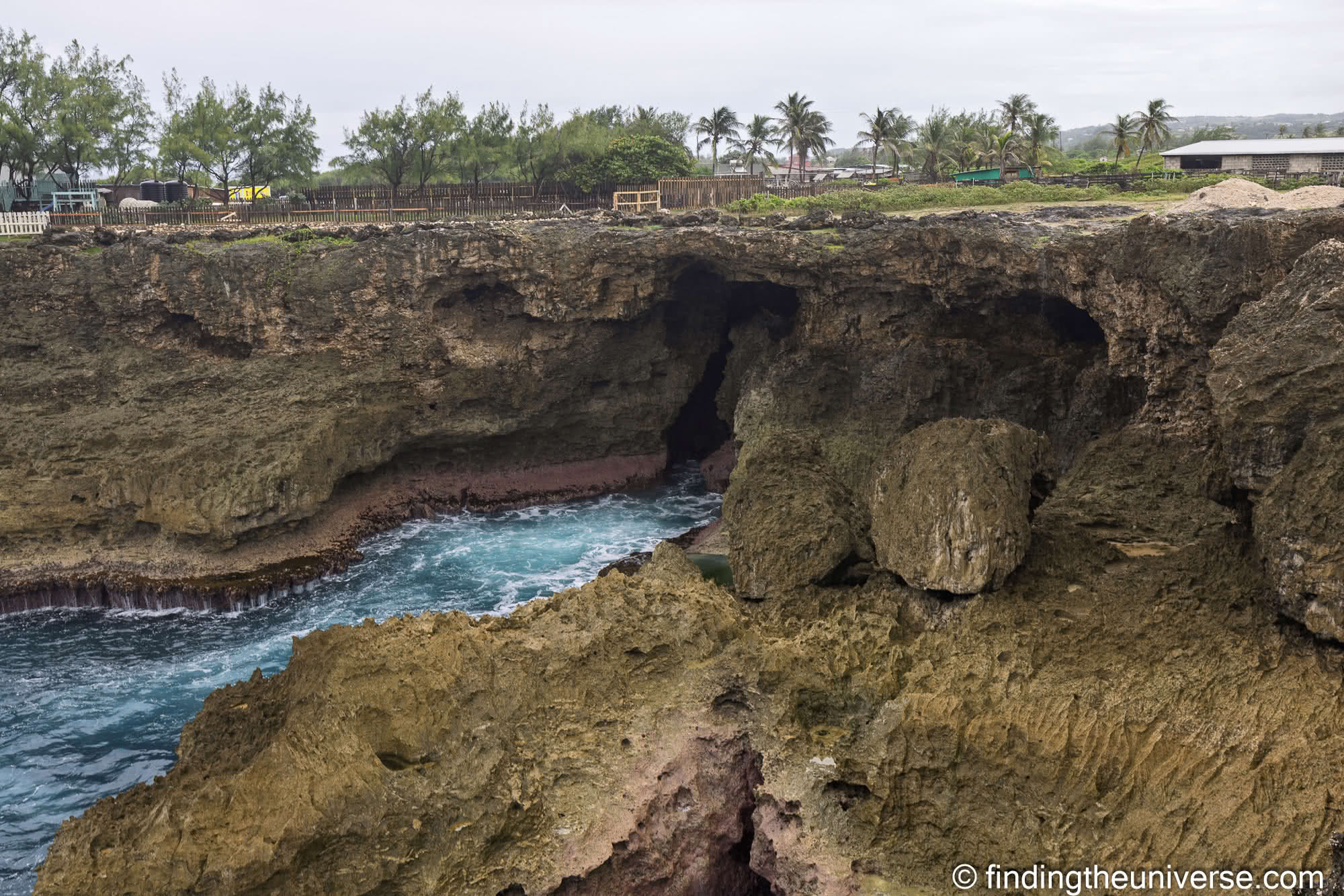
Operated as a visitor attraction by the same family for four generations, the Animal Flower Cave is a popular historic cave attraction. Found on the north coast of the island, this cave was formed by the sea, and is the only accessible sea cave in Barbados.
The cave got its name due to the presence of sea anemones, the tentacles of which gave early explorers the impression that the cave was filled with living “animal flowers”. Today there are few anemones left, but the name remains the same.
The cave is accessed by a set of coral limestone steps which were built through the roof of the cave in 1912, and offers views of the Atlantic through the cave opening. There are also pools you can swim in. A visit to the cave is both weather and tide dependent, when we visited it was bad weather and pouring with rain, so the cave itself wasn’t accessible.
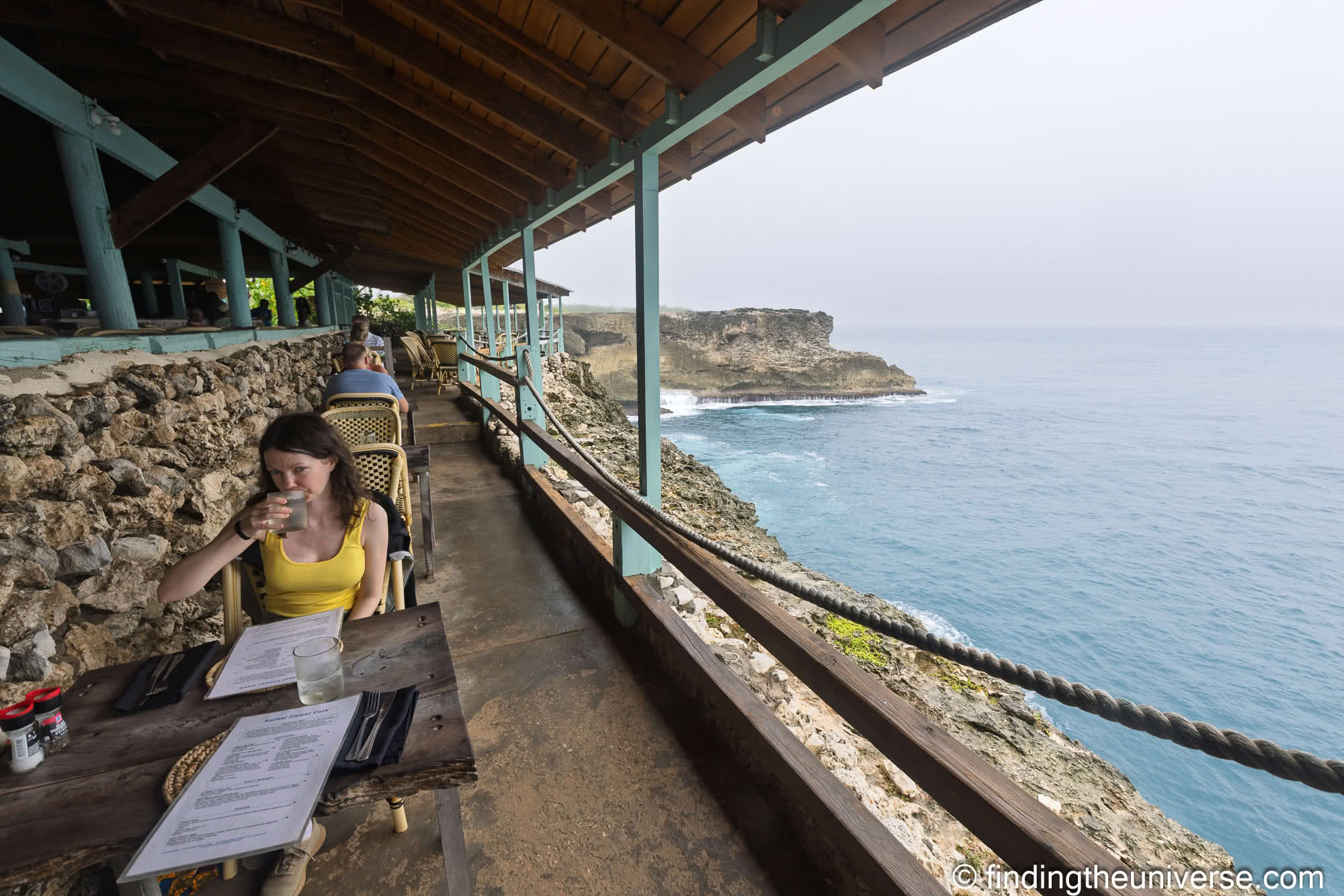
However, there is also an excellent and well-rated restaurant on site, which we can recommend visiting. We enjoyed our lunch here, the restaurant is perched on the edge of the sea cliffs and offers lovely views.
Animal Flower Cave can be reached by car, or you can book a tour which includes a visit to the cave like this one.
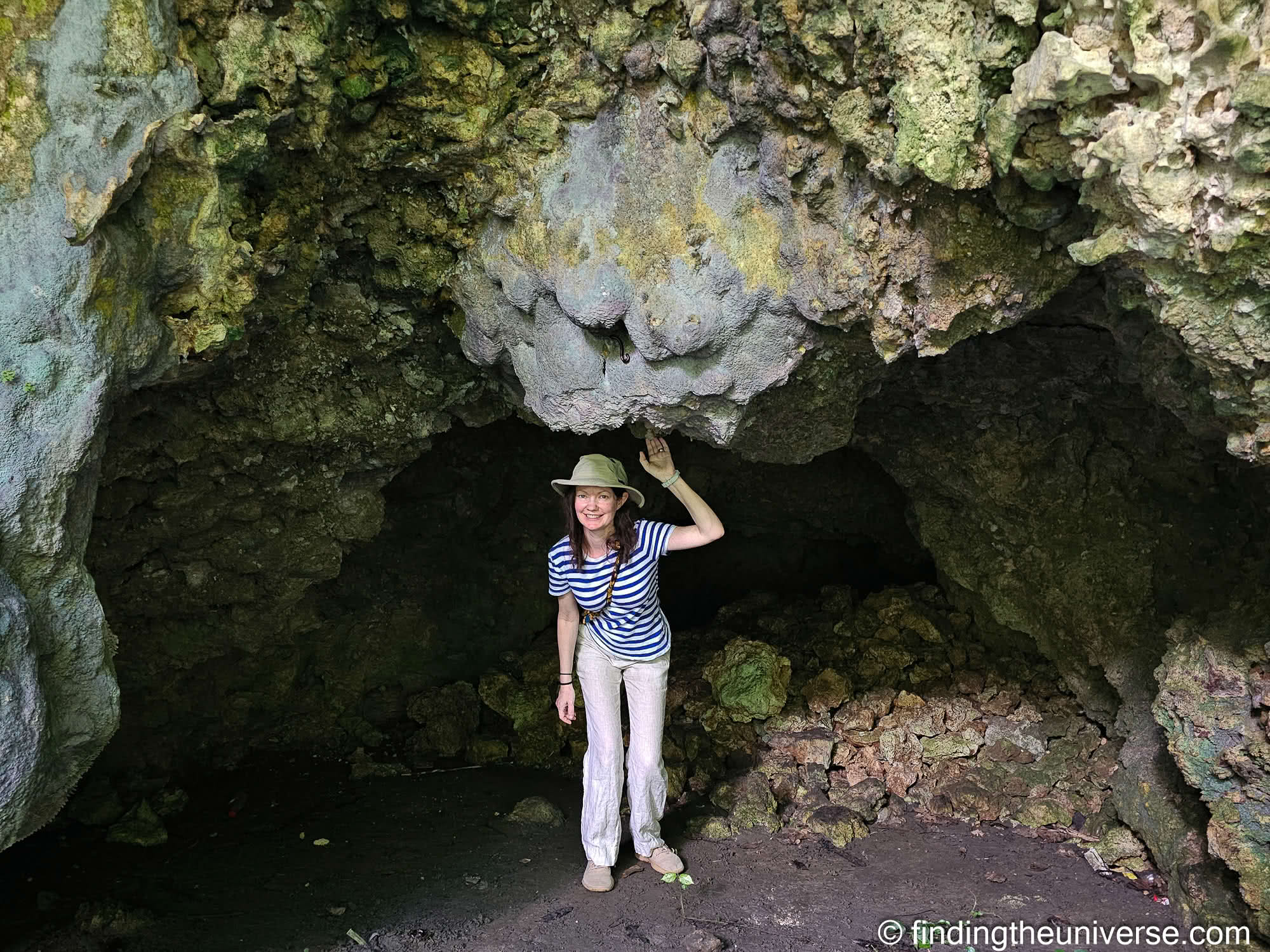
Coles Cave
If you’d prefer to experience a less developed cave, then you might consider visiting Coles Cave. It’s less than a kilometer from Harrison’s Cave, so is geologically fairly similar.
However, unlike Harrison’s cave, this cave doesn’t have any modern conveniences like a tram tour or lighting. It’s an entirely undeveloped cave, and takes a bit of effort to visit.
While you can in theory visit Coles Cave by yourself, we wouldn’t recommend this option unless you have caving experience and proper shoes and gear. Exploring a cave can be a fairly risky endeavor!
Instead, we’d recommend booking a tour with an experienced guide. They will provide essentials like flashlights, and also have the local knowledge required to make the trip safer. Of course, no visit to any underground cave can ever be guaranteed to be 100% safe, but a guided experience is certainly going to be safer overall!
Just be prepared to get wet and dirty if you visit this cave, and you’ll need closed-toed sturdy shoes that you don’t mind getting wet.
We’re currently aware of two guided tour experiences. This is a group option which includes pickup, whilst this is a private option which requires you to have your own transport.
Meet the Wildlife
Geologically Barbados is relatively young, coming in at around a million years. That means it hasn’t had that long to develop its own flora and fauna, and there are few endemic species.
That said, there are quite a few animals and birds you can look out for during your visit, the majority of which have been introduced over the years by settlers.
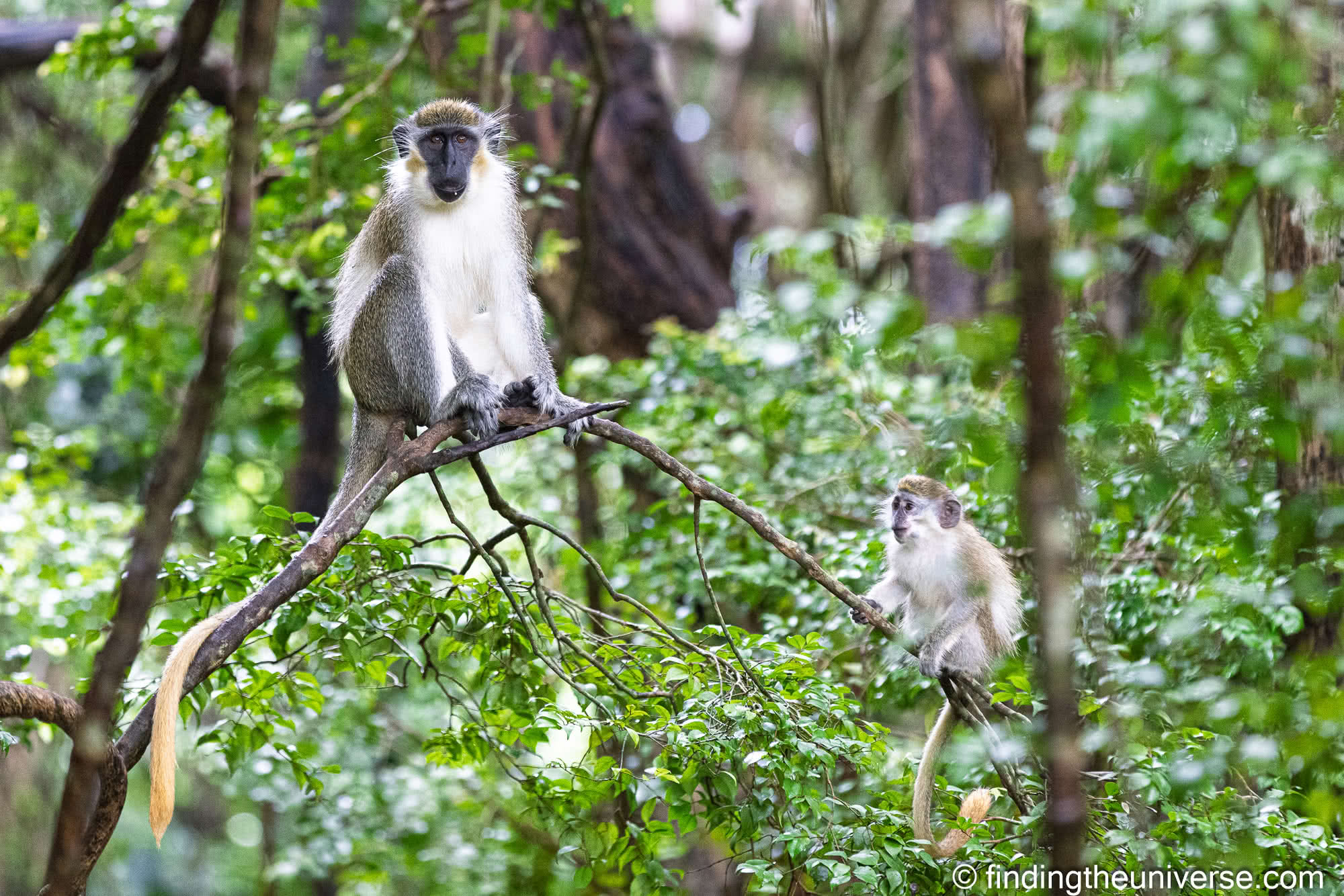
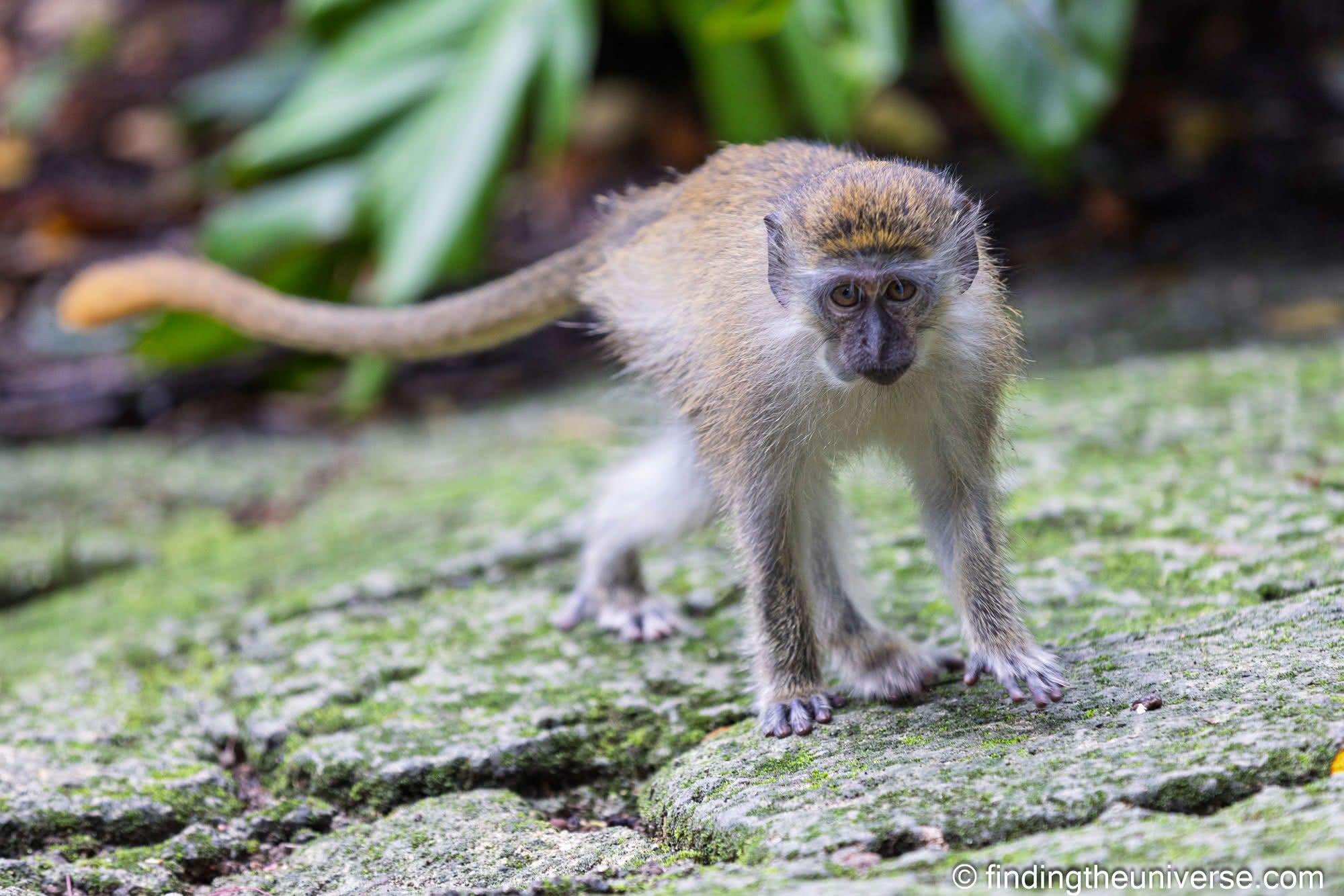
One common, if slightly unexpected sight, is the green monkey. This was introduced by slave ships from West Africa. You’ll see the green monkey all over the island, and some locations like Welchman Hall Gully have regular feedings.
Small Indian mongooses are another common sight. These were introduced onto the island to control the rat population, which was causing huge damage to the sugarcane crop. As is often the case with this form of introduced natural control, this had a hugely negative impact on the local fauna, with ground nesting birds and reptile species being seriously impacted.
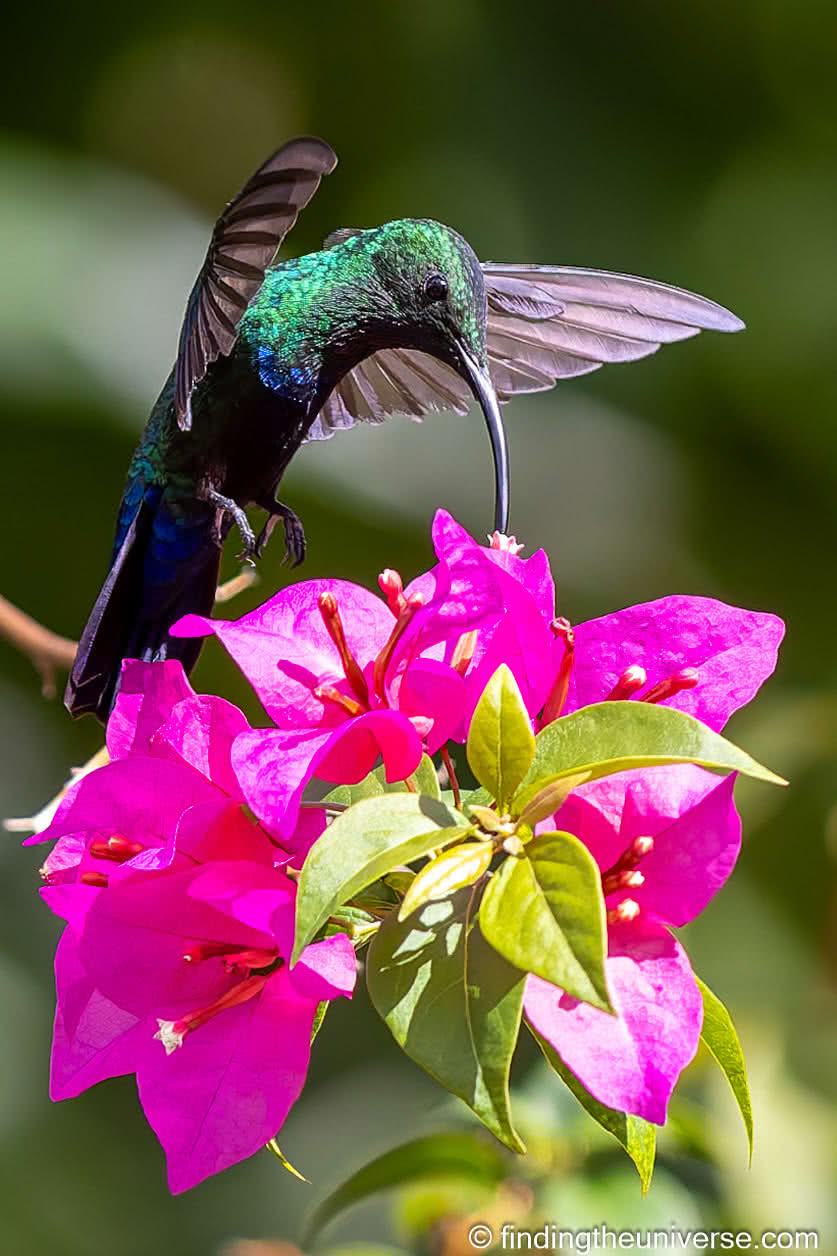
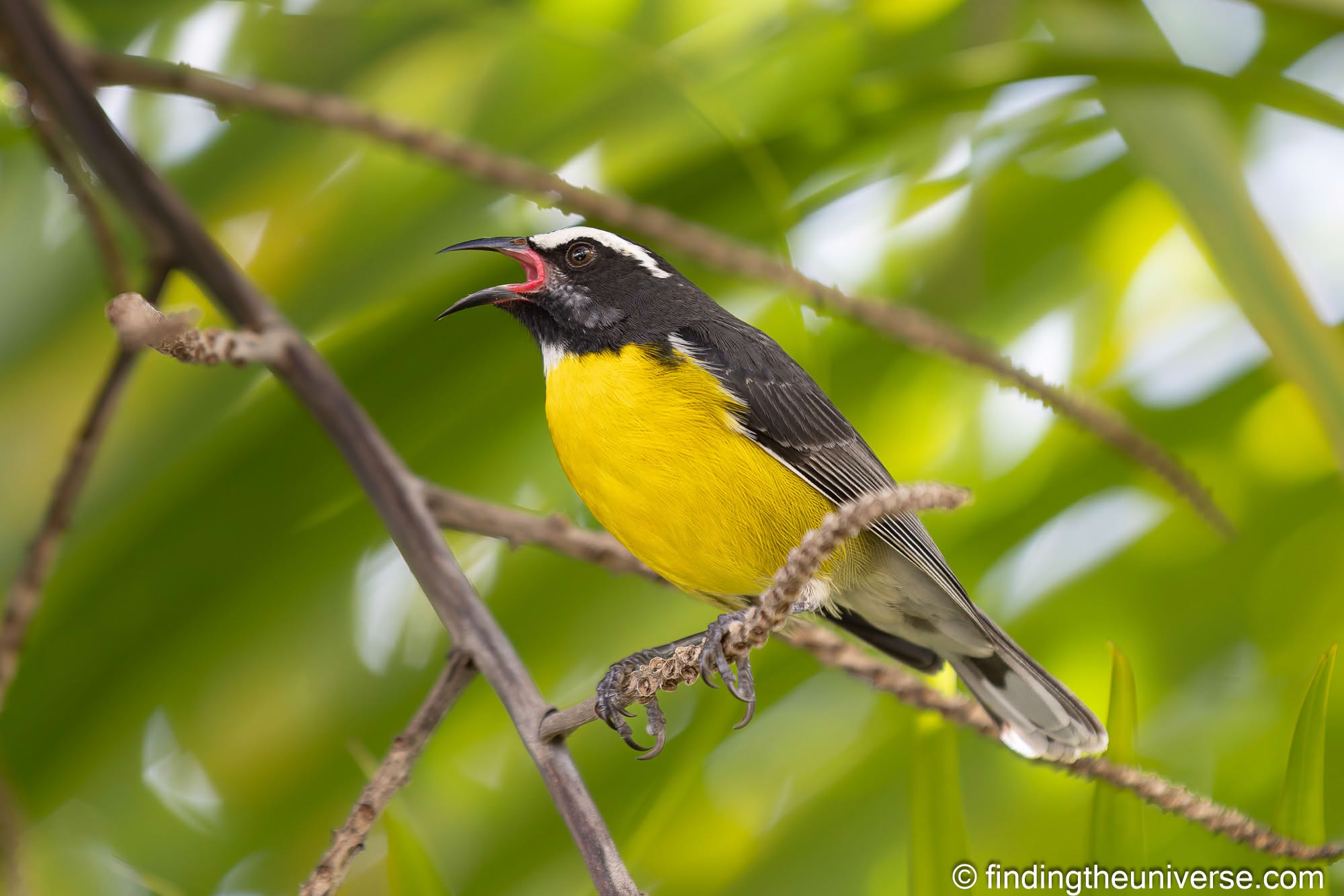
Birdwatchers will want to keep an eye out for the Barbados bullfinch, the only endemic bird species. We also enjoyed watching for hummingbirds, particularly the handsome Antillean crested hummingbird and the green-throated carib. If you are a keen birder, consider visiting during the winter season, when a large number of migratory birds make the islands a temporary home.
Another popular activity is watching out for turtles and other sea animals. If you take a boat tour or just go snorkelling from the beach you have a pretty decent chance of seeing a turtle, as well as a plethora of other marine life. If you are particularly lucky and go out for a beach walk in the evening, you might come across a turtle laying its eggs.
If this happens to you, avoid disturbing the turtle and particularly avoid generating any form of artificial light as this can confuse them. Here’s a quick guide to what to do if you encounter a sea turtle on land.
While you can see wildlife all around the island, one good spot to see animals in Barbados is at the Barbados Wildlife Reserve. This paid attraction has an aviary featuring a number of birds, as well as a number of reptiles. It’s also a popular place to see the green monkeys. Your entry ticket also gives you access to the nearby Grenade Hall Forest and Signal Station.
Wander Tropical Gardens
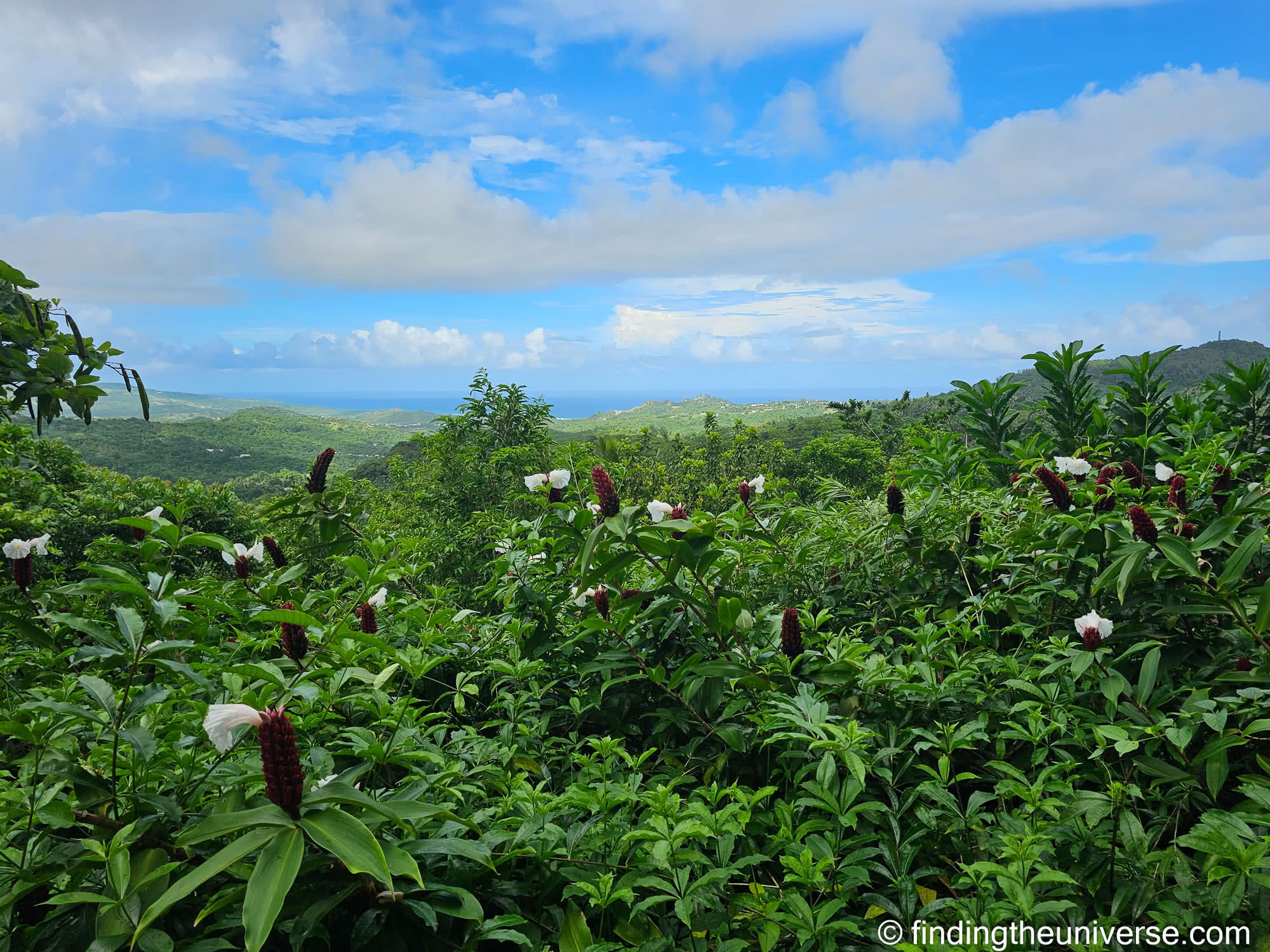
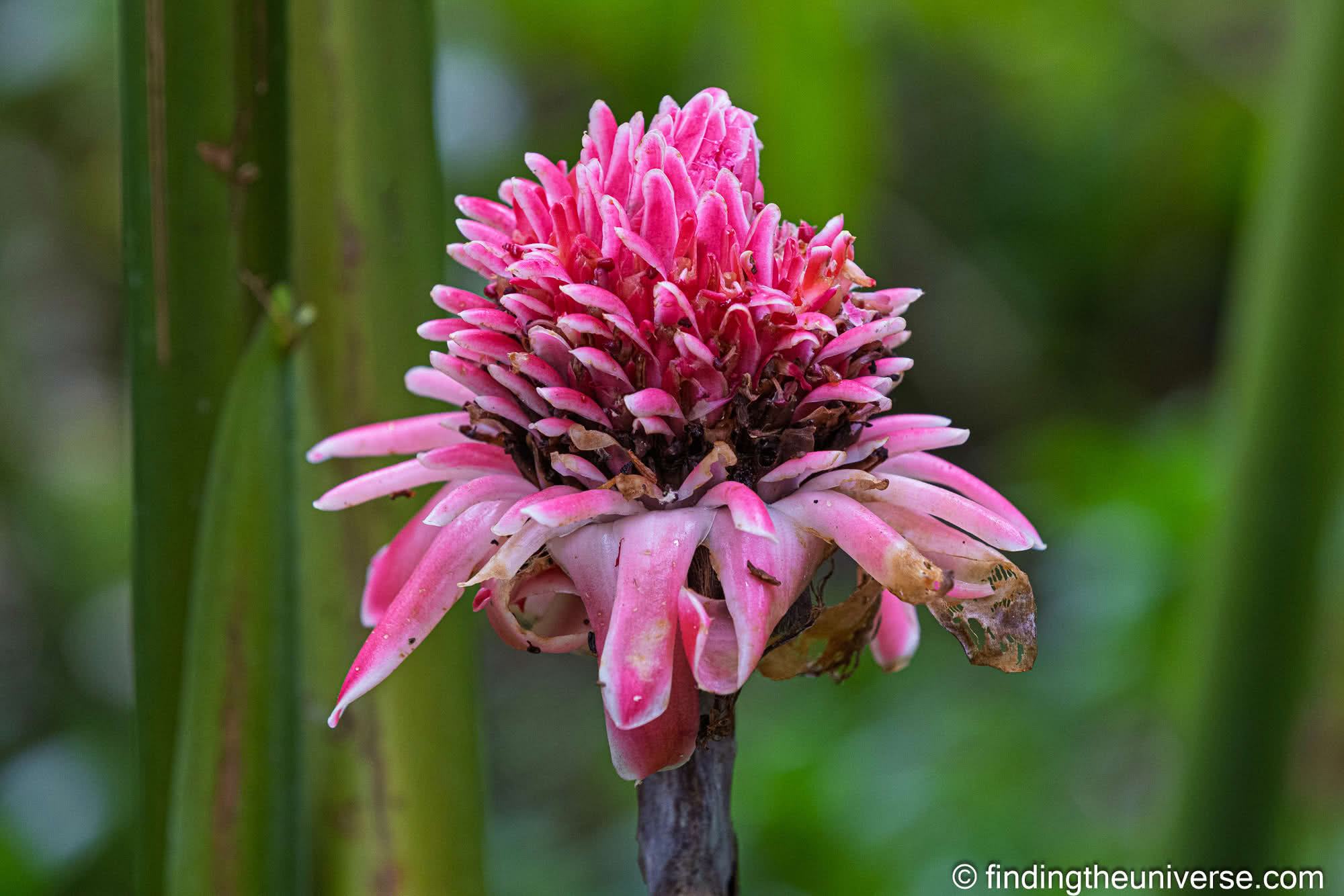
Being a tropical island, Barbados has a wide variety of beautiful tropical plants to enjoy. While you can of course see many beautiful plants as you explore the island, if you want a more curated experience then you might want to visit one of the various tropical gardens on the islands.
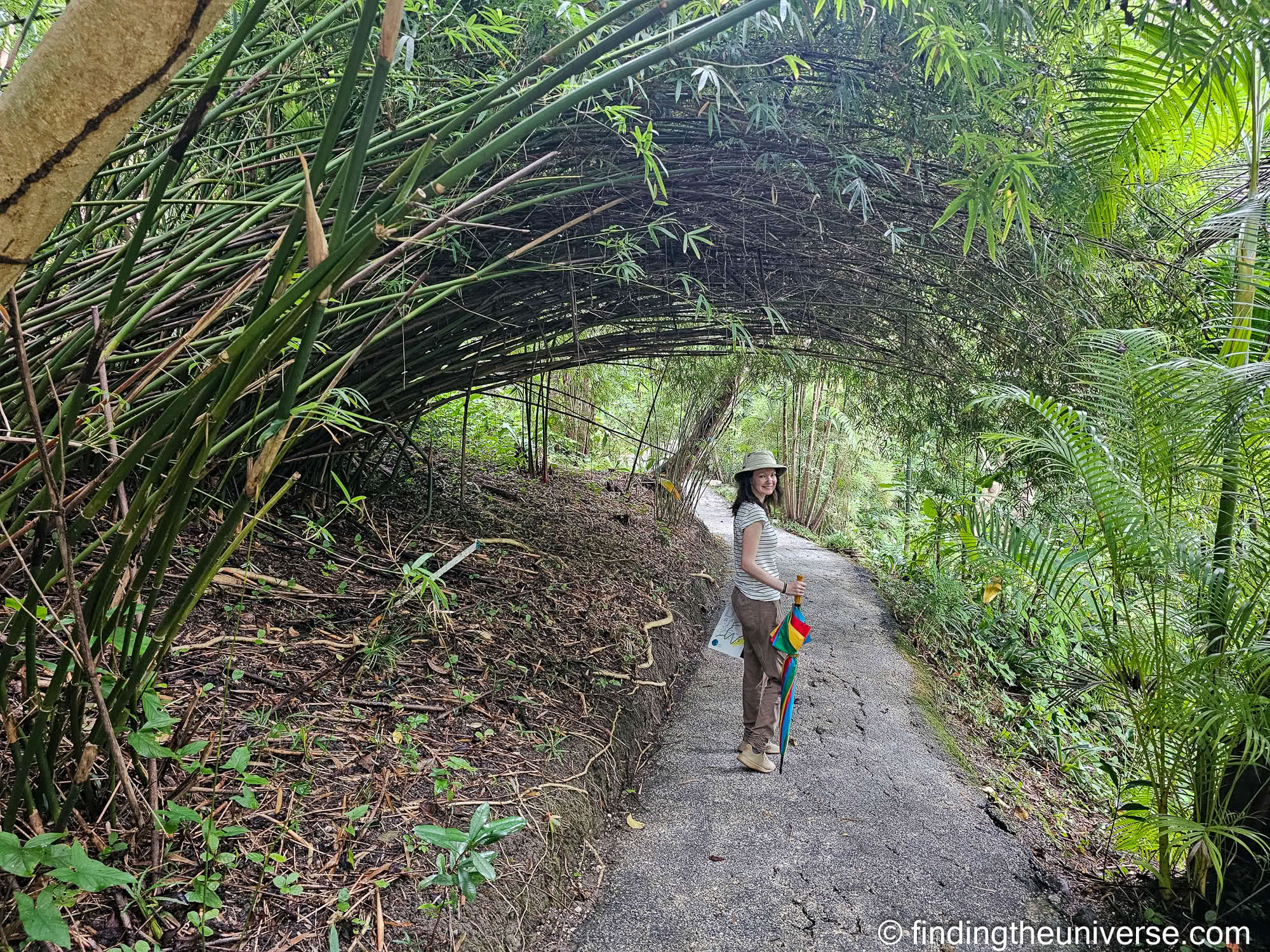
The majority of these offer marked trails with information on what plants you are seeing. Some also offer nice viewpoints, as well as on-site dining or snack options. There are a few to choose from, the majority of which charge an entry fee. Here are some of the main options we recommend considering.
- Hunte’s Garden – one of the more popular botanical gardens in Barbados, Hunte’s Gardens was opened in 2007 following years of work by Barbadian horticulturist Anthony Hunte. There are a number of trails to explore, and tropical plants from around the world. The owner also lives on site and refreshments are available. An entry fee applies.
- Flower Forest Botanical Garden – a short distance from Hunte’s Garden and also in Saint Joseph, the Flower Forest is a 53-acre garden park which opened in 1983. We enjoyed our visit here, with the mixture of trails, nice viewpoints and beautiful flowers. Much of the garden is under the shade of Caribbean Royal palms, which provide a pleasant relief from the hot Barbadian sun. Gift shop and restaurant on site. Owned by the same person who owns the Earthworks Pottery, so expect to see some pottery signs and sculptures as you wander about! An entry fee applies.
- Coco Hill Forest – just before you get to Flower Forest you will go past Coco Hill Forest, a 53-acre agroforestry project started in 2014 which today offers 3.5 km of hiking trails with spectacular views across the east coast of the island. The focus here is more on trees rather than flowering plants, with a wide variety of fruit and forest trees, as well as root crops, spices and medicinal plants. There is an entry fee and both self-guided and guided tours are available.
- Andromeda Botanic Gardens – if you’re planning on staying at or visiting the northeast coast of Barbados around Bathsheba, then the Andromeda Botanic Gardens should be on your short list to visit. They’ve been welcoming visitors to their 8-acre garden since 1954, and this is the only garden in the West Indies to be a partner garden of the UK horticultural society. Expect to see over 600 species of plant, in a collection that was curated by Iris Bannochie, a leading Barbadian horticulturalist. There’s an entry fee for non-residents, with discount for UK National Trust members.
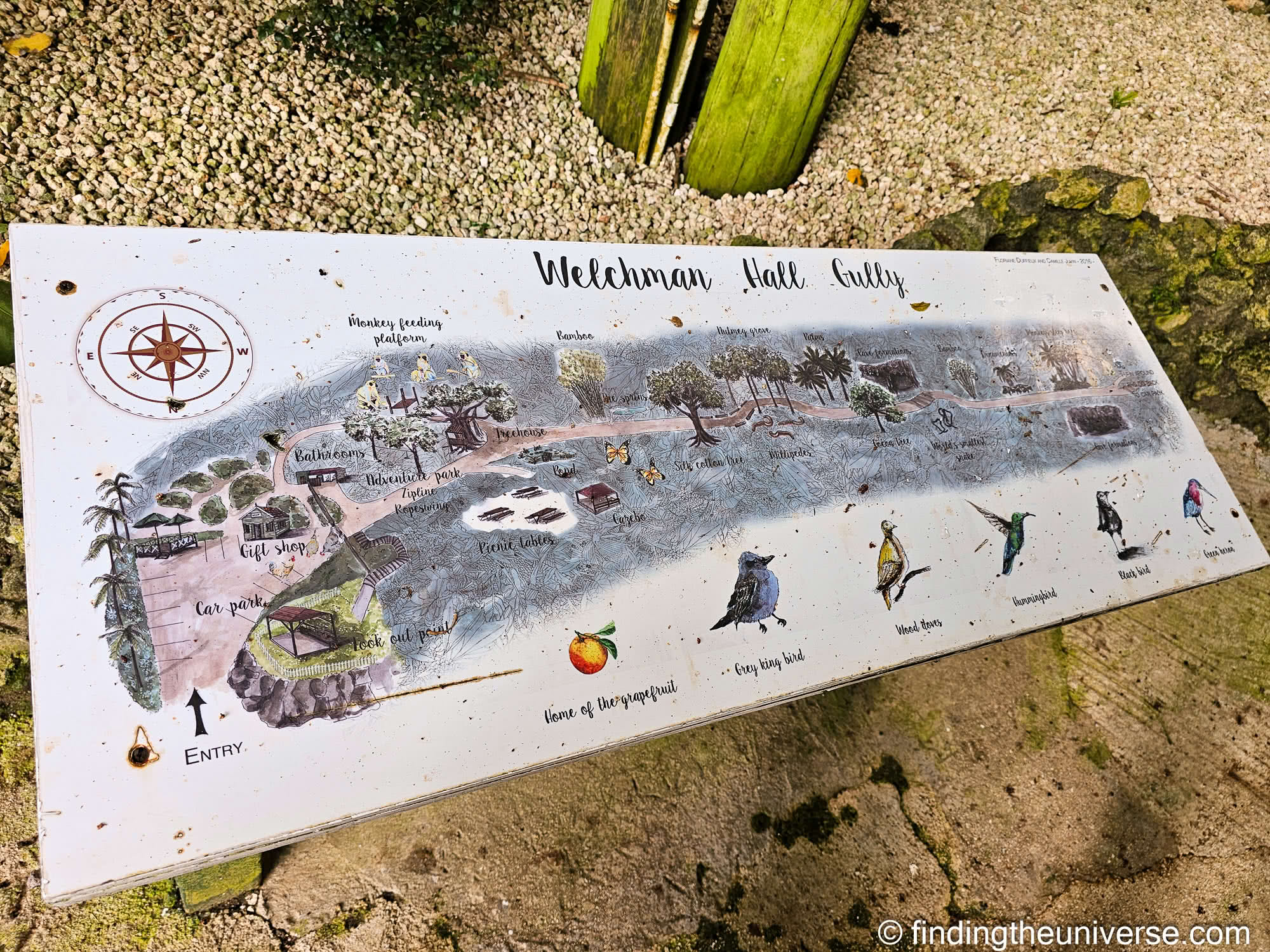
- Welchman Hall Gulley – if you’ve ever wanted to see inside a cave without having to actually go inside a cave, then you should make a visit to Welchman Hall Gully. This has been attracting visitors since at least the early 19th century, and it’s not hard to see why. The gully was formed when the roof of a large cave system collapsed, creating a gully just over a kilometer long. So you get a sort of inside out cave, with the walls of the gully showcasing cave formations like stalactites and stalagmites, which is quite unusual to see in the open air. Welchman Hall Gulley is home to a great many native plant and animal species and is also where the grapefruit is said to have originated. There is also a troop of monkeys who are fed fruit on a daily basis. The time for this feeding varies (despite what guidebooks and the internet might well you), so we missed it on our visit. However we very much enjoyed the walking trail and the accompanying trail guide we were given. An entry fee applies
- Tropical Flower Garden – this six acre tropical garden offers a number of trails and tropical plants. Note that this used to called the Orchid World and Tropical Flower garden, but unfortunately during the pandemic they lost the majority of their orchids.
- National Botanical Gardens – this garden is a little different to the others on this list, as it’s more of a large green event space than a flower filled garden. People enjoy coming here for the views and seeing the grassland and trees, but it’s not quite the flower filled space of other gardens on this list. It is however free, and we wanted to include it as it might seem odd to leave it off the list!
As you can see, there are quite a few options to choose from! Unless you are really into flowers, we’d suggest picking one or maybe two to visit as in our experience from visiting a few locations they are quite a similar experience.
Cricket
Brought to Barbados by the British, cricket in Barbados dates back hundreds of years, with evidence of it being played on the islands as early as the 18th century. Barbados was home to the first cricket club in the Caribbean (St. Ann’s Garrison, formed in 1806), and when the island celebrated their independence in 1966, a celebratory match of cricket was played.
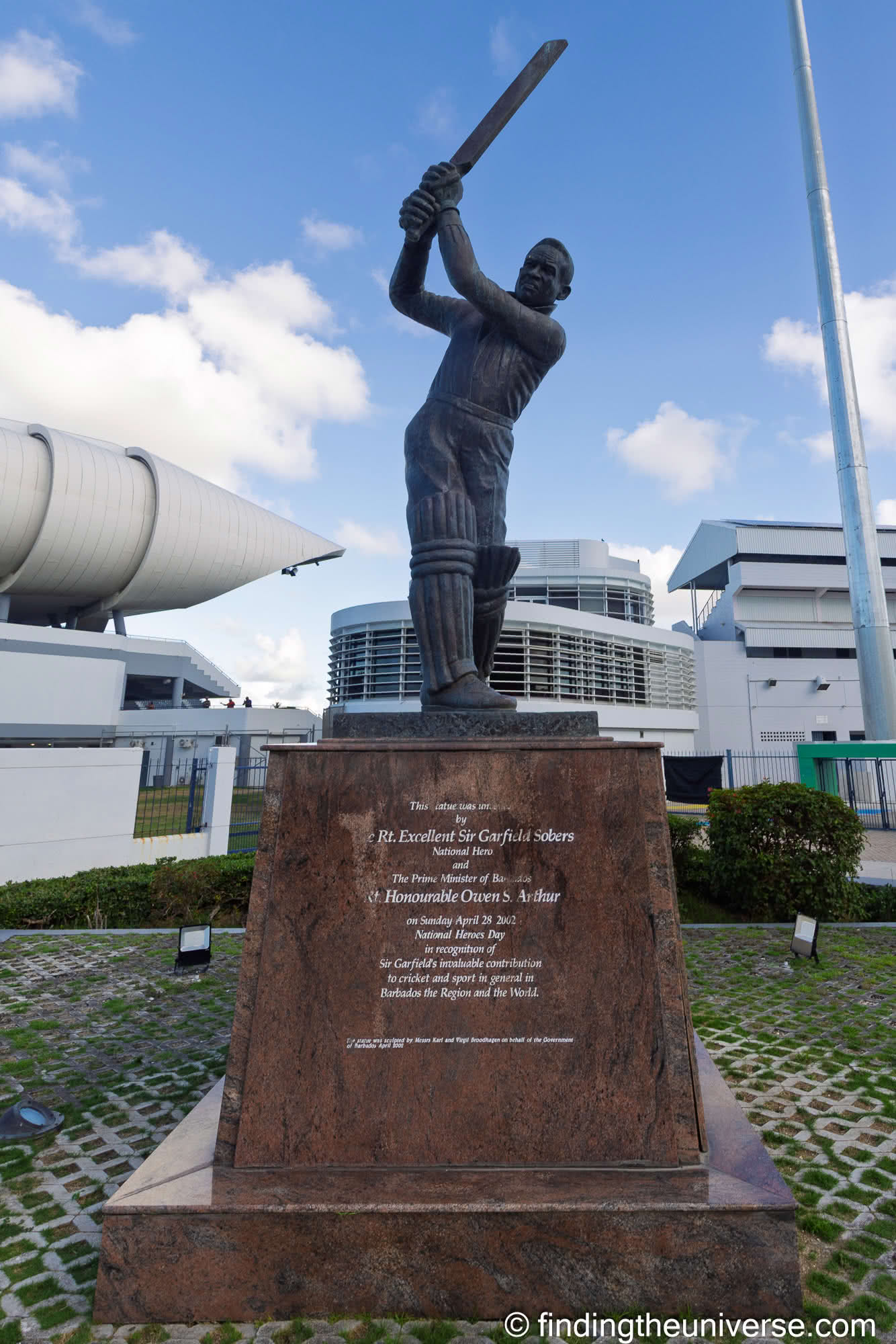
Today, cricket is the national sport of Barbados, and the island has produced more cricketing greats per capita than any other nation in the world. There are a great many local teams, and Barbadians also play internationally as part of the West Indies cricket team.
If you have any interest in cricket at all, or just want to learn more about this sport, you have a few options.
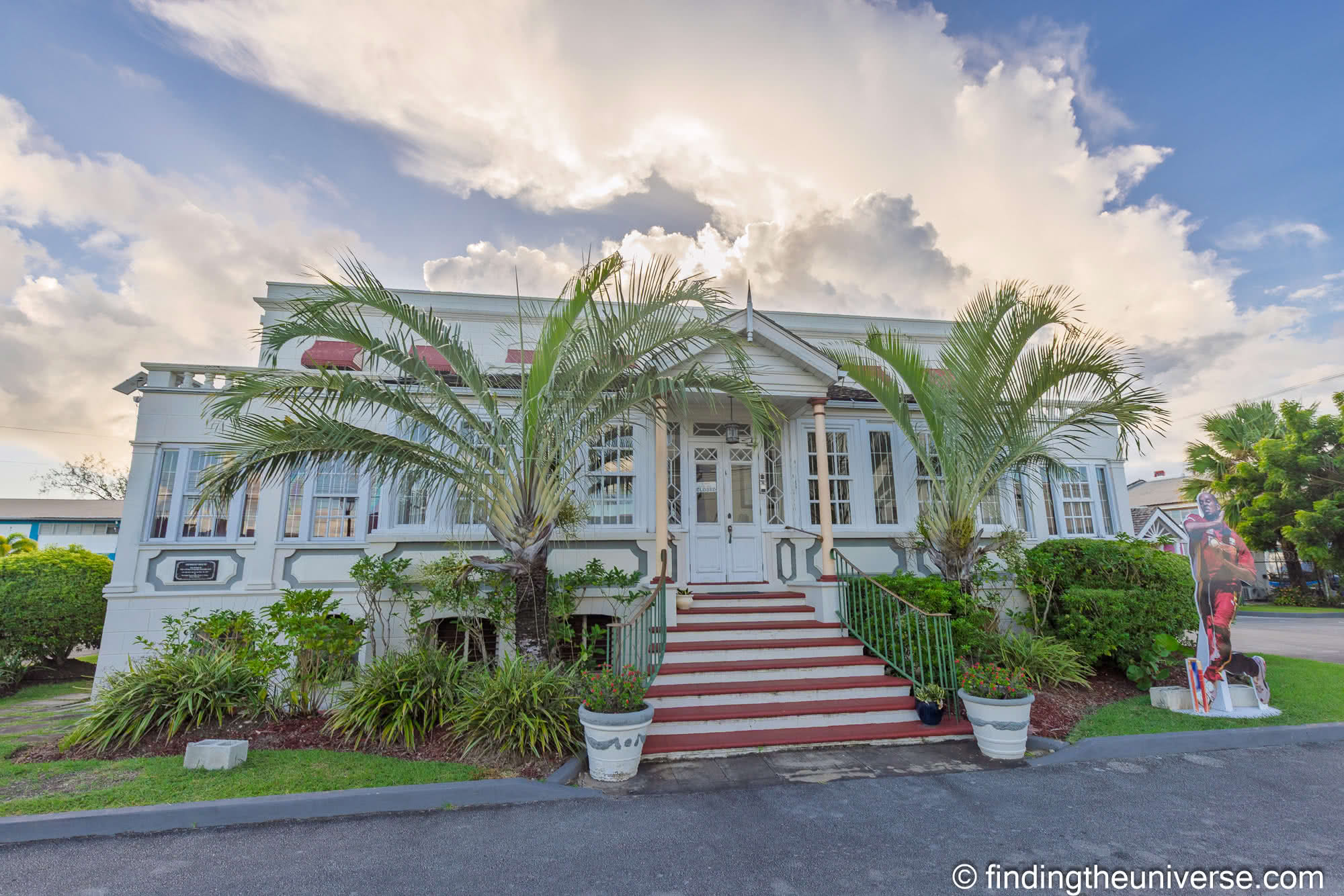
First, you can visit the Cricket Legends of Barbados. This museum in Bridgetown tells the story of West Indies cricket, with a focus on the legends the island produced. From the 1970s through the 1990s the West Indies dominated international cricket, and you can learn the stories of the players here.
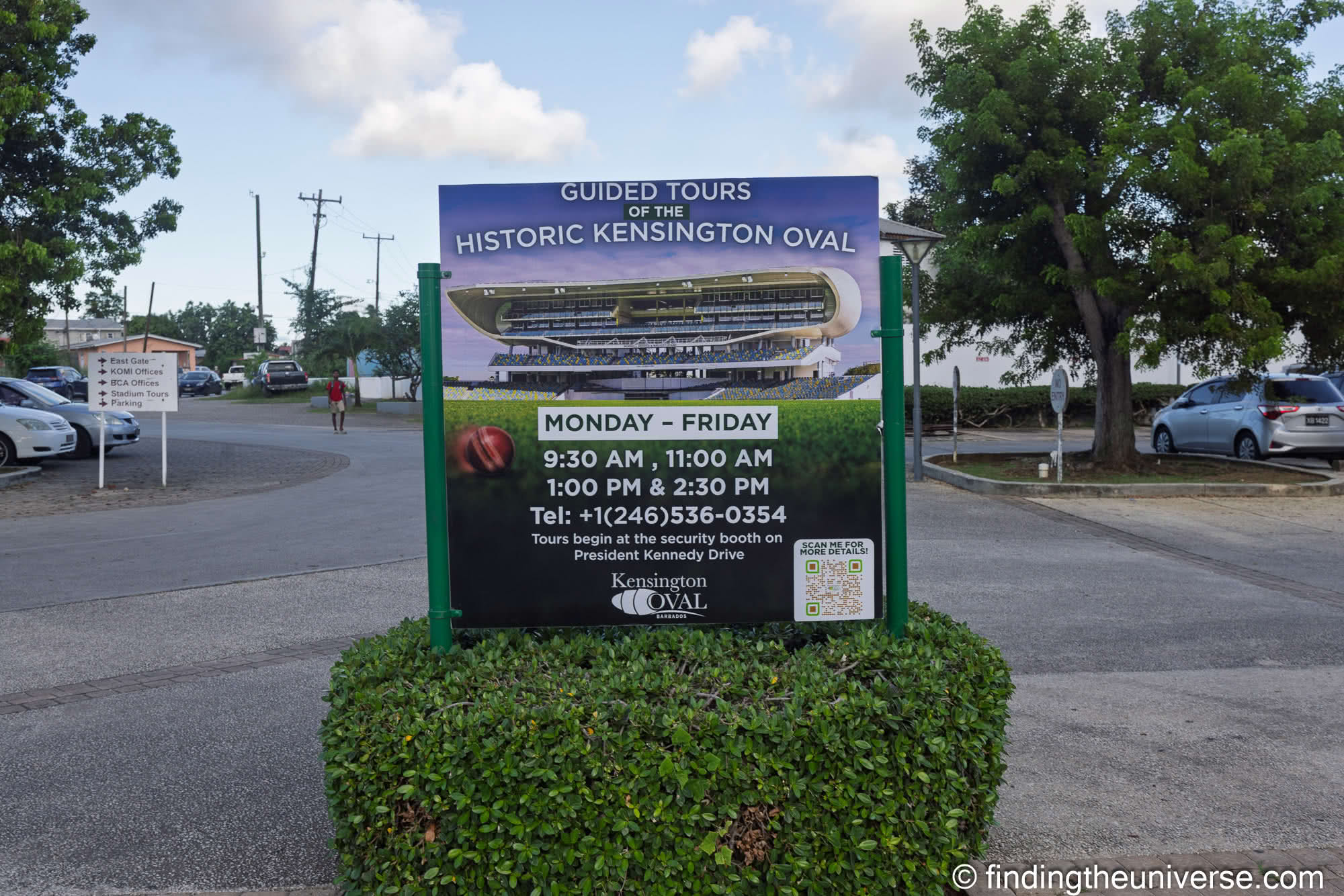
The museum is, fittingly, directly across from the Kensington Oval, the home of cricket in Barbados and where all the major matches are played. You can take a guided tour of the stadium, or come to see an actual match. Even if nothing is scheduled, you’ll still likely see a lot of activity as the grounds are used for coaching on a regular basis.
Where to Stay in Barbados
Being a tourism focused economy, Barbados has a huge range of choice when it comes to where to stay. From all-inclusive resorts through to hotels, and apartments, you should find something to suit.
Just be aware that Barbados is not a budget destination, so accommodation like hostels are hard to come by. Pricing also varies dramatically by season, with late November through to mid-April being the high season, when it’s winter in the northern hemisphere and visitors comes here seeking the sun. It’s also generally when the best weather is to be found.
June through November offer cheaper rates (although be aware some hotels close during this time), coupled with a higher risk of rain.
When it comes to where on the island to stay, we have stayed in four different areas, each of which has something different to offer. We’ll divide our recommendations up across some of the different parts of the island based on our experiences.
South Coast (St. Lawrence Gap / Oistins)
For your first visit to Barbados, the south coast area known as St. Lawrence Gap makes for an excellent location to stay. You get easy access to the spectacular palm fringed Dover Beach, and there are countless bars and restaurants along “the Gap”, which is a pedestrian friendly area.
There’s also a reasonably sized grocery store, and you’re within an easy 10-15 minute taxi ride to Bridgetown, the airport and Oistins.
We stayed in an apartment in St. Lawrence on our first trip to Barbados for a few nights, and it made for an excellent base. Here are some recommended places to stay across a range of price points for you to consider.
- Melbourne Inn – this is a well-rated good-value option which is about five minutes walk from Dover Beach in St.Lawrence Gap. It has its own swimming pool, garden and restaurant. Rooms are all private en-suite with free WiFi and air-conditioning.
- South Gap Hotel – this waterfront 3* option (note, no beach) is right on the strip of St. Lawrence gap, so there’s plenty to do within walking distance. It’s just a couple of minutes walk to Dover Beach and has its own pool and restaurant. All rooms have ocean views as well as a kitchenette with stove, microwave, kettle and fridge.
- Coral Mist Beach Hotel – this 3* hotel has a beautiful location on the end of Worthington Beach. Rooms are air conditioned and have a kitchenette with a microwave, fridge and coffee maker. There’s a restaurant and pool on site. It’s about a mile to St. Lawrence Gap, but there are many restaurants within close walking distance
- Little Arches – this highly rated adults only 4* boutique hotel in Oistins is just moments away from the lovely Enterprise Beach. There are only 10 rooms, each uniquely styled and featuring a king-size bed, sitting area, ensuite bathroom, smart TV, mini fridge and AC. There’s also an on-site rooftop restaurant with lovely views over the sea.
- Yellow Bird – found at the end of St. Lawrence gap a five minute walk from both Worthing Beach and Dover beach. All rooms have a seaview and there’s a restaurant on site. Note that it’s technically next to a beach but it’s a very small stretch of sand that largely disappears at high tide.
- Bougainvillea – found right on beautiful Maxwell beach in Oistins, this lovely 4* property offers spacious suites with kitchenette which includes a microwave, refrigerator and stove top. There’s a pool and two restaurants on site, as well as a spa and fitness center.
- Southern Palms Beach Club – this spectacularly pink property sits right on gorgeous Dover beach. It has two outdoor pools, two tennis courts, mini golf and shuttleboard, as well as free use of non-motorized watersports equipment. Restaurants are available on site, and you can book a package which includes your meals
- Sandals Barbados All Inclusive – this couples only 5* all-inclusive resort has its own private beach area, a rooftop pool, swim-up suites, a variety of restaurants, inclusive watersports, spa and fitness center, free diving lessons… the list goes on! It is definitely not a budget option, but you do get a lot for your money.
Bridgetown
If you want to explore some of the cultural highlights of Barbados, then basing yourself in the capital of Bridgetown is a good idea. You’re also not necessarily sacrificing beach access as Bridgetown has a gorgeous stretch of white sandy beach to enjoy, with some hotels right on the beach front.
- Sweetfield Manor – On a recent trip to Barbados we spent four nights at this lovely boutique hotel in the city. There’s a gorgeous lagoon style pool and views across the city (particularly at sunset). It’s not close to the beach, but it is quiet and the on-site restaurant is excellent. The peacocks are also fun to see!
- Hotel Indigo – opened in 2026, this brand new 5* hotel is right on the waterfront and has easy access to the Richard Haynes boardwalk which is a pleasant place for an oceanfront stroll. It also provides quick access to nearby Rockley beach. There are a couple of pools, including a rooftop pool, a gym, on-site restaurants and bars
- Sugar Bay – this is a beach-front all-inclusive 5* resort just moments from the garrison historic area in Bridgetown. The hotel has good beach access, pools and a number of on-site restaurants and bars.
West Coast
Barbados’s west coast is also known as the “Platinum Coast” (the nickname was upgraded from “Gold Coast”), and for good reason. This is the playground of the wealthy, a place where billionaires snap up property and the hotels are of the luxurious, wallet emptying kind.
There is of course good reason the wealthy come to this part of Barbados – the beaches are spectacular, the water is very safe for swimming, and it’s the best place to watch the sun set over the sea. There’s also no shortage of high-end accommodation options to choose from, as well as luxury shopping malls and good restaurants.
Suffice to say, if you choose to stay on this side of the island you are likely to be looking at more upscale resorts, but there are still some more reasonably priced options. Here are some options to consider across a range of price points.
- The Palms Resort – this 3-star hotel in Holetown has a range of accommodation options, including one and two bedroom apartments with full kitchens. There’s an on-site pool and coffee shop, but no restaurant. It’s about a ten minute walk to downtown Holetown, or 15-20 minutes walk to the nearest beach.
- Little Good Harbor – tucked away towards the north end of the west coast, just past historic Speightstown, this is a beautiful boutique four-star hotel offering lovely suites with balconies and their own kitchen / living area. We stayed here for a couple of nights on a recent trip to Barbados and really enjoyed our stay, particularly the two pools and the close proximity to the excellent Fish Pot restaurant, where we watched the sunset over dinner.
- Mango Bay – this all inclusive four star hotel is right on the beach in Holetown. There are a number of room types to choose from, as well as an on-site restaurant and bar as well as a pool. Watersports activities and diving are also available.
- Sandy Lane – Arguably the most famous hotel in Barbados, this is an iconic five star hotel with all the amenities you could ask for including golf courses, a gorgeous stretch of beach, spacious rooms, a variety of restaurants, a spa and more.
- Treasure Beach Art Hotel – an all inclusive adults only five star hotel right on famous Paynes Bay beach just to the south of Holetown. Enjoy complimentary watersports, on site restaurants and bars, pool
East Coast (Bathsheba)
The east coast of Barbados is wild, rugged, and largely undeveloped compared to the west and south coasts. There are also very few beaches that are safe for swimming, so it’s not as popular with visitors. It was actually our favorite part of the island, and the hotel we stayed at was one of our favorites in Barbados.
- The Atlantis Historic Inn – one of the very few accommodation options on this part of the island, this hotel has been here since the 19th century, when the railway brought visitors right to the front door. Unfortunately, the Barbados railway is long gone, but this hotel endures. Rooms have either coastal or direct sea views, and there’s a large and well-equipped kitchen on site, as well as an excellent restaurant. A coastal path extends in both directions, and it takes about 10 minutes to walk to Bathsheba bay. There’s also a lovely pool here. Just be aware the roads to get here can be a bit rough, and it is a little remote so if you plan to cook for yourself you’ll want to stock up at a larger grocery store.
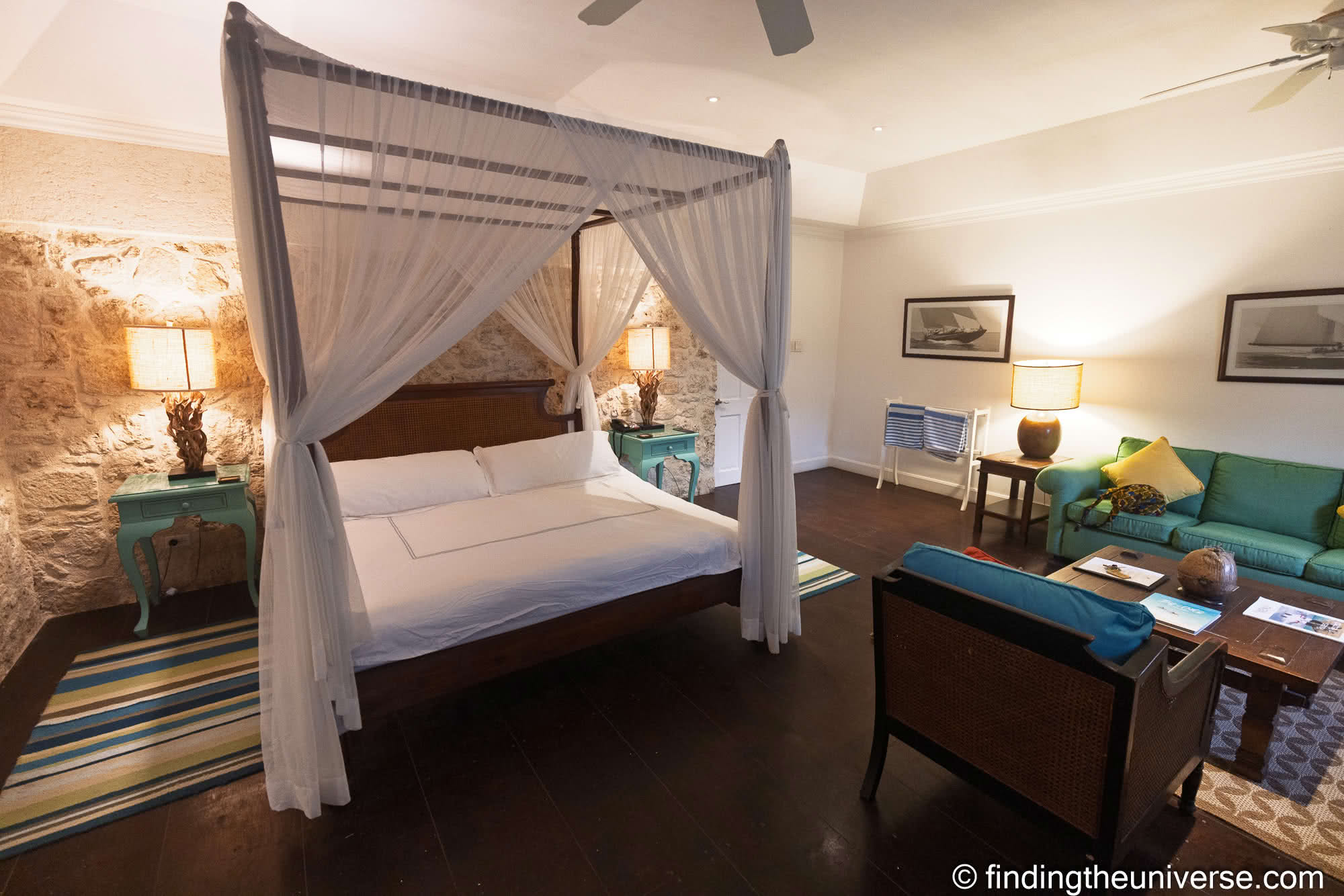 Atlantis Historic Inn
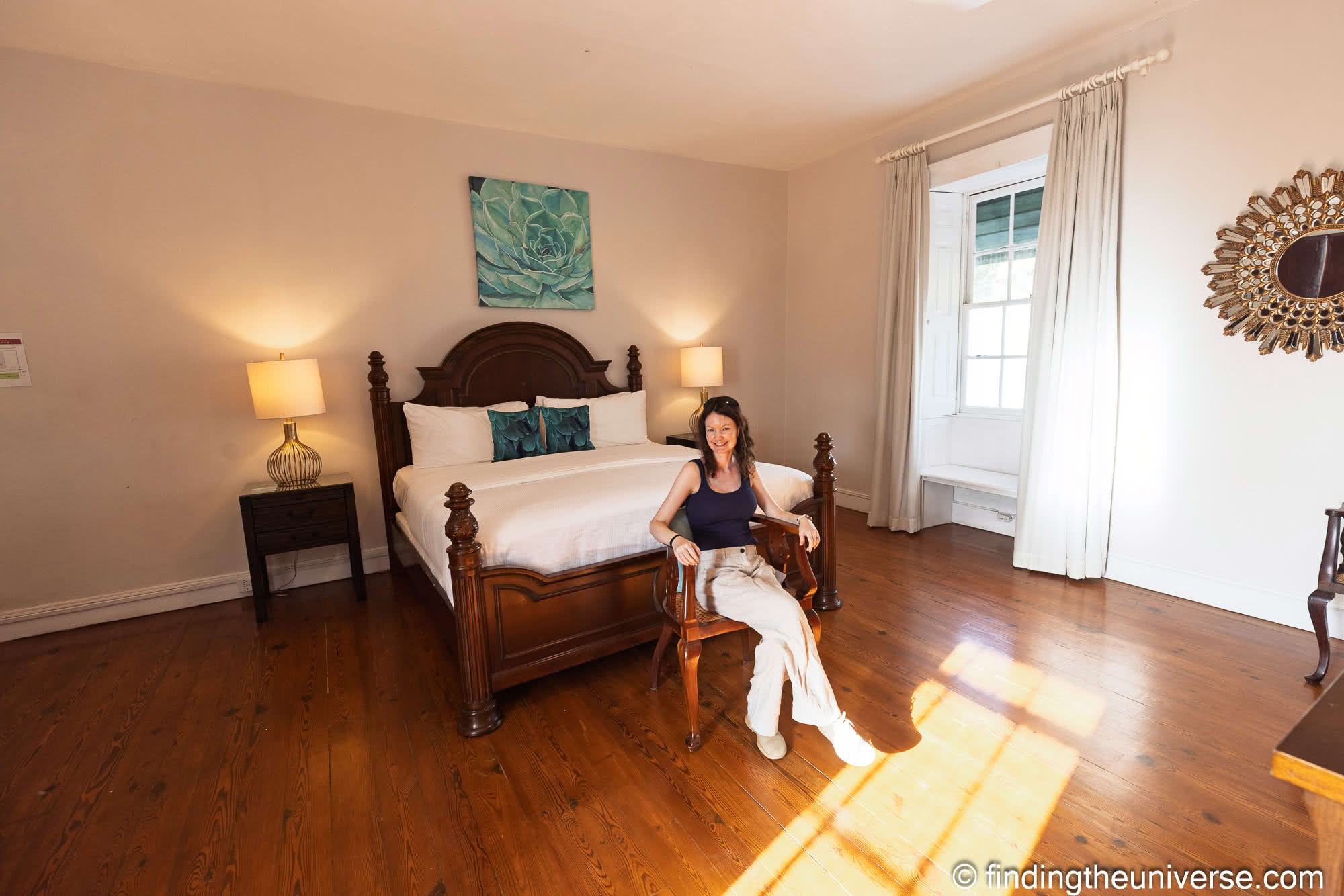 Sweetfield Manor
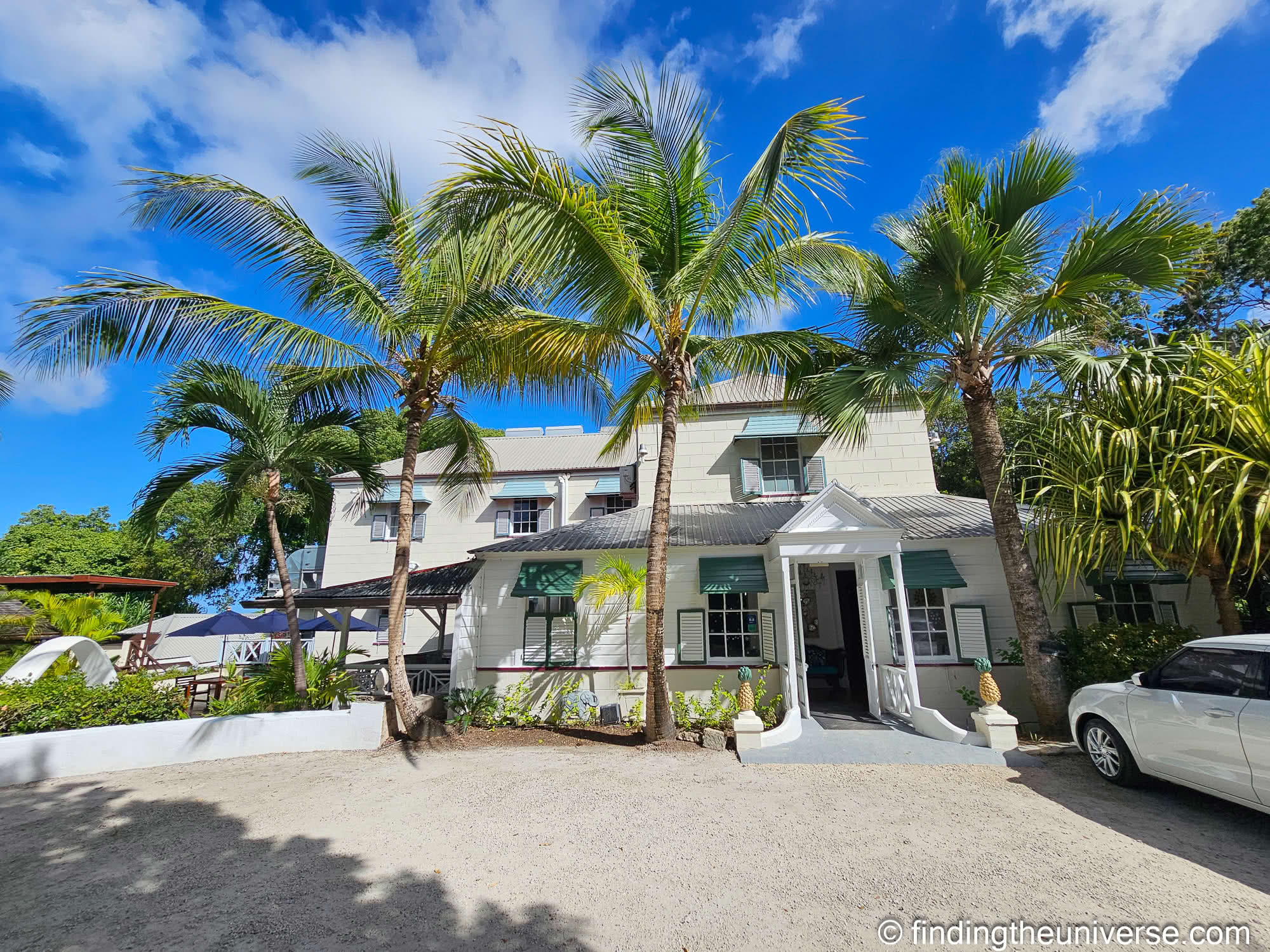 Sweetfield Manor
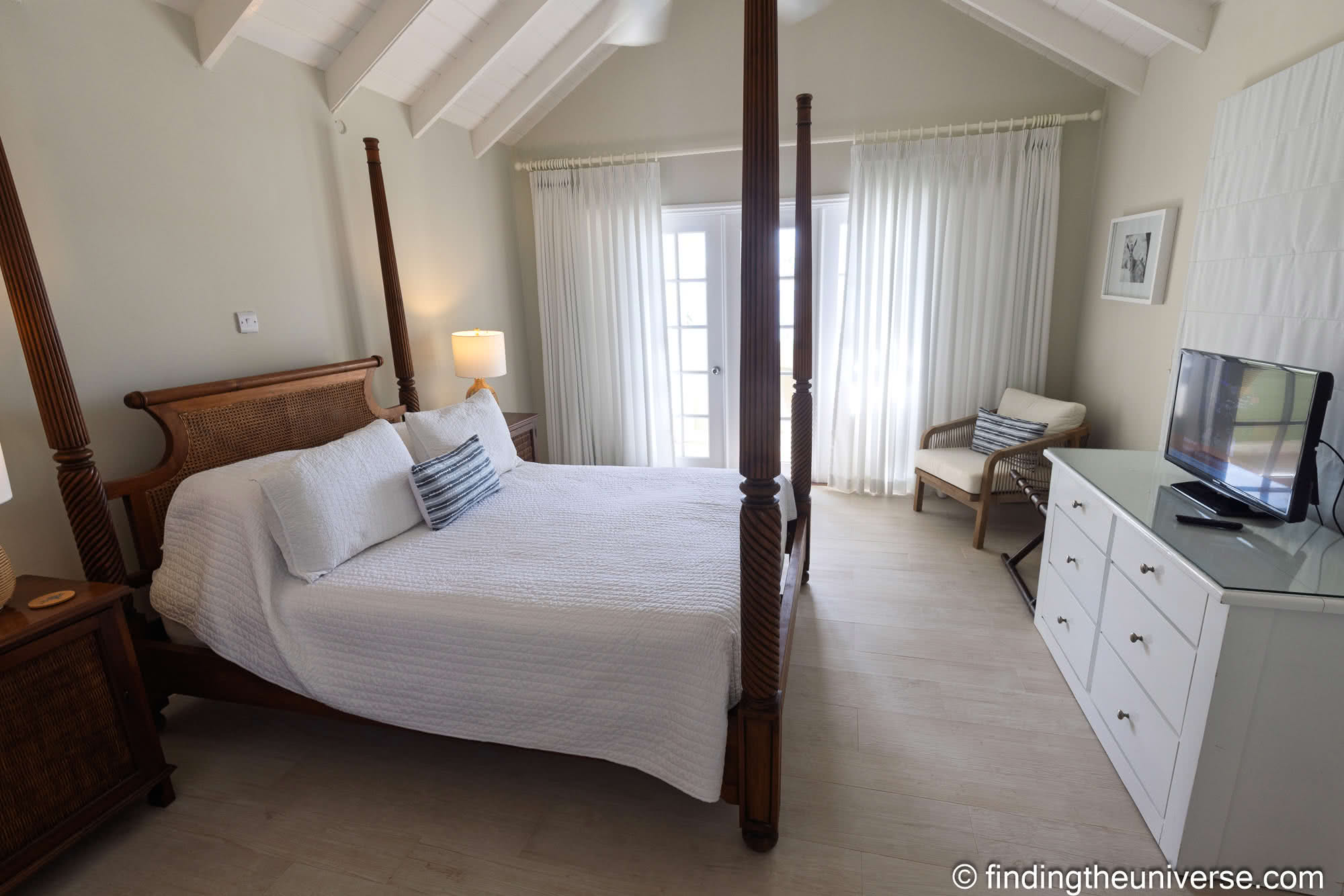 Little Good Harbor
How to Get to Barbados
Barbados is an island located in the Atlantic Ocean; it is part of the Lesser Antilles of the West Indies. It is the easternmost island of the Caribbean region and much closer to South America than most travelers imagine.
There are two main ways that people get to Barbados, the first is to fly, the second is as part of a cruise.
The island has an international airport, Grantley Adams International Airport (BGI). It has direct flights to many countries around the world, including the USA, Canada, the UK, mainland Europe and Central America. There are also many flights across the Caribbean. The airport is in the south of island, about a 20-minute drive east of Bridgetown.
The other way people get to Barbados is by cruise. Many cruise lines operate cruises that include Barbados, and some start or end on the island as well. Cruises dock at the Bridgetown cruise terminal, from where you can take a taxi into town, to a beach, or take a day tour of the island.
How to Get Around Barbados
Choosing a means of transportation is definitely going to depend on the type of trip you are taking. If your main goal in Barbados is to spend time on the beach with just a couple of excursions to see specific sights, then you might not need to plan your transport at all.
Many of the activities you book, such as boat tours like this one, will often include round-trip transportation to your accommodation. So you can book a few tours with transport included and then not worry about it. You can also book a private custom tour like this one to be sure you get to see what you want.
However, if you do plan on getting out and sightseeing a bit more, or just prefer the flexibility of getting around yourself, you have a few options.
Barbados is not a giant island, and you can circumnavigate the whole island by car in between 2 – 4 hours depending on traffic.
The first option you have is to take taxis. We used the pickUP app during our time on the island if we needed a taxi. It worked just like any other ride-hailing app, but only links you directly to a licensed taxi driver. The last time we visited the island Uber was in the process of launching but when we tried to use it it never connected us with any actual drivers. So we’d suggest sticking with pickUP.
Another option is to take a bus or minibus. There are both public and private bus options. You can see the public bus routes on the Barbados transport site here. Fares as of 2026 are BBD $3.50 per ride. Change is not available, money is placed into a fare box, so it is best to have exact change. You can get pretty much all over the island including to most tourist locations with the bus, just expect it to take a bit longer than in a car.
Bus stops are helpfully labelled as being “to city” or “out of city” so you know if you’re going towards Bridgetown or away from it.
Another transport service to consider for the experience are the private minivans known as ZR. These run in predominantly high traffic areas such as around between Oistins and Bridgetown. They tend to have loud music, are crowded, and have a habit of stopping and starting on a dime. These can be found at the Cheapside Terminal and River Road Terminal in Bridgetown, as well as the Oistins terminal.
Finally, if you want full flexibility for your time on the island, then the best option is going to be to rent a car. This is what we did during our time on the island. There are car rental services available at the airport and many providers will also drop a car off at your hotel. You can rent a car for the duration of your visit, or just for a few days of sightseeing, it’s up to you.
We’ve rented with a couple of rental offices including Stoutes Car rental and Sun Cars, both of which offered a good experience. We also recommend comparing car rental prices across providers on Discover Cars to get more options.
Just remember that they drive on the left in Barbados, and be aware that the roads are famed for potholes. Traffic, especially around Bridgetown and up and down the east coast can also be quite bad, particularly around school hours and during the morning and evening commutes.
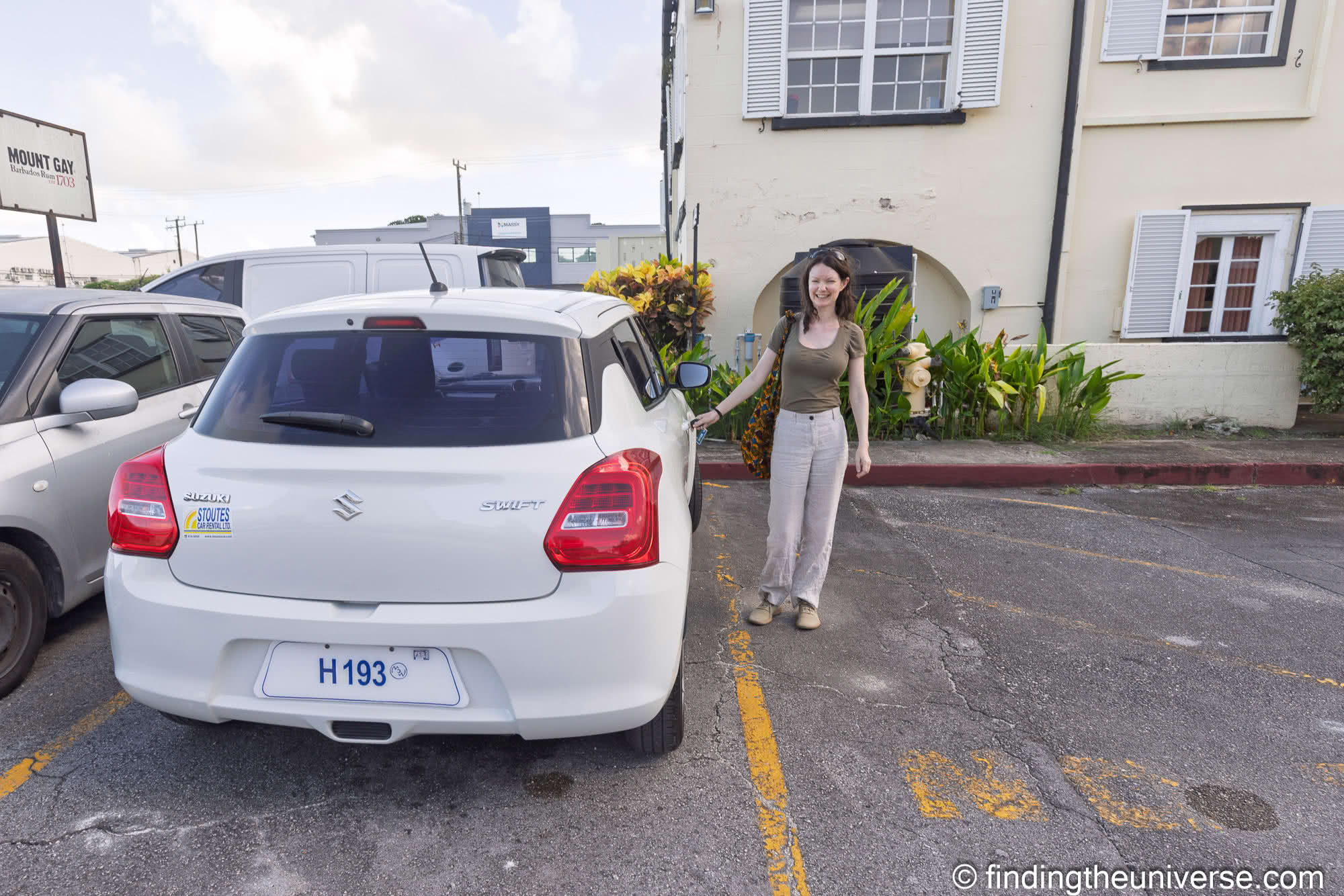
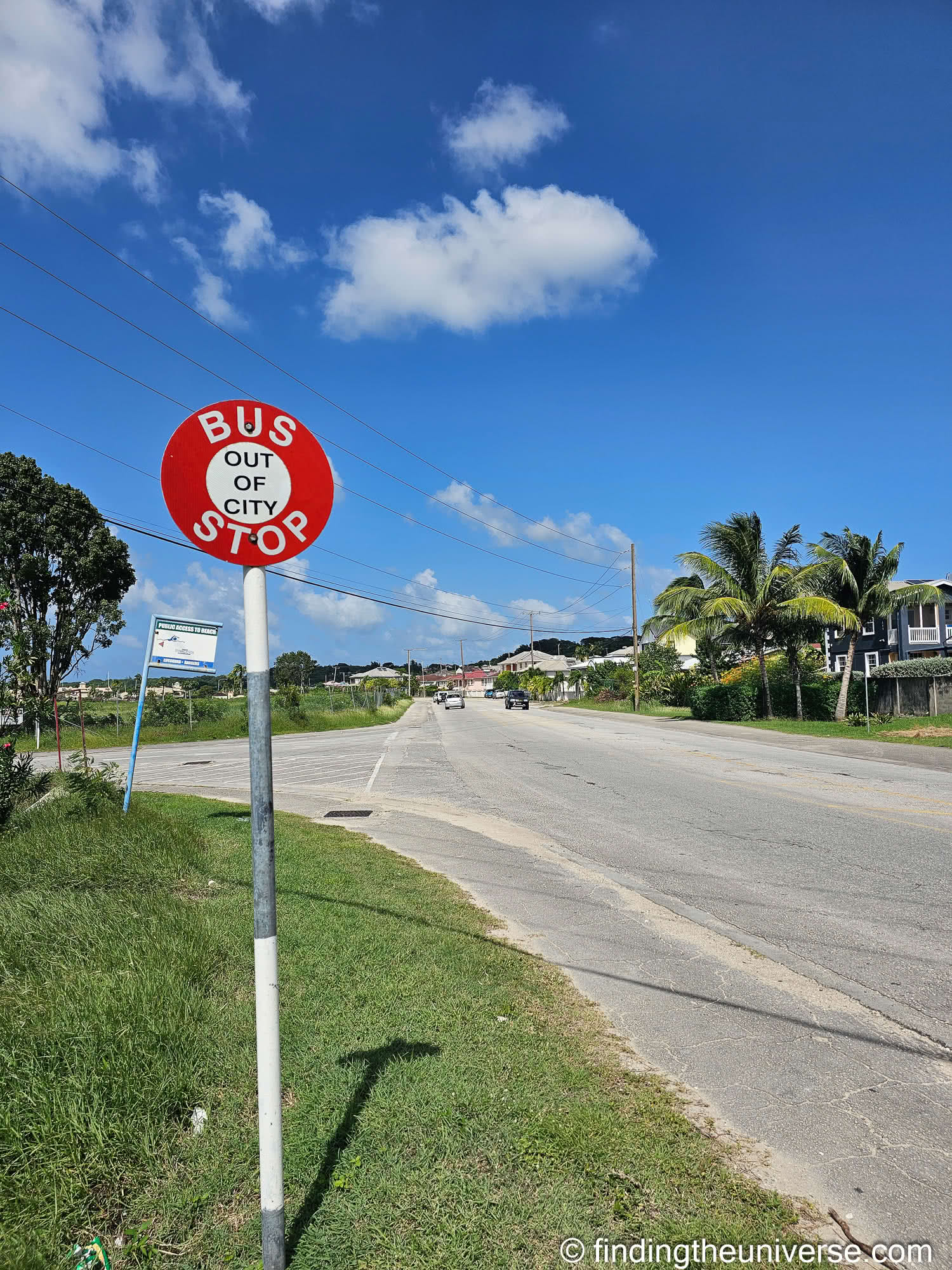
Tours in Barbados
There are many tours to choose from in Barbados, the majority of which include pickup from your hotel (or the cruise terminal if you are visiting Barbados on a cruise). This makes them a good option if you’d rather not hire a car to visit specific attractions, or just prefer a fully guided experience. Here are some tour suggestions for your time in Barbados.
- If you want to see a few different sights on the island with a private tour guide, this is a custom private tour option that gets good reviews. This is another well reviewed option.
- This full day group tour includes St. Nicholas Abbey, Hunte’s Gardens, Bathsheba, Lunch, & The Barbados Wildlife Reserve.
- This five-hour tour on a larger catamaran includes hotel pick up, drinks, lunch, snorkel equipment, two snorkel stops and a swimming stop. This is a similar tour, but on a smaller catamaran. Honestly, if you only do one tour in Barbados, our recommendation would be a boat tour.
- This guided tour with pickup includes two popular attractions: Harrison’s Cave and Hunte’s gardens. It includes all your entry fees as well.
- This tour with pickup takes you to the popular St. Nicholas Abbey attraction and includes the train ride as well
- This tour includes a visit to the Foursquare distillery and the Mount Gay visitor center, with rum samplings included
- If you want to try the food of Barbados, this is a very popular food walking tour in Bridgetown which includes many iconic Bajan dishes
Of course, there are many more tour options in Barbados to choose from. You can see a full list on Viator here and on GetYourGuide here.
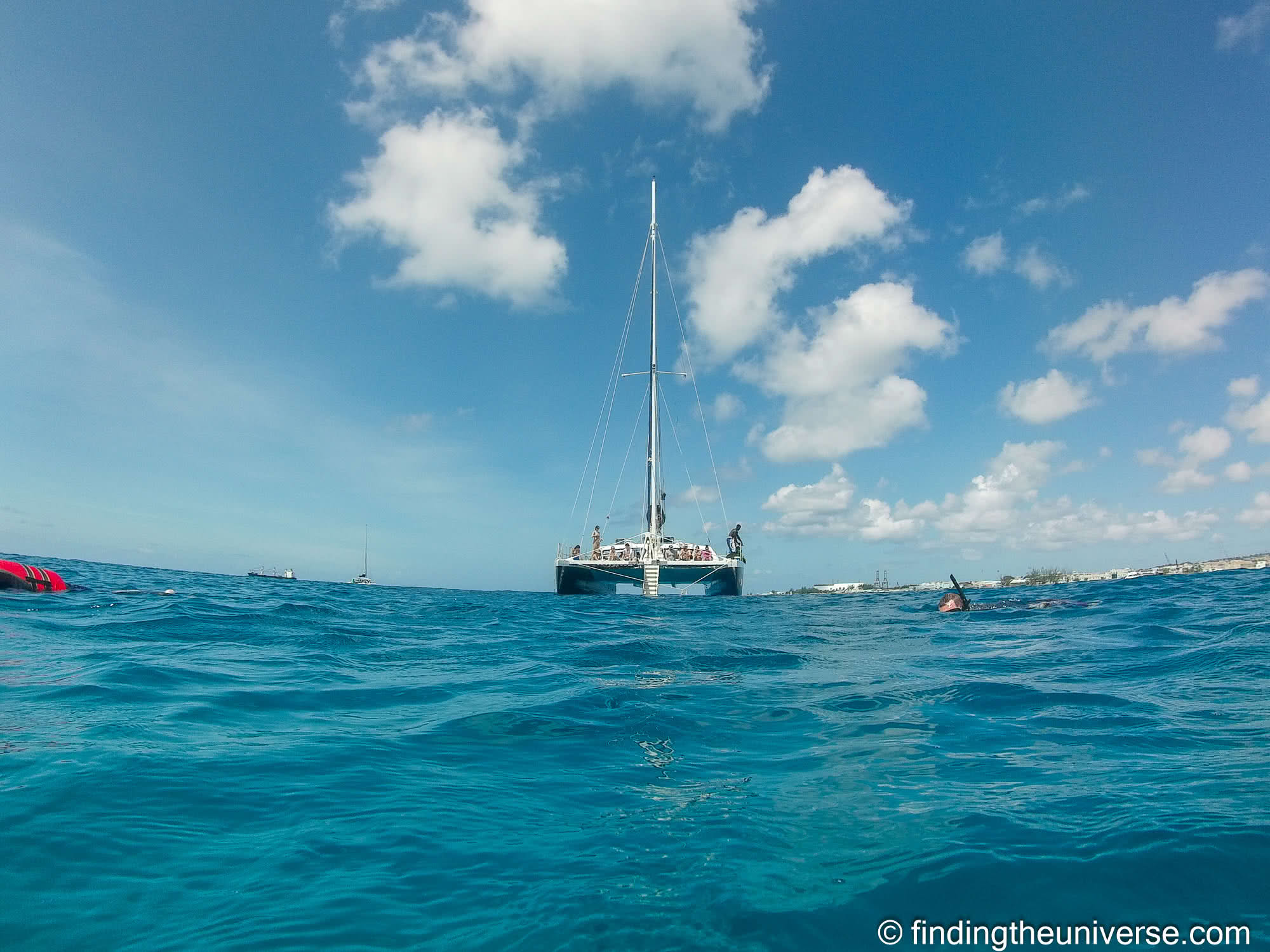
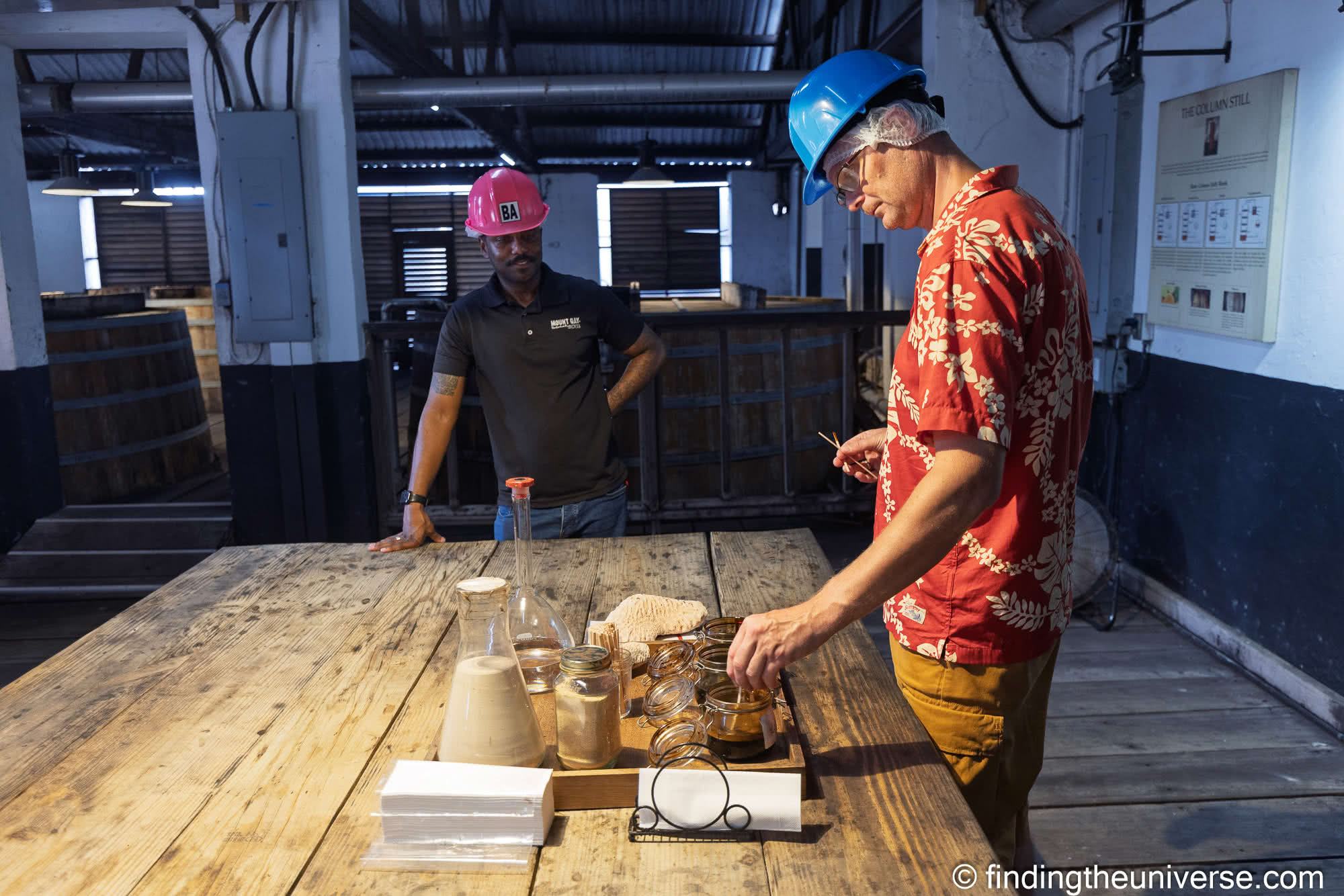
Further Reading
That’s it for our guide to our favorite things to do in Barbados! We hope found it useful. Before you head off, we wanted to share some links to other content we think you might find useful in planning your trip to Barbados.
- We have a guide to getting online when travelling, to help you stay connected in Barbados
- You’re going to need to power all your devices when you travel – see our guide to the best travel adapters so you can choose the right one for Barbados
- Thinking of buying a new camera for your trip? See our guide to the best cameras for travel
And that’s it! As always, if you have any feedback about the post, or questions for us, just pop them in the comments below and we’ll get back to you as soon as we can.
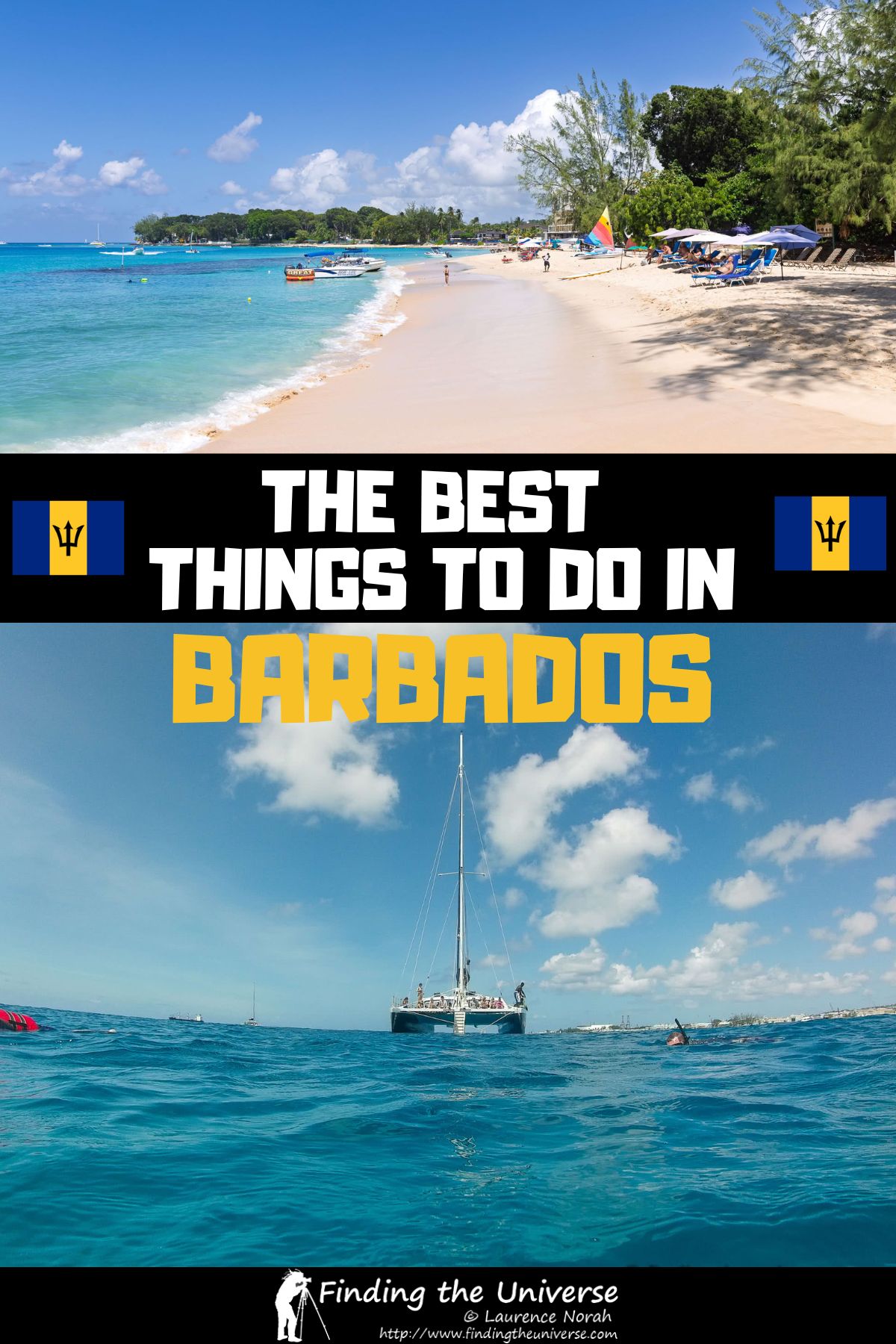




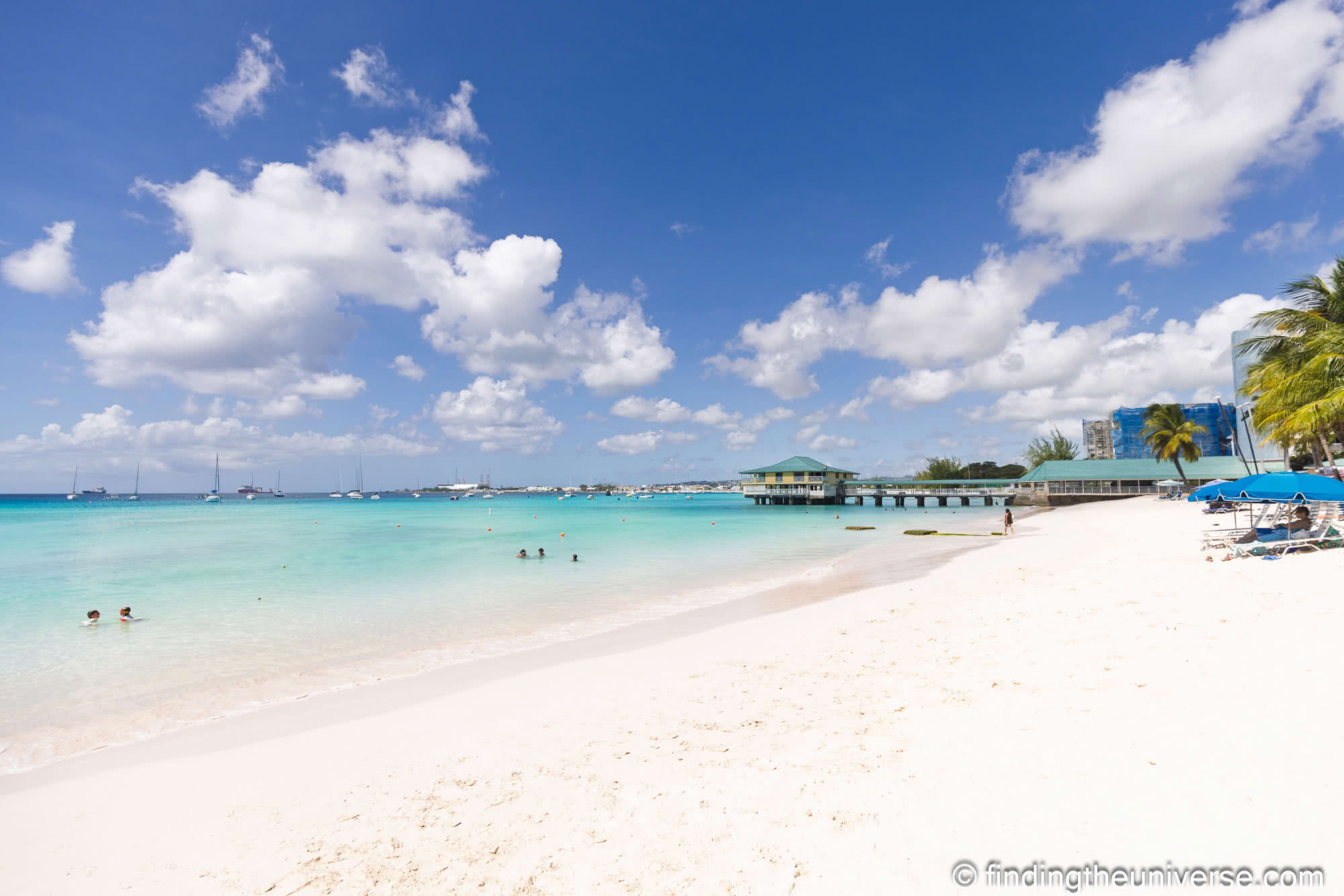







 English (US) ·