
 1 month ago
52
1 month ago
52
The Tramuntana takes some explaining to clients who only know Mallorca by its beaches. It’s a mountain range running along the northwest coast. The villages inside it are old and mostly intact. Serious travellers have been coming specifically for them since well before the package holiday era. They draw them for different reasons than the beaches do. Getting the most out of this part of the island depends heavily on where you’re based.
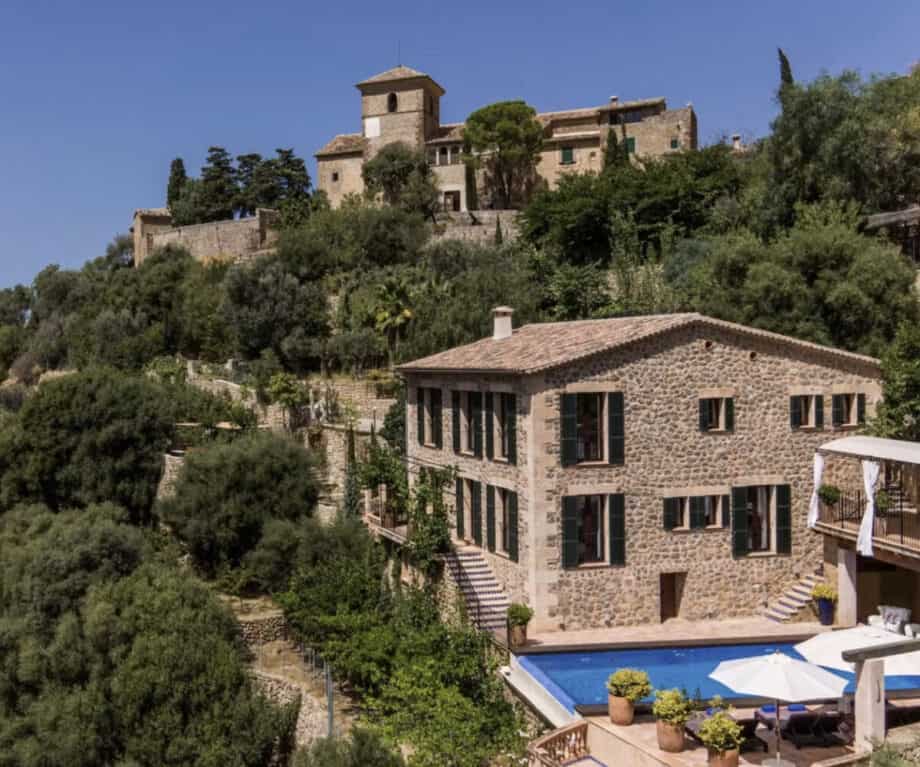
Privadia has a portfolio of luxury villas, traditional fincas and countryside properties across the Tramuntana, and that matters here in a way it doesn’t on the coast. If you’re commuting to these villages from Palma or a beach hotel, you’re losing the best hours of the day to the drive. A rural villa positions the group in the middle of the circuit, which changes the whole shape of the trip.
Here’s what the three villages actually offer:
Deià
Parking is the first practical problem. The village is built on a steep slope with limited space and gets busy in the morning. Getting there early or after four in the afternoon is the simple fix.
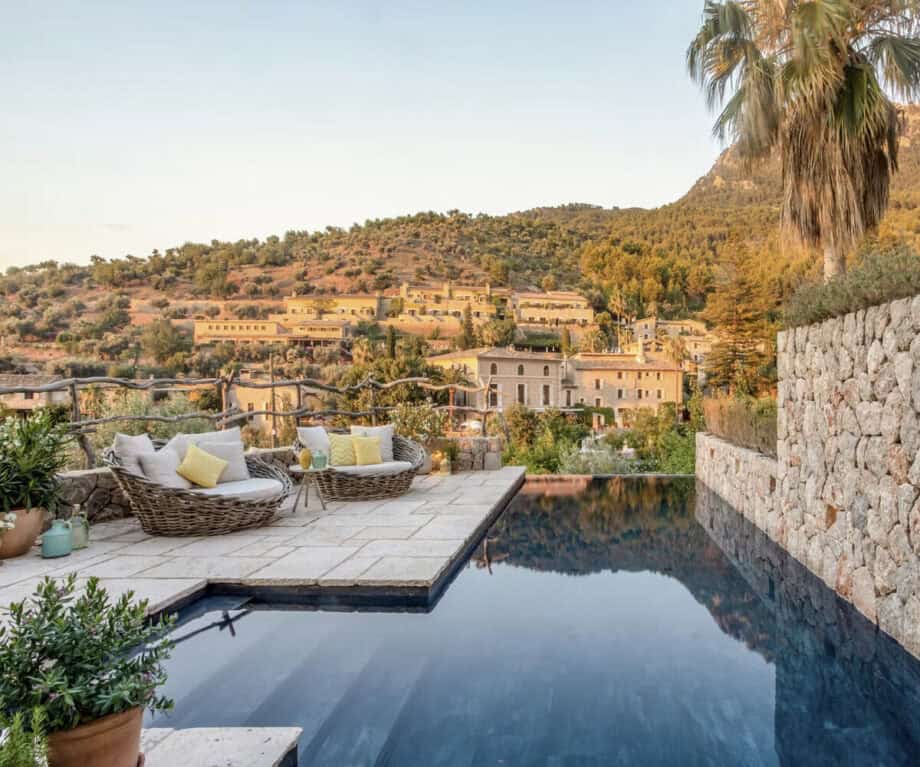
Deià’s reputation largely traces back to Robert Graves. The poet came in 1929 and never really left. His grave is in the hilltop cemetery beside Sant Joan church. His working house on the edge of the village opens to visitors on weekdays. Most people skip both. Worth not skipping.
The boutiques and galleries along the main road are better than they look from outside. Several are run by working artists who live in the village year-round. The quality is genuinely higher than the standard Mediterranean craft shop.
For food: Es Racó d’Es Teix holds a Michelin star and is worth the reservation effort. Ca’s Patro March at Cala Deià is the other address people argue about. By car, 10 minutes. On foot, 30. Cash only. Seafood with the water directly in front. It appeared in The Night Manager and getting a table has been harder ever since. Sa Fonda on the main street is where evenings go, live music most nights, genuinely mixed crowd.
The Deià International Music Festival runs through summer in outdoor settings around the village. Worth checking the programme before travel dates are fixed.
Valldemossa
The crowds in Valldemossa peak between 11am and 3pm. Tour groups from Palma arrive on a schedule. Getting there by 9am or after 4pm gives you the village closer to its actual character.
The Royal Carthusian Monastery is the main draw and earns it. Chopin and George Sand spent the winter of 1838 in a rented cell here. He composed several of the Preludes. She wrote a book about the experience called A Winter in Majorca that was not complimentary about Mallorca or its people. The locals disapproved of their arrangement. Chopin’s tuberculosis worsened in the cold. Neither left with warm feelings. The cell is open to visitors and the piano is still there.
The monastery has been through several centuries of royal, monastic, and municipal use before that, and the building reflects all of it. Worth a proper hour.
Eat the coca de patata before you leave. Ca’n Molinas on the main square has been making the local sweet potato bun since 1888. Coffee and a coca de patata at an outside table before the tour buses show up is one of the simpler pleasures available in this part of the island.
Shopping in Valldemossa is better than in Deià and Fornalutx. Local ceramics, olive wood items, the decorative tiles depicting Santa Catalina Thomàs that appear on almost every house in the village. This is the right place for anything requiring a bag rather than a pocket.
Es Taller for dinner. It was a car repair garage. The conversion works and the cooking is good.
The Camí de s’Arxiduc runs through the mountains between Valldemossa and Deià. About 14 kilometres return with real elevation. Ridge views that are among the best anywhere in the range. Not a casual option, but the people in the group who do it will have had the better day.
Fornalutx
Forty-five minutes north, in the valley above Sóller. The village has been on the list of Spain‘s most beautiful so often it’s just a given now. Walk the whole thing in 20 minutes. Stone here is golden-brown rather than whitewashed. The valley below is citrus groves. Spring is when the smell reaches the square.
At the village centre there’s a Gothic church from the 13th century. The square in front is where the life that hasn’t been adapted for visitors still goes on.
Es Turó is the restaurant worth knowing. Terrace setting with valley views, seasonal menu, the roasted lamb is what to order. Booking is useful from June through September.
Fornalutx is best used as a walking base. The Tramuntana trail network covers the surrounding area thoroughly. Several of the better mountain routes start here. A serious walker could fill three days without covering the same ground twice.
Everything you need to plan your trip in 2026
On Where to Stay
Doing these three villages properly means having time in each of them. That’s hard to arrange from a hotel in Palma or a coastal villa on the other side of the island.
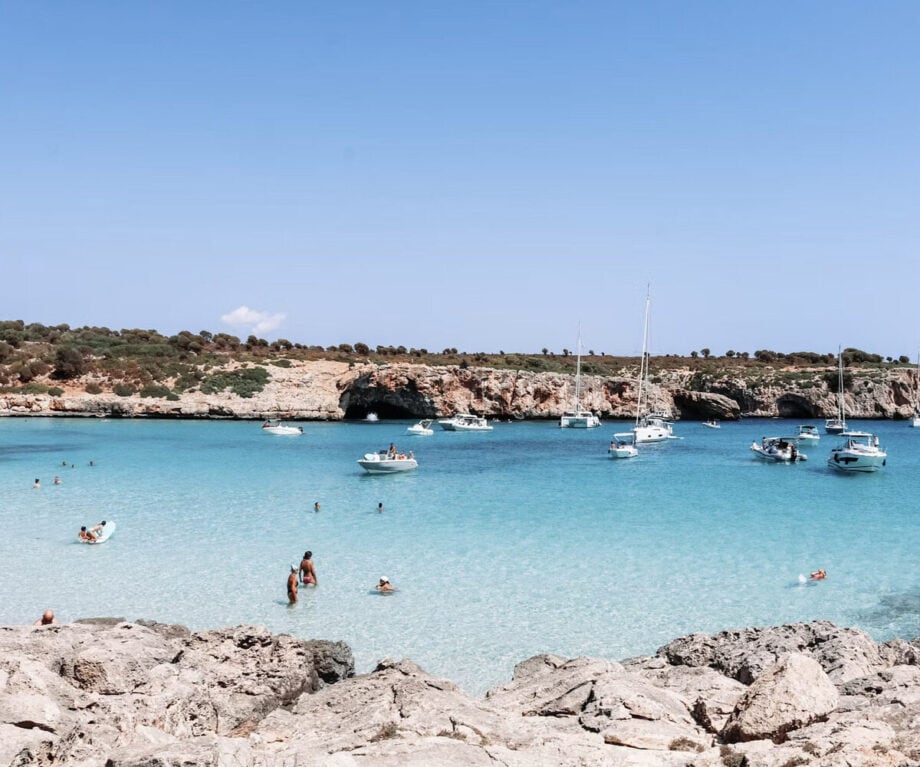
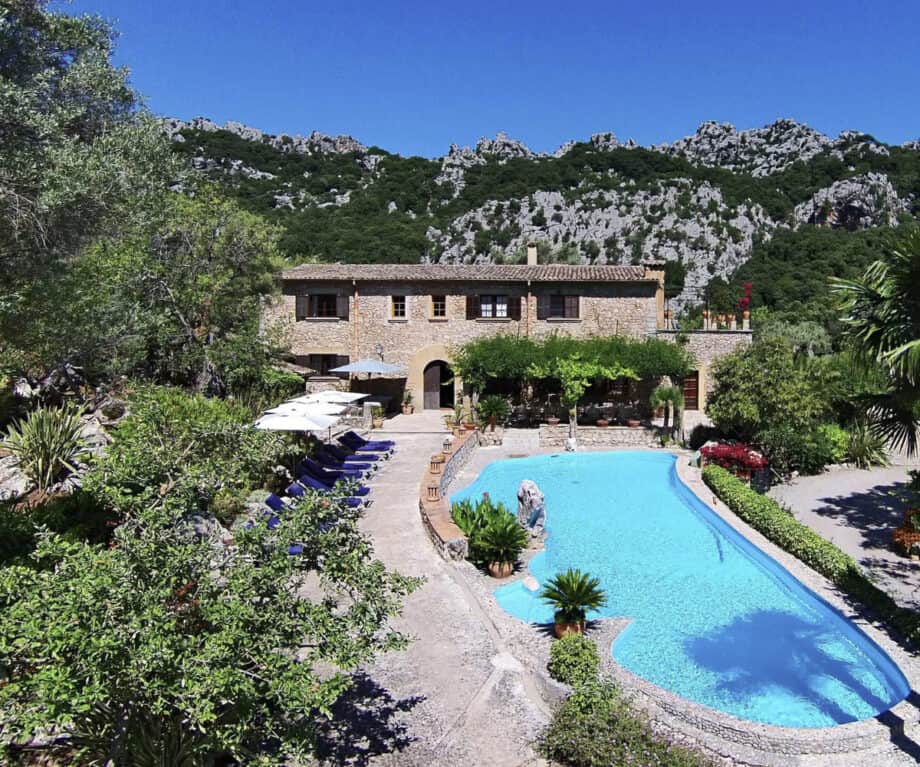
A Mallorcan finca in the Tramuntana countryside changes the logistics. Stone-built, centuries old in most cases, with the heavy-walled interior and outdoor terracing that works well for groups who want to be outdoors as much as inside. The drive to any of the three villages becomes 15 or 20 minutes rather than the better part of an hour each way.
Privadia’s portfolio of exclusive vacation rentals in Mallorca covers properties in the Tramuntana area. A concierge handles restaurant reservations at Es Racó d’Es Teix, Ca’s Patro March, and Es Taller, which are the three where booking ahead genuinely matters. Private driver arrangements for the villages are available for clients who would rather not navigate the mountain roads themselves.
The three villages are about 20 minutes apart by car and are different enough from each other that doing all three in a week gives a more accurate picture of the Tramuntana than spending a week in any one of them.

Stuart Glen
Stuart Glen is Founder at Privadia. Privadia is a leading luxury villa supplier operating for over a decade with direct-to-owner relationships and innovating vacation rentals in Ibiza, Mallorca, Mykonos, and Kalkan. If you would like to be a guest blogger on A Luxury Travel Blog in order to raise your profile, please contact us.
Did you enjoy this article?
Receive similar content direct to your inbox.









 English (US) ·