
 1 month ago
57
1 month ago
57
Iceland is a stunning, otherworldly destination, but its weather can be unpredictable, changing from sun to snow in a single day. That’s why knowing what to wear in Iceland is essential for a comfortable and enjoyable trip.
This article may contain affiliate links where we make a small commission for purchases you make from links that you click from this article. By purchasing through our links, you support us at no additional cost. Thank you for your support ❤️. For more details, read our disclosure page.
Wondering if you need waterproof pants, how warm your jacket should be, or even whether to bring a swimsuit? This guide breaks down what to pack for Iceland by season, plus a full Iceland packing list with everything you need for your adventure – from essential clothing and gear to helpful travel items. Be prepared for the elements and make the most of your Iceland experience!
What You’ll Get Out Of This Article
- Seasonal packing guidance: Know exactly what to wear in Iceland for summer, winter, spring, and autumn.
- Comprehensive Iceland packing list: From base layers to accessories, nothing important will be left behind.
- Expert tips for unpredictable weather: Stay prepared for sun, rain, wind, snow, and northern lights.
- Gear and gadgets recommendations: Discover the travel essentials that make your trip easier and more comfortable.
- Adventure-ready advice: Make sure you’re equipped for hikes, waterfalls, glaciers, and hot springs.
- Time-saving insights: Avoid overpacking and focus on versatile items that work year-round.
What To Wear In Iceland By Season
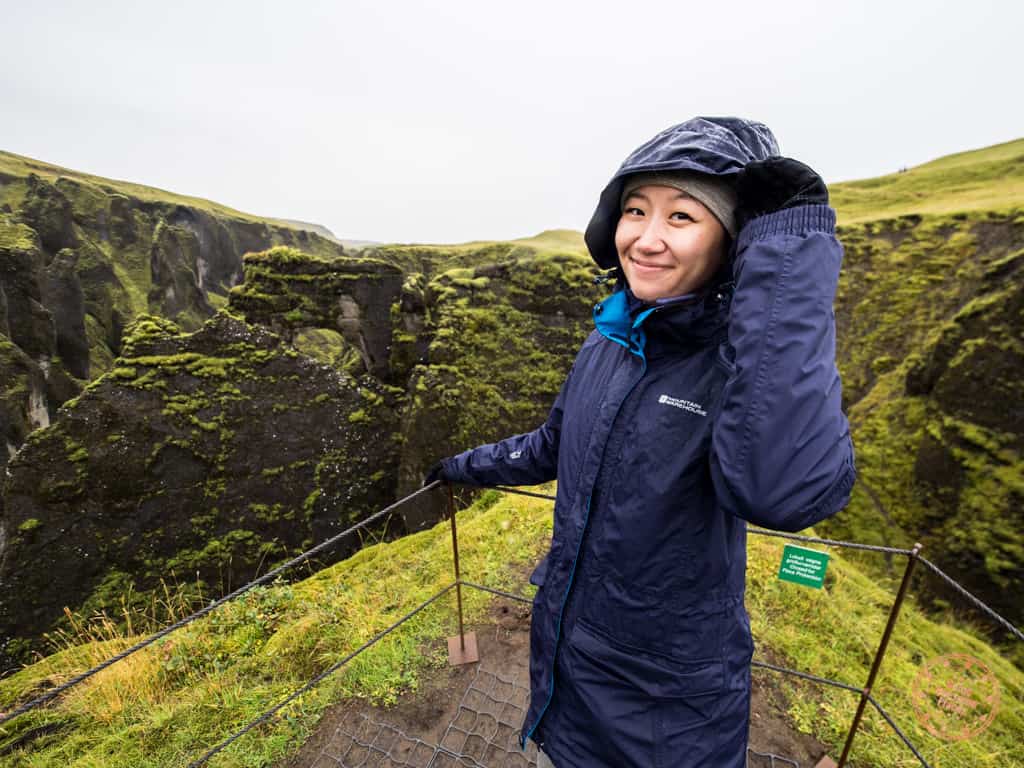
Due to how unpredictable Icelandic weather can be, the most important factor in deciding what to wear in Iceland is when you’re visiting.
Packing for Iceland in winter looks very different from packing for summer, and the shoulder seasons can be even trickier.
Below, you’ll find a seasonal breakdown of what to wear and exactly what to pack, including the essential layers, outerwear, footwear, and accessories you’ll need to stay warm, dry, and comfortable.
Keep reading to the end to find the more complete Iceland packing list with even more details of what we took with us on our trip.
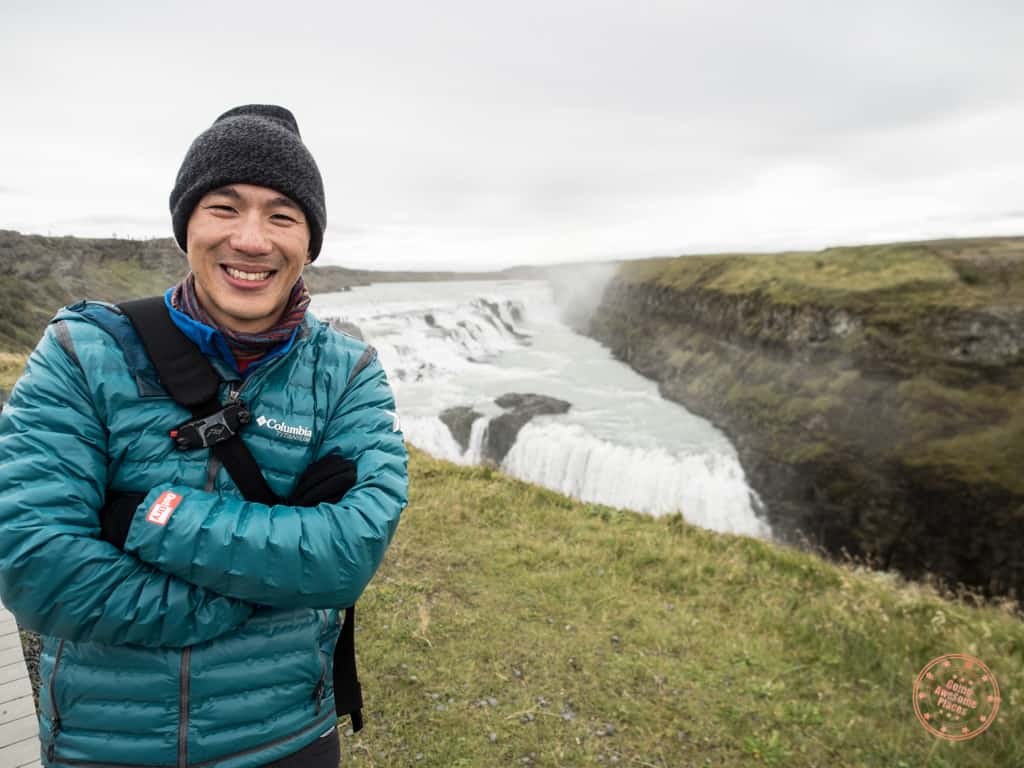 OutDry Ex Gold II down jacket that I wore in September and all of my layers
Iceland Weather: What Makes It So Different?
One of the biggest surprises about Iceland is how unpredictable the weather is.
It’s completely normal to experience sun, rain, wind, and even snow — sometimes all in the same day. On our 8 day Iceland road trip in September, we saw extreme rain, bright rainbows, strong sunshine, and even northern lights within hours of each other.
Iceland’s weather isn’t just seasonal, it’s dynamic. It also varies dramatically depending on where you are.
The south coast (around Reykjavik and Vik) tends to be:
- Wetter
- Windier
- Slightly milder in winter
Meanwhile, northern areas like Mývatn, Akureyri, and Hornstrandir can be:
- Colder
- Snowier in winter
- More stable but harsher
Temperatures in the north can be 10°C colder than the south on the same day. In general, the south coast tends to be windier, wetter, and warmer whereas the north gets much more snow in the winter.
Most of the climate references in this guide are based around Reykjavik and the south coast, since that’s where most travelers spend their time.
Planning A trip To Iceland?
Make sure to read our super guide to planning an Iceland itinerary including insider tips and things you just need to know before you go.
8 Day Iceland ItineraryIceland Summer Season
- Mid-June – August
Summer is a very popular time to go because this is when the climate is the fairest and more comfortable. This also coincides with Iceland’s high season as a result.
Not only do you have the benefit of nice weather, you also get the midnight sun where the sunlight never really fully disappears. As a result, you have a lot more hours in the day to explore the beauty of its outdoors.
The peak temperatures are in July when average highs can be 13°C (55°F) and lows at 11°C (52°F). That said, some days could spike to higher temperatures too for those momentary t-shirt weather days.
Something to be aware of is that in June and August, temperatures can drop to average lows of 5.5°C (42°F) as that chilled, cool air sweeps in.
Precipitation is also quite low with an average of 20mm. This means that you might experience very light rain but nothing heavy.
From a travel perspective, while summer comes with a ton of benefits, the disadvantages are that the peak tourist season will draw larger crowds, higher prices, and activities selling out. With the long days, it also means that there is no chance of seeing the northern lights.
If you think about it, Iceland’s summer season is more like spring weather for most people minus the rain.
What To Wear In The Summer In Iceland

These are the warmest and longest days of the year but is by no stretch of the imagination hot.
The beauty of summer in Iceland is that the entire island is open to you including the northern passage of the ring road through Akureyri and of course, Westfjords.
You’re going to hear this a lot but layers are truly your best friend. When you get active, you’ll be able to wear a t-shirt but when temperatures drop, you’ll be able to slip on additional layers to stay warm.
What To pack For Summer In Iceland
- Light layers – Bring a nice mix of t-shirts and thin long-sleeved shirts.
- Base layer – For those chilly breezes, cold nights, and up at higher altitude, a breathable layer (technical tee) like one by Smartwool. Ladies, think active thermal leggings as well!
- Warm sweater or hoodie – Something wool or fleece that you can throw in and have ready inside the car is quite valuable like this full zip for men and women.
- Light outdoor pants – You’ll be relying on these to power through all of the hiking you’ll be doing. Ideally these are breathable and quick dry. I recently discovered convertible pants that are for the ultimate adventurer.
- Shorts – You won’t use these as much as you think but bring a pair in case you get those really warm days.
- Swimsuit – You’ll need this for Blue Lagoon, and smaller hot springs.
- Lightweight waterproof jacket with hood – The keyword is waterproof as you won’t really want to be travelling with an umbrella for a trip like this. This is something you can throw in your backpack without taking too much space and you can take out if you need the extra warmth or protection from rain. For women, the Marmot Precip Eco Jacket is also very good thanks to its armpit zippers and packability.
- Insulated jacket – If you get cold easily, you may want to opt for a thicker jacket.
- Hiking boots – You’re going to be walking on all sorts of terrain in Iceland that can range from uneven gravel, mud, black sand, canyons, and mountainous inclines. Wear the Keen Targhee II for Men and Women is highly recommended.
- Hat or beanie/toque – While this might feel overkill for summer, the evenings will get chilly. This is also useful if you end up doing anything at higher altitudes, explore any caves/tunnels, or get hit with any extreme weather.
- Gloves – Like the above, these will keep your hands warm when the temperature drops at night.
If you are doing something like the Landmannalaugar trek or any sort of overnight camping, you should also look to pack:
- Long johns – We’d suggest a full merino base layer.
- Warm insulated jacket – Instead of just a waterproof shell, wear something like this Mountain Hardwear jacket.
Essential Apps To Travel Iceland
If you’re planning a trip to Iceland, don’t miss our guide to the 7 essential apps that make navigating the country easier. From offline maps and weather tracking to aurora forecasts and fuel station finders, these apps will save you time, money, and stress on the road.
7 Essential Apps for IcelandIceland Spring & Fall Season
- Mid-May – mid-June & September – mid-October
In traditional destinations, there’s a sizeable shoulder season. In Iceland, this is the smallest window that has its pros and cons.
As with most shoulder seasons, this is a blend of the best of both primary seasons – the crowds dwindle, prices drop back down, you still get good sunlight, and there are good chances of seeing the northern lights.
Now if you thought summer wasn’t that hot, you’ll find these months to be chilly by most standards. The average high is 11°C (50°F) and the average low dives down to 2.2°C (36°F). At this point in the year, it’s pretty rare for the temperature to exceed 15°C (59°F)
On the precipitation front, there’s chance of rain and possibly even some snow (in September). In Reykjavik, average rainfall is approximately 42mm in May which isn’t that much. September however brings in low-pressure systems that can cause strong winds and rain (up to 71mm). Resembling hurricane winds, you could see horizontal rain coming through.
Overall, the weather is subject to extreme change and is quite unpredictable so you have to be prepared.
What To Wear In The Shoulder Season
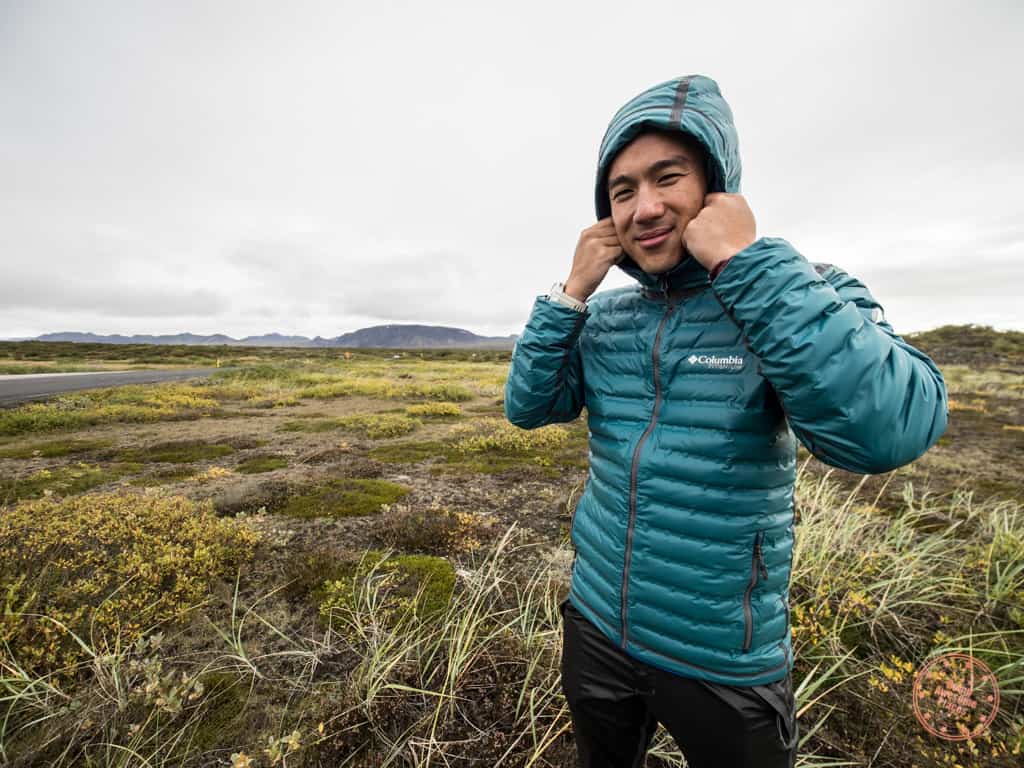 Waterproof jacket is a must
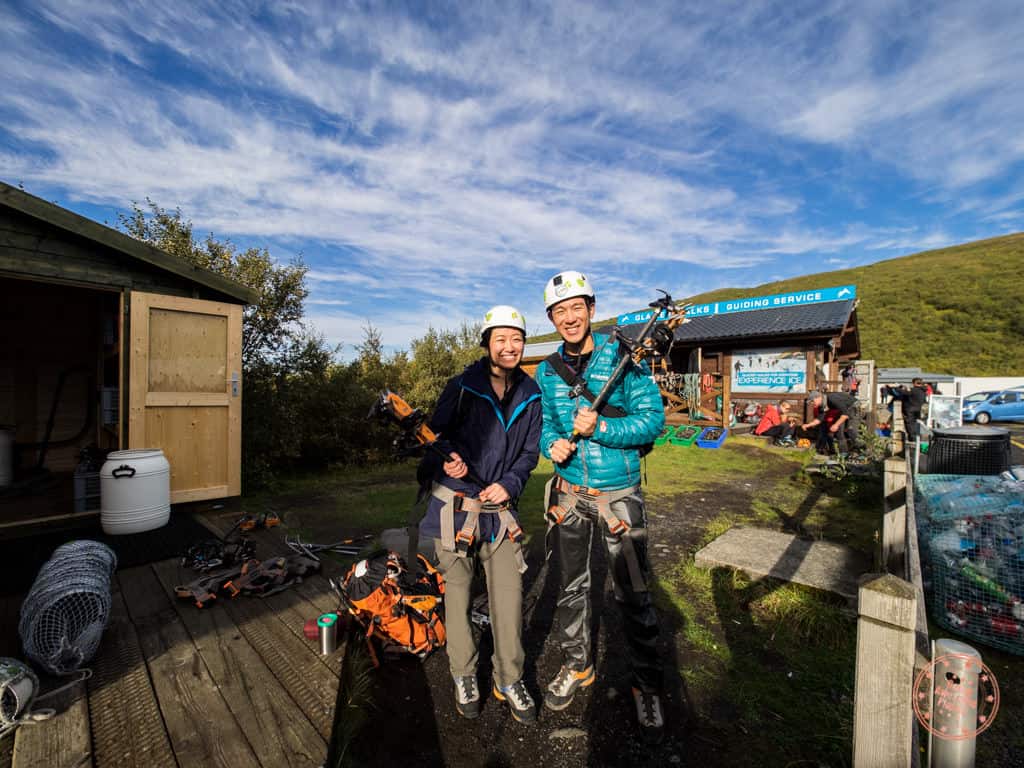
 A look at our inner layers
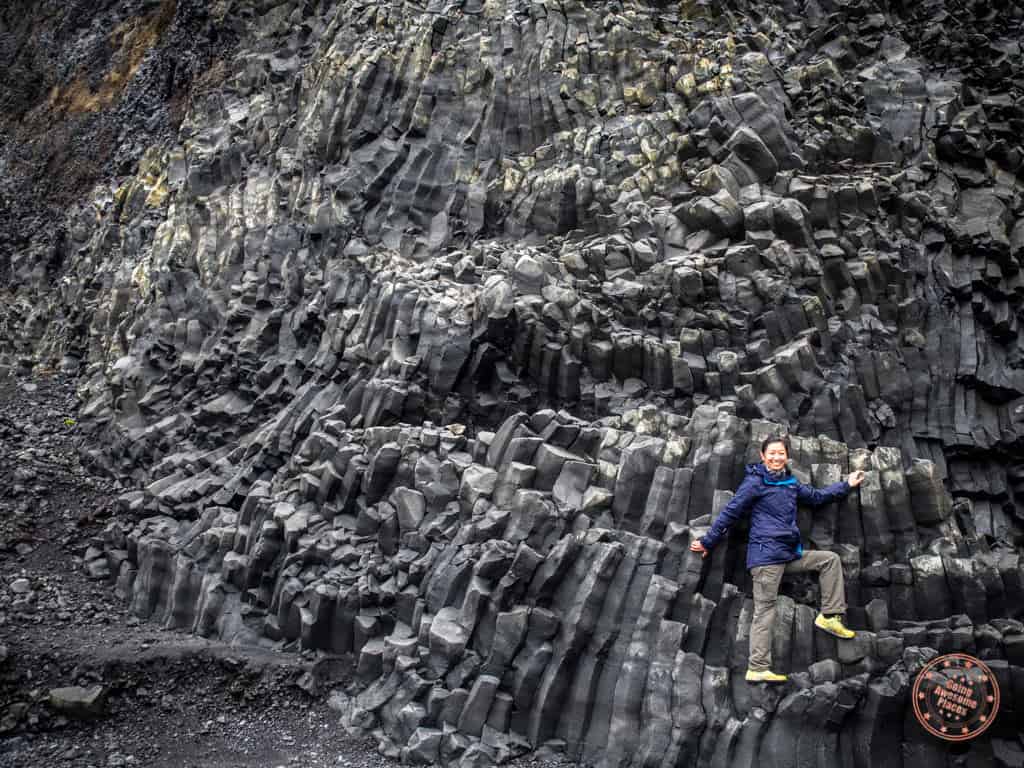 Chantelle’s set up
 The same waterproof look every day
 A look at what other people were wearing in September
Between winter and summer is a short shoulder season that brings in more volatile and changing weather conditions. In many ways, you need to be extra prepared during this time of the year when it comes to what to wear in Iceland.
What To Pack For Shoulder Season In Iceland
- Waterproof jacket – At the time, I wore an older version of the OutDry Ex Gold II Down Jacket which I still use today. It’s a superb down-insulated jacket that’s also waterproof.
- Layers – Beating a dead horse here but another reminder to have as many layer-able clothes as possible.
- Active pants – Having a good pair of hiking pants will be key.
- Waterproof pants – We experienced first-hand the intense rain that Iceland can pour. You 100% need to have waterproof pants (men/women) with you in case you need to power through crazy weather. For this season, these should be shells that you can slip on or off in the car.
- Waterproof gloves – This sounds like overkill, but wet and cold hands is not fun at all.
- BUFF – My go-to piece of travel gear is BUFF headwear. To find out why, make sure to read my full review of BUFF.
Most Popular Car Rental Company in Iceland
Blue Car Iceland is the most reputable brand in Iceland and we would definitely rent from them again. Book through our special link below to save 5% on your rental.
Iceland Winter Season
- Mid-October – mid-May
There’s something magical about visiting Iceland in the winter. Traditionally considered as the low season, you’ll be able to enjoy winter activities (such as these ice cave tours), hot springs, and brilliant displays of the aurora borealis.
The tradeoff of course is that these are the coldest months of the year, hovering around freezing. Gale force winds can blow through the island which feel very cold. Snow is also a factor, as well as rain.
From October to February, precipitation is at its highest, especially in the southern and western parts of the island.
In the coldest month of January, the average high is 2°C (36°F) and average low of -3°C (27°F). By the time April rolls around, temperatures increase to an average high of 5°C (41°F) and low of 0°C (32°F).
Daylight is also quite short in these months where you’ll have between 4 to 7 hours to work with in January. By May, this goes up to 20+ hours.
Typically, outside of the capital and the southwest region, roads will be closed and impassable unless you have a 4-wheel drive vehicle. Even then, maximum caution is required.
Thanks to the Gulf Stream, warm weather helps keep the lower latitudes of Iceland from getting too cold. In fact, in looking at the average temperatures, you could say that what we get in Toronto or even in New York City in the winter is often worse than in Reykjavik.
That said, the winter season in Iceland isn’t something you want to mess with as you could get rain, sleet, or snow. You’ll most likely want to stick around the southern regions and drive very carefully.
What To Wear In The Winter

The key to enjoying travelling to Iceland in the winter is to stay not only warm but also dry.
As you would’ve seen from the breakdown of the seasons, you’ll know that Iceland doesn’t often drop below freezing but you’ll be faced with rain, snow, and cool winds that’ll make it feel colder than you think.
Layers are your best friend again in this season. Start with a warm merino base layer and keep adding on warmer clothes to suit what you’re doing.
Being the winter, snow and ice are all around, so you’ll need the right footwear to make sure you have good traction and don’t have any accidents.
It’s also worth noting that not all bookable activities in Iceland come with all of the gear you need, so pack appropriately if you’re doing something like snowmobiling, whale watching, or ice carving.
It’s much better to be over-prepared in the winter because there will be limited (affordable) options if you don’t have enough to stay warm.
TIP: Layer with wool base layers and add waterproof and windproof top layers.
What To Pack For Winter In Iceland
- Insulated waterproof and windproof jacket – There’s a reason why Canada Goose parkas are used in the Arctic but for something more affordable, this Helly-Hansen or Columbia jacket.
- Thermal top – Smartwool makes a 250 crew base layer of 100% Merino Wool that will be an essential thermal base layer.
- Thermal underwear – A thicker Smartwool Merino 250 base layer is absolutely necessary.
- Fleece sweaters – Even better than fleece is a wool sweater. Icewear is a brand you’ll find in Iceland that makes extremely warm sweaters.
- Skiing/snowboarding pants – Dust off your winter sports gear with pants like this insulated snowboard pant.
- Wool socks – Where you’ll feel the cold the most is in your feet. This is why you’ll want several heavy Smartwool socks.
- Waterproof boots – The difference with summer is that you need a proper boot like the Sorel Caribou for men and Winter Carnival for women.
- Ice cleats – Also known as ice grips, these slip over your shoes and gives you extra traction on snow and ice.
- Waterproof gloves – You’ll need seriously warm and waterproof gloves in Iceland. I recommend these Gore-Tex gloves by Burton (men/women). That said, keep a touchscreen friendly pair of gloves as well if you’ll be using the phone a lot or shooting northern lights at night.
- Neck gaiter – Instead of a traditional scarf, you need a polar BUFF.
- Beanie/toque – There are a ton of beanies/toques out there. Just find the one that you like and keeps you warm.
- Swimsuit – You’ll need this for Blue Lagoon, and smaller hot springs.
- Extra shoes – With all of the mud and melting snow on your boots, it’s a good idea to have an extra set to change into for your hotel or just as a back up.
- Casual clothes – Now this will be different for everyone but it’s a good idea to pack one set of clothes that you can wear at a restaurant or partying in Reykjavik.
TIP: Something that’s also worth noting is that car rentals don’t include ice scrapers or brushes. While not something you wear, it’s a good idea to pack a small ice-scraper and foldable shovel.
Top Things To Do In Iceland
Iceland feels like another planet — where waterfalls thunder beside the road, glaciers stretch to the horizon, and the Northern Lights dance overhead. Discover the absolute must-see sights and unforgettable experiences in our guide to the top things to do in Iceland, so you don’t miss a single highlight.
Top 12 Things You Absolutely Must Do In IcelandOur Tried & Tested Iceland Packing List

There’s what to wear in Iceland and then there’s everything else that accompanies the inner and outer wear. This packing list is less focused on the seasons and more on the gear you need to think about that applies all-year-round.
When you’re exploring a country that boasts geysers, waterfalls, lava fields, canyons, icebergs, and volcanoes, as we’ve stressed all along, you want to be super prepared.
In the “land of fire and ice,” you’ll spend some time in the capital Reykjavik, but the rest of the time will be on the road, which means you can’t easily buy something if you happened to forget.
Find Your Hotel In Reykjavik
Trying to keep costs down in Iceland? Read our guide to the best budget-friendly hotels in Reykjavik to find comfortable, well-located stays that won’t break the bank.
Top 5 Hotels in Reykjavik On A Budget In IcelandLuggage & Packing Essentials
- Suitcase or backpack?

This is largely to personal preference. Since you’ll be renting a car in Iceland, you’ll have the luxury of trunk space so there’s no wrong answer.
The deciding factor may be the check-in luggage limitations of the airline you’re flying with and whether you’ll be doing any multi-day trekking such as the Laugavegurinn hike.
If you’re able to travel light, we recommend a spacious carry-on like Samsonite’s Tru-Frame which has built-in TSA combination locks. Their equivalent Tru-Frame medium check-in is also good if you’re packing more.
What you need on top of your suitcase is a good day pack to carry all of your camera gear, water, snacks, and other on-the-go things. For that, Peak Design’s Travel Backpack is my go-to. Otherwise, the Everyday Backpack 30L is excellent if you’re looking for something a tad smaller.
READ FIRST
Rent A Car In Iceland
We have a full guide on how to rent a car in Iceland including secret car rental coupon codes.
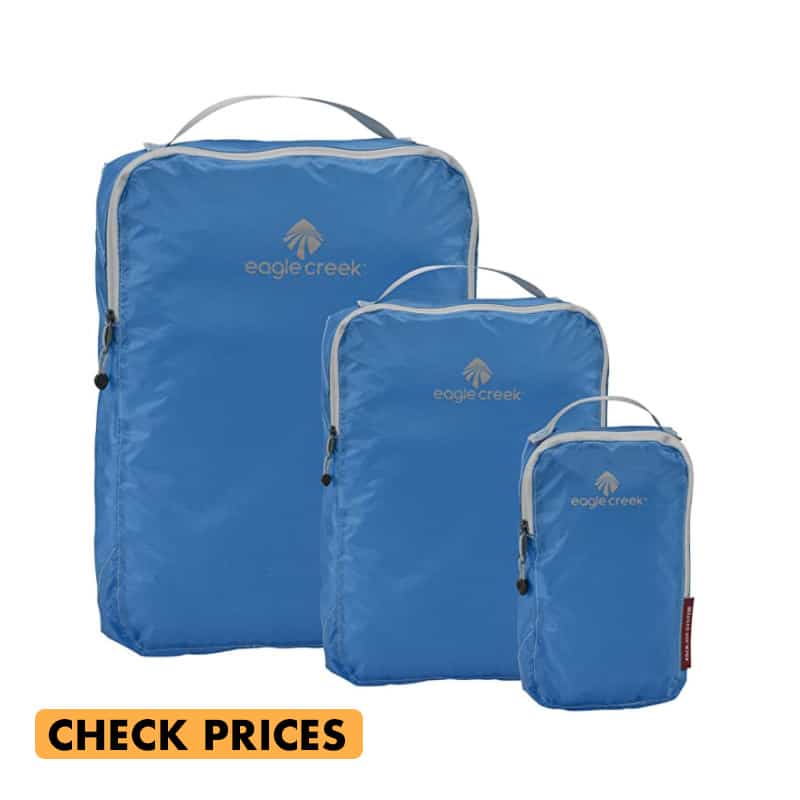
Where and How To Rent a Car in Iceland with Coupon Codes- Packing cubes
- Rain cover for your backpack

This one is probably the easiest one to forget in your quest to weatherproof everything. Ironically, this is one of the most important things to protect from the rain because that’s where your camera and other tech gear is.
Buy the right size rain cover for your backpack.
Tools & Gadgets For The Road
- Headlamp

You don’t want to be stuck outside in the dark watching the northern lights and then clumsily holding your phone trying to make it back to your B&B or car. We found this also very helpful when we stayed at the Bubble Hotel. Make sure to pack a durable and insanely bright headlamp like the Fenix HM65R which we review.
If you’re visiting in the winter, this is an absolute must because you’ll be working with near darkness for majority of the day.
- USB car charger

You’ll be spending a lot of time in your car and as much as having a power bank is useful, a USB car charger with dual ports that are capable of quick charge is actually even more important.
Since practically everything can be charged via USB, you’ll be able to charge not only your phones but also your camera, drone, and wifi hotspot such as Skyroam.
You’ll be spending a lot of time in your car and as much as having a power bank is useful, a USB car charger with dual ports that are capable of quick charge is actually even more important.
Since practically everything can be charged via USB, you’ll be able to charge not only your phones but also your camera, drone, and wifi hotspot such as Skyroam.
- Iceland power adapter

Iceland uses the standard two-prong European outlet. As a result, make sure you have the right adapter or one of those universal plug adapters for your devices which you’ll be able to use at your hotel or B&B.
Buy either a few of these to make sure you can charge multiple devices or get a travel power bar.
- Camera

The scenery in Iceland is stunning and absolutely deserves to be captured. Some of you will be fine to use your smartphone while others will want to capture the experience on the GoPro Hero 9, or a camera system like the one I use which is the Olympus micro four-thirds (mirrorless).
I currently shoot with the Olympus OM-D EM-1 Mark 3 with the Panasonic 10-25mm being my workhorse for both photo and video.
For those that use a GoPro, think ahead about the type of mounts you’ll want to use for activities like Snorkeling Silfra or Ice Climbing.
If you plan on shooting any milky waterfalls or the northern lights, a tripod is a must. For that, we recommend the Peak Design Travel Tripod in carbon fiber.
Read next: Learn how to shoot the northern lights with your camera before you go.
- Drone

Swim & Relax

- Swimsuit and towel
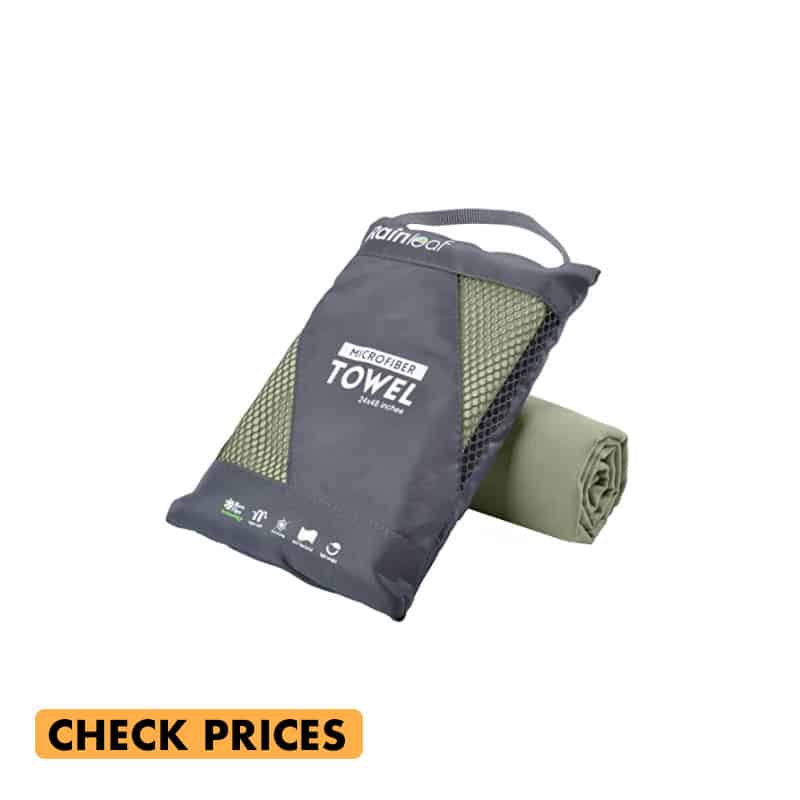
TIP: The basic package at Blue Lagoon comes with a towel if that’s the only hot spring you visit.
- Flip flops

Going along with the above, having flip flops or sandals that you can use at these hot springs comes in handy in the change room and outside, so you don’t have to walk bare feet.
Read my full review of Rainbow flip flops and why they’re the best. They’re a bit trickier to get outside of the US so Amazon is going to be your best bet.
Sun & Skin Protection
- Sunglasses

You’ll regret it if you forget to bring your sunglasses because the sun can be pretty strong when it’s out. My go-to sunglasses are all by Maui Jim these days. I’m currently rocking the Chee Hoo.
Why Maui Jim opposed to some of the other bigger brands like Oakley, Ray-Ban, and Persol? Our friends that are optometrists have said that industry-wide, everyone knows that Maui Jim makes the best polarized lenses on the market.
- Sunscreen

While the temperatures might be cold, that doesn’t mean the UV rays aren’t penetrating. Make sure you have sunscreen for your face to make sure you’re protected.
Our go-to is Sun Bum 50SPF which we’ve adopted since learning about reef-friendly sunscreen.
- Chapstick and moisturizer
Iceland can get pretty dry and depending on how sensitive your skin is, you will start to feel it almost immediately upon landing. Burt’s Bees is our go-to.
Clothing Basics
- Moisture wicking underwear
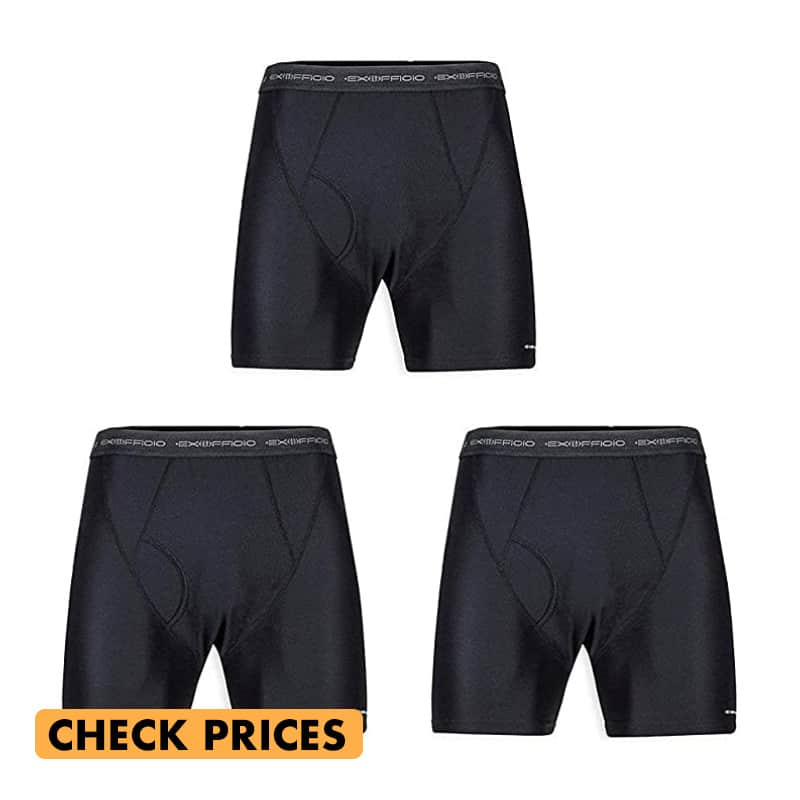
For men and women we swear by ExOfficio. We’ve said in our review of ExOfficio underwear that it’s the only kind you’ll need when you travel. They are moisture wicking, odour-resistant, quick to dry, lightweight, and most importantly, comfortable.
For what to wear in Iceland, this should be in everyone’s suitcase and hand wash them along the way.
Safety & Peace Of Mind
- Travel insurance for Iceland

Don’t travel to Iceland without any travel insurance. This is one of those places in the world where because of the remote nature of the destination and the type of activities you’ll be doing, you really want to make sure you have the right coverage around adventure activities and medical evacuation as well.
We get it though, travel insurance is complicated and they don’t make it easy to figure out what you actually need. That’s why we put together an article on where and how to buy travel insurance.
If you’re too lazy to read it all, the gist of it is that World Nomads is going to be your best bet if you’re looking to do any adventure activities because their range of sports covered is so vast. You’ll then want to top up your insurance with something like MedJet. Lastly, don’t discount the travel insurance that comes with your credit card but make sure you read through what’s covered.
Read next: Find out which are the best Canadian credit cards for travel hackers.
Optional Extras
Thinking about some of the things we packed for our trip and all the various seasons, here are a couple things that you might want to consider!
- Snacks
We’re not going to lie; everything is expensive in Iceland including food and groceries. If you’re cost-conscious, we highly recommend that you load up all the extra space in your suitcase and backpack with snacks from home. This can be anything from trail mix, granola bars, and chocolate.
- Hand and toe warmers

We’ve had varied success with these, but when things get really cold, they will give you that extra oomph of warmth you need. Simply stuff HotHands in an inner jacket pocket for body warmth or right into your glove. They also have HotHands toe warmers which did come in handy for Carnival in Quebec City.
- Sleeping mask

In the summer, it never gets fully dark. Without blackout shades, it might feel like you’re sleeping in dalight.
If you know this will be a problem, make sure to pack one like this Sea to Summit mask.
- Reusable bags and Ziploc
The best way to save money on food as we cover in our Iceland itinerary and guide is to buy your own groceries at the discount store, Bonus (just look for the pink piggy). Bags cost extra here so do the environment and your wallet a favor here.
Ziploc bags can be handy for when you make your own sandwiches. Pack a few of these from home in case you need them.
What Not To Pack For Iceland
Perhaps an easier approach to building an Iceland packing list is to break down things you should leave at home.
- Pack light: Overall, it’s always an advantage to bring less. Sure, you’ll have the advantage of a car as you explore Iceland but since yo’ll be likely on the move a lot, you’ll want the exercise of unpacking and re-packing into the car to be as simple as possible. Also, with all of the rugged outdoor things you’ll be doing, you can easily get away with wearing the same few layers over many days.
- Jewelry: Not that there’s a problem with theft here, this is less of a posh city experience and more of a trip where you’ll be either in the car driving or out hiking and facing the elements. My wife opted for basic jewelry and make up for this trip so leave the expensive things at home.
- Cash: Iceland is a credit-card friendly country. If you feel nervous about this, you can withdraw ISK in Reykjavik at the beginning of your trip (10,000 ISK at most) but there’s no need to do this beforehand.
- Umbrella: If you have the appropriate waterproof gear, there’s really no need to bring an umbrella which is really not useful with sideways windy rain and when you’re hiking.
Curious what Icelandic souvenirs you should buy before you head home? Read this post!
Icelandic Souvenirs You Can’t Forget To BuyFinal Thoughts On What To Wear In Iceland
Epic glacier hiking and ice climbing experienceHopefully we haven’t freaked you out but our aim for this piece was to really inform you on all the things we wish we knew in terms of what to wear in Iceland before we went.
Don’t make the same mistake we made where my wife literally had to fashion a waterproof skirt by cutting a clear plastic bag. The rain was that crazy in September!
This isn’t like your average trip to Europe so forget about being fashionable.
Be super prepared with lots of warm layers and full waterproofing.
Counter all of those thick layers by packing fewer multiples of each thing because you know a ton of those mid layers can be worn multiple times and hand wash your clothes along the way.
Frequently Asked Questions
Do I need to pack waterproof clothes?
Yes, you absolutely need waterproof clothes no matter what season you’re there. Weather in Iceland can change on a dime so be prepared and have these ready in case it does literally go sideways.
If I need to buy clothes in Iceland, where should I go?
A popular clothing store you might see around the island is 66 North. This is where locals shop and your best bet for outdoor gear.
Does it get hot in Iceland?
The short answer is no. Even at the peak of summer, average highs will be 13°C (55°F). While you might be able to pull off a t-shirt when exerting a lot of energy outdoors, you’ll still want to make sure you have a ton of layers to keep you warm.
Should I wear jeans to Iceland?
This is not recommended as they’re not great as activewear, are terrible in wet weather, and take up a lot of space.
When is the best time of year to visit Iceland?
Summer (mid-June to August) is always a great time to go because of the warmer weather, easy access to the entire island, and midnight sun but I say September to early October is a great time to go because it’s not quite winter yet, prices are lower, there are less crowds, and you have a chance to see the northern lights.
Can I see the northern lights in the summer?
No, you won’t be able to see the northern lights in the summer because the sky never gets fully dark because of the long days
What kind of shoes do I need for Iceland?
With Iceland’s rugged terrain, you’ll want a solid pair of waterproof hiking shoes with good traction and is something you’ve broken in as well. In the winter, upgrade these to waterproof hiking boots for additional warmth.
Do I need to pack my swimsuit for Iceland?
If you plan on going to any of the hot springs in Iceland such as Blue Lagoon, make sure you pack a swimsuit. A quick-dry towel is also handy for the smaller hot springs such as Secret Lagoon and Seljavallalaug Pool. Some hotels and B&Bs have hot tubs too!
How do locals dress in Iceland?
They’re quite the fashionable bunch and closely resembles other Nordic countries. In Reykjavik, locals dress smartly with a smart jacket, jeans, and sneakers. However, once you’re outside the capital, you’re usually looking at wool sweaters, brightly coloured weatherproof jackets, and hiking boots.
How cold does it get in Iceland?
The coldest month of January has an average low of average low of -3°C (27°F). This may not sound incredibly cold but it is thanks to the wind chill factor where it could feel like -20°C (-4°F). However, you will be probably surprised to hear that for the most part, Iceland hovers just above freezing in the winter.
Travel Resources For Your Next Trip
If you’re in the process of planning your trip and putting together your itinerary, these are genuinely the best resources that the Going Awesome Places team stands by 100%.
Credit Cards
Don’t get burned by hidden fees on top of terrible exchange rates. When we travel now, we use the Wise Card. Simply load it with the currency you need before you go and use it as a regular VISA or their digital wallet card. Use their free app to track how much you have and top up when you need to.
Flights
In our opinion, of all the booking search engines, Skyscanner is the most helpful and easy to use thanks to their Everywhere feature. Kayak is also another that’s we will often check.
Rideshare
You probably already have accounts but if you don’t, for new Lyft users, use code WILLIAM4825 to get 50% off your first 2 rides (max $10 per ride). Offer valid for 14 days after you take your first ride. For new Uber users, use code cbh4j6plxt8p for the same offer except it’s valid for 30 days.
Wifi Hotspot
We’ve been a huge fan of wifi hotspot devices such as PokeFi (use code GAP24300) because their rates are are hard to beat and it works globally. Solis is another that we recommend. Pros are that you can share the wifi with your whole group but cons are that you have to invest in a device and you have to charge it every night.
Hotels
Our go-to is Booking.com because they have the best inventory of properties including hotels and B&Bs plus they have their Genius tier discounts. Expedia is also worth using especially with their One Key rewards program which is basically like cash. The exception is Asia where Agoda always has the best prices. Always do a quick check on TripAdvisor as well.
Tours and Activities
When planning our trips, we always check both Viator and GetYourGuide to at least see what’s out there in the destination that we’re going to. They often have different offerings and prices so check both.
Travel Insurance
Learn how to buy the best travel insurance for you. This isn’t something you want to travel without.
- HeyMondo – Popular insurance provider for frequent travelers and comes with great coverage and special perks. By booking through our link to get a 5% discount!
- RATESDOTCA – Search engine Canadians looking for the cheapest insurance including multi-trip annual policies.
- SafetyWing – A perfect fit for long-term nomads.
- Medjet – Global air medical transportation.
- InsureMyTrip – Best for seniors, families, and those with pre-existing conditions.
Check Out Our Toolbox
If you need more help planning your trip, make sure to check out our Travel Toolbox where we highlight all of the gear, resources, and tools we use when traveling.











 English (US) ·