
 1 month ago
32
1 month ago
32
The Stubai Valley is only a bus ride from Innsbruck but it is a journey into another world. A world where the traditions of the Tyrol thrive amongst the pretty Alpine villages strung along the floor of this valley. A valley that is a haven for lovers of winter activities.
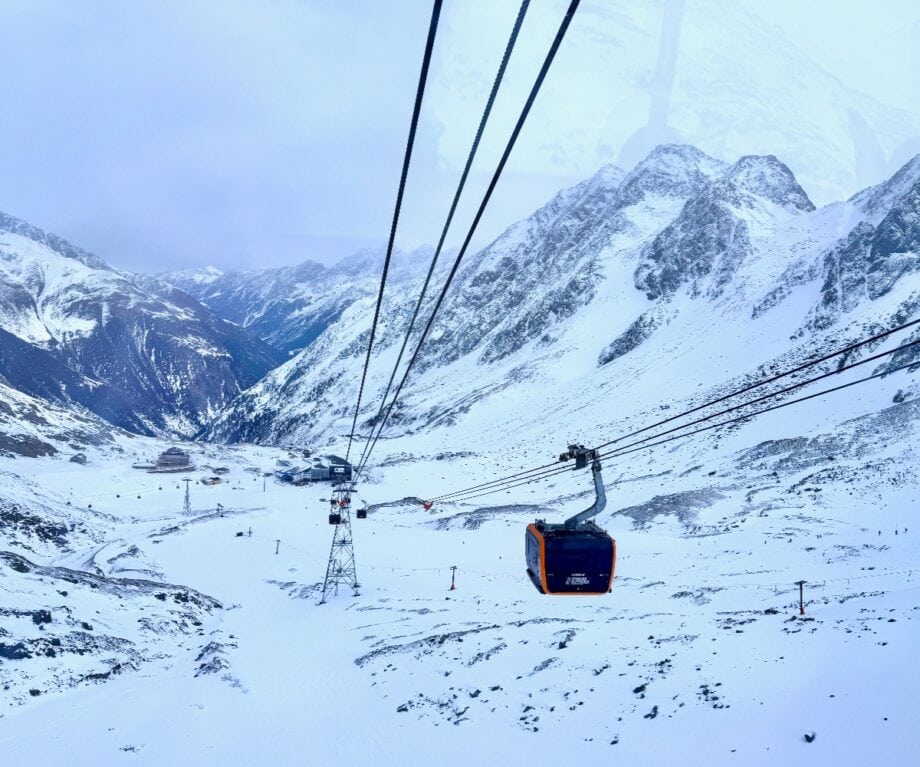
The Stubai Valley
Since the Romans established a trade route along the Stubai Valley, and through the Brenner pass Emperor Maximilian, metal workers, pilgrims, spa visitors and walkers have made their way into the valley. Ease of passage was greatly increased by the establishment of the Stubai Valley Railway, the Stubaitalbahn in 1904. This eighteen kilometre scenic route connecting Fulpmes with Innsbruck is still popular today. The railway brought more visitors to the Stubai Valley that was already becoming known as a popular summer destination. By the mid-nineteenth century the Austrian Alpine Club had begun training locals as porters and mountain guides, building huts and creating trails. As the infrastructure improved the valley attracted more visitors but it was not until 1960 that ski tourism began to develop with the construction of a ski lift in Fulpmes.
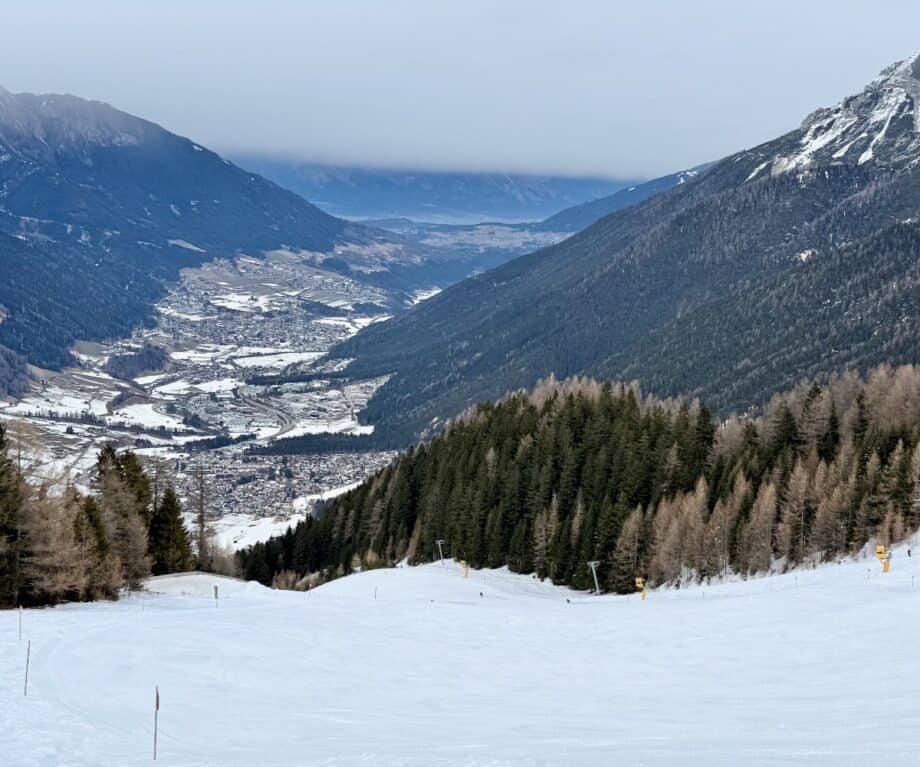
Fulpmes and the Schlick 2000 ski area
Since the fourteenth century Fulpmes has been associated with a metal industry. Not so much metal mining as there were only small deposits of iron ore here that were soon exhausted. But the making of metal items – a tradition that continues to this day. Production over the centuries has included tools, tower clocks and, more recently, mountain sports equipment. The Fulpmes Smith Museum (Schmiedemuseum) tells the story of the Stubai Tool Industry. It is housed in a former smithy – one of the 45 forge huts that once existed along the Schlickerbach stream. Another, equally fascinating museum in the centre of Fulpmes is the Crib Museum (Krippenmuseum) housed in the 500-year-old Platzwirt-Haus. Fulpmes has been known as the Crib Village since 1909 and the museum relates the history and explores the construction techniques of the Christmas crib. Today Fulpmes is better known as the base of the Schlick 2000 ski area, one of the most popular ski areas around Innsbruck with very snow secure conditions.
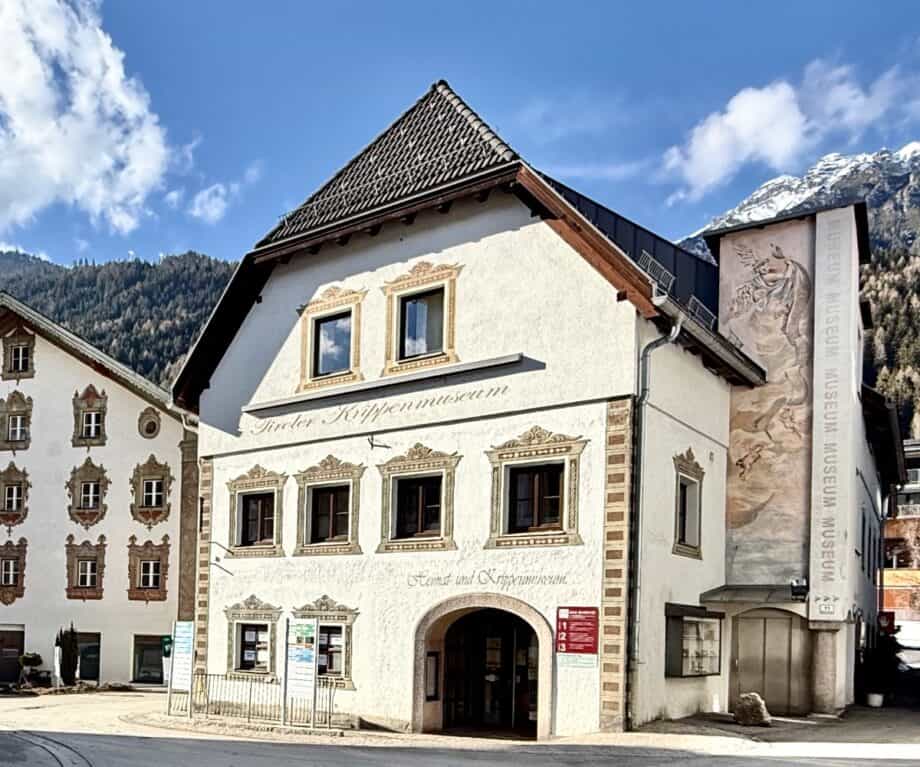
The Tiroler Krippenmuseum in Fulpmes, Stubai Valley
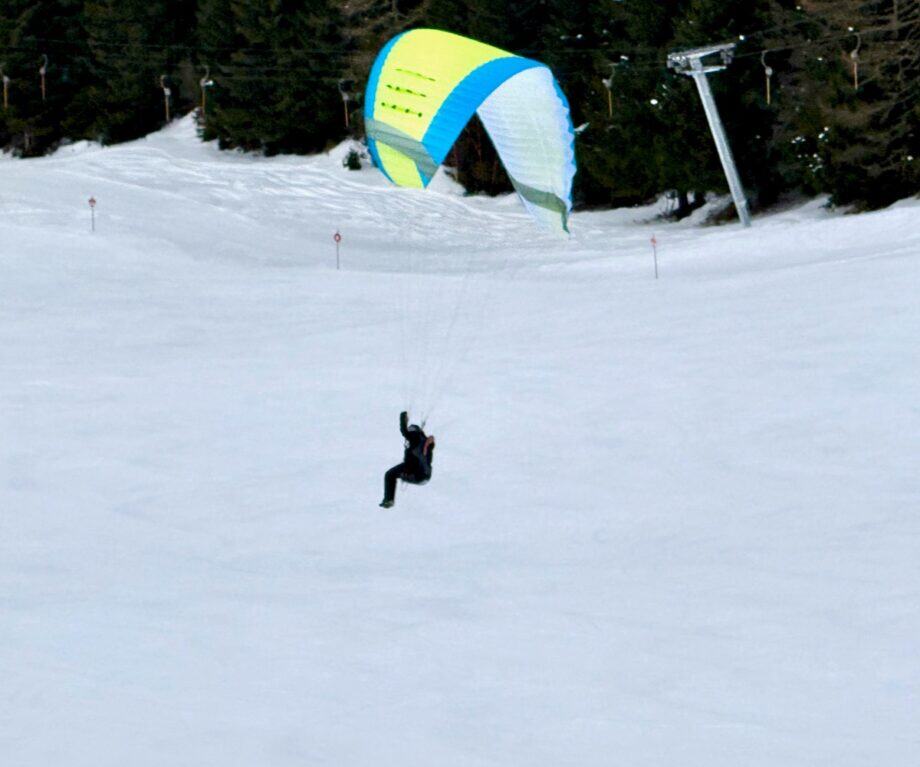
The opening of a single-chair lift from Fulpmes to the Froneben in 1960 created great excitement and long queues. One user reports “if someone lost their balance it was just bad luck”. Chairlifts and drag lifts followed by it was not until 1973 when the double chair from Froneben to the Kreuzjoch was built that the ski area became accessible right to the top. Prior to that skiers were crammed in to off-road vehicles to be transported between lifts. In 1977 the panoramic restaurant was inaugurated at the Kreuzjoch which was to become the heart of Schlick. The recently refurbished Kreuzjoch Panoramic restaurant offers delicious traditional food and wonderful views. Today, a modern gondola whisks skiers from the modern valley base, via a mid-station, up to Kreuzjoch. In total Schlick 2000 boasts 25 km of varied pistes on north facing slopes which, with good snow-making facilities are very snow sure. It is a fun place for skiers of all levels and good for families. Other activities include a toboggan run (only on Wednesdays and only at night) and paragliding. Where else might you get a tap on the shoulder and an invitation to float in tandem down to the valley (charges apply)? But Elferbahnen, the ski area above the village of Neustift is considered to be the centre of paragliding in the Stubai Valley.
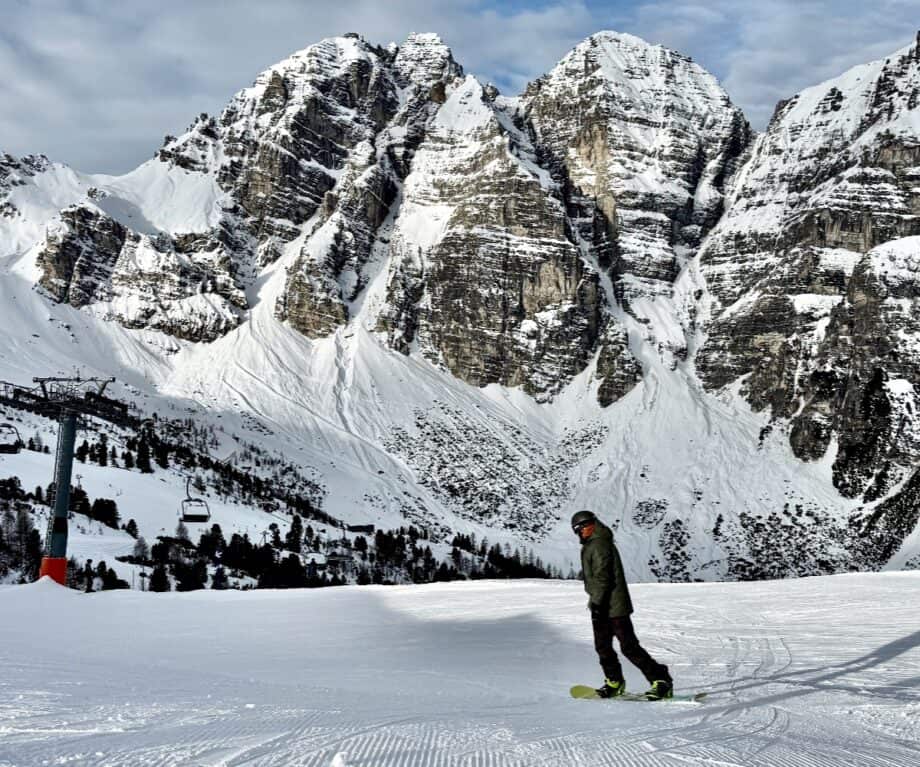
Schlick 2000 Ski Area in the Stubai Valley
Neustift and the Elferbahnen ski area
Neustift, like Fulpmes, is a traditional Tyrolean village in the Stubai Valley. And it is also easily accessible from Innsbruck but, for some, these villages may have greater appeal as a base for skiing in the Stubai Valley. Both ski areas are included in the Innsbruck Ski plus City pass but the Stubai Valley also has its own ski passes which include free use of the ski buses. Neustift, like all the villages along the Stubai Valley clusters around a magnificent church. These churches are the work of clergyman and church designer Franz de Paula Penz and were built during the eighteenth century. The Rococo Church of St George in Neustift is the second largest village church in Tyrol (Zirl Parish Church is the largest). The simplicity of the exterior belies the magnificent Baroque interior. The small Elferbahnen ski area above Neustift is accessed by the Elferlifte gondola, a short distance from the village centre.
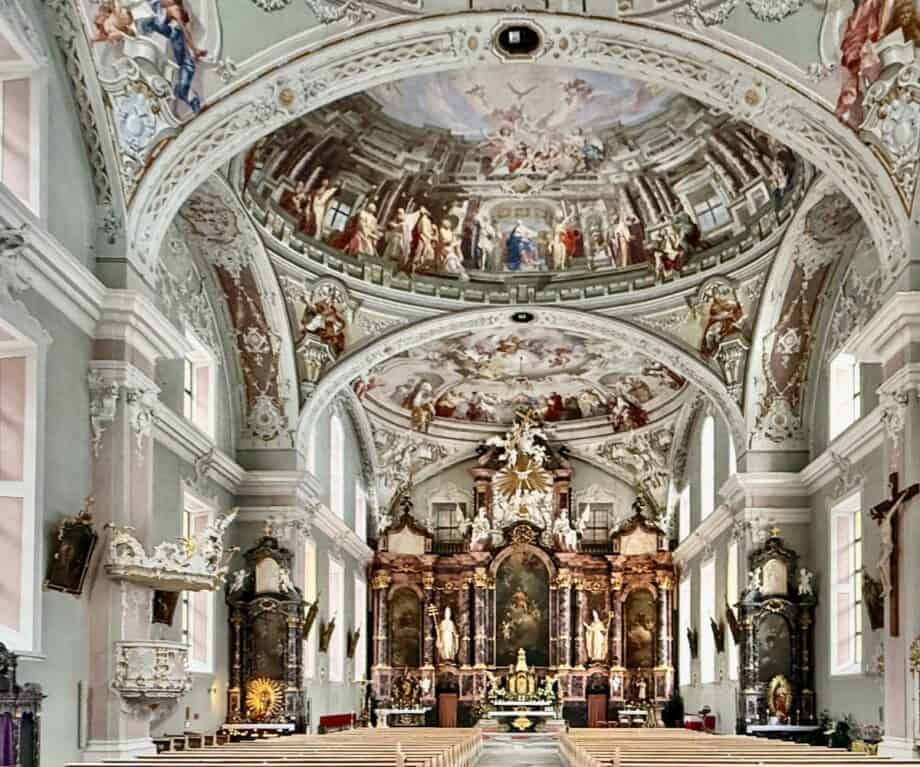
Inside the Church of St Georg in Neustift, Stubai
Skiing began on Elfer in 1964 when the first ski lift, a T’bar, began operating. Since then, this ski area has evolved to become a popular centre for winter sports with locals and visitors alike. The gondola lift makes it accessible to all offering breath-taking views and a walk-in sundial at the top. Three of the ten toboggan runs (rodelbahn) in the Stubai Valley run from the top. Some of the toboggan runs are floodlight and open times are divided between Neustift, Mieders, Schönberg and Schlick 2000. The other resort that has three toboggan runs is Serlesbahnen which, like Elferbahnen has steep descents down to the valley and practice slopes at the top. Deeper into the Stubai Valley is the most magical of its ski areas, the Stubai Glacier.
Everything you need to plan your trip in 2026
The Stubai Glacier
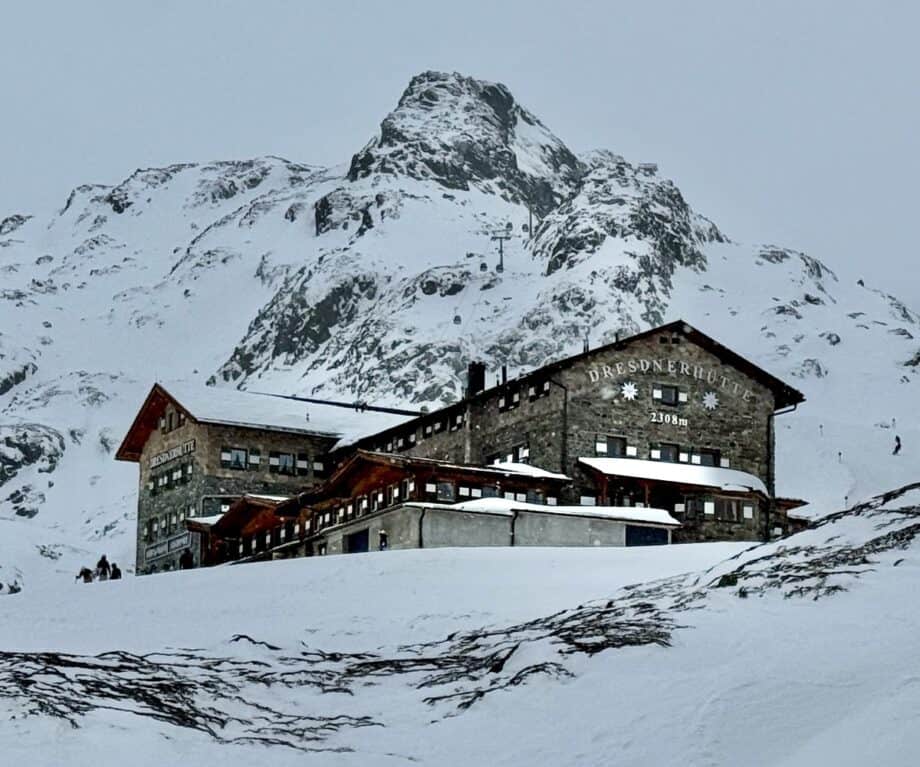
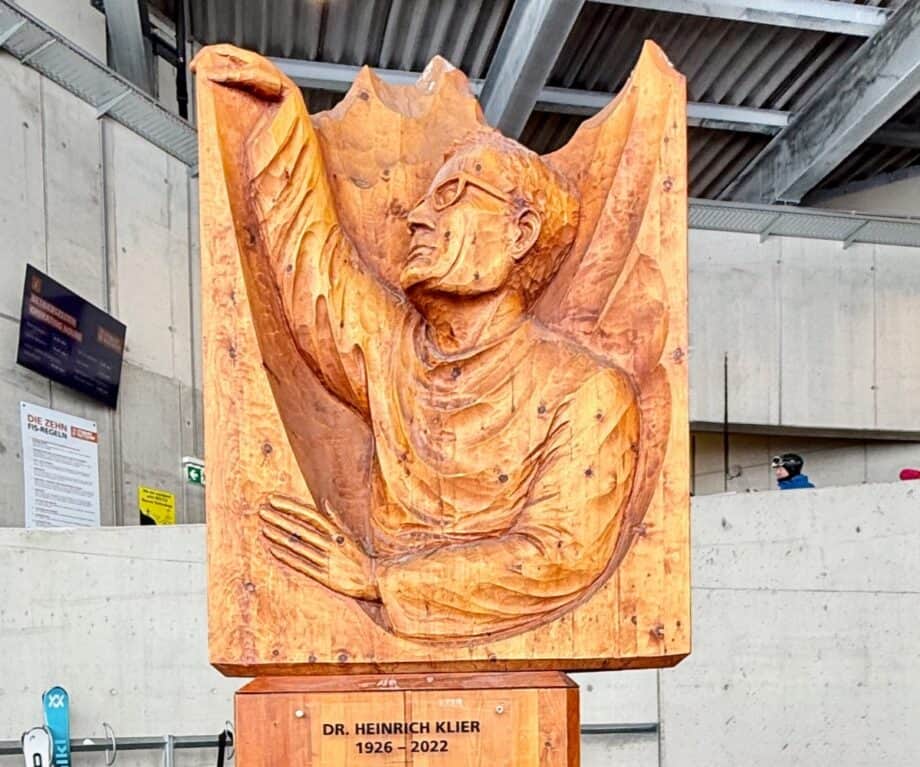
As the rest of the Stubai Valley was awakening to the opportunities for winter sports tourism the barren Stubai Glacier lay dormant during the winter months. It was thanks to the vision of one man, Dr. Heinrich Klier, that the potential of the glacier for winter sports has been developed. It was a huge project. Klier had already founded the Wintersport Tirol AG when he began the task of gathering together friendly investors who believed he could develop a barren area into a popular winter sports resort. In 1973 the first section of the Eisgratbahn began carrying visitors into the glacier. The top of this first section is very close to the Dresdner Hütte. This hut was the first to be built in the glacier in 1875. Since then, it has been extended and renovated offering accommodation to visitors all year round.
Klier did not concentrate solely on developing the glacier he also recognised the need for 4-star hotels, restaurants and sports shops in both the Stubai Valley and Innsbruck. His achievements were recognised by a statue at the top station of the Eisgratbahn on the Stubai Glacier.
Today two cable cars run from the valley to the highest point of the glacier over 3,000 metres above sea level. At the top a long, metal staircase leads to the Schaufeljoch viewing platform offering views on both sides of the mountain. The Schaufeljoch Chapel was built here in 2012 in memory of the comrades of Dr Heinrich Klier. Made of raw concrete and steel it was placed here in the middle of the busy ski area offering a space for remembrance and quiet contemplation. Across the glacier there is a good variety of runs for skiers of all abilities, some excellent free riding (best done with a local guide) and a lovely beginners’ area featuring three magic carpets and an easy run with a drag lift. Snowboarders can hone their skills in the Snowpark Stubai Zoo at Gaiskarferner and there is a twenty-meter ice tower for climbing enthusiasts.
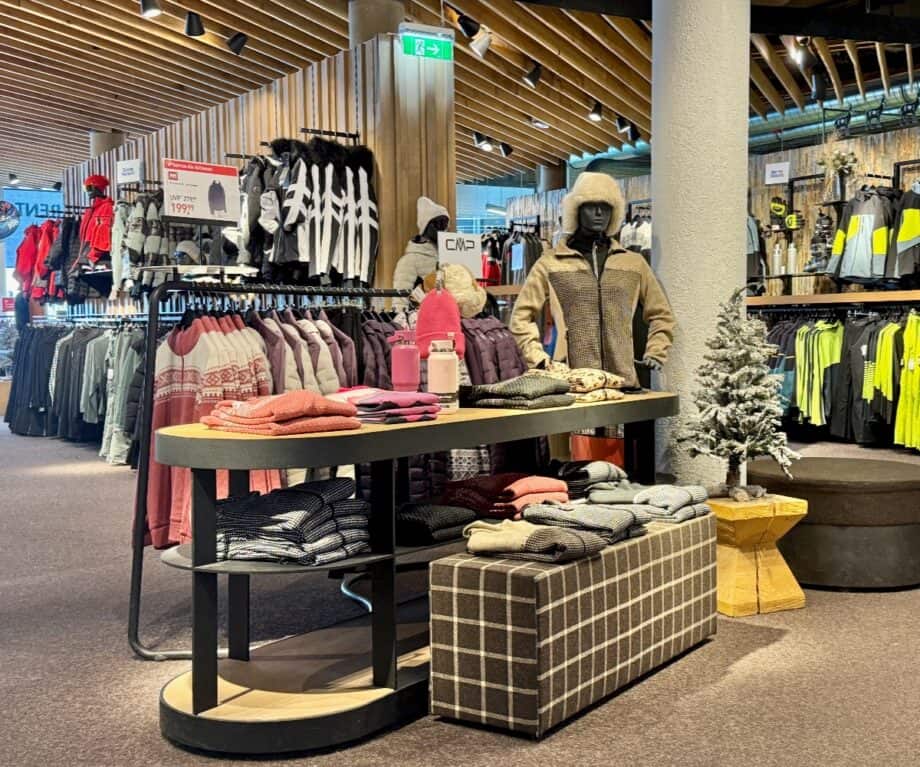
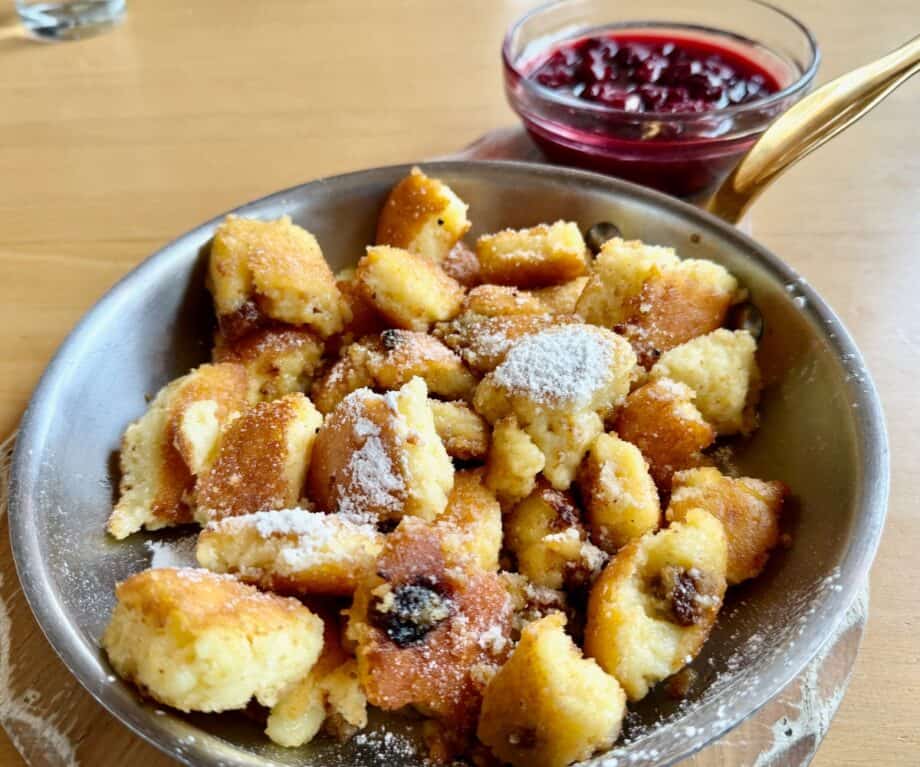
A visit to the Stubai Valley is not just a winter sports adventure but a true Tyrolean experience. The warmth of its culture will wrap itself around you as you relax in one of the many mountain restaurants offering traditional cuisine.
Click here for more information about the Stubai Valley and here for more information about the Ski plus City Stubai Innsbruck Pass.

Valery Collins
Valery Collins is a travel writer from south-west England, UK. Her passion for travel covers everything from luxury safaris to sylish ski goggles. A keen photographer Valery uses her own images to ullustrate her writing and social media posts.
Did you enjoy this article?
Receive similar content direct to your inbox.











 English (US) ·