
 1 month ago
40
1 month ago
40
The start of a new year typically brings reflection on how time and money are spent.
For travel lovers, that reflection usually leads back to the same question. How can trips feel more rewarding without becoming more stressful or expensive?
Findings from Expedia’s Unpack ’26: The Trends in Travel report point to a shift in traveler priorities and planning behaviors. Many travelers are now placing more emphasis on timing, destination choice, and trip structure, rather than on quick trips to check destinations off a list.
Here are ten New Year’s travel resolutions to help you focus on more thoughtful planning, better experiences, and memory-making in 2026.
1. Travel with a Clear Budget
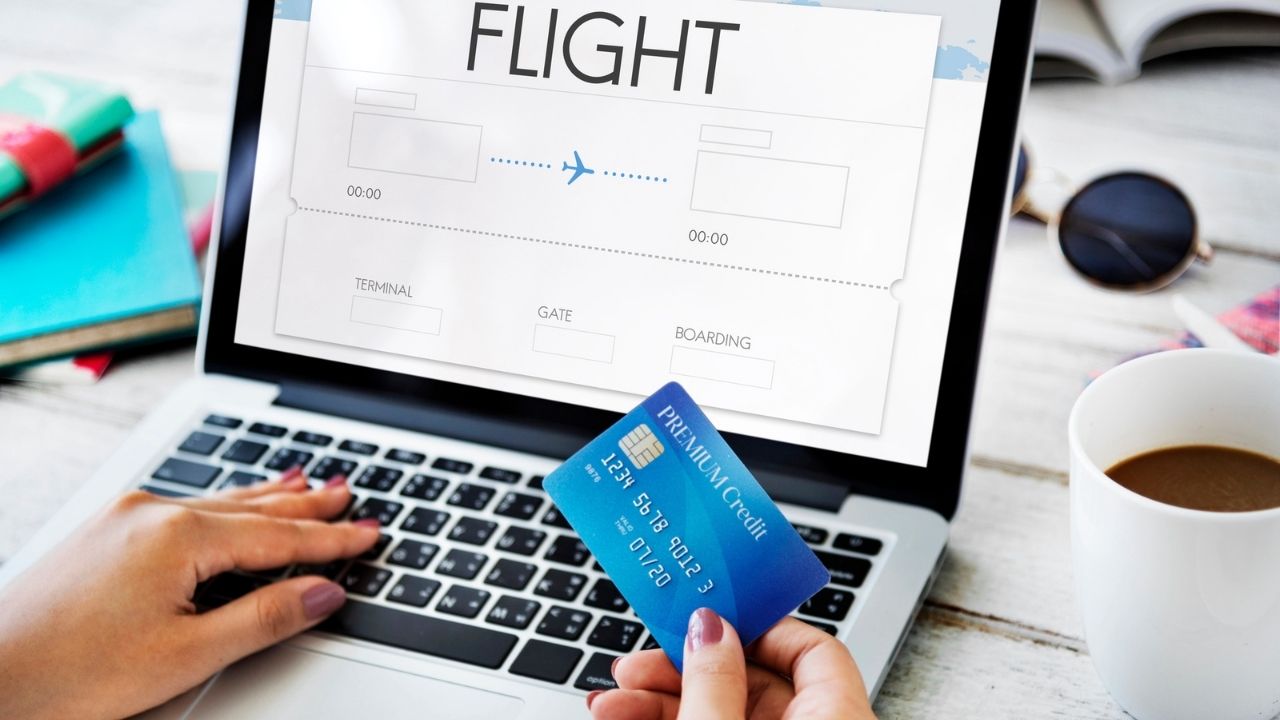 Travel Budget (rawpixel/depositphotos)
Instead of planning trips one at a time, decide on a yearly travel budget and work backward.
Recent data shows that travel prices in the United States have been unstable this year, with flights and other travel costs outpacing general inflation at times and lodging and car rentals shifting month to month, making it hard to predict expenses on short notice.
A clear budget makes it easier to choose destinations, travel seasons, and trip length without last-minute financial pressure.
2. Prioritize One Meaningful Trip
 Bali, Indonesia (chenws/depositphotos)
Pick one destination that matters most and plan it well.
According to recent research from MMGY Travel Intelligence, many travelers are placing more value on meaningful experiences in their planning decisions, even as budgets tighten and travel priorities change. They are prioritizing experiences and purposeful choices when deciding where and how to travel.
This suggests that focusing on a single major trip can lead to more intentional planning and deeper engagement with the destination’s culture.
3. Travel During Shoulder or Off-Seasons
 Eiffel Tower in Paris (neirfys/depositphotos)
Resolve to avoid peak travel windows when possible. Traveling during the shoulder season, the months just before and after peak summer, routinely brings fewer crowds, lower prices, and better availability.
According to AAA, shoulder season travel frequently delivers more competitive rates on flights, hotels, and tours because demand is lower than during high season.
Data from KAYAK shows international airfare can be roughly 33% lower and hotel prices about 10% lower in shoulder season compared with peak summer months, helping your travel budget go further while avoiding the madness of crowds.
4. Choose Sustainable Options
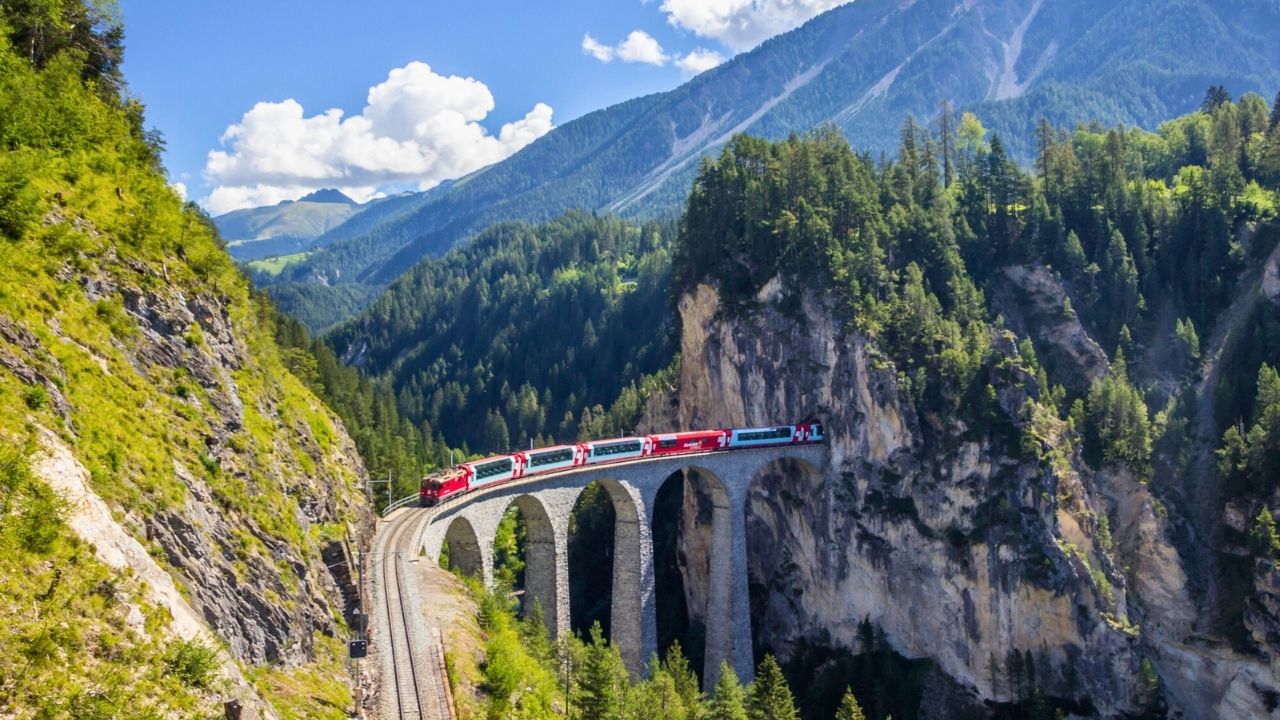 Landwasser Viaduct train in Swiss Alps (tomaszmusiol/depositphotos)
Make one trip that prioritizes trains, buses, or ferries over short flights.
Public transportation data shows that trains emit far less CO₂ than short-haul flights, with train travel often cutting emissions by 73%–91% compared to flying along popular routes.
Further comparison research finds that taking a train instead of a domestic flight can reduce travel emissions by around 80%–86% for medium-distance journeys.
This matters not only for climate impact but also for the travel experience itself. Trains in many regions of the world, especially in Europe and parts of Asia, link large cities, saving time and avoiding airport transfers that add hours to your trip.
5. Learn Before You Go
 Tourist and Local (haydmitriy/depositphotos)
Spend time learning basic customs, history, and key phrases before traveling.
According to Duolingo’s language report, travel is consistently cited as a leading motivation for learning a new language, reinforcing the value travelers place on basic communication skills before arrival.
Expedia’s report also shows growing interest in experience-led travel, where understanding local norms and confidently navigating daily interactions are increasingly important.
Even small efforts such as learning greetings, common phrases, or local etiquette can meaningfully change how travelers experience a destination.
6. Slow Down Itineraries
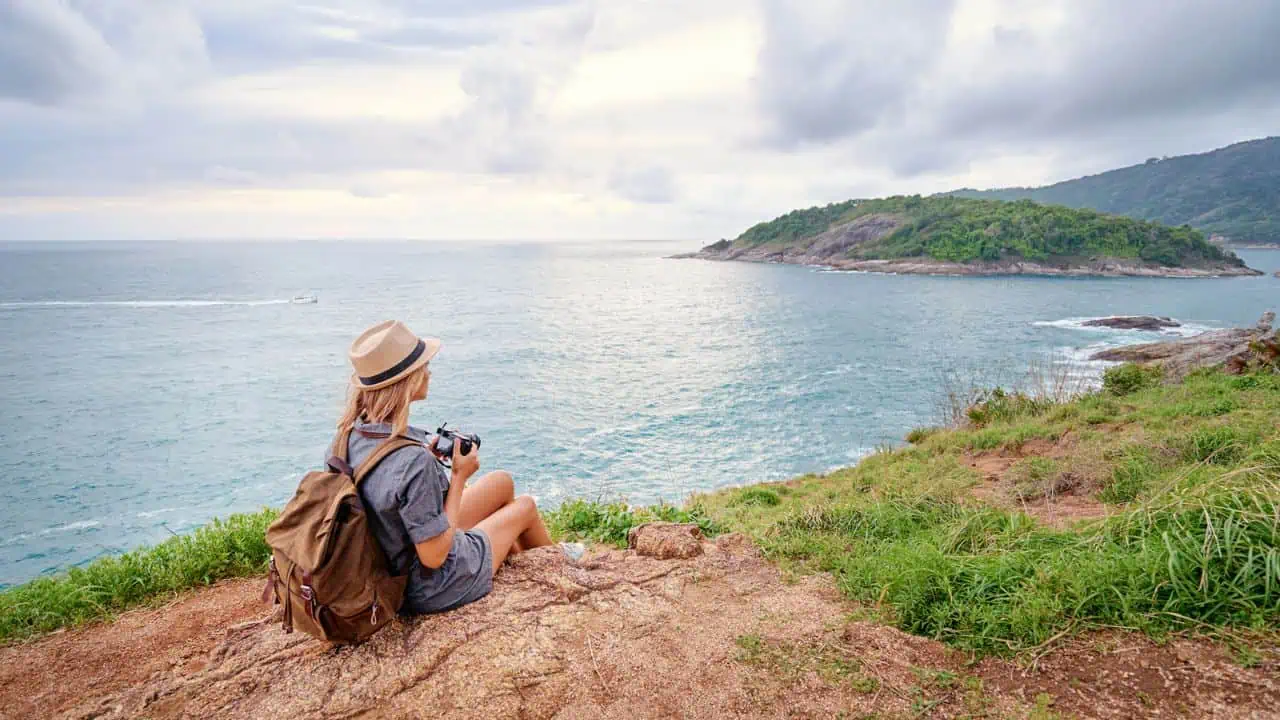 Slow Travel (luengo_ua/depositphotos)
Plan fewer stops and more extended stays. Traveling at a relaxed pace rather than trying to fit many cities into one trip is gaining traction as part of the slow travel trend, which emphasizes deeper experience over speed.
Hilton’s travel trends report reveals that many travelers now want to “travel like a local” by spending more time in fewer places and getting to know their destination’s people and culture rather than rushing through a checklist of sights.
Other travel experts also say that slow travel is “a more rewarding way to see the world,” allowing travelers to engage more meaningfully with a destination and its community, a contrast to the stress and superficiality of constantly being on the move.
7. Support Local Businesses
 Family checking into hotel (macniak/depositphotos)
Book independent hotels, guides, and restaurants when possible.
According to an OECD analysis of international tourism’s economic impacts, more than 80% of expenditure by non-resident visitors is captured as domestic value added by tourism-related industries.
When travelers choose locally owned accommodations and services, a larger share of that spending supports wages, local suppliers, and small business owners in the destination.
Beyond economics, locally run businesses can provide deeper insight into the destination’s daily life, customs, and regional history—because locals know best!
8. Take One Skill-Based Trip
 Cooking class abroad (syda_productions/depositphotos)
Plan at least one trip centered around learning. This could be a cooking class, language program, photography workshop, or even a dive certification to add purpose to your trip.
More and more travelers are booking trips with hands-on experiences that go beyond passive sightseeing. According to Viator’s Travel Trends Report, interactive learning categories are among the fastest-growing and highest-rated experiences being booked.
Global advisors also report that culinary experiences (67%) and cultural immersion (62%) are among the top motivations for traveling.
9. Travel With Intention, Not Trends
 Kecak Dance in Uluwatu, Bali (swisshippo/DepositPhotos)
Social media-driven travel decisions often lead to disappointment.
Social media now plays a significant role in trip inspiration and early planning. However, many travelers still want experiences that reflect their own interests rather than simply following viral trends.
According to Expedia, 61% of travelers said they use social media to find travel ideas, up significantly from previous years, underscoring the growing role of online platforms in shaping travel inspiration.
It also shows a growing appetite for “detour destinations” and locally authentic experiences, such as hidden gems, cultural activities, and specialty goods, as travelers look beyond the most popular “trend” spots to find experiences that feel unique to them.
10. Document Your Experiences
 Travel journal (rawpixel/depositphotos)
Move beyond quick photos. Write short reflections, record audio notes, or keep a simple travel journal. Reflective writing has been shown to help people process emotions and organize thoughts, leading to a deeper understanding of meaningful experiences and improved mental clarity.
Research on writing and cognition suggests that the act of putting experiences into written form, especially by hand, engages deeper memory encoding processes than passive recording, which can help you retain richer, longer-lasting recollections of your trip.
Studies on travel journaling also find that creating narrative accounts of travel experiences supports meaningful memory formation by connecting events to personal values and identity, making the moments you live more likely to stay with you after you return.
New Year’s Resolutions for Travel Lovers
 Travel Resolutions (annharitonenko/depositphotos)
Travel resolutions work best when they are realistic and personal.
A better year of travel does not require more trips or bigger budgets. It requires clearer priorities, more intentional planning, and respect for the places you visit.
These travel resolutions are not about doing more. They are about traveling better, one thoughtful decision at a time.
Cheers to a new year filled with discovery and adventure!

Alexandrea Sumuel Groves is a Travel Journalist, Yahoo! Creator, MSN Partner, a member of both the Society of Professional Journalists and North American Travel Journalists Association, and the founder of Wander Worthy. She covers vacation destinations, travel news, and tourism trends.













 English (US) ·