
 1 month ago
30
1 month ago
30
The Caribbean coast is arguably Colombia’s most laidback and tourist-friendly region. In towns like Minca or Palomino there were times when — if I squinted my eyes and forgot about the cumbia rhythms in the background — I felt like I was in a backpacker hub in Thailand.
Of course it feels uniquely Colombian, but it has that same worry-free energy. Contrasted against navigating Bogota’s sprawling chaos or learning about the Pablo Escobar histories in Medellin, the Caribbean region just feels easier. It’s the perfect place to soak up some vacation vibes.
As a slow traveller I’ve spent nearly a month in this region. Here’s what I’d keep and what I’d cut for a punchy curated itinerary.
P.S. This route is designed to be an ideal introductory trip. If you’re travelling long-term or through multiple regions of Colombia, check out my backpacker itineraries.
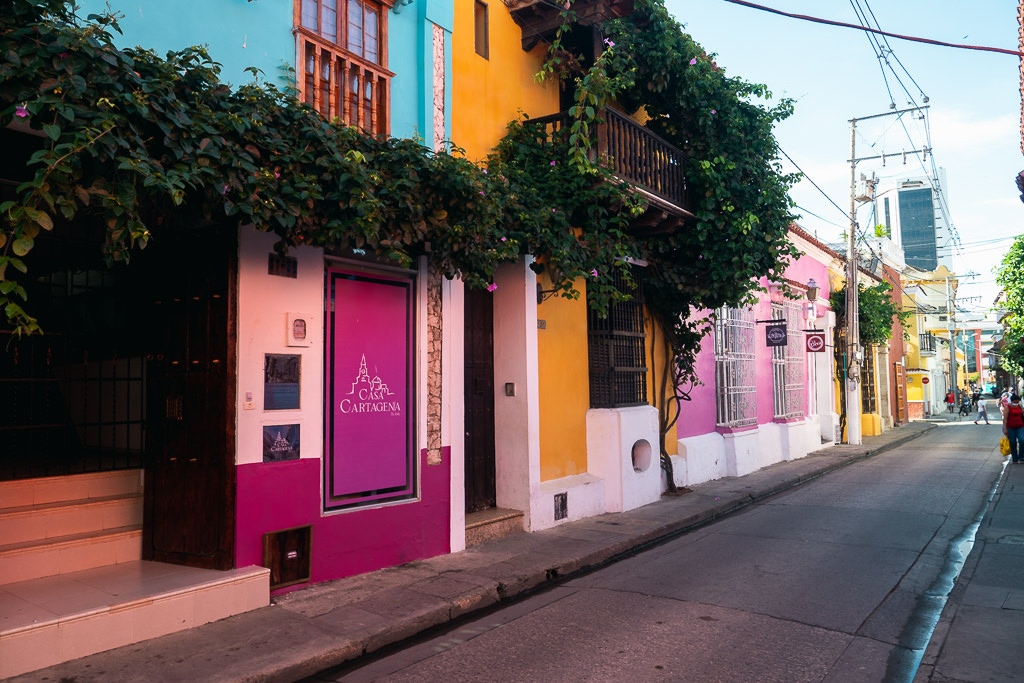
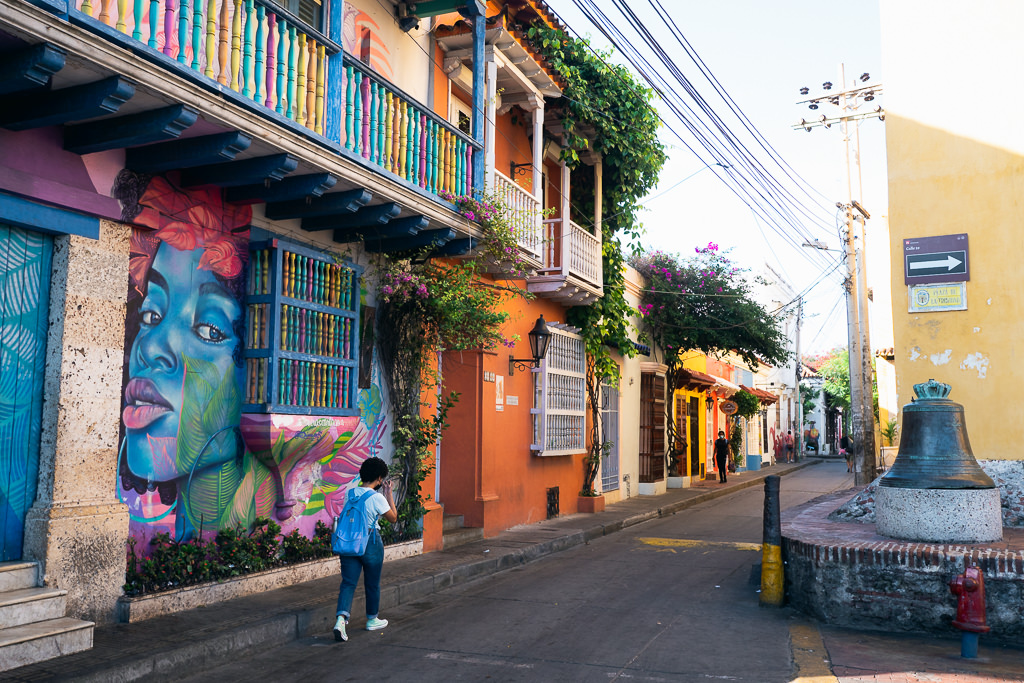 The multi-colored streets of Cartagena
Itinerary Overview
This route encompasses a variety of experiences, all with easy logistics in between. You can explore the beautiful colonial city of Cartagena, enjoy the tropical beaches of the Rosario Islands, and experience the Colombian jungle in Minca. It’s like a 3-in-1 trip.
Most north Colombia itineraries focus heavily on Tayrona, a protected coastal reserve near Santa Marta. It’s beautiful, but for extra variety I’ve put the emphasis here on Minca instead. It’s a quieter town amid lush jungled mountains with nearby hiking trails, waterfalls, and sunset viewpoints.
If you don’t want to miss out on Tayrona and its famous Cabo San Juan beach, I still include it as a day trip option on the final day, departing from Minca.
Here is the general outline before I dive in further:
A few practical tips
First time in Colombia? Then you might have a few questions about how to plan it or what to expect. So let’s cover a few practicalities, the “how”, before we get into the “where”.
Is it safe?
The north of Colombia is known to be calm and generally safe. Just FYI, the city of Santa Marta and nearby Taganga beach town do have some security issues. While I enjoyed this city, in online traveler groups you’ll see reports of muggings or pickpocketing here pretty often. In any case, Santa Marta is not on this itinerary (apart from a quick bus transfer).
In Cartagena, it’s best to stay in the old walled city, Getsemani, or Bocagrande. Some neighborhoods further east across the canal don’t have the best reputation, though there is little for tourists to find there. You won’t ever end up in these areas unless you really purposely tried.
In a nutshell, on the tourist trail it’s safe. Whenever I’ve asked locals here about potential issues, they’ve been relaxed and dismissive, particularly outside Santa Marta or Barranquilla. This itinerary focuses on known, safe areas — but as anywhere in the world it’s always worth being cautious.
 Don’t worry, these are the only guns you’ll see in Cartagena
How to get around
The practical A-to-B logistics aren’t too complicated and are quite beginner-friendly.
- Flying into Cartagena is easy as the airport is only 15 minutes from the city center. There will be plenty of taxis waiting for you, just don’t let them rip you off. The price should be around 20,000 COP (≈ 5 USD) .
- You can pay for ferries from Cartagena to the islands at the terminal, or book the ferry online easily via Bookaway.
- The coach buses from Cartagena to Santa Marta are efficient and comfortable. You can book tickets online via Busbud, a booking platform specialized in Latin America.
- On your last day, you could decide to fly out from Santa Marta airport (it has flights to Bogota and Medellin) or go to Cartagena to loop back to where you started.
And that’s it! Within Cartagena, Minca, or the islands, most things are walkable.
If you have only a week, local organized tours will be your friend. They let you cover more ground than trying to DIY everything. I’ve linked to relevant tours on Viator throughout this guide.
 Stunning sunsets over the Sierra Nevada in Minca
Itinerary step-by-step
Day 1: Cartagena
Arriving in Cartagena, you’ll be immediately struck by the beautiful colonial architecture and colorful Caribbean atmosphere. I’ve visited a lot of colonial towns in Central and South America and just in terms of pure visual attractiveness, Cartegana is probably top of the list.
Particularly within the walled town area, you’ll find that most of the historic buildings are beautifully restored, often painted in bright colors and many balconies adorned with lush flowers. The place is incredibly photogenic and it’s a little wonderland of boutique hotels, tasteful souvenir shops, and trendy cafes where you can sample single-origin Colombian coffee. All this makes it an easy place to touch down and start your trip.
Just know that it can be pretty muggy in Cartagena, which often has high temperatures combined with very high humidity. The ‘feels like’ temperatures can reach around 40°C or 105°F, especially from May to October. I usually have an early morning start for sightseeing, so I can relax a bit at my hotel around midday.
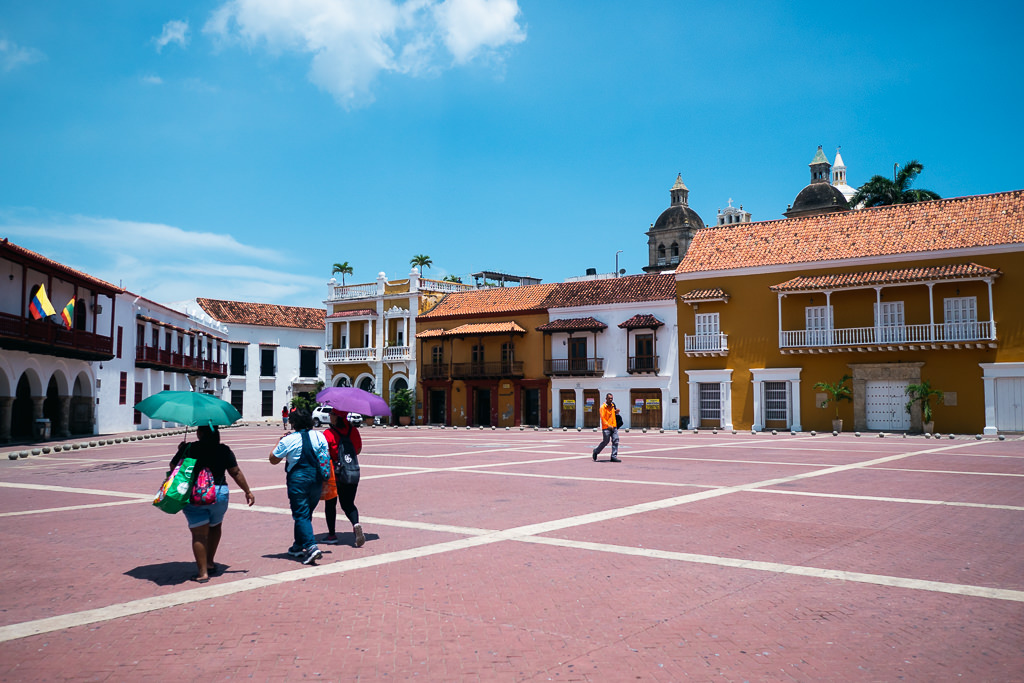
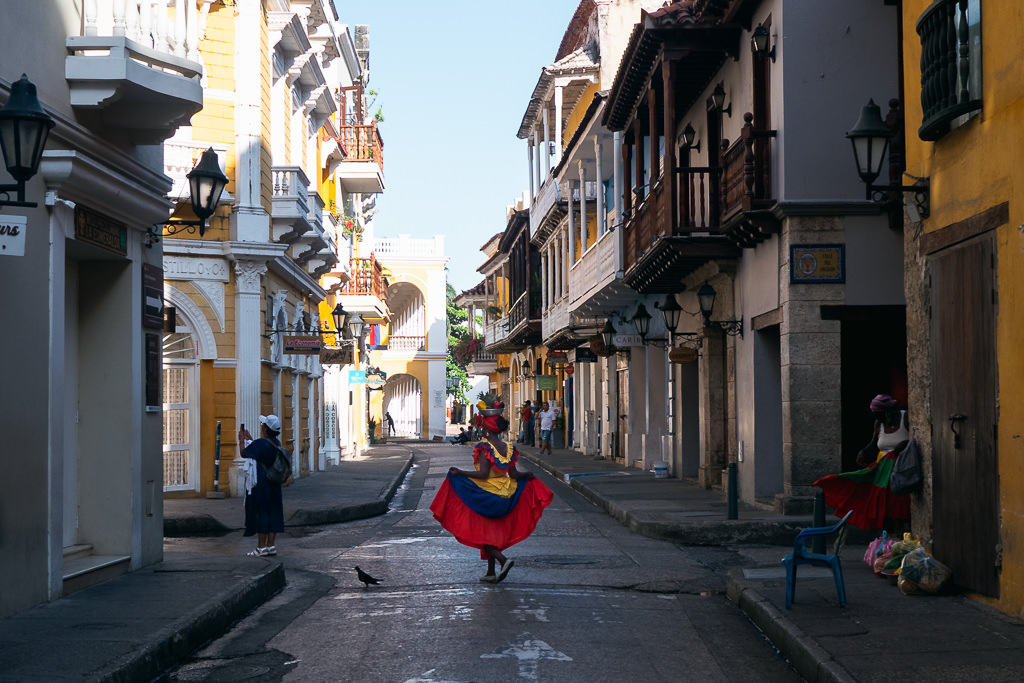
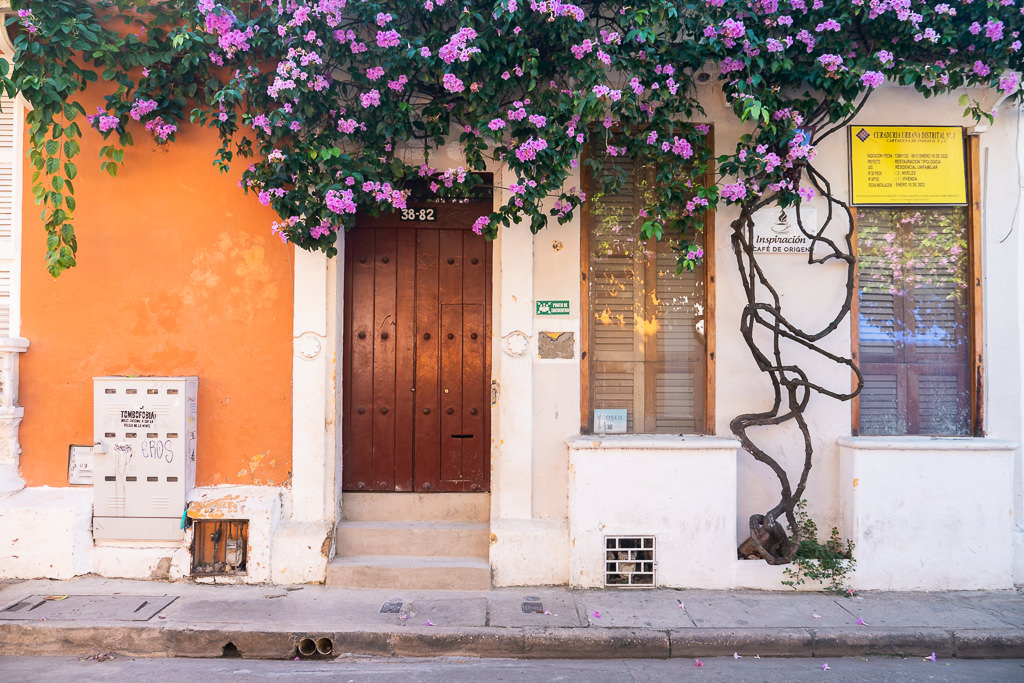
Cartagena was founded in 1533 by Spanish settlers and became a trade hub for gold and slaves in the 17th century. The city’s afro-Caribbean influence can be traced to its colonial history. With its quaint plazas, and charming cobblestone streets, Cartagena is perfect for wandering around and getting lost on purpose.
For Day 1, I highly recommend doing a walking tour focused on the Walled City. This will give you some essential historical background but will also help with your general orientation.
You will get to explore all the main attractions within Cartagena’s colonial center, including Plaza Bolivar and San Felipe de Barajas Castle.
Tip: Cartagena is a popular tourist town, so be prepared to be approached by street vendors selling fruit, Panama hats, or souvenirs. Occasionally they do get annoying, but don’t let this spoil your experience! Simply ignoring them usually works best.
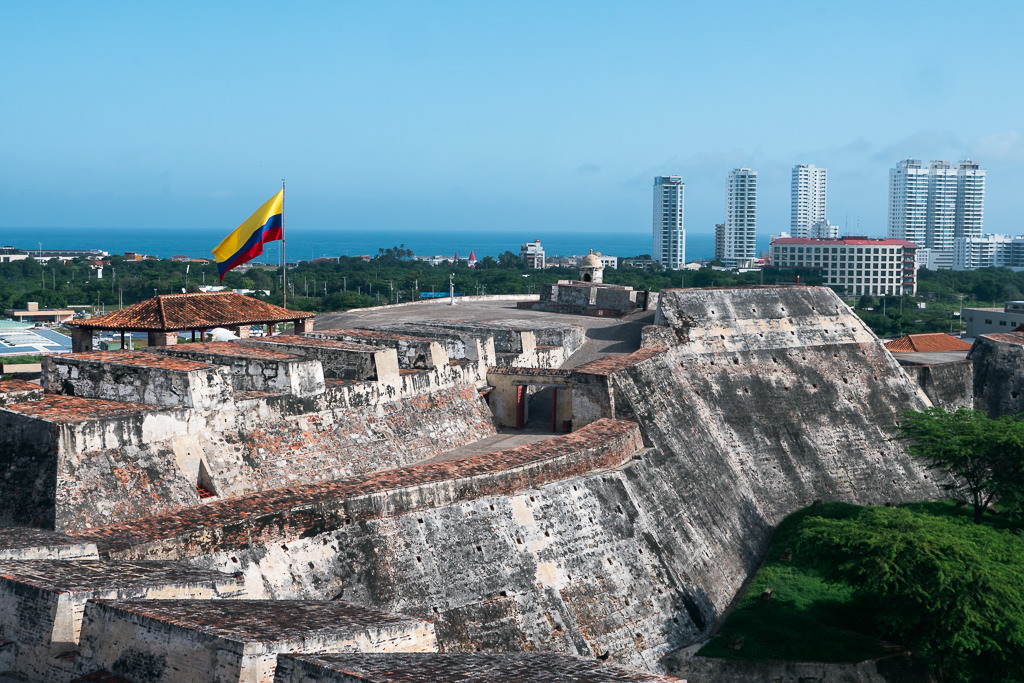
A bit further outside the old town (but still within walking distance) is the San Felipe fort, the largest colonial Spanish fortification in South America.
Beyond the highly polished and upscale Old Town, head into the gentrified but more energetic and down-to-Earth Getsemani neighborhood, a colorful area filled with bars, cafes, and art shops.

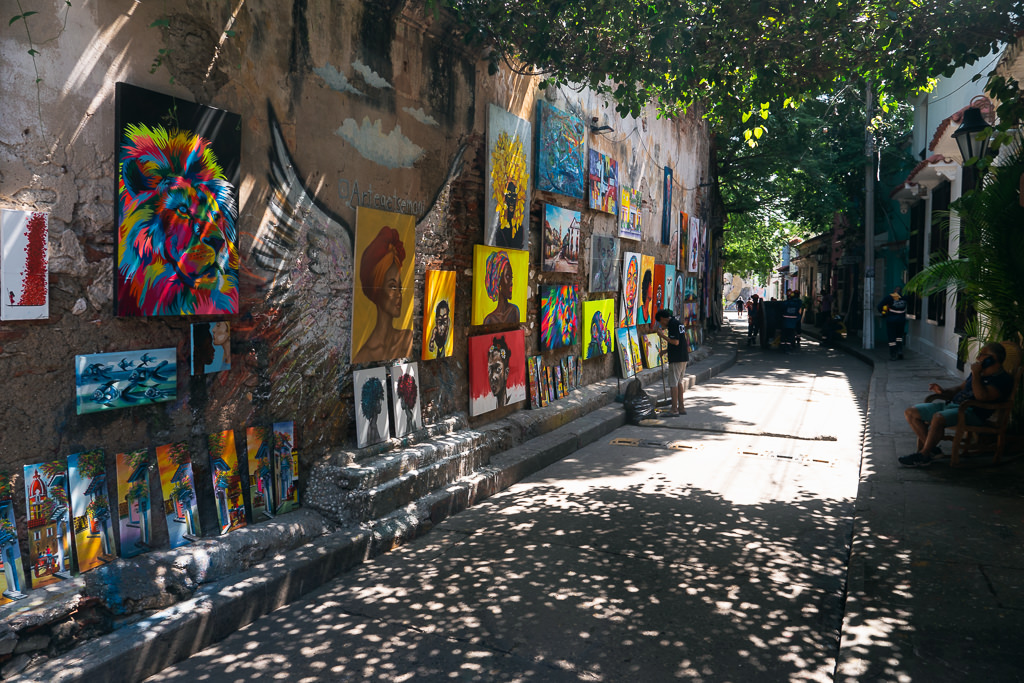
Dive to one of the local spots for a cheeky 15,000 COP (≈ 4 USD) menu del dia. These daily set menus are common in Colombia and usually include a soup, fresh fruit juice, and a main plate with meat or fish and patacones (fried plantain slices). The menus del dia are a fun and inexpensive way to get acquainted with the local food.
Alternatively, enjoy my favorite ceviche place, La Cevecheria for some of the freshest seafood in the city.
To get the full experience and Colombian ambiance in Cartagena I recommend staying in one of the beautiful colonial hotels. Casa Morales is my favorite boutique hotel in the old town, with its gorgeous colonial-style architecture and modern amenities. You can cool down from the tropical climate in the pool or enjoy your coffee on the private balconies.
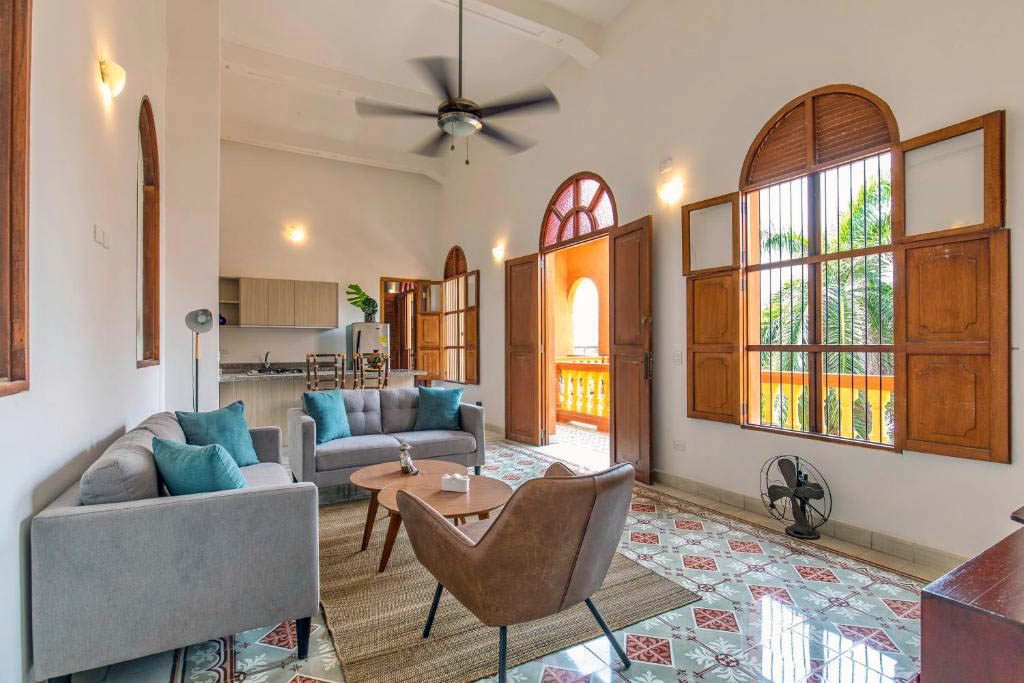 Casa Morales
Day 2: Cartagena day trips
You can get a pretty good feel of Cartagena city in a day, so for the second day I suggest taking a trip outside the city.
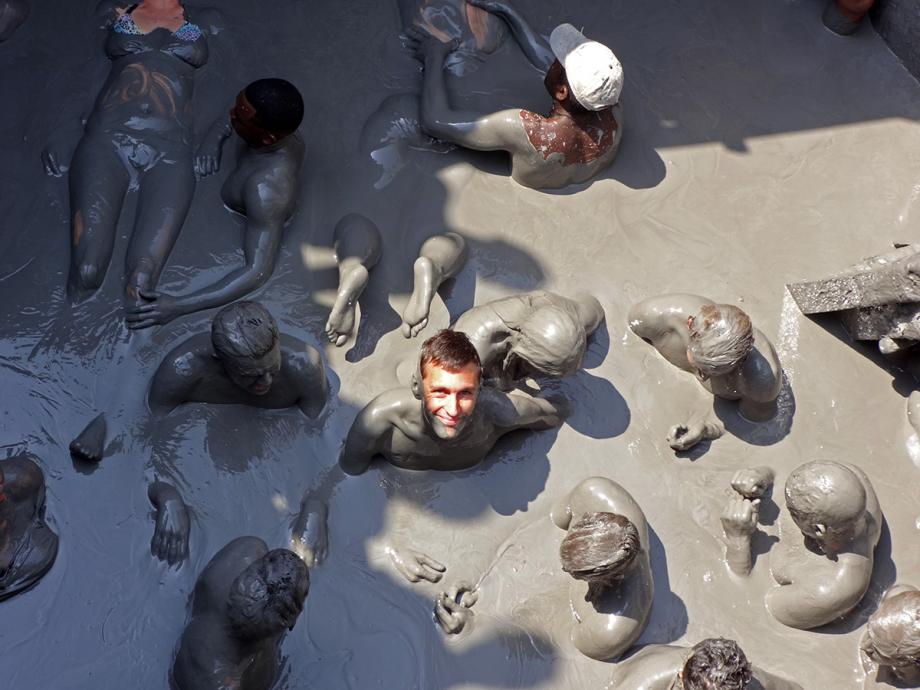
My somewhat quirky suggestion is to go to the Totumo mud volcano. It’s a place where you can get a full-body mud bath — a perfect activity for kids as they can climb in the mud and run around, but fun for adults too. You can float on top of the mud, or paddle around it almost feeling like your ‘weightless’ due to its viscocity compared to water. You can read about my experience here.
A tour to the bud bath typically also includes a stop at a swimming pool or beach. There are departures at 7.30 AM and 1 PM. It’s a great half-day experience, leaving the other half of the day for a bit more exploration of Cartagena.
Maybe not everyone will be as keen on a mud bath, so my alternative suggestion for this day is to take an ATV trip along the coast, which will take you to the dirt trails and beaches with rock formations outside the city. A more adventurous option that will give you a taste of Colombia’s Caribbean coast.
Just one tip, if you’re thinking of having a beach day from Cartagena, I’ve found the city beaches (such as those in La Boquilla, Bocagrande, or Playa Marbella) not really worth it. The islands are much better for some beach time, including the chance to go snorkelling, and I will cover them next. Of the beaches near Cartagena, Playa Blanca is easily the best, though it takes a 1-hour drive to get there.
After getting back into town and washing up — which you will really want to do after having mud in all of your nooks and crannies — you can spend the rest of your day further exploring Cartagena on your own.
Now is the time if you want to take some snaps for social media. Cartagena has so many beautiful walls with street art, colorful buildings, and antique doorways that make for great backdrops for portraits.
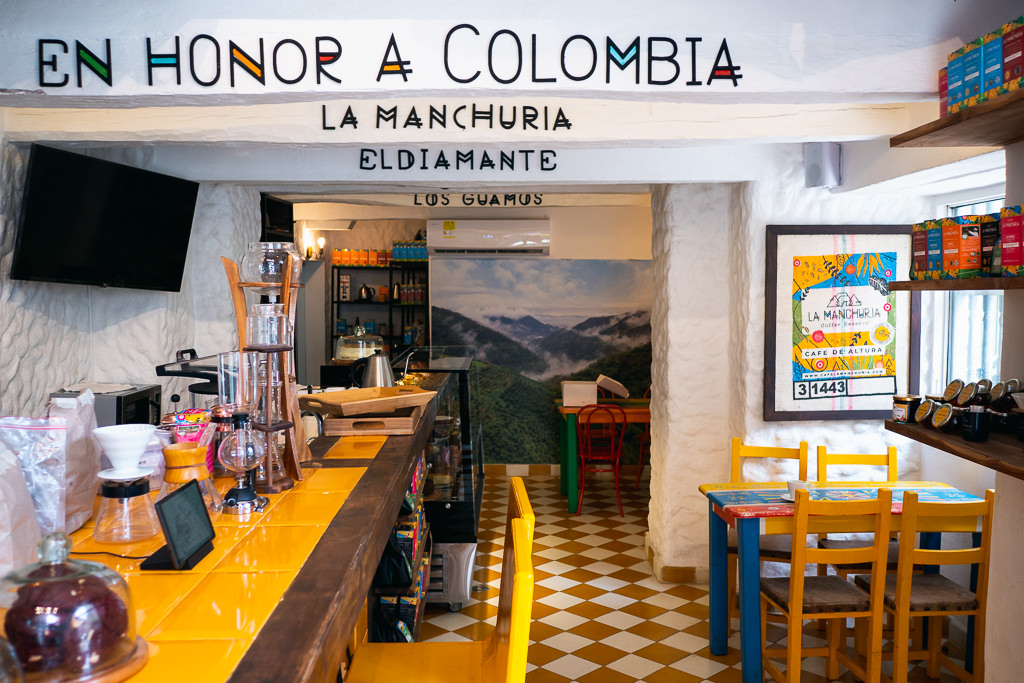
Cartagena is a lot of fun to wander around as there are numerous boutique shops, cocktail bars, and specialty cafes. Colombia is, of course, famed for its fantastic arabica coffee beans — and these days they do an amazing job roasting them as well.
My favorite place for a batch brew or V60 is Café La Manchuria, which also sells its own beans and other artisanal local products.
For the evening, head to the top 10 bars in the world which is located in Cartagena. Alquimico is a three-story bar with the best cocktails and is a can’t-miss night out in Cartagena. The afrobeats, reggae and salsa music will get you dancing in no time.
Day 3 + 4: Rosario Islands
After two days of colonial streets and mud baths, the Rosario Islands offer something completely different: some quiet isolation. It’s a small cluster of islands just off the coast of Cartagena, giving you a true tropical getaway.
Most tourists go to the main island of Isla Grande just for the day, but it’s often crowded and I do not recommend it. For a quieter and more immersive experience, I suggest staying on one of the other islands for at least one night. This way you can truly relax and enjoy this beautiful tropical oasis.
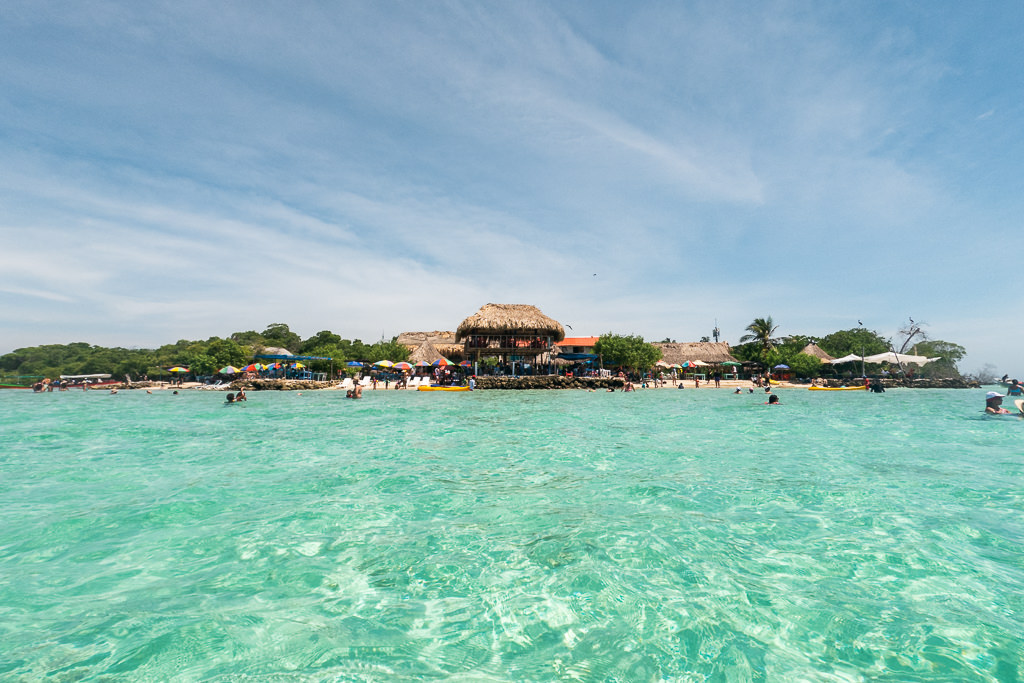
The white sand and turquoise water beaches are unmatched by Cartagena, making it the prime spot to kick back and relax or try your hand at water sports like kayaking and snorkeling.
You will need to head to Muelle de la Bodeguita to catch one of the ferries. The ride to Isla Grande only takes around 45-60 minutes, and all ferries depart no later than 9:30 in the morning.
The tickets for the ferry range from 55,000 COP to 90,000 COP (≈ 15 to 25 USD). The last ferry from Cartagena to Isla Grande leaves at 09:00 in the morning, and the last ferry from Isla Grande to Cartagena leaves at 15:00. You can prebook tickets here.
Considering the ferry schedule, if you did a day trip you would only have 6 hours of fun in the sun, which is why it’s nicer to spend two days there.
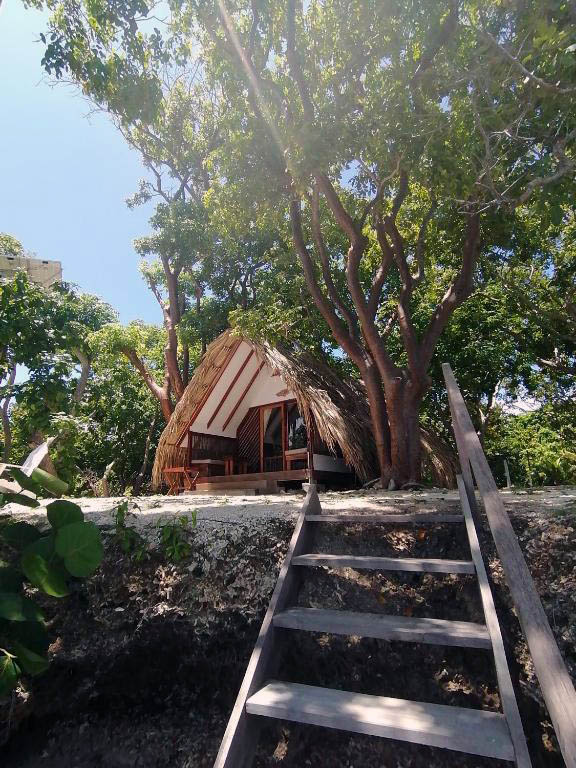
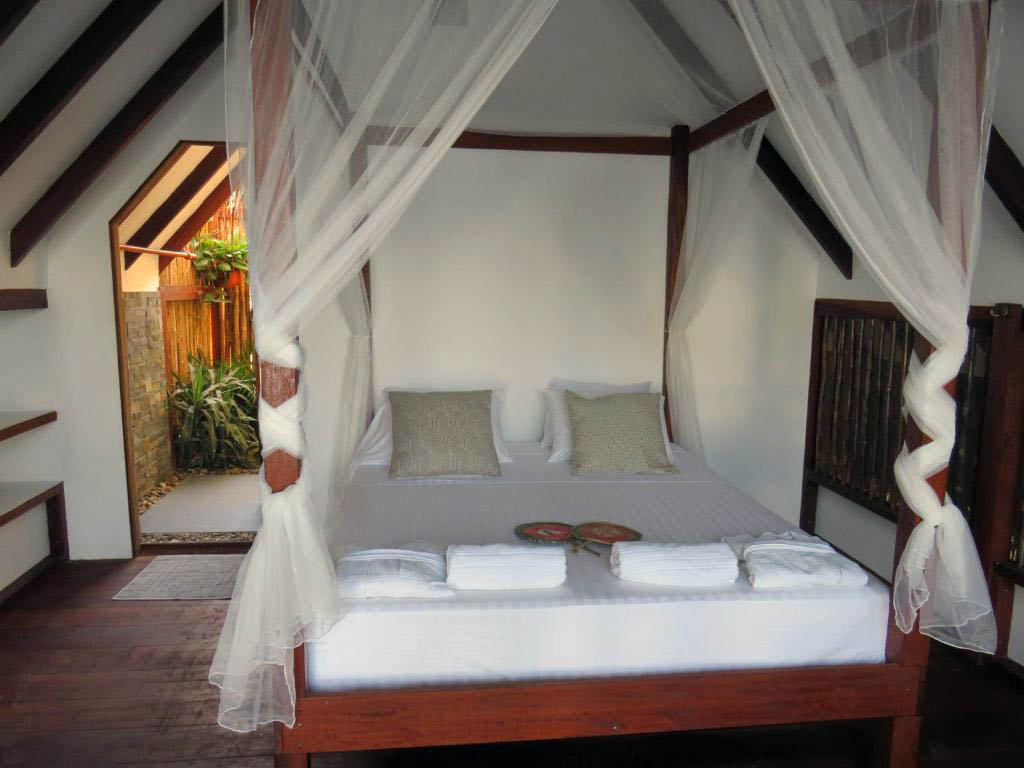
Hotel Isla Bella is the perfect place to stay on Isla Marina, an unspoiled smaller island next to Isla Grande, with a range of bungalows located right on the beachfront. You can enjoy waking up each morning to the sound of the waves, swinging in your private hammock on your balcony.
Spend your days exploring the island, renting one of the paddle boards or kayaks and hitting the waves, or try your hand at snorkeling and diving in the crystal blue water. And don’t forget to take a sunset stroll along the beach!
And if you’re feeling adventurous, head out for an all-day trip on your own private yacht. You will be able to snorkel, enjoy your lunch and relax on a beautiful beach, all while floating along the big blue sea.
Alternatively, consider any of these Rosaria Island tours which will take you to the best bays and islands.
Day 5 – 7: Minca
After relaxing on the islands, it’s time to head inland to Minca, a small mountain village located 1 hour away from Santa Marta.
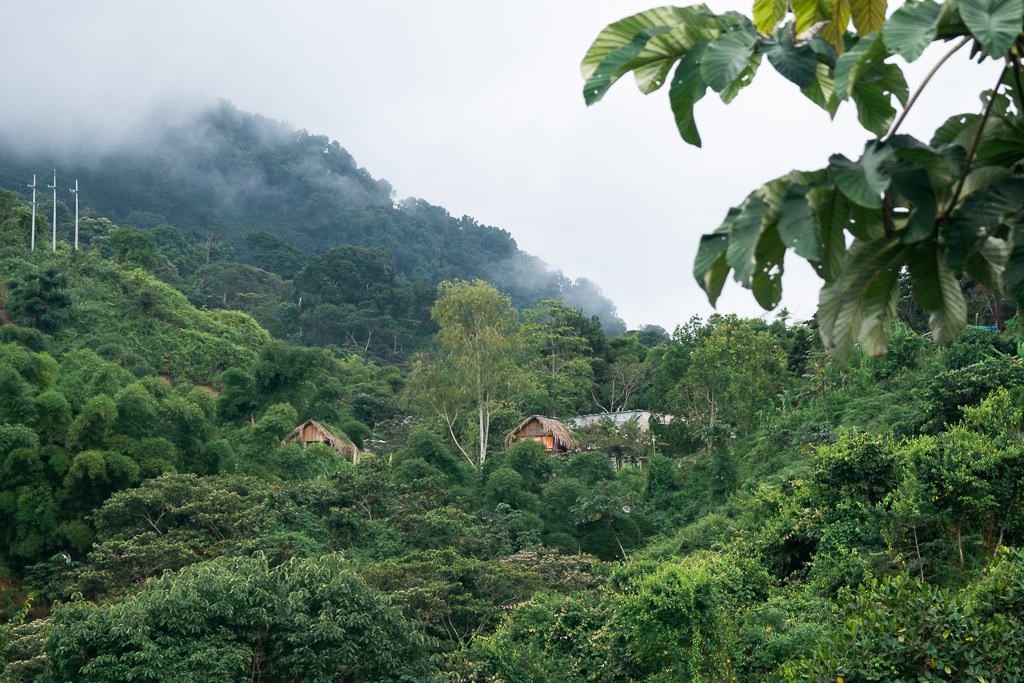
Perched at 650 meters where the air is wonderfully cooler than in sweaty Cartagena, Minca is one of Colombia’s best ecotourism hotspots. It’s home to some stunning eco-lodges, great hiking trails, waterfalls, and bird-watching spots.
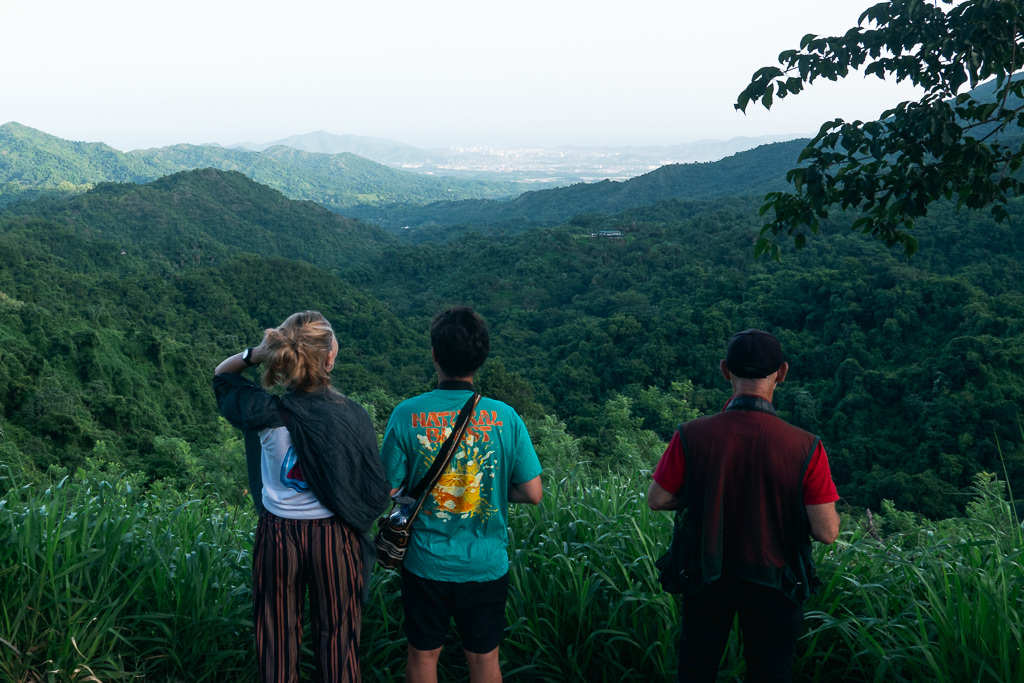
It’s one of my favorite places in Colombia, known for its incredible views of the surrounding jungle. I spent many evenings here relaxing in a hammock or loft net with a cold beer, listening to a symphony of tropical birds as the sun slowly sets over the Sierra Nevada mountains. It doesn’t get much better than this!
This is the longest trip on this route, but it’s 100% worth it.
You will need to take the bus from Cartagena to Santa Marta, which costs around 80,000 COP (≈ 22 USD). The bus terminal in Cartagena is located on the outskirts of the city, so expect a taxi there from the center to take about 30 minutes. The bus journey to Santa Marta can take 4 to 5 hours depending on traffic. You can book tickets here.
Once you arrive in Santa Marta, the easiest way to get to Minca is by taxi, which takes about 45 minutes and will cost around 80,000 COP. You can also take the local bus, but it will take at least twice as long, so if you’re a tourist wanting an optimized trip it’s not the best opton.
There are a ton of amazing places to stay in Minca — from high-end eco resorts to more budget-friendly hostels and rentals — but the one place I highly recommend staying is Masaya Casas Viejas.
This beautiful jungle lodge is the perfect place to enjoy nature in the heart of Colombia. And the infinity pool overlooking the jungle is just unbelievable.
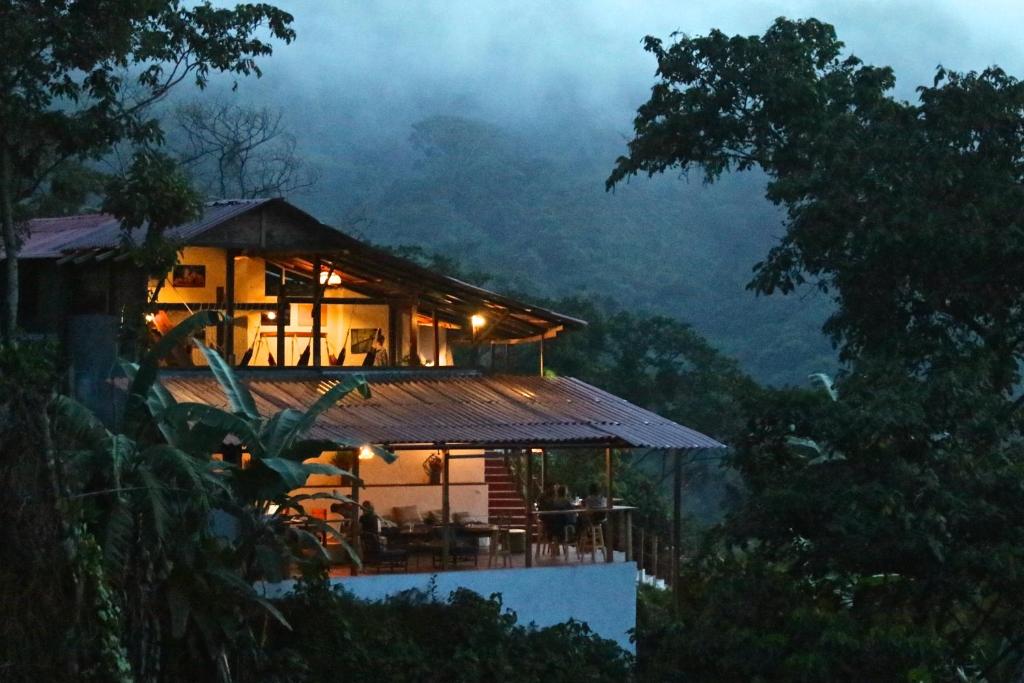
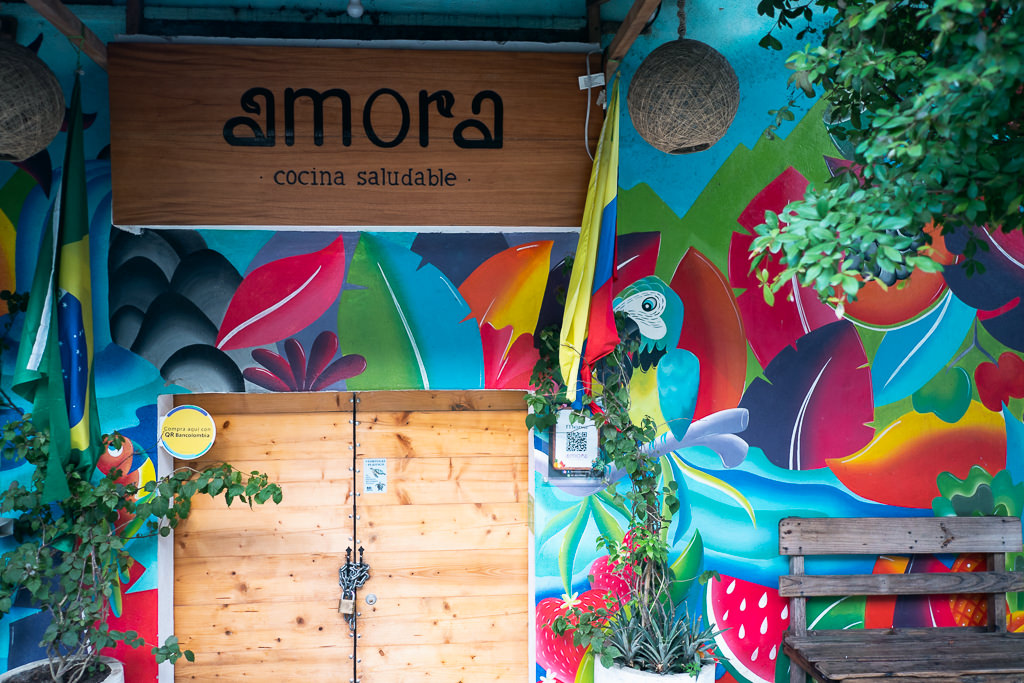
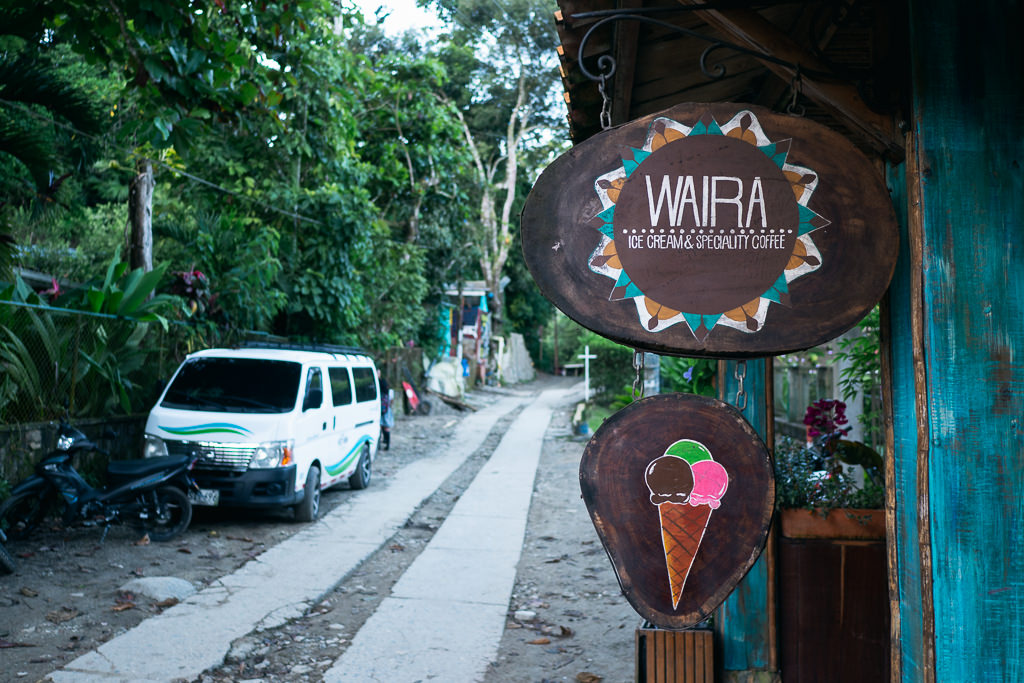
Spend Day 1 in Minca relaxing after your long journey, and take in the beautiful views from your hotel. Take a walk into Minca town for a meal at the Lazy Cat, some local specialty coffee at Caficosta, or some amazingly yummy artisinal icecream at WAIRA.
On Day 2, it’s time to explore the surrounding area. There are several great easy-to-moderate level hikes that lead through coffee fields or up waterfalls, along with zip lines and horseback riding tours if you’re looking for a little more adventure.
All these activities can either be done independently or can be booked at local agents with no need to pre-book online. If you’re not sure what to do, visit Jungle Joe on the town’s main street where you can gather all the information. They are the local experts where you can also rent ATVs or scooters if you want to explore at your own pace.
In the afternoon, make sure to visit the Pozo Azul, a beautiful set of waterfalls and two natural swimming holes to cool off in after a day of hiking.
 A wealth of activities in Minca
 Early morning bird watching
Minca is also a great place to experience many different exotic birds in their natural habitat, making it the perfect destination for birdwatchers. Jungle Joe’s bird-watching tour is incredible, offering the chance to spot the elusive toucan and many other creatures.
I’m not much of a birdwatcher myself, but I must admit this tour was a highlight for me. Just being in the jungles around Minca at the crack of dawn was a great way to experience nature and the guide’s enthusiasm for the local fauna was incredibly infectious. I saw my first toucan perched on a nearby branch, along with numerous smaller critters. The early rise was worth it.
Apart from having some the world’s highest biodiversity, Colombia is also well-known for its premium arabica coffee, being one of the top producers worldwide. To learn more about the full coffee production process from bean to cup, be sure to visit a coffee farm while in Minca. A typical tour lasts about 45 minutes and will of course include a tasting at the end. Most tours cost between 15,000-25,000 COP (around $4-6 USD) with Finca La Victoria being the most popular one.
If you have your own transport it’s easy to reach, otherwise grab one of the taxis or moto-taxis that are almost always waiting at the bridge in Minca. It’s about a 15-minute drive.
On Day 3, I suggest either doing more activities around Minca, or to take your chance to see one of the most beautiful places in all of Colombia, Tayrona National Park. This massive 15,000-hectare park stretches along the coast of Colombia and is home to stunning beaches and incredible wildlife.
Most Tayrona tours depart from Santa Marta, not Minca. However, some providers will arrange pickup from Minca if you contact them directly and request it. This is the most popular tour option on Viator.
You can also book one of these tours and get to the pickup point in Santa Marta yourself (there are lots of taxis at the bridge in Minca and it takes about 30-40 minutes).
I know this is not as convenient as just being based in Santa Marta, but I think Minca is a much nicer town in nature, and this way you get to experience Minca and Tayrona in the same week.
The tours include a roundtrip transport and entrance fee into the park, as well as offering multiple different hiking tours throughout the jungle areas inside Tayrona National Park.
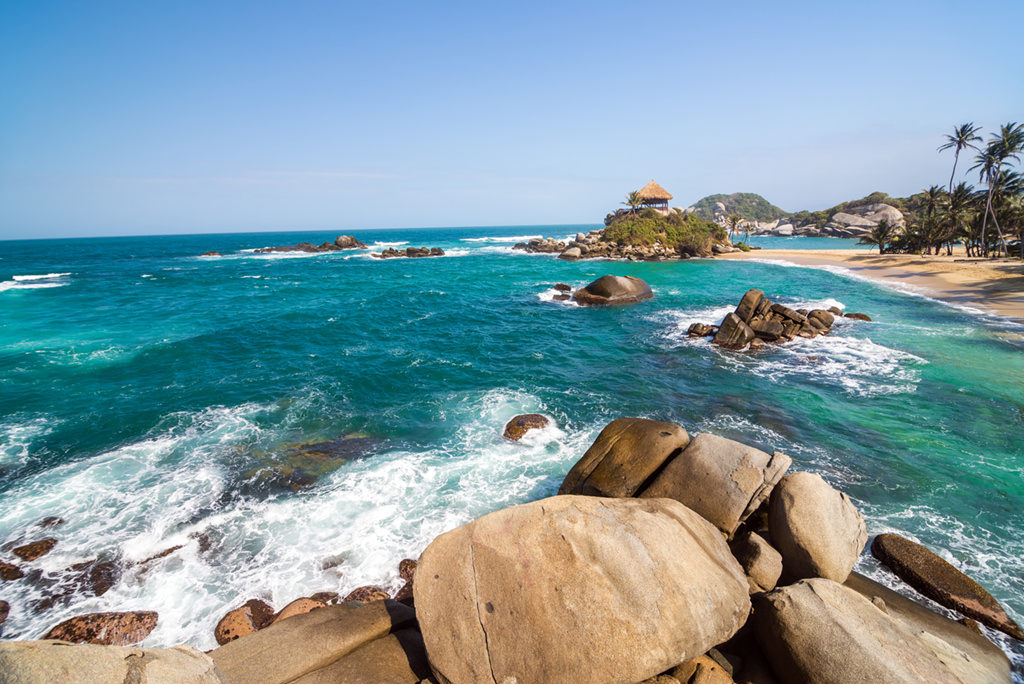
You’ll start your day with a quick 1-hour hike through some dense jungle-lined paths until you reach Cabo San Juan beach. This stunning tropical white sand beach is a must-see, and one of the most beautiful in all of Colombia.
You can spend the rest of your day soaking up the sun, swimming in the sparkling blue waters, or hiking to some hidden spots around Cabo San Juan beach.
If you want to do the trip independently, you can. Take the bus or taxi to Santa Marta, then get a taxi to the entrance of Tayrona National Park. I recommend getting to the park as early as possible, as the beaches and trails will start to get more crowded as the day goes on. Make sure to wake up early, pack a picnic lunch with some fresh fruit, and enjoy your last day surrounded by nature.
Extending to 10 days
If you can squeeze a few extra days into your trip, I’d use them to dig deeper into the Sierra Nevada region. Add two nights in Palomino, a laid-back beach town about 90 minutes east of Tayrona, where you can go river tubing down the Palomino River as it flows into the Caribbean.
Alternatively, use the extra time to do the multi-day Ciudad Perdida trek from Minca or Santa Marta. This 4-day jungle hike takes you to ancient ruins built by the Tayrona people around 800 AD – predating Machu Picchu by about 650 years. It’s challenging but rewarding. Just know you’ll need to book with a licensed operator, as independent trekking isn’t permitted. (Also, keep in mind you’ll probably be very tired by the end of this trek, so either put it towards the end of your itinerary, or plan a recovery day after.)
For more detailed ideas for things to do in Cartagena, be sure to check out my dedicated guide.











 English (US) ·